Home / Articles
Are There New, Less Invasive Options for Varicose Vein Removal?
Home / Articles
Are There New, Less Invasive Options for Varicose Vein Removal?
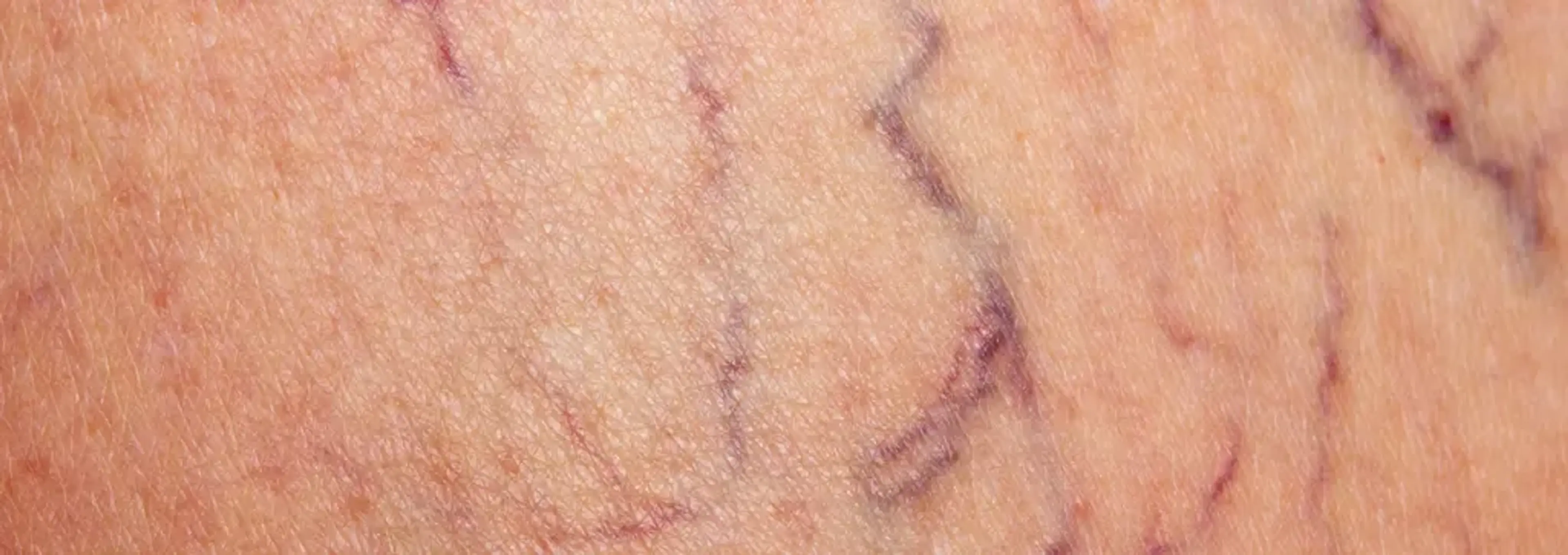
Varicose veins affect millions of people worldwide, causing discomfort, pain, and often impacting self-confidence due to their unsightly appearance. These swollen, twisted veins usually appear on the legs and result from weakened or damaged valves that fail to keep blood flowing properly. Beyond cosmetic concerns, varicose veins can lead to symptoms such as aching, heaviness, swelling, and even skin ulcers in severe cases.
As awareness of the condition grows, so does the demand for effective treatments that go beyond traditional surgical methods. Patients increasingly seek options that not only provide lasting relief but also minimize pain, reduce recovery time, and offer a safer, less invasive experience. This shift has driven significant advancements in varicose vein removal techniques, making modern treatments more accessible and patient-friendly than ever before.
For many years, vein stripping surgery was considered the standard treatment for varicose veins. This invasive procedure involves making incisions and physically removing the affected veins. While effective, vein stripping comes with several drawbacks: patients often face long recovery periods, considerable post-operative pain, noticeable scarring, and the risk of complications such as infections or nerve damage.
Because of these limitations, many patients hesitate to undergo surgery or avoid treatment altogether. Additionally, traditional surgery may not always be suitable for all types of varicose veins or all patient profiles, emphasizing the need for safer, less disruptive alternatives.
Minimally invasive options have transformed the patient experience, allowing individuals to return to their daily activities within days instead of weeks. These treatments focus on preserving vein function where possible and targeting only the veins that contribute to symptoms, offering a more tailored approach to care.
One of the pioneering minimally invasive treatments for varicose veins is Endovenous Laser Ablation (EVLA). EVLA involves inserting a thin laser fiber into the affected vein through a small needle puncture, guided by ultrasound imaging. The laser emits heat that causes the vein walls to collapse and seal shut, redirecting blood flow to healthier veins nearby.
The procedure typically takes less than an hour, is performed under local anesthesia, and requires minimal downtime. Studies have shown EVLA to be highly effective, with success rates exceeding 90%. Patients often experience immediate relief of symptoms like leg heaviness and swelling, with visible improvement in vein appearance over weeks.
EVLA is suitable for treating larger varicose veins and chronic venous insufficiency, and it is considered a safe alternative to vein stripping surgery. Because it is minimally invasive, patients enjoy reduced pain and a much quicker return to normal activities, making EVLA one of the most popular choices in modern varicose vein management.
Radiofrequency Ablation (RFA) is another highly effective minimally invasive option for varicose vein removal. Similar to EVLA, RFA uses heat to close off damaged veins, but instead of laser energy, it employs radiofrequency waves delivered through a catheter inserted into the vein. Guided by ultrasound, the catheter heats the vein wall, causing it to collapse and seal shut.
RFA has gained popularity due to its precision and minimal discomfort during and after the procedure. Many patients report less pain and bruising compared to traditional surgery. The procedure is typically done under local anesthesia, often in a clinic setting, and takes around 30 to 60 minutes. Most patients can resume normal activities within a day or two.
When compared directly, studies have shown that RFA and EVLA offer similar success rates and patient satisfaction. The choice between them often depends on individual patient conditions, vein anatomy, and the specialist’s recommendation. Both treatments represent major advancements in reducing the invasiveness and recovery time associated with varicose vein removal.
One of the newest breakthroughs in minimally invasive varicose vein treatment is VenaSeal, a procedure that uses a medical adhesive to close problematic veins without heat or incisions. This technique relies on cyanoacrylate closure (CAC), a specially formulated glue that seals the vein walls shut when injected.
VenaSeal offers several unique advantages. Because it does not use thermal energy, there is little to no risk of nerve damage or burns, common concerns with laser or radiofrequency methods. Additionally, VenaSeal requires fewer post-procedure restrictions — patients can often skip wearing compression stockings and return to normal activities immediately.
While EVLA, RFA, and VenaSeal target larger varicose veins, sclerotherapy is a well-established, minimally invasive method primarily used for spider veins and smaller varicose veins. This treatment involves injecting a specialized solution directly into the vein, causing it to collapse and fade over time.
Sclerotherapy is often favored for cosmetic improvements, especially for veins visible near the skin’s surface. The procedure is quick, performed in-office, and generally painless, though patients may notice mild bruising or swelling afterward.
Choosing the right treatment depends on many factors, including vein size, location, patient health, and lifestyle preferences. EVLA and RFA remain the go-to options for larger, symptomatic veins, both providing excellent long-term results with low complication rates.
VenaSeal offers a newer, glue-based option with minimal discomfort and faster return to daily life, ideal for patients looking to avoid heat treatments. Sclerotherapy excels at improving the appearance of smaller veins, often used in combination with other therapies for optimal results.
Each option carries its own advantages and considerations, but all represent significant advances over traditional surgery — emphasizing patient comfort, safety, and quicker recovery.
Ensuring patient safety is paramount when it comes to varicose vein removal, especially with newer, less invasive treatments. Before any procedure, a comprehensive diagnostic evaluation is essential. This typically involves detailed vein mapping using duplex ultrasound, which helps the vascular specialist identify the exact veins causing symptoms and determine the best treatment approach.
At clinics like Charm Vascular Clinic, this pre-treatment assessment is performed by highly trained professionals using state-of-the-art imaging technology. It helps tailor a personalized treatment plan, ensuring that only problematic veins are targeted while preserving healthy vessels.
Qualified practitioners strictly follow established safety protocols, including sterile techniques and continuous patient monitoring throughout the procedure. These measures minimize the risk of complications, such as infection or blood clots, and promote smoother recovery.
One of the most attractive benefits of minimally invasive varicose vein treatments is their relatively quick recovery times. Unlike traditional vein stripping surgery that may require weeks of downtime, procedures like EVLA, RFA, and VenaSeal typically allow patients to resume daily activities within a day or two.
Post-treatment care often involves wearing compression stockings for a short period to support healing and improve circulation, although VenaSeal patients may sometimes avoid this step. Patients are usually advised to walk regularly but avoid strenuous exercise for about one to two weeks.
Understandably, patients considering varicose vein treatments often worry about pain and side effects. Minimally invasive procedures are designed to minimize discomfort: local anesthesia or mild sedation is typically used, and many patients report only mild soreness or bruising afterward.
Common side effects may include temporary swelling, redness, or minor bruising around the treatment area, which usually resolves within days. Serious complications are rare but can include blood clots or skin discoloration—risks that are greatly reduced under expert care.
Patients can expect significant improvement in symptoms like leg heaviness, swelling, and visible vein appearance. Most experience lasting results that improve both health and confidence. Sharing real patient experiences and outcomes helps reassure new patients about the safety and effectiveness of these treatments.
The field of varicose vein treatment continues to evolve rapidly, with ongoing research focused on enhancing safety, comfort, and efficacy. Emerging technologies include novel adhesives, improved catheter designs, and non-thermal methods that further reduce treatment discomfort and recovery times.
Researchers are also exploring ways to better personalize treatments using genetic and vascular imaging data, aiming for precision medicine approaches that tailor therapy even more closely to individual needs.
Clinics like Charm Vascular Clinic stay at the forefront of these innovations, participating in clinical trials and adopting new methods as they become available to offer patients cutting-edge care.
Minimally invasive varicose vein treatments have gained widespread popularity across the globe. Countries in North America, Europe, and Asia are increasingly adopting these advanced techniques, recognizing their advantages over traditional surgery. The appeal lies in their safety, effectiveness, and convenience, making them accessible to a broad range of patients.
The growing demand has also helped drive down costs and increase availability, with more clinics equipped to offer these treatments. Public awareness campaigns and patient testimonials have further boosted acceptance, empowering individuals to seek care earlier and improve their vascular health.
With a strong emphasis on safety, patient comfort, and post-treatment support, Charm Vascular Clinic has earned recognition as the best choice for varicose vein removal in the region.
A: Most procedures use local anesthesia, and patients experience minimal discomfort during and after treatment.
A: Recovery typically ranges from a few days to two weeks, much shorter than traditional surgery.
A: While treated veins are permanently closed, new veins can develop, so regular monitoring is recommended.
A: Yes, VenaSeal is FDA-approved and has a strong safety record, with fewer side effects than thermal methods.
A: Many patients return to daily activities the same day, though strenuous exercise should be avoided briefly.
Advancements in varicose vein treatment have transformed patient care, making it possible to achieve excellent results with minimal discomfort and downtime. From EVLA and RFA to revolutionary techniques like VenaSeal, modern options offer effective, safer alternatives to traditional surgery.
Take the first step toward healthier veins by consulting with the specialists at Charm Vascular Clinic — your trusted partner in minimally invasive varicose vein removal.