Introduction
introductionIn today’s modern world, long hours spent sitting have become a part of daily life for many people. Whether it's working at a desk job, commuting, or enjoying hours of entertainment on a couch, sitting has become an inevitable part of our routines. As we increasingly rely on sedentary activities, it’s important to recognize how this lifestyle impacts our overall health, particularly our vascular system.
While we often hear about the risks associated with sitting, like weight gain and poor posture, one of the most significant, yet often overlooked, consequences is its impact on vein health. Prolonged sitting can lead to a range of vein-related problems, including varicose veins, deep vein thrombosis (DVT), and chronic venous insufficiency (CVI). These conditions can cause discomfort, pain, and long-term complications if not addressed properly.
At Charm Vascular Clinic, we are dedicated to providing advanced, minimally invasive treatments for vein-related issues. With a focus on patient-centered care, we offer innovative solutions to help people improve their vein health and prevent the complications associated with sitting for too long.
Understanding Vein Health and Circulation
understanding-vein-health-and-circulationTo understand the effects of prolonged sitting on vein health, it’s important first to understand how our veins function. Veins are blood vessels that carry deoxygenated blood back to the heart. The veins in our legs are responsible for transporting blood from the lower extremities upwards to the heart, working against gravity.
This process is supported by a series of valves within the veins that open and close to ensure blood flows in the correct direction. Muscular contractions in the legs, such as those that occur when walking or standing, help push blood upwards, aiding circulation.
Healthy circulation is vital for the proper functioning of the vascular system. When blood flow is impeded or veins are weakened, it can lead to a variety of health problems, including swelling, pain, and the development of varicose veins. Sitting for long periods can negatively affect this process. The lack of movement reduces the muscle activity that supports blood flow, causing blood to pool in the veins, particularly in the legs, which can lead to vein problems over time.
At Charm Vascular Clinic, we specialize in treating these vein issues with advanced procedures like Endovenous Laser Ablation (EVLA) and VenaSeal™, ensuring that your circulation is restored and your veins remain healthy.
The Impact of Sitting on Circulation and Vein Health
the-impact-of-sitting-on-circulation-and-vein-healthWhen we sit for extended periods, our body’s circulation slows down. The muscles in the lower legs aren’t activated, and the pressure within the veins increases. This pressure prevents blood from flowing efficiently back to the heart, resulting in blood pooling in the lower legs. Over time, this can cause veins to stretch and weaken, a condition that leads to varicose veins.
Furthermore, sitting too much can increase the risk of blood clots, such as Deep Vein Thrombosis (DVT). DVT occurs when blood flow is restricted, leading to the formation of clots in the deep veins of the legs. If a clot breaks loose, it can travel to the lungs, causing a potentially life-threatening condition known as pulmonary embolism.
The impact of prolonged sitting on circulation is not limited to varicose veins and DVT. It can also contribute to a condition called Chronic Venous Insufficiency (CVI). In CVI, the valves in the veins become damaged, preventing them from functioning properly. This leads to the blood pooling in the veins, causing symptoms such as swelling, leg pain, and skin changes.
Charm Vascular Clinic emphasizes the importance of regular movement and maintaining proper circulation. With minimally invasive treatments and a personalized approach, we help patients address these circulation issues effectively.
How Prolonged Sitting Leads to Varicose Veins
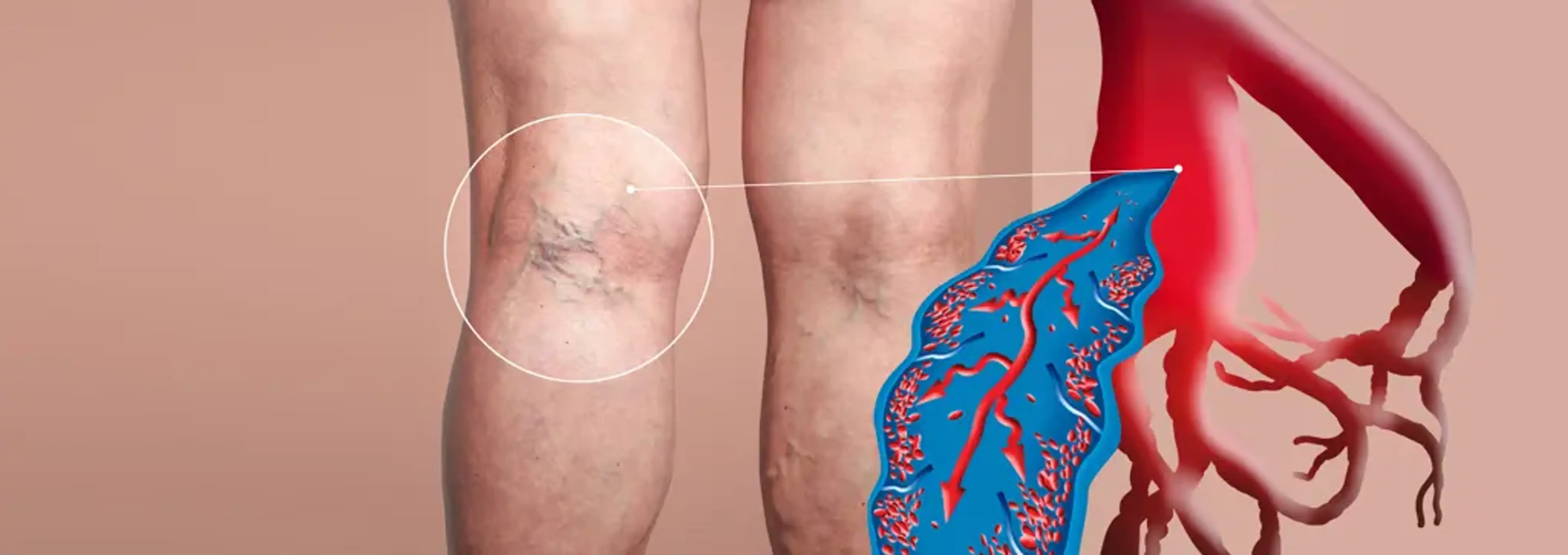
how-prolonged-sitting-leads-to-varicose-veinsVaricose veins are one of the most common conditions that arise from prolonged sitting. They occur when the veins become swollen, twisted, and enlarged due to blood pooling in the legs. This pooling happens because sitting for extended periods reduces the natural pumping action of the leg muscles, causing blood to remain in the veins.
The veins, which are not designed to hold this extra blood, begin to stretch and lose their elasticity. This results in the formation of varicose veins, which can be unsightly and cause discomfort. Over time, varicose veins can lead to more serious complications, such as ulcers or blood clots.
While sitting for long periods is a major contributing factor to the development of varicose veins, other factors can increase the risk, including genetics, pregnancy, obesity, and age. However, even if you have a genetic predisposition, the risks of developing varicose veins can be reduced by avoiding prolonged sitting and making small lifestyle changes.
At Charm Vascular Clinic, we offer a range of treatments to address varicose veins, including Endovenous Laser Ablation (EVLA), VenaSeal™, and Radiofrequency Ablation (RFA). These advanced, minimally invasive procedures are designed to close off damaged veins, rerouting blood flow to healthier veins and improving circulation in the process. Our expert team ensures that patients receive the most effective and personalized treatment options available.
Deep Vein Thrombosis (DVT): The Danger of Blood Clots
deep-vein-thrombosis-(dvt):-the-danger-of-blood-clotsOne of the most serious risks of prolonged sitting is the formation of blood clots, particularly in the deep veins of the legs. This condition is known as Deep Vein Thrombosis (DVT). When blood circulation is slowed due to inactivity, blood can pool in the veins, increasing the likelihood of clot formation.
DVT occurs when a clot forms in one of the deep veins, often in the lower legs or thighs. While the blood clot itself may not cause immediate symptoms, it can become life-threatening if it dislodges and travels to the lungs, leading to a condition called pulmonary embolism. Pulmonary embolism is a medical emergency and can be fatal if not treated quickly.
The risk of DVT is particularly high for individuals who spend extended periods sitting, such as those who are on long flights, work at desks for hours, or have sedentary lifestyles. In fact, research has shown that sitting for more than four hours at a time can significantly increase the risk of developing blood clots.
Fortunately, Charm Vascular Clinic provides expert diagnosis and treatment for DVT. Early detection is crucial in preventing complications. If you are experiencing swelling, pain, or redness in your legs after prolonged sitting, it’s important to seek medical attention immediately. Our clinic offers specialized care and treatment options that help reduce the risk of DVT and ensure a full recovery.
Chronic Venous Insufficiency (CVI) and the Effects of Sitting
chronic-venous-insufficiency-(cvi)-and-the-effects-of-sittingChronic Venous Insufficiency (CVI) is a condition that results from weakened or damaged veins that are unable to efficiently return blood to the heart. This often occurs when the valves in the veins become damaged or impaired, preventing proper blood flow and causing blood to pool in the veins.
Prolonged sitting contributes to the development of CVI by increasing pressure within the veins. As blood circulation slows down, the veins in the legs struggle to move blood upward to the heart. Over time, this leads to the weakening of the veins and their valves, which can result in CVI. Symptoms of CVI include leg swelling, discomfort, skin discoloration, and even the development of ulcers in severe cases.
CVI can be a chronic and progressive condition, and if left untreated, it can severely impact a person’s quality of life. The good news is that there are effective treatments available, especially when caught early. At
Charm Vascular Clinic, we offer a range of minimally invasive treatments for CVI, including
Endovenous Laser Ablation (EVLA),
Radiofrequency Ablation (RFA), and
sclerotherapy. These treatments target the affected veins, improving circulation and relieving symptoms associated with CVI.
Swollen Legs and Feet: A Common Sign of Sitting Too Much
swollen-legs-and-feet:-a-common-sign-of-sitting-too-muchSwelling in the legs and feet is a common complaint among individuals who spend long hours sitting, and it’s often one of the first signs that circulation is being compromised. When we sit for extended periods, blood flow to the lower extremities slows down. As a result, fluid can accumulate in the legs, leading to swelling, discomfort, and a feeling of heaviness.
This swelling, known as edema, occurs because the veins in the legs become overwhelmed by the pressure caused by sitting. Over time, the constant buildup of fluid can cause the veins to stretch, contributing to the development of varicose veins and other circulation-related problems.
While leg swelling caused by sitting is usually temporary and can be alleviated by standing up and moving around, it is important to address the underlying issue of poor circulation. If swelling becomes persistent or painful, it could be a sign of a more serious vein condition, such as Chronic Venous Insufficiency (CVI) or Deep Vein Thrombosis (DVT).
To prevent leg swelling and maintain healthy veins, Charm Vascular Clinic recommends regular movement throughout the day, elevating your legs when sitting, and practicing good posture. Our team can also provide personalized care and advice to help you manage swelling and prevent long-term vein problems.
Risk Factors for Vein Health Related to Sitting
risk-factors-for-vein-health-related-to-sittingWhile sitting for long periods is a major contributing factor to vein issues, other risk factors can exacerbate the problems caused by a sedentary lifestyle. These include:
Genetics: If you have a family history of varicose veins or other vein diseases, you may be more susceptible to developing similar conditions, especially if you sit for long periods.
Age: As we age, the elasticity of our veins decreases, making them more prone to weakening. Older adults who lead sedentary lifestyles are at higher risk of developing vein problems.
Obesity: Excess weight puts additional pressure on the veins, making it more difficult for blood to flow upwards. Being overweight can increase the likelihood of developing varicose veins and other circulation problems, especially if combined with prolonged sitting.
Pregnancy: Pregnant women are more likely to develop varicose veins due to the increased pressure on the veins caused by the growing uterus. Prolonged sitting can worsen these effects.
Hormonal Changes: Hormonal fluctuations, particularly in women, can weaken vein walls and valves, increasing the risk of varicose veins.
While you may not be able to control some of these risk factors, you can take proactive steps to reduce your chances of developing vein issues. Simple lifestyle changes like incorporating more movement into your day, losing weight, improving posture, and staying hydrated can make a significant difference in your vein health.
At Charm Vascular Clinic, we understand the unique factors that contribute to vein problems, and we offer personalized treatment plans designed to address your specific needs. Whether you’re dealing with varicose veins, swelling, or more serious conditions like DVT or CVI, our team is committed to providing the best care and treatment options to help you maintain healthy veins.
The Importance of Regular Movement for Vein Health
the-importance-of-regular-movement-for-vein-healthSimple movements throughout the day can significantly improve circulation and prevent vein problems. Standing up every 30–60 minutes, stretching, or walking for a few minutes gets your leg muscles working—pumping blood back toward your heart.
For people with sedentary jobs, setting reminders to move or using a standing desk can make a big difference. Even ankle circles or calf raises while sitting are beneficial. These micro-movements keep blood flowing and reduce the risk of vein damage.
At Charm Vascular Clinic, we encourage proactive vein health through lifestyle changes. Our team can guide you in combining movement strategies with clinical care to protect your veins long-term.
How Poor Posture While Sitting Affects Vein Health
how-poor-posture-while-sitting-affects-vein-healthPosture plays a surprisingly big role in vein circulation. Slouching or crossing your legs can compress veins, restricting blood flow. This leads to pooling and increased vein pressure, which can worsen varicose veins or cause new ones to form.
Keeping your feet flat on the ground, your back straight, and avoiding tight clothing can support healthy circulation. Ergonomic chairs and proper desk height also help maintain good posture during long hours of sitting.
Charm Vascular Clinic often educates patients on posture-related habits. Good sitting techniques, combined with medical treatment when needed, can enhance both comfort and vascular health.
Vein Disease Prevention: How to Protect Your Veins from Sitting Too Much
vein-disease-prevention:-how-to-protect-your-veins-from-sitting-too-muchPreventing vein disease starts with daily habits. Aside from regular movement and posture correction, other key prevention methods include staying hydrated, eating a low-sodium diet, and maintaining a healthy weight.
Compression stockings can also help, especially for those on long flights or sitting most of the day. They gently squeeze the legs to support vein function and reduce swelling.
Charm Vascular Clinic offers personalized assessments to evaluate vein health risks. With early screening and lifestyle adjustments, many vein issues can be prevented or managed before they become serious.
Signs You Need to See a Specialist: When Sitting Causes Serious Vein Problems
signs-you-need-to-see-a-specialist:-when-sitting-causes-serious-vein-problemsPersistent swelling, aching legs, visible bulging veins, or a feeling of heaviness are warning signs that sitting too much may be affecting your veins. Discoloration, itching, or skin ulcers may indicate more advanced vein disease.
These symptoms should not be ignored. Early intervention can prevent complications like blood clots or skin breakdown.
At Charm Vascular Clinic, our specialists provide thorough evaluations using vascular ultrasound and non-invasive tests. If you’ve noticed any of these signs, our team can guide you toward safe, effective solutions.
The Role of Compression Therapy in Preventing and Treating Vein Conditions
the-role-of-compression-therapy-in-preventing-and-treating-vein-conditionsCompression therapy is a non-invasive method to improve blood flow and alleviate symptoms related to poor circulation. Compression stockings apply gentle pressure to the legs, helping veins and muscles push blood back toward the heart. This treatment is especially useful for preventing or managing varicose veins and swelling.
For individuals who sit for long periods, compression stockings can be particularly helpful in reducing swelling, discomfort, and fatigue. Wearing them during the day can maintain vein health and prevent the progression of vein diseases.
At
Charm Vascular Clinic, we recommend
compression therapy as part of a comprehensive approach to vein care. Whether as a preventative measure or an adjunct to other treatments, compression stockings can offer relief and prevent further vein issues.
Treatment Options at Charm Vascular Clinic
treatment-options-at-charm-vascular-clinicIf you’re already experiencing vein issues due to prolonged sitting, there are several treatment options available at Charm Vascular Clinic. Our clinic specializes in advanced, minimally invasive treatments such as Endovenous Laser Ablation (EVLA), VenaSeal™, and Radiofrequency Ablation (RFA). These treatments target problematic veins, helping to close them off and reroute blood to healthier veins.
For smaller veins,
sclerotherapy is an effective solution. This procedure involves injecting a solution that causes veins to collapse and fade over time. All of these
treatments require minimal downtime, allowing you to return to your daily activities quickly.
Our expert team at Charm Vascular Clinic is committed to providing personalized care and selecting the right treatment plan to help you restore healthy circulation and improve your quality of life.
Conclusion
conclusionThe risks of sitting too much on vein health are real, but with the right approach, you can prevent and treat the problems caused by prolonged sitting. Regular movement, good posture, and wearing compression stockings can help protect your veins, while seeking treatment early can prevent more serious conditions.
If you’re experiencing vein-related issues or want to learn more about how to protect your veins, Charm Vascular Clinic is here to help. With cutting-edge treatments and expert care, we provide tailored solutions to ensure your veins stay healthy, even if you have a sedentary lifestyle.
Don’t wait for symptoms to worsen—take control of your vein health today with Charm Vascular Clinic.