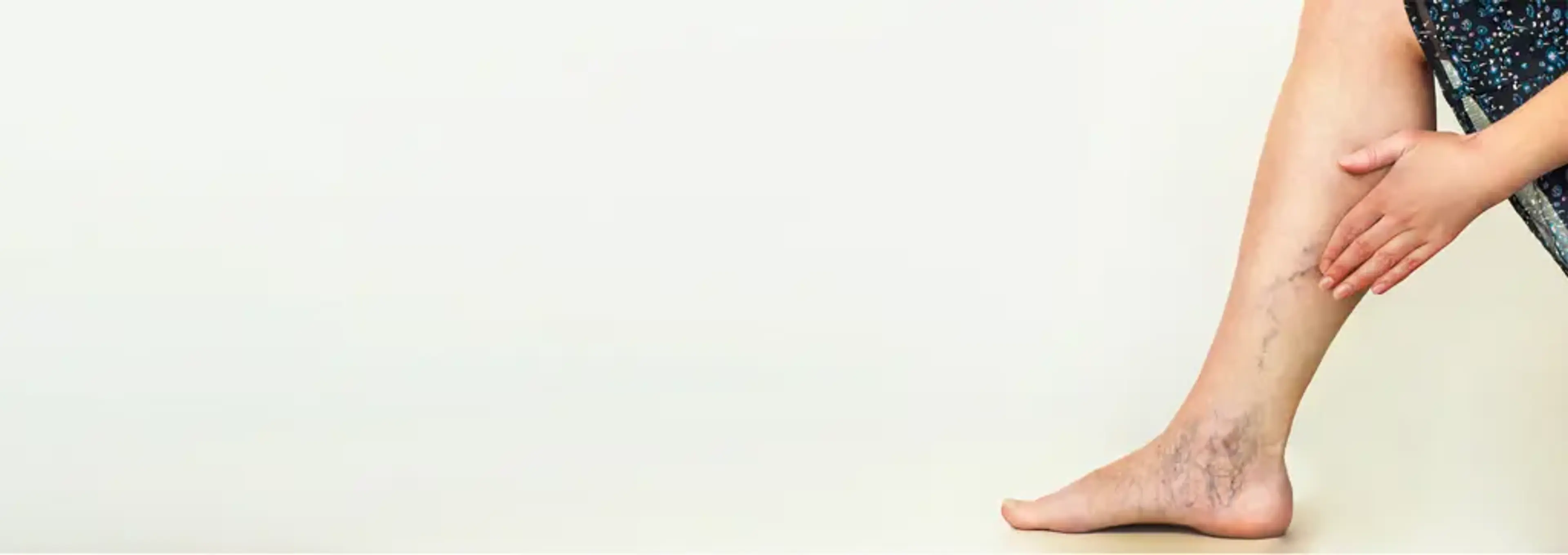
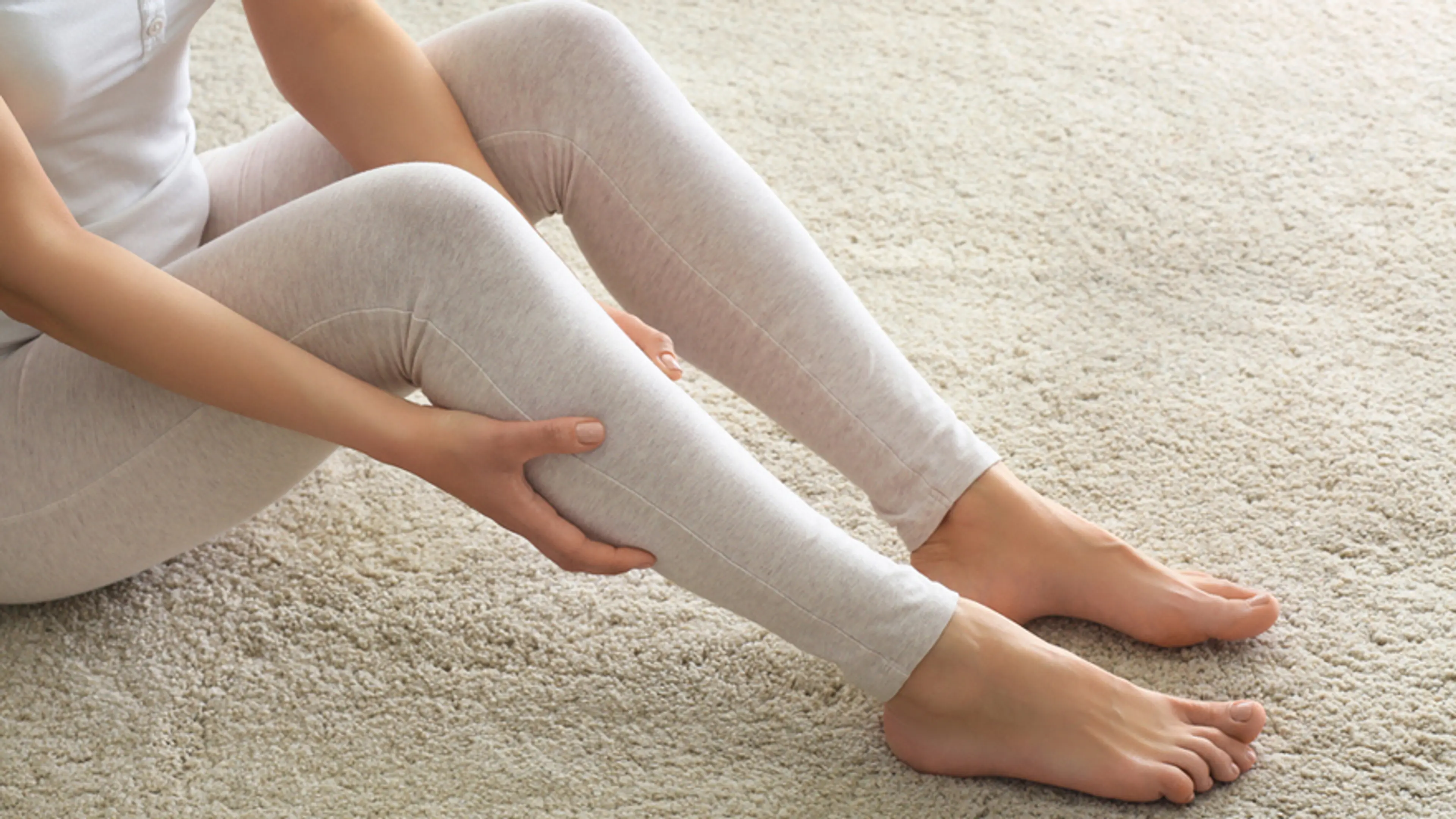
After a long day at work or hours of standing, it’s natural to feel some tiredness in your legs. Most of us shrug it off, blaming fatigue, age, or even lack of exercise. But what if that heaviness you feel in your legs isn’t just ordinary tiredness?
At Charm Vascular Clinic, we often meet patients who describe their legs as “weighed down,” “tight,” or “aching.” Many are surprised to learn that these sensations can be early warning signs of a vascular condition — most commonly chronic venous insufficiency (CVI) or varicose veins.
The truth is, heavy legs aren’t always a sign of general fatigue. In many cases, it’s your body’s way of signaling that the veins in your legs aren’t working efficiently. Understanding what’s really behind that sluggish, tired sensation is the first step to finding long-term relief.
Why Do Legs Feel Heavy in the First Place?
why-do-legs-feel-heavy-in-the-first-placeYour legs are engineered to work against gravity all day. The veins inside your legs are responsible for pushing deoxygenated blood back up toward the heart. To do this efficiently, the veins rely on a system of tiny one-way valves. These valves open to allow blood flow upward, then snap shut to prevent it from flowing back down.
But over time — due to genetics, pregnancy, prolonged standing, aging, or lack of exercise — these valves can weaken. When this happens, blood begins to pool in the lower legs, a condition known as venous reflux. This pooling increases pressure in the veins and surrounding tissues, leading to that sensation of heaviness, tightness, or aching.
Think of it like a set of escalators in a shopping mall. If the gears lose strength, people (in this case, blood) get stuck at the bottom. There’s a backup, congestion, and eventually — discomfort.
Clinical Insight:
clinical-insight:In many cases, heaviness is one of the first symptoms of developing venous disease. Unlike sharp pain or visible swelling, heaviness is subtle — but it signals early-stage dysfunction in venous return. This makes it an important early detection sign for vascular specialists.
The Subtle Difference Between Fatigue and a Vascular Problem
the-subtle-difference-between-fatigue-and-a-vascular-problemTo be honest, it’s easy to mistake vascular heaviness for simple tiredness. Many patients say: “I thought it was just because I walked too much,” or “Maybe I’m just getting older.”
The difference lies in how the symptoms behave and persist over time:
| General Fatigue | Venous Heaviness |
|---|
Relief with rest? | Yes | Often no |
Worse after standing/sitting long? | Not usually | Frequently yes |
Visible skin or vein changes? | No | Often yes |
Nighttime leg cramps/restlessness? | Occasionally | Common |
Associated with swelling? | Rare | Very common |
What to Watch For:
what-to-watch-for:A dragging or dull ache that sets in as the day goes on
Swelling around the ankles, especially in the evening
Restless legs or a feeling of “tension” at night
Itchiness, dry skin, or darkened patches near the shins
Visible spider veins or bulging varicose veins
In Korea, where many people work long hours on their feet — whether in retail, manufacturing, or education — these symptoms are easily brushed off. But when heaviness becomes chronic, it’s time to look deeper.
Why Ignoring Leg Heaviness Can Be Risky
why-ignoring-leg-heaviness-can-be-riskyWhile not every case of heavy legs points to a serious disease, it’s important to recognize the potential for progression. Chronic Venous Insufficiency (CVI) is a progressive condition. If untreated, it doesn’t just remain an annoyance — it can lead to complications that affect your quality of life.
Common Progression Path:
common-progression-path:Stage 1: Heaviness, mild swelling, minor discomfort
Stage 2: Visible varicose veins, leg cramps, skin sensitivity
Stage 3: Skin pigmentation, eczema, inflammation
Stage 4: Venous ulcers, skin breakdown, chronic wounds
Venous ulcers — open sores that develop due to poor circulation — are notoriously difficult to heal and can last for months without specialized care.
Real-World Insight:
real-world-insight:At Charm Vascular Clinic, we’ve seen patients delay care for months or even years, thinking their symptoms were “normal.” By the time they visit us, they’re often shocked by how advanced the condition has become. Early treatment can prevent these outcomes.
Modern Solutions: Relief Without Traditional Surgery
modern-solutions:-relief-without-traditional-surgeryIn the past, treating varicose veins or venous insufficiency often meant invasive surgery with long recovery times. But today, minimally invasive procedures have changed the landscape entirely — and South Korea is at the forefront of this evolution.
At Charm Vascular Clinic, we specialize in cutting-edge, outpatient procedures that close or reroute dysfunctional veins — restoring proper blood flow without major surgery or hospitalization.
Treatment Options:
treatment-options:🔹 Endovenous Laser Ablation (EVLA)
endovenous-laser-ablation-(evla)
Uses controlled laser energy delivered inside the vein to heat and seal it shut. Performed under local anesthesia. Most patients return to normal activity the next day.
🔹 Radiofrequency Ablation (RFA)
radiofrequency-ablation-(rfa)Similar to EVLA, but uses radiofrequency energy to heat the vein walls. It’s precise, fast, and very effective — often used for larger varicose veins.
🔹 VenaSeal™ Closure System
venasealtm-closure-systemA medical adhesive that seals the vein with no heat or incisions. Ideal for patients who want no compression stockings and minimal downtime. Especially useful during hot summers in Korea, when compression garments can be uncomfortable.
Each procedure is selected based on the patient’s anatomy, symptoms, and lifestyle needs. At our clinic, we always prioritize personalized treatment plans, not one-size-fits-all solutions.
What People Often Don’t Realize:
what-people-often-don't-realize:These treatments do not remove the veins but instead close off the faulty ones, allowing your body to reroute blood through healthier pathways. And since only the non-functioning veins are treated, your overall circulation actually improves.
When Should You Seek Help?
when-should-you-seek-help
If your legs often feel heavy — especially in the late afternoon or after standing — don’t assume it’s just “lifestyle stress.” Venous disease is very treatable, but it requires a proper diagnosis.
Consider a consultation if you notice:
Persistent leg heaviness
Swelling or tightness that gets worse throughout the day
Visible varicose veins, especially if they are painful or bulging
Discoloration or dryness around the ankles
Restless legs or nighttime cramping
At Charm Vascular Clinic in Seoul, we use ultrasound vein mapping to evaluate the exact cause of your symptoms. Our experienced vascular surgeon, Dr. Insoo Park, will explain your condition in detail and recommend a step-by-step care plan — whether you need conservative treatment like compression therapy or a minimally invasive intervention.
Final Thought: Don’t Let Heaviness Become a Habit
final-thought:-don't-let-heaviness-become-a-habitHeavy legs are not something you need to accept as “just tiredness” or “part of aging.” They may be telling you that your veins are struggling to do their job. And the good news? With modern vascular care, you can treat the root of the issue — often in under an hour.
✨ Your legs carry you through life — they deserve care, not compromise.
Need Help?
need-helpIf you’ve been struggling with persistent leg heaviness, discomfort, or swelling, don’t wait. Early intervention can prevent complications and improve your long-term leg health.
🔹 Visit Charm Vascular Clinic in Seoul for a personalized vein evaluation
🔹 Ask about minimally invasive options like EVLA, RFA, or VenaSeal™
🔹 Call us today to schedule a consultation with Dr. Insoo Park
Let your legs feel light again — the way they’re meant to.