Introduction
arteriovenous-graft-placement-for-dialysis:-what-you-should-expectIf you or a loved one is preparing for dialysis, you may have heard of an “arteriovenous graft,” often shortened to AV graft. It’s not just a medical term — it’s a lifeline for many patients with kidney failure. At Charm Vascular Clinic in Seoul, we frequently meet patients who come in overwhelmed, unsure, and anxious about what this procedure involves. So let’s break it down clearly, honestly, and with the warmth and precision you deserve.
Why Dialysis Needs a Special Access Point
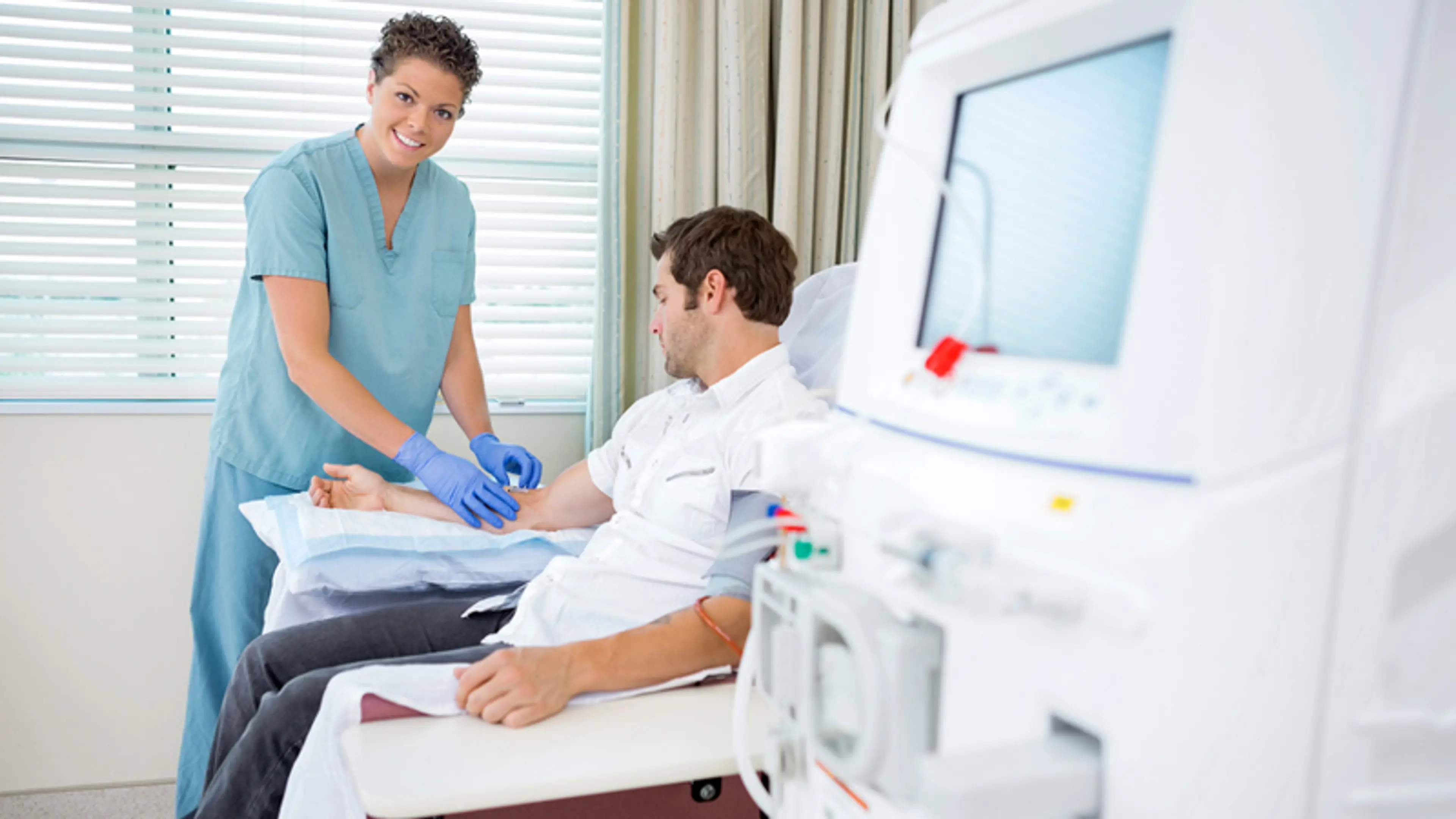
why-dialysis-needs-a-special-access-pointDialysis isn’t just a machine cleaning your blood — it’s a highly technical process that requires repeated access to your bloodstream, often several times a week. But here’s the thing: our natural veins weren’t built for this kind of regular stress. Trying to use a regular IV site over and over again can lead to vein collapse, scarring, or infection.
That’s where vascular access comes in. It’s like building a custom, durable pathway for dialysis — something strong enough to handle repeated use, yet gentle enough not to damage your veins. Among the three main options — fistula, graft, and catheter — AV grafts offer a middle-ground solution for patients whose veins aren’t suitable for a fistula.
Let’s break it down:
Fistula (AVF): The gold standard when possible — connects your artery and vein directly, using your own vessels.
Graft (AVG): Uses a soft synthetic tube to connect the artery and vein — suitable for patients with small or damaged veins.
Catheter: Inserted into a central vein (often the neck), this is usually a temporary option due to higher infection risks.
What Exactly Is an Arteriovenous Graft?
what-exactly-is-an-arteriovenous-graft
Imagine a short bridge connecting an artery to a vein under your skin, usually in your arm. That’s essentially what an AV graft is. Instead of relying solely on your natural blood vessels (as with an AV fistula), the surgeon places a synthetic tube, typically made of a soft, biocompatible material like PTFE (polytetrafluoroethylene), to link the artery and vein directly.
Once implanted, this graft allows high-pressure blood from your artery to flow swiftly into your vein, creating a robust site where dialysis needles can safely access your bloodstream.
The placement is usually just beneath the skin, making it easier to access and less likely to move compared to catheters. It can be placed in the upper arm, forearm, thigh, or even chest depending on your anatomy and previous procedures.
Why Choose a Graft Instead of a Fistula?
why-choose-a-graft-instead-of-a-fistulaTo be honest, most vascular surgeons — including Dr. Insoo Park here at Charm Vascular Clinic — generally prefer an AV fistula when possible. It uses your own tissue and tends to last longer with fewer complications. But in the real world, not every patient’s veins are ideal.
A graft becomes the preferred option in situations such as:
Veins that are too narrow or scarred
Patients needing dialysis access urgently (grafts mature faster than fistulas)
Patients who’ve had previous fistulas that failed
People with other vascular conditions or previous surgeries affecting the arms
While AV fistulas can take 6–12 weeks (or more) to mature, AV grafts are often ready in 2–4 weeks, making them a practical option for many dialysis patients.
It’s not just a compromise — it’s a solution tailored to real-world needs.
What to Expect: Before, During, and After Surgery
what-to-expect:-before-during-and-after-surgeryLet’s walk through the AV graft placement process as we explain it to our patients at Charm Vascular Clinic:
1. Preoperative Evaluation
1.-preoperative-evaluationThis stage is as important as the surgery itself. A detailed vein mapping ultrasound is done to assess your blood vessels — their size, depth, and quality. We also consider your dominant hand, any past surgeries or scars, and your dialysis schedule.
We’ll also check your general health status — things like diabetes control, heart function, and medication use. It’s a holistic review because the success of a graft depends not just on surgery, but on your body’s ability to support it.
Patients often ask, “Can I choose where the graft goes?” — and the answer is: we work with you. Our goal is to find the safest, most durable site that fits your lifestyle.
2. The Surgery Itself
2.-the-surgery-itselfThe procedure takes 1–2 hours and is usually done under local anesthesia with light sedation, though general anesthesia may be used in certain cases.
Here’s what happens:
A small incision is made, often in the arm.
The artery and vein are identified.
The synthetic graft is tunneled under the skin and connected to both vessels.
Blood flow is checked before closing the incision.
Patients often say the most surprising part is how minimal the procedure feels — no large cuts, no hospital stay. At Charm Vascular Clinic, we use advanced minimally invasive techniques to reduce trauma and recovery time.
3. Recovery & Follow-Up
3.-recovery-and-follow-upMost patients go home the same day or the next. Pain is usually mild and can be managed with over-the-counter medications.
We’ll schedule a follow-up visit within a few days to ensure the graft is functioning well. You’ll also be trained to:
Check the “thrill”: a vibration you can feel over the graft — this means blood is flowing well.
Avoid pressure: No blood draws, IVs, or blood pressure cuffs on that arm.
Keep it clean: Infection control starts with simple hygiene and observation.
The graft is usually usable within 2–4 weeks, though in emergencies, it may be used earlier with caution.
What Are the Risks and Complications?
what-are-the-risks-and-complications
No surgery is risk-free, but understanding potential complications helps you act early — and that's where outcomes improve.
Common Complications:
common-complications:Infection: Because the graft is synthetic, it’s slightly more prone to infection than a fistula. Signs include redness, warmth, discharge, and fever.
Thrombosis (Clotting): If the blood flow slows or narrows, clots can form inside the graft. These are often treated with angioplasty or thrombolysis.
Stenosis (Narrowing): Scar tissue can build up near the graft’s connection points, causing reduced flow and inefficient dialysis.
Steal Syndrome: Rare, but serious — occurs when too much blood flows into the graft, depriving the hand of circulation. Symptoms include pain, cold fingers, or numbness.
At Charm Vascular Clinic, our post-op monitoring system is designed to catch issues early. We use duplex ultrasound and clinical exams to detect subtle changes in flow — often before symptoms arise.
Our team also works closely with your dialysis center. Many patients don’t realize this, but good communication between your dialysis nurse and vascular surgeon can literally save your access from failure.
How Long Do AV Grafts Last?
how-long-do-av-grafts-lastThis varies widely depending on multiple factors — your health, how well the graft was placed, your dialysis center’s technique, and how actively issues are managed.
On average:
on-average:Grafts tend to require more maintenance than fistulas, but they’re also more durable than catheters, especially for long-term dialysis.
The most important takeaway? Maintenance matters. Keep an eye on any changes — prolonged bleeding after dialysis, swelling, or loss of thrill — and report them immediately.
What Makes Charm Vascular Clinic Different?
what-makes-charm-vascular-clinic-differentHere in Gwanak-gu, Seoul, we’re proud to serve a diverse community of patients — from elderly individuals managing complex chronic diseases, to younger adults suddenly thrust into kidney failure.
Led by Dr. Insoo Park, Charm Vascular Clinic offers:
Minimally invasive techniques that reduce scarring and recovery time
Real-time ultrasound guidance during procedures for precision
Rapid intervention options (angioplasty, stent placement, or revision) on-site
Integrated communication with your nephrologist and dialysis center
We don’t just place a graft and send you off — we build a long-term vascular care plan that evolves with you. Whether you need a touch-up, reoperation, or emergency salvage procedure, our team is equipped to act quickly and decisively.
And above all? We listen. We explain. We never rush you into decisions you don’t understand.
Final Thoughts: Is an AV Graft Right for You?
final-thoughts:-is-an-av-graft-right-for-youIf you’ve been told you need an AV graft, it’s normal to feel uncertain. It’s a big step, but it’s also a bridge to life — a stable, functional access that can keep you on dialysis safely while preserving your options for the future.
The key is working with a vascular team that understands the nuances of your case — not just your vessels, but your daily life, your fears, your hopes.
If you’re considering AV graft placement or have questions about dialysis access, Charm Vascular Clinic offers personalized consultations right here in Seoul. Let’s talk about your options, your timeline, and your health — with no pressure, just clarity.
Need help deciding on the best dialysis access for you?
Visit Charm Vascular Clinic in Gwanak-gu or schedule a consultation to get expert advice from a team that specializes in vascular health — and patient care that goes far beyond the operating table.