Home / Articles
Best Exercises to Keep Your Veins Healthy and Prevent Varicose Veins
Home / Articles
Best Exercises to Keep Your Veins Healthy and Prevent Varicose Veins
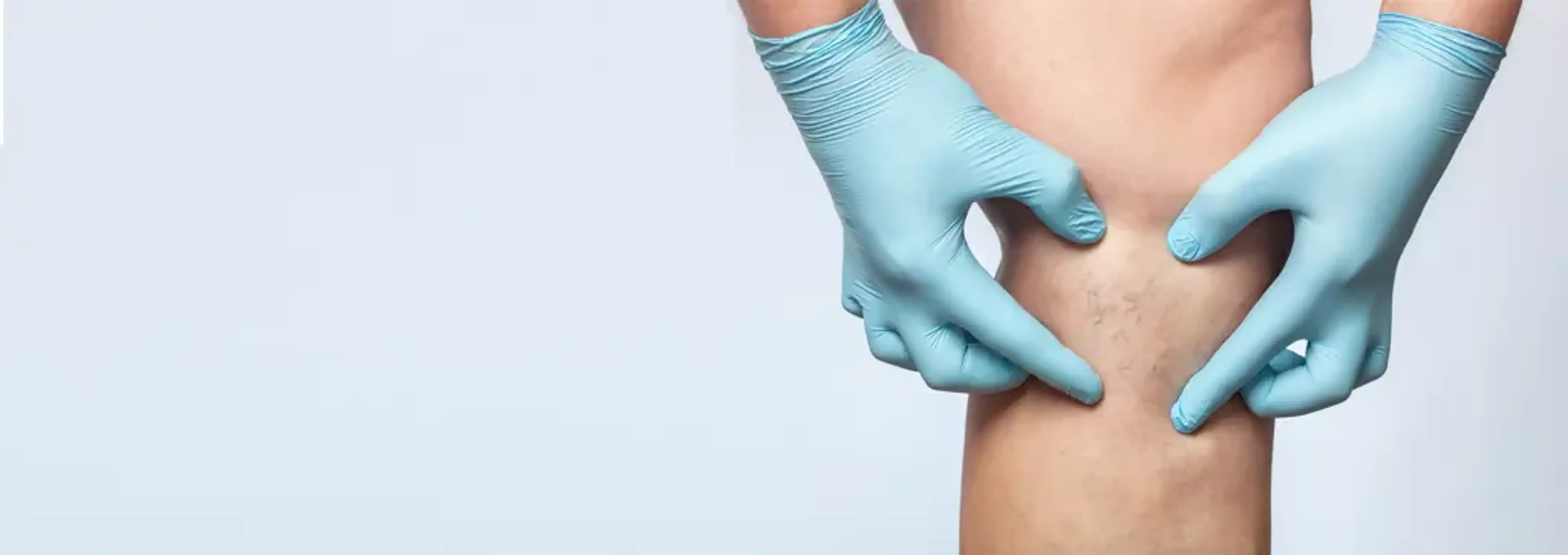
Varicose veins aren’t just a cosmetic concern; they can lead to discomfort, swelling, and, in some cases, more severe vascular issues if not addressed. These swollen, twisted veins are common in the legs and occur when veins weaken, causing blood to pool. Fortunately, exercise plays a pivotal role in both preventing and managing varicose veins.
When you engage in physical activity, muscle contractions help push blood upwards toward the heart, improving circulation and reducing pressure on your veins. For those at risk of varicose veins—whether due to genetics, lifestyle, or occupation—regular exercise is one of the most effective strategies to support healthy veins and reduce the risk of this condition. This article explores the best exercises to keep your veins healthy, promote circulation, and prevent varicose veins from developing.
Physical activity is crucial for vein health because it improves circulation and strengthens the muscles that support your veins, especially in the legs. When you move, your muscles contract, helping to push blood through the veins and back to the heart, preventing blood from accumulating in the lower legs—a primary cause of varicose veins.
Whether through structured exercise or simple daily activities like walking, staying active is essential for maintaining healthy veins.
Several exercises specifically improve circulation and help prevent varicose veins. Below are some of the most beneficial exercises to include in your routine for healthier veins:
Walking is one of the easiest and most effective exercises for improving circulation and engaging your leg muscles. It’s also a low-impact activity, making it ideal for people of all fitness levels. Aim for at least 30 minutes of brisk walking each day to boost circulation and keep your veins in optimal condition.
Cycling—whether on a stationary bike or outdoors—strengthens leg muscles, improves circulation, and alleviates vein pressure. This exercise is particularly beneficial for individuals with existing vein concerns, as it allows for leg strengthening without stressing the veins. It also provides cardiovascular benefits that support overall vein health.
Swimming is another low-impact exercise that strengthens leg muscles and improves circulation. The buoyancy of the water reduces pressure on the veins, making it an excellent choice for people with existing vein issues. It also provides a full-body workout that engages multiple muscle groups while enhancing heart health.
Leg raises improve venous return by promoting blood flow from the legs back to the heart. Lie on your back and raise your legs to a 45-degree angle, holding them for 5–10 seconds. This exercise helps prevent blood pooling in the legs, a common contributor to varicose veins.
Calf raises help strengthen the calf muscles, which are crucial for improving blood flow upwards through the veins. To perform this exercise, stand with your feet flat on the ground, then raise your heels, coming onto the balls of your feet. Hold briefly before lowering. Perform 15–20 repetitions several times a day to improve circulation and leg strength.
These exercises engage muscles, promote blood flow, and strengthen veins—critical components for preventing varicose veins.
In addition to cardiovascular exercises, strengthening your legs is essential for improving circulation and supporting vein function. Stronger muscles assist veins in moving blood upwards, reducing pressure and the risk of varicose veins.
Squats strengthen the quadriceps, hamstrings, calves, and core—all essential for maintaining good circulation in the legs. They also improve overall posture, which is key for optimal vein health. Start with bodyweight squats and increase repetitions as your strength improves.
Lunges target the muscles in your legs and hips, helping to improve circulation in the lower body. By engaging the calves and thighs, lunges support healthy blood flow and reduce the risk of varicose veins. Perform lunges by stepping forward with one leg, lowering your body until both knees form 90-degree angles, and then returning to the standing position.
Using a leg press machine at the gym, you can target the major muscles in your legs, including the quads, hamstrings, and calves. This exercise enhances circulation and strengthens the muscles that support the veins.
Incorporating these strengthening exercises into your routine improves blood flow efficiency, reduces vein pressure, and enhances elasticity—key factors in preventing varicose veins.
Stretching is essential for maintaining flexibility and promoting healthy circulation, both of which are important for vein health. Tight muscles can obstruct blood flow, leading to poor circulation and increased pressure on the veins. Regular stretching helps reduce muscle stiffness, encouraging smooth blood flow throughout your body.
A calf stretch helps reduce pressure on the veins in your legs. Stand facing a wall, place one foot behind the other, and gently lean forward, keeping your back leg straight. You should feel a stretch in your calf. Hold for 20–30 seconds, then switch legs.
Tight hamstrings can contribute to poor posture and blood pooling in the legs. Stretch your hamstrings by standing with one leg extended forward, toes pointed upward, and leaning gently forward from your hips. Keep your back straight and hold the stretch for 20–30 seconds.
Tight hip flexors from prolonged sitting can restrict circulation. Kneel on one knee with the other foot forward and gently push your hips forward to stretch the hip flexors. This will improve posture and circulation to your legs.
Yoga poses like downward dog, forward fold, and leg stretches help increase blood flow to the legs, relieve muscle tension, and improve vein health. Incorporating yoga into your routine can enhance flexibility and circulation, making it a powerful tool for vein health.
Maintaining healthy veins requires a combination of regular exercise and an active lifestyle. Incorporating cardio, strength training, and stretching exercises into your routine can significantly improve circulation, reduce the risk of varicose veins, and enhance overall vein health.
Even if you're at risk of developing varicose veins due to family history or lifestyle, exercise remains one of the most effective ways to manage and prevent the condition. By proactively including daily physical activity and incorporating movement breaks throughout your day, you can protect your veins and keep them healthy for years to come.
Start today by adding some of these exercises to your routine. Your veins will thank you.