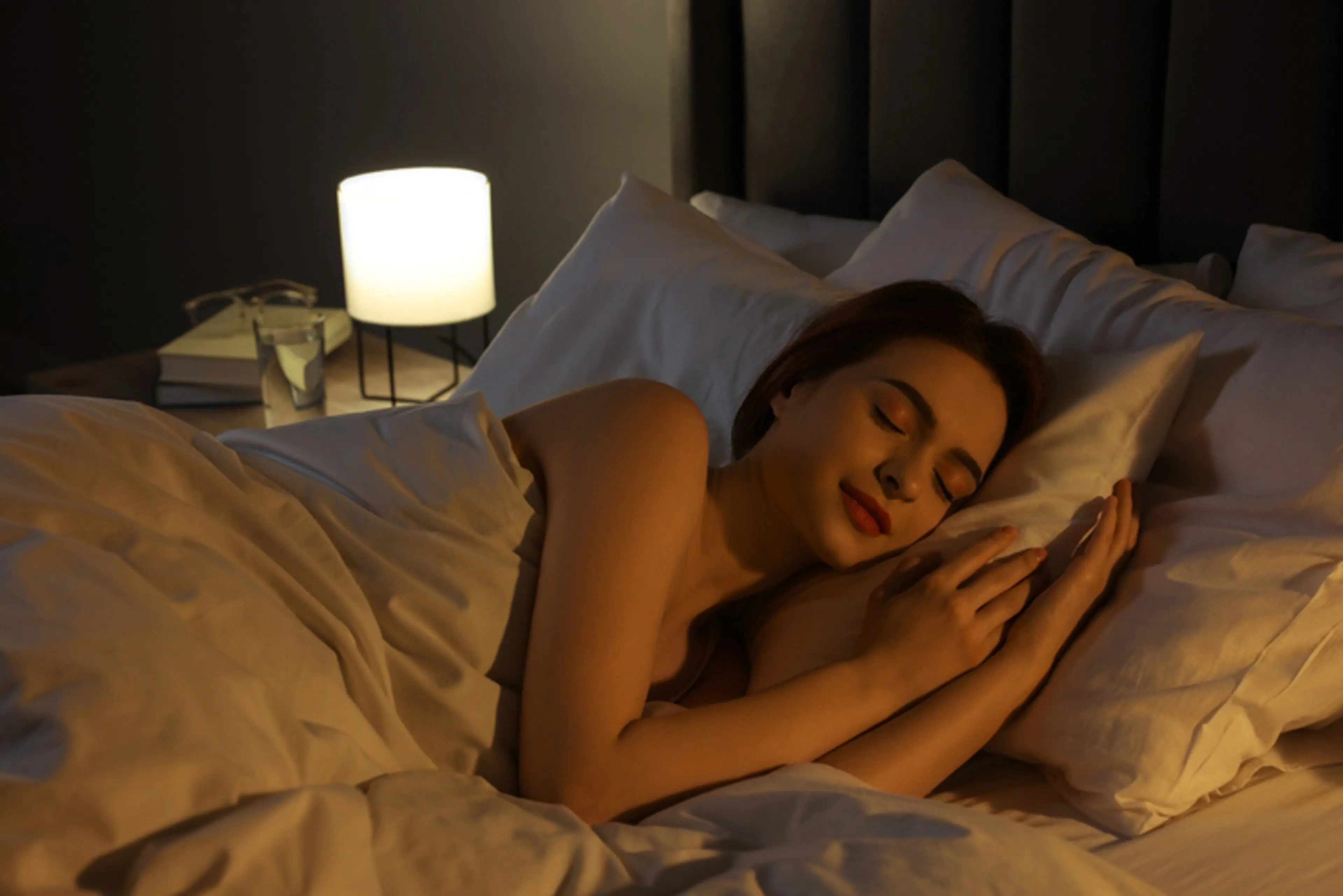
Sleep Isn’t Just About Rest — It’s About Circulation
sleep-isn't-just-about-rest-it's-about-circulationWhen you think about your blood circulation, what comes to mind? Probably things like walking more, stretching, or maybe eating better. But here’s something that surprises many of our patients: the way you sleep plays a major role in your vein health.
At Charm Vascular Clinic here in Seoul, we treat countless patients dealing with varicose veins, chronic venous insufficiency (CVI), and leg swelling. And one of the questions we often get — especially from people who feel heavy, achy legs at night — is this:
“Is there a better way to sleep to help my veins?”
The answer is yes. In fact, how you position your legs and body during those 6–8 hours of sleep can either support healthy blood flow… or quietly make things worse.
Let’s walk through what’s happening in your veins during sleep — and what positions vascular surgeons like us actually recommend.
Why Sleeping Position Matters for Circulation
why-sleeping-position-matters-for-circulationYour circulatory system is always working, even when you’re fast asleep. But when you lie down, gravity stops helping blood drain from your legs. That’s why people with vein issues often experience worsened symptoms at night — heaviness, throbbing, or even cramps.
In a healthy vein, small one-way valves help push blood upward toward the heart. But in cases of venous insufficiency or varicose veins, those valves become leaky. Blood starts to pool in the lower legs, especially after long periods of inactivity — like sleeping.
Sleeping position becomes crucial because certain postures can:
Reduce pressure on veins (especially large ones like the inferior vena cava)
Prevent blood pooling in the lower extremities
Encourage natural drainage through lymphatic and venous systems
So let’s talk strategy.
The Best Sleeping Positions for Vein Support
the-best-sleeping-positions-for-vein-support1. Left Side Sleeping with Slight Leg Elevation
1.-left-side-sleeping-with-slight-leg-elevationIf there’s one position that consistently wins for circulation, especially in patients with CVI or varicose veins, it’s this: lying on your left side with legs slightly elevated.
Why it works:
why-it-works:It relieves pressure on the inferior vena cava — the major vein that returns blood from your lower body to your heart.
It promotes lymphatic drainage, helping reduce fluid retention.
For pregnant women (who are at higher risk of varicose veins), this position is strongly recommended for both mother and baby.
💡 From Our Clinic: We often suggest placing a firm pillow or wedge under the calves and knees, not just the ankles. This offers stable support and reduces tension in the lower back.
2. Back Sleeping with Legs Elevated Above Heart Level
2.-back-sleeping-with-legs-elevated-above-heart-levelSleeping on your back (supine) with your legs slightly raised — ideally around 10–15 cm — is also beneficial for promoting venous return.
Pros:
pros:Gravity helps drain pooled blood from the lower extremities.
Reduces leg swelling and nighttime cramping.
Good for people with bilateral vein issues (both legs).
That said, this position isn’t ideal for everyone. People with sleep apnea or chronic snoring may find back sleeping uncomfortable or disruptive to breathing.
3. Avoid: Stomach Sleeping
3.-avoid:-stomach-sleepingWe’ll be direct — if you’re dealing with vein issues, stomach sleeping is the worst position for circulation.
Here's why:
here's-why:It compresses abdominal veins, reducing blood return from the legs.
It often requires turning the neck and torso, which can misalign the spine and affect vascular flow.
It offers no elevation or gravity assistance.
If you’re used to sleeping this way, start by transitioning with a body pillow to help you stay on your side during the night. It can take a few weeks, but your legs (and veins) will thank you.
Elevating the Legs: A Nighttime Circulation Hack
elevating-the-legs:-a-nighttime-circulation-hackThis one change alone can transform your sleep if you have vein-related symptoms. By elevating your legs above heart level, you assist the veins in moving blood back up to the heart.
It’s like giving your vascular system a head start.
Tips for Elevation:
tips-for-elevation:Use a wedge pillow or firm cushion under the calves, not just ankles.
Aim for a gentle incline — too high and you risk hyperextending the knees or kinking the veins.
Avoid stacking soft pillows, which can shift during the night.
We’ve had patients at Charm report that after just a week of sleeping with elevated legs, their morning swelling was dramatically reduced.
More Bedtime Tips for Vein Health
more-bedtime-tips-for-vein-healthEven small tweaks to your nighttime habits can help:
Avoid tight pajamas or elastic bands around the legs.
Wear compression stockings during the day, but take them off before sleeping unless prescribed otherwise.
Stay hydrated, especially in winter or heated rooms. Dehydration can thicken blood slightly and affect flow.
Stretch your calves before bed — think ankle circles, toe points, and gentle leg raises.
In Korea’s hot summers, some of our patients find relief with a cool foot rinse or leg massage before bed to calm inflammation and discomfort.
If Sleep Position Isn’t Enough: Know the Signs
if-sleep-position-isn't-enough:-know-the-signs
Let’s be clear — while changing your sleep posture can help reduce symptoms, it’s not a fix for deeper venous issues.
If you experience:
Persistent morning swelling in the ankles or calves
Nighttime leg cramps or restlessness
Skin discoloration around the ankles
Itching, heaviness, or throbbing that keeps you awake
…it may be a sign of chronic venous insufficiency or progressing varicose veins. These symptoms are more than discomfort — they’re signals that your veins are under stress.
And the good news is: modern treatment is nothing like the old vein stripping surgeries of the past.
How Minimally Invasive Treatments Improve Sleep
how-minimally-invasive-treatments-improve-sleep
At Charm Vascular Clinic, we specialize in non-surgical procedures that target the source of venous problems:
Endovenous Laser Ablation (EVLA)
Radiofrequency Ablation (RFA)
VenaSeal™ (medical adhesive closure)
These treatments seal off damaged veins and redirect blood flow to healthy vessels, reducing pressure and swelling. And they’re all day procedures — no hospitalization, no general anesthesia.
What we often hear post-treatment is:
“For the first time in years, I slept through the night without leg pain.”
It’s not magic — it’s science, applied precisely.
Final Thoughts: Let Sleep Work in Your Favor
final-thoughts:-let-sleep-work-in-your-favorYour body wants to heal. And sleep is one of the best times for it to do that. But only if you give it the right conditions.
If your legs are restless, swollen, or aching at night, don’t ignore the signals. Adjusting your sleep position is a good first step — but if discomfort continues, it's time for a vascular checkup.
At Charm Vascular Clinic, we combine advanced diagnostic imaging with customized treatment plans. We don’t just look at your veins — we look at your life. Your comfort. Your sleep. Your long-term health.
If your sleep is suffering due to vein issues, visit a vascular center that understands the full picture. A consultation at Charm Vascular Clinic might be the beginning of better nights — and better days.