Home / Articles
Can Losing Weight Prevent Varicose Veins? Expert Advice
Home / Articles
Can Losing Weight Prevent Varicose Veins? Expert Advice
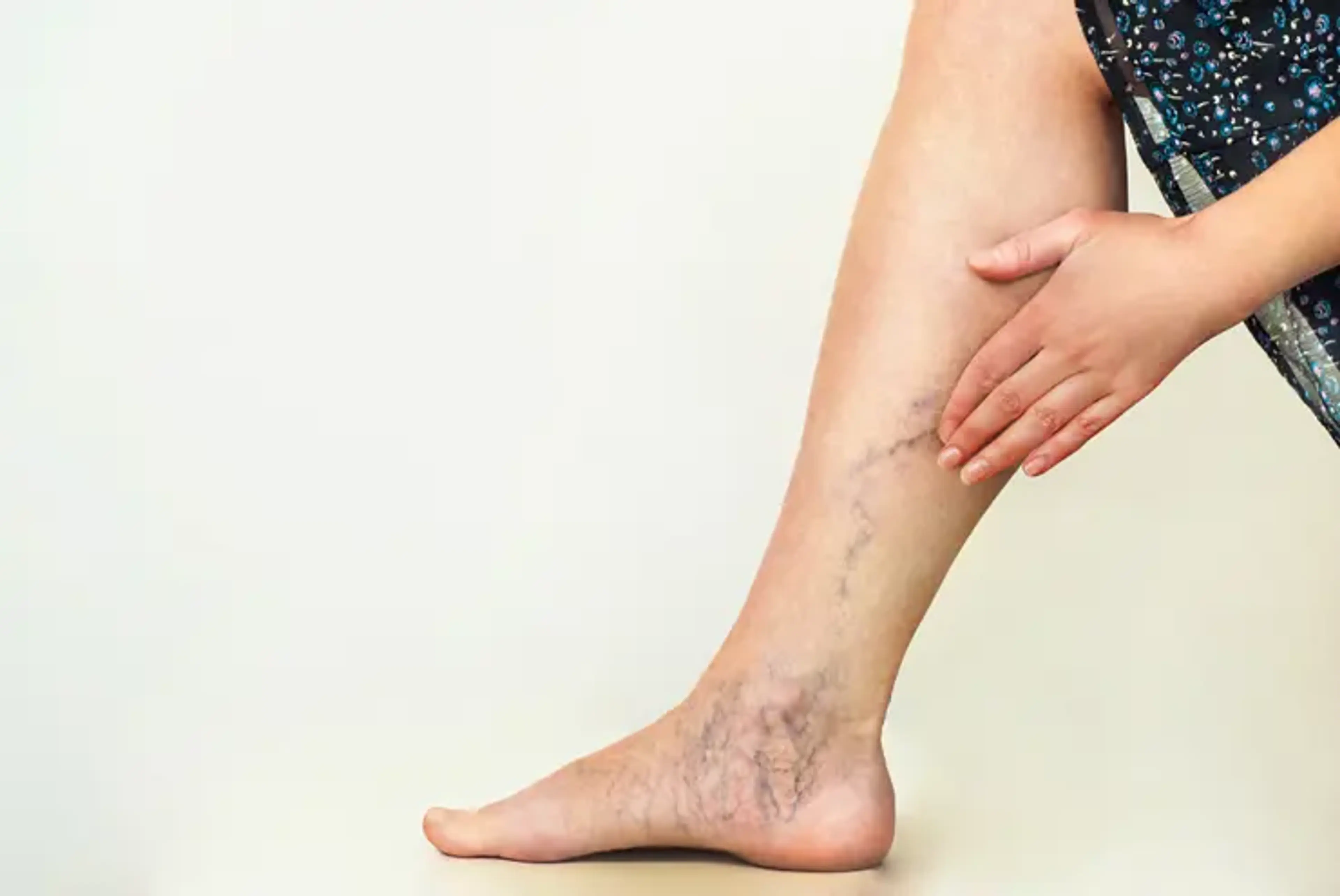
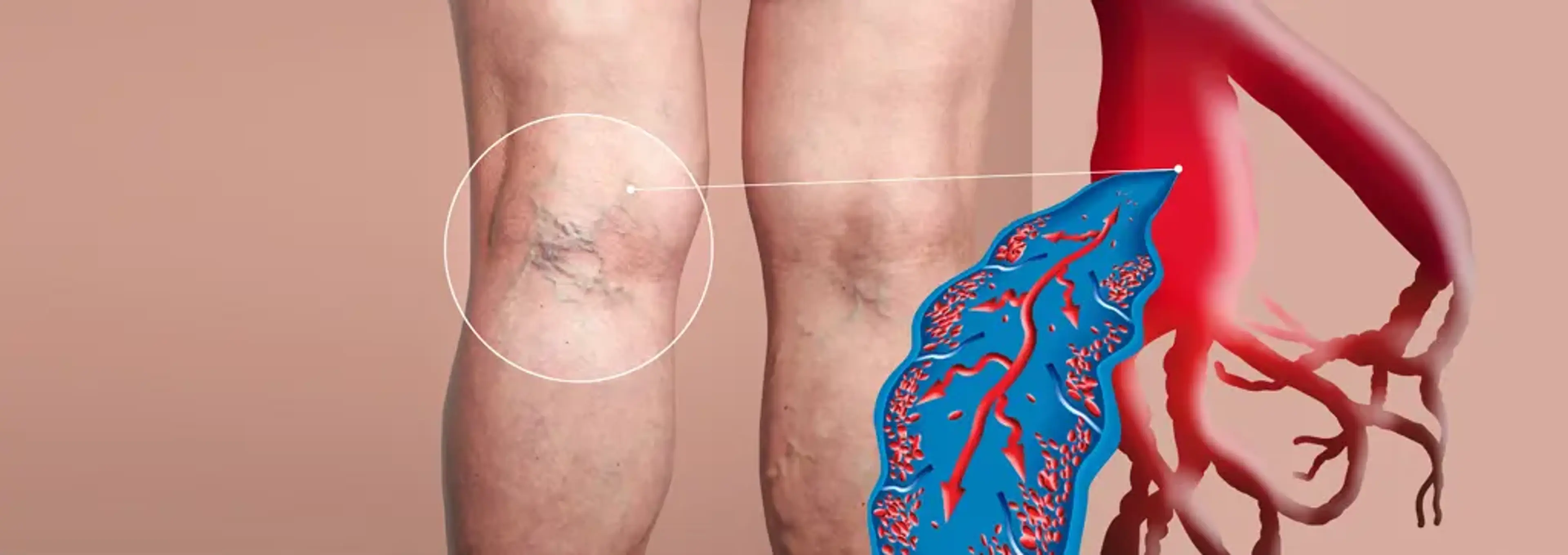
Varicose veins are a common and often bothersome condition in which veins become enlarged, twisted, and visible beneath the skin—primarily in the legs. These veins form when the valves inside the veins weaken or malfunction, leading to inefficient blood flow back toward the heart. As blood pools in the veins, they become swollen, discolored, and often painful.
While genetics and aging are well-established risk factors for varicose veins, lifestyle choices, particularly being overweight, can significantly increase the likelihood of developing this condition. Extra weight places increased pressure on the veins, especially in the legs, which can worsen circulatory issues. So, can weight loss actually help prevent or manage varicose veins? In this article, we’ll explore how shedding pounds can improve circulation, promote vein health, and potentially reduce the risk of varicose veins, based on expert insights.
Excess weight puts added strain on the veins, particularly those in your lower legs. Veins are responsible for transporting blood back to the heart, but when you're overweight, they must work harder to move blood upward, often against gravity. This additional pressure can contribute to the weakening of the vein valves, leading to blood pooling and, eventually, the formation of varicose veins.
Excess weight increases pressure on the veins, which can lead to the failure of the valves that help regulate blood flow. When these valves stop functioning properly, blood begins to collect in the veins, causing them to expand and become twisted—hallmarks of varicose veins. This ongoing strain can contribute to venous insufficiency, where the veins can no longer function effectively.
Being overweight can also hinder circulation, making it difficult for blood to flow properly through your veins. As circulation decreases, blood can accumulate in the legs, further increasing the risk of developing varicose veins and aggravating the symptoms of existing ones.
According to expert studies, obesity is one of the most significant lifestyle-related risk factors for developing varicose veins. Losing weight can help alleviate pressure on the veins, boost circulation, and lower the risk of varicose veins worsening or appearing in the first place.
Weight loss offers a range of benefits for vein health by reducing the strain on your veins and improving blood flow. Even modest weight loss can have a noticeable impact on circulatory efficiency and vein function.
As you lose weight, the pressure on your veins decreases, which helps prevent further vein damage. This can lead to healthier veins and improved blood flow throughout your body.
Losing weight also enhances circulation, making it easier for blood to return to the heart. Cardiovascular exercise, which often accompanies weight loss, plays a critical role in boosting circulation and supporting the health of your veins.
Better circulation reduces the likelihood of blood pooling in the lower legs. When blood moves more efficiently through your veins, there’s less chance of veins becoming stretched, twisted, or discolored—key signs of varicose veins.
Overweight individuals are more likely to experience swelling in the legs due to poor circulation. Weight loss can significantly alleviate this swelling by improving blood flow and reducing pressure on the veins.
Incorporating weight loss into your lifestyle can greatly improve circulation and overall vein health, potentially preventing new varicose veins from forming and alleviating the symptoms of existing ones.
Maintaining a healthy weight is crucial not only for your overall health but also for supporting vein health. When you maintain a healthy weight, your veins don’t have to work as hard to carry blood back to the heart, significantly lowering your risk of developing varicose veins.
By managing your weight, you reduce the continuous pressure on your veins, preventing them from becoming overstretched and weakened. Consistent weight management helps keep your veins in optimal condition and reduces the onset of varicose veins.
A healthy weight promotes optimal blood flow, which is essential for proper vein function. Efficient circulation ensures that blood flows smoothly back to the heart, reducing the risk of complications like venous insufficiency and varicose veins.
Maintaining a healthy weight requires a balanced diet. A diet rich in fiber, antioxidants, and healthy fats supports vein health, reduces inflammation, and improves circulation. Foods such as leafy greens, berries, and fatty fish like salmon can enhance vein elasticity and help keep veins strong.
Exercise is key to maintaining a healthy weight and promoting circulation. Aerobic activities like walking, running, and cycling can help maintain healthy veins by encouraging blood flow and reducing the risk of varicose veins.
Adopting a combination of healthy eating and regular physical activity is essential for long-term vein health and the prevention of varicose veins.
Swelling in the legs and ankles is one of the most common symptoms of varicose veins. This occurs when blood pools in the veins due to impaired circulation. Weight loss can dramatically reduce swelling by enhancing circulatory function and relieving pressure on the veins.
Weight loss reduces pressure on the veins, which helps blood flow more easily back to the heart. This reduction in pressure leads to less swelling, particularly in the lower legs, and can significantly ease discomfort associated with varicose veins. As you shed pounds, you may notice less puffiness in your legs and feet, improving comfort during extended periods of standing or sitting.
Many individuals with varicose veins experience aching or a heavy feeling in their legs. Weight loss reduces the effort required from your leg muscles and veins to pump blood upward, providing relief from discomfort and making daily activities, like walking and standing, more manageable.
The pain and discomfort caused by varicose veins often limit mobility and quality of life. Losing weight can increase your mobility by alleviating pain, enabling you to be more active and engage in regular exercise. This can further improve circulation and support vein health.
Left untreated, varicose veins can lead to severe complications, including blood clots and skin ulcers. Weight loss helps manage symptoms and reduces the likelihood of these complications by improving circulation and decreasing the strain on the veins.
In conclusion, weight loss can provide substantial relief from varicose vein symptoms, such as pain, swelling, and discomfort. It also improves mobility and contributes to better overall vein health.
Incorporating lifestyle changes that promote healthy weight management is crucial for preventing varicose veins. Weight loss requires a commitment to regular exercise, a balanced diet, and hydration, all of which can improve circulation, relieve vein pressure, and support overall vein health. Here are some key lifestyle modifications:
The most effective way to manage weight and improve vein health is through consistent physical activity. Activities such as walking, swimming, cycling, and aerobics help boost circulation, reduce pressure on veins, and maintain a healthy weight. Aim for at least 30 minutes of moderate exercise most days of the week to improve both weight loss and vein health.
Strength training exercises, such as calf raises, squats, and lunges, target leg muscles that support your veins and improve circulation. Stronger leg muscles aid blood flow and prevent blood from pooling in the veins. Incorporating strength exercises into your routine 2-3 times a week can enhance vein function.
A fiber-rich, nutrient-dense diet is vital for weight management and overall vascular health. Focus on whole grains, vegetables, fruits, and lean proteins to maintain a healthy weight while nourishing your veins. Foods rich in antioxidants—like berries, leafy greens, and citrus—can help strengthen vein walls and reduce inflammation.
Proper hydration is essential for preventing varicose veins. Dehydration can lead to fluid retention, exacerbating vein problems. Drinking plenty of water throughout the day supports healthy circulation and reduces vein strain.
If your job or lifestyle involves long periods of sitting or standing, take regular breaks to move around. Consider using a standing desk or footrest and shift your weight between legs to reduce pressure on your veins. Prolonged immobility can contribute to blood pooling, worsening varicose veins.
Adopting these lifestyle changes can help you lose weight, improve circulation, and reduce the risk of varicose veins.
While weight loss can help prevent and manage varicose veins, it’s essential to consult with a healthcare provider if symptoms persist or worsen. Early intervention can prevent complications. See a specialist if you experience:
Visible, swollen veins that are painful or tender.
Leg cramps, itching, or burning sensations around the veins.
Skin changes near varicose veins, such as discoloration or ulcers.
Increased swelling in the legs, particularly after standing for long periods.
A vascular specialist can assess the severity of your varicose veins and recommend treatments like sclerotherapy or laser therapy to improve circulation and alleviate discomfort.
Losing weight plays a crucial role in preventing varicose veins and promoting vein health. By reducing pressure on your veins and improving circulation, weight loss helps prevent blood pooling and reduces the risk of varicose veins. For those with existing varicose veins, losing weight can relieve pain, swelling, and discomfort.
Incorporating weight loss into a broader strategy that includes exercise, a healthy diet, and proper hydration is essential for supporting optimal vein health. However, it’s important to remember that weight loss is just one part of the equation. Seeking medical advice early and consulting a vascular specialist can help manage vein health and prevent long-term complications.