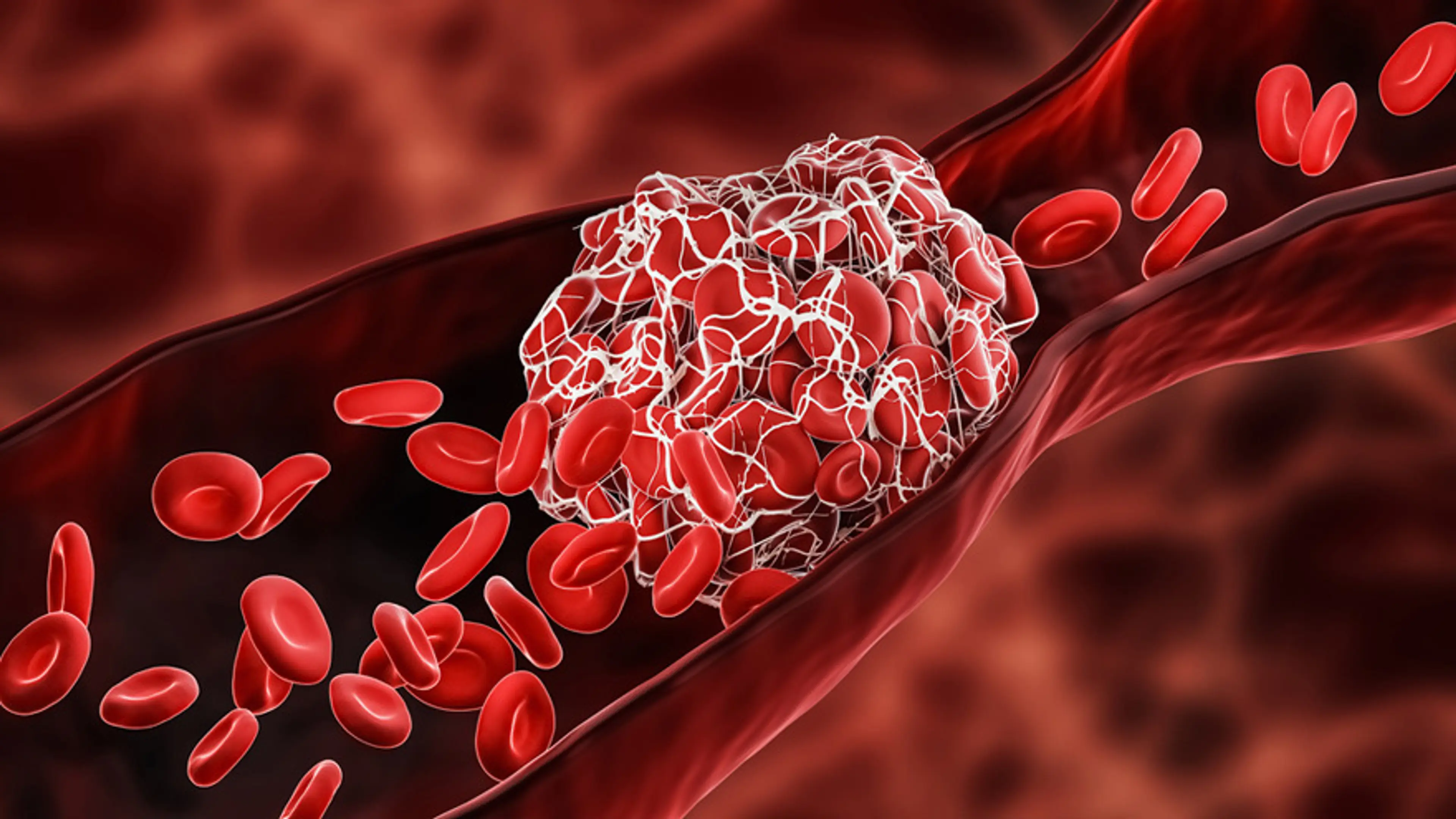
It’s a question that makes many patients hesitate before scheduling treatment for varicose veins: “If I close or remove a vein, could that cause a blood clot?”
The worry is understandable. Blood clots — especially deep vein thrombosis (DVT) — are serious medical conditions. And when people hear about heat-based treatments or vein-sealing procedures, the mind naturally jumps to clotting risks. But here’s the truth: modern varicose vein treatments are designed not only to be effective but also to minimize clot-related risks. At clinics like ours in Seoul, we see patients every week who come in worried, and they leave reassured once they understand how these procedures really work.
Why People Worry About Blood Clots in the First Place
why-people-worry-about-blood-clots-in-the-first-placeThe fear of clotting often comes from a simple misunderstanding: if a doctor intentionally closes a vein, patients imagine that blood will stagnate there, forming a clot. It feels logical — like shutting down a road and causing traffic jams.
But here’s what people often miss: the veins we treat, such as the great saphenous vein or small saphenous vein, are already failing in their job. Because the valves inside them are damaged, blood flows backward and pools. Instead of being a “major highway” for blood, they’ve become a leaky side road where circulation is inefficient.
When we close these diseased veins with Endovenous Laser Ablation (EVLA), Radiofrequency Ablation (RFA), or VenaSeal™, blood doesn’t stop. It simply reroutes into the healthier deep veins, which handle the majority of circulation anyway. Think of it like diverting traffic from a crumbling alleyway back onto a smooth, main road.
So, while clotting is a medical concern we take seriously, closing a varicose vein is not the same as trapping blood. In fact, the procedure restores healthier circulation.
Understanding the Real Risks: DVT vs. EHIT
understanding-the-real-risks:-dvt-vs.-ehit
To make sense of clot risks, it helps to distinguish between the types of clots that can occur.
Deep Vein Thrombosis (DVT): This is the condition most patients fear. A clot forms in a deep vein, often in the leg, and can cause pain, swelling, or — in rare but serious cases — travel to the lungs (pulmonary embolism).
Endothermal Heat-Induced Thrombosis (EHIT): This is a unique type of clot sometimes seen after EVLA or RFA. It happens when a clot extends slightly from the treated superficial vein into a nearby deep vein. Most EHITs are small and resolve without complications, but they require monitoring.
At Charm Vascular Clinic, we always perform an ultrasound examination within one to two weeks after treatment. This check is crucial because EHIT, if it appears, is usually detected early and managed before it poses a problem.
The big picture: the overall risk of DVT after modern varicose vein procedures is well under 1% according to large clinical studies. That means out of hundreds of patients, only a handful might experience a clot, and even then, most cases are detected early and treated effectively.
Why Minimally Invasive Treatments Are Safer
why-minimally-invasive-treatments-are-saferIf you’ve heard stories of vein stripping surgeries decades ago, it’s important to know how far vascular treatment has evolved. Traditional surgery involved pulling out veins through incisions, often under general anesthesia. Recovery was long, and complications — including clots — were more common.
Today’s minimally invasive methods are different in every way:
Local anesthesia only: Patients remain awake and comfortable, avoiding the risks of general anesthesia.
Small punctures instead of incisions: No large cuts, minimal bleeding, faster healing.
Immediate mobility: Patients are encouraged to walk right after the procedure, which is one of the best protections against clot formation.
Short treatment times: Procedures often last less than an hour, reducing physical stress on the body.
Because patients get up and move right away, circulation resumes quickly. At our clinic, we often see patients take the subway home or go back to work the same day — something that would have been unthinkable with older surgeries.
Who Has a Higher Risk of Blood Clots?
who-has-a-higher-risk-of-blood-clotsAlthough treatments themselves are safe, individual health profiles still matter. Some people naturally have a higher tendency toward clotting.
Factors include:
History of DVT or pulmonary embolism
Genetic clotting disorders such as Factor V Leiden
Recent major surgery or prolonged bed rest
Obesity, smoking, or sedentary lifestyle
Hormonal influences — oral contraceptives, hormone replacement therapy, or pregnancy
At Charm Vascular Clinic, risk assessment is never an afterthought. During the first consultation, we review not just visible varicose veins but also your full medical background. In higher-risk cases, we may order blood clotting studies or recommend temporary anticoagulant medication around the time of treatment.
This tailored approach means patients aren’t exposed to unnecessary medication if they don’t need it, but those who do are protected.
What to Expect After Treatment
what-to-expect-after-treatment
Most patients are pleasantly surprised by how smooth recovery feels. Instead of weeks of downtime, they usually return to daily activities almost immediately. Still, aftercare is essential to keeping recovery safe and results lasting.
Here’s what we emphasize at Charm Vascular Clinic:
Daily walking: Even 20–30 minutes of light walking helps circulation and reduces clot risk.
Compression stockings: In some cases, especially after EVLA or RFA, we prescribe stockings for a short period to support vein closure and healing.
Hydration and mobility: Avoid sitting or standing still for long hours, particularly in the first week.
Follow-up ultrasound: This is the safety net — a non-invasive check that reassures both patient and doctor that everything is healing correctly.
To be honest, the majority of patients never encounter clot-related issues. But structured follow-up gives peace of mind and ensures that any rare complication is addressed early.
The Bigger Picture: Treating Veins vs. Ignoring Them
the-bigger-picture:-treating-veins-vs.-ignoring-themIronically, leaving varicose veins untreated can itself increase the risk of clotting. Chronic venous insufficiency — the underlying condition — causes blood to stagnate in surface veins. Over time, this sluggish flow can lead to:
Superficial vein thrombosis (SVT): A clot in a surface varicose vein, often painful and inflamed.
Progression toward DVT: While less common, untreated venous disease can sometimes extend deeper.
Skin complications: Such as eczema, thickening, or venous ulcers, which are not only painful but also increase infection risks.
So the real question isn’t just, “Could treatment cause a clot?” but also “What are the risks of doing nothing?” For many patients, timely treatment lowers their long-term risk.
A Doctor’s Perspective
a-doctor's-perspectiveAs vascular specialists, we see a pattern: patients delay treatment because of fear, but their condition quietly worsens in the meantime. By the time they return, the veins are larger, symptoms heavier, and complications more likely.
From years of treating varicose veins in Seoul, one thing stands out — the benefits of modern minimally invasive procedures far outweigh the risks. When performed with precision, followed by structured monitoring, treatments not only relieve symptoms but also improve quality of life. Patients often tell us, “I should have done this years ago.”
The key is vigilance. Choosing a clinic with expertise, advanced imaging, and personalized follow-up makes all the difference. That’s why at Charm Vascular Clinic, safety and patient reassurance are built into every step of the process.
Final Takeaway
final-takeawayYes, varicose vein treatments carry a small risk of blood clots. But in modern practice, that risk is extremely low — and usually much smaller than the risk of leaving varicose veins untreated. With careful screening, minimally invasive techniques, and proper follow-up, patients can feel safe choosing treatment.
If you’ve been struggling with varicose veins and worrying about clot risks, consider speaking with a specialist. At Charm Vascular Clinic in Seoul, Dr. Insoo Park and our team provide personalized, minimally invasive treatment plans designed for safety, comfort, and long-term health.