What Are Varicose Veins?
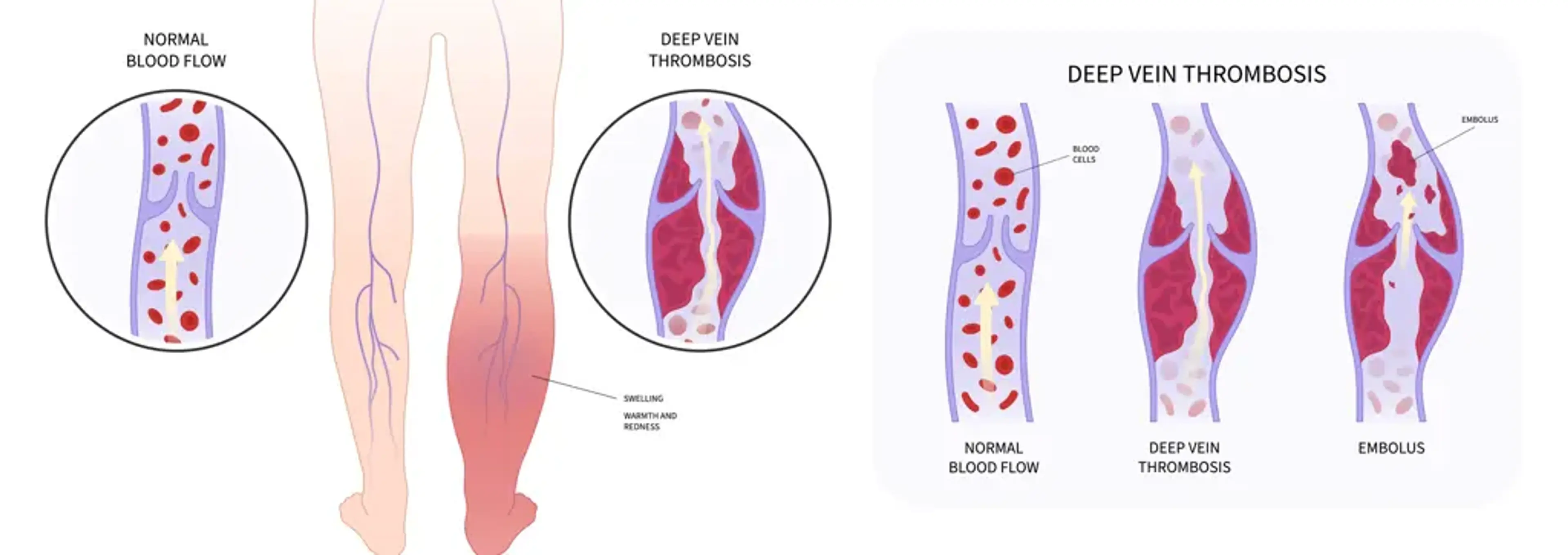
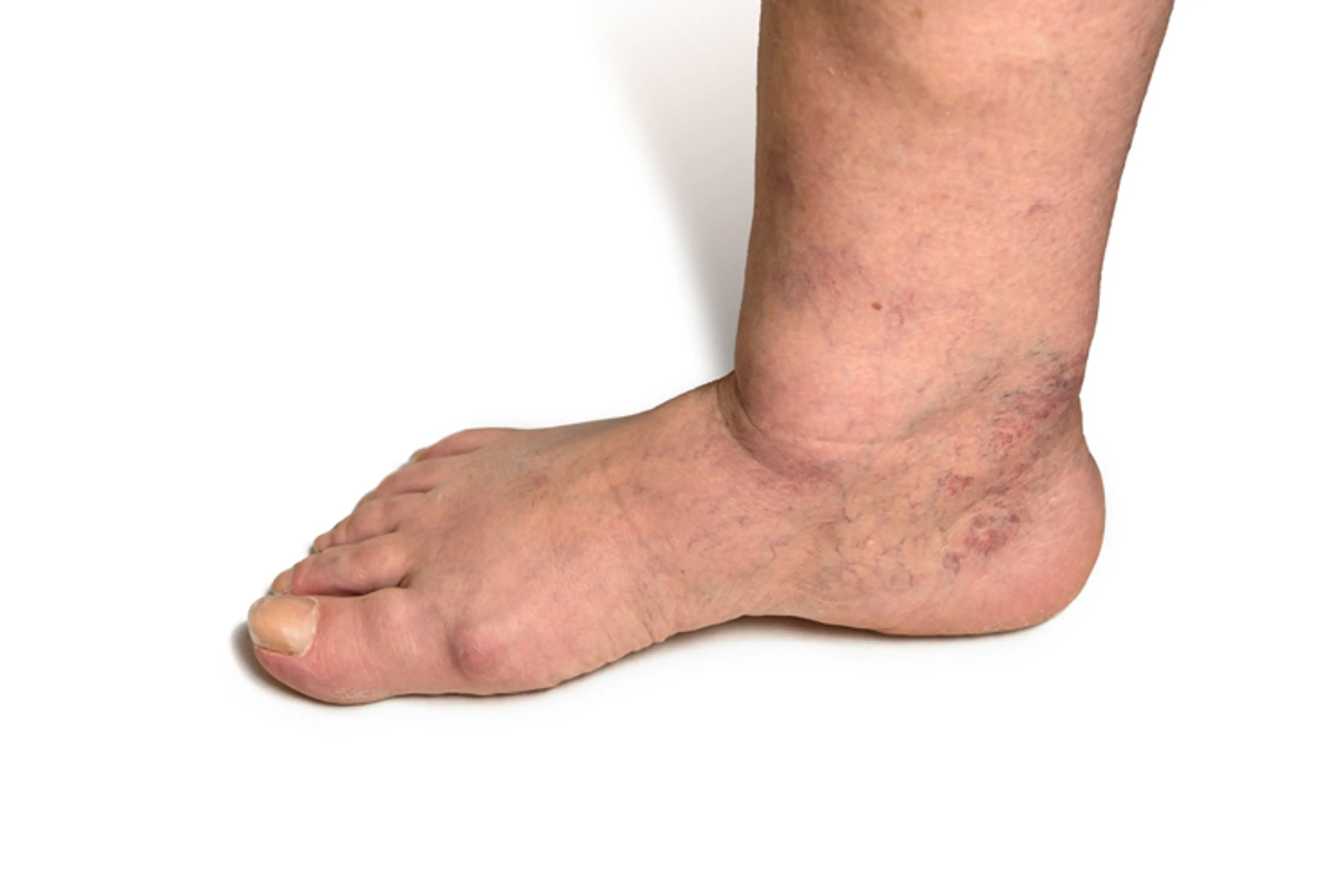
what-are-varicose-veinsVaricose veins are enlarged, twisted veins that most commonly appear in the legs and feet. They occur when the valves inside the veins become weakened or damaged, causing blood to pool in the veins instead of flowing back to the heart. This leads to the veins becoming swollen, bulging, and discolored. While varicose veins are typically not life-threatening, they can cause significant discomfort and are often a sign of venous insufficiency—a condition where the veins cannot efficiently return blood to the heart.
Varicose veins are very common, especially in older adults and those who have a family history of vein problems. Factors such as pregnancy, obesity, and prolonged standing or sitting can also increase the risk. For many people, varicose veins don’t cause major health problems, but they can cause painful and unsightly symptoms, such as aching, heaviness, and swelling in the affected legs.
If left untreated,
varicose veins can worsen, leading to complications like leg ulcers, blood clots, and severe swelling, which is why it’s important to seek treatment when symptoms arise.
Charm Vascular Clinic specializes in minimally invasive treatments for varicose veins and leg swelling, ensuring patients receive the best care possible.
How Do Varicose Veins Cause Leg Swelling?
how-do-varicose-veins-cause-leg-swellingThe primary cause of leg swelling in individuals with varicose veins is poor circulation. When the valves in the veins weaken, blood struggles to flow efficiently back to the heart. This causes blood to pool in the veins, increasing pressure inside the vessels. Over time, this pressure can cause the veins to stretch and bulge, leading to the swelling often seen in the lower legs and ankles.
As blood flow becomes sluggish, fluid can leak into the surrounding tissues, contributing to the swelling, also known as edema. The extra fluid build-up in the tissues causes the legs to feel heavy, swollen, and sometimes painful. Swelling from varicose veins is typically worse after standing or sitting for long periods, as gravity has a stronger effect on blood flow when a person is upright.
At Charm Vascular Clinic, we use advanced diagnostic tools to identify the root cause of leg swelling and provide tailored treatment options, including minimally invasive techniques, to restore normal circulation and reduce swelling effectively.
Common Signs and Symptoms of Varicose Veins
common-signs-and-symptoms-of-varicose-veinsVaricose veins don’t always cause noticeable symptoms, but when they do, swelling in the legs is often one of the most common signs. Some of the other key symptoms of varicose veins include:
Visible, bulging veins: The most obvious sign of varicose veins is the appearance of swollen, blue or purple veins that may twist and bulge under the skin.
Leg pain and heaviness: Many people with varicose veins experience a feeling of heaviness in their legs, particularly after prolonged periods of standing.
Swelling and inflammation: As mentioned, swelling in the lower legs and ankles is common, and it may worsen as the day goes on or after standing for long periods.
Fatigue and aching: A constant ache or fatigue in the legs, especially after walking or standing, can be indicative of varicose veins.
Skin changes: In more severe cases, the skin around the varicose veins may become discolored, and you may even notice dry patches or ulcers developing.
It's important to pay attention to these signs, as untreated varicose veins can lead to further complications, including chronic venous insufficiency, which can cause persistent swelling and other health issues. At Charm Vascular Clinic, our vascular specialists assess your condition thoroughly and provide solutions to relieve these symptoms.
What Causes Leg Swelling in Varicose Veins?
what-causes-leg-swelling-in-varicose-veinsLeg swelling from varicose veins is directly related to the venous insufficiency caused by weak or damaged vein valves. When the valves are unable to effectively push blood upwards towards the heart, blood begins to pool in the veins, leading to increased pressure. This pressure weakens the vein walls and causes them to stretch, allowing blood to leak into the surrounding tissues.
The excessive fluid buildup in the tissues leads to swelling, which can cause discomfort and even pain. This condition is known as edema, and it’s a common symptom of varicose veins. The swelling may not be present all the time but can fluctuate throughout the day, particularly in the evening or after extended periods of standing.
In addition to venous insufficiency, other risk factors can contribute to leg swelling in people with varicose veins. Factors such as obesity, pregnancy, and long periods of inactivity can exacerbate the condition. For example, sitting or standing for long stretches without moving the legs can make it harder for the veins to circulate blood properly, increasing the risk of swelling.
At Charm Vascular Clinic, we understand how frustrating and painful leg swelling can be. That’s why our team of experts provides comprehensive treatment plans that address not just the visible symptoms but the underlying causes of varicose veins, helping patients regain comfort and mobility.
Signs of Worsening Leg Swelling
signs-of-worsening-leg-swellingIf leg swelling becomes persistent or increases in severity, it may be a sign that varicose veins are worsening. In some cases, the swelling may extend beyond the ankles to the lower legs or thighs. Other concerning symptoms include:
Skin changes: The skin around the swollen veins may darken, become itchy, or develop sores.
Severe pain: The discomfort may become more intense, particularly after standing or walking.
Ulcers: Open sores or ulcers can form on the skin due to poor circulation.
It's essential to seek medical attention if you notice these symptoms, as untreated varicose veins can lead to complications like ulcers, blood clots, and persistent swelling. At Charm Vascular Clinic, we specialize in diagnosing and treating these advanced symptoms with effective, minimally invasive treatments.
Additional Risk Factors for Leg Swelling in Varicose Veins
additional-risk-factors-for-leg-swelling-in-varicose-veinsBesides having varicose veins, several factors can worsen leg swelling, including:
Pregnancy: The increased blood volume and pressure on veins from the growing uterus can exacerbate swelling.
Obesity: Extra weight can increase pressure on veins, making it harder for blood to circulate properly.
Sedentary lifestyle: Prolonged sitting or standing without movement can reduce blood flow and contribute to swelling.
Understanding these risk factors can help you manage and prevent worsening symptoms. Charm Vascular Clinic provides tailored advice and treatment plans to help manage swelling and prevent further complications.
Complications from Untreated Varicose Veins
complications-from-untreated-varicose-veinsIf varicose veins are left untreated, they can lead to more serious issues such as:
Blood clots: The stagnant blood flow can lead to clots forming within the veins.
Skin ulcers: The constant pressure on the skin can lead to open sores that are difficult to heal.
Chronic venous insufficiency: Over time, untreated varicose veins can severely impact blood flow, leading to continuous swelling and discomfort.
At Charm Vascular Clinic, we focus on preventing these complications by offering early intervention and effective treatment options like sclerotherapy, endovenous laser treatment, and VenaSeal™ to restore healthy circulation.
Is Leg Swelling Always Caused by Varicose Veins?
is-leg-swelling-always-caused-by-varicose-veinsNo, leg swelling can have several causes. It’s important to differentiate between swelling due to varicose veins and other potential conditions, such as:
Heart conditions: Congestive heart failure can lead to fluid retention in the legs.
Kidney disease: Impaired kidney function can cause swelling, especially in the feet and ankles.
Liver disease: Conditions like cirrhosis can affect fluid balance and cause leg swelling.
If you experience unexplained or sudden swelling, it’s important to see a doctor for a thorough evaluation. Charm Vascular Clinic helps identify the root cause of your swelling and ensures you receive the right treatment, whether it’s for varicose veins or another condition.
How Can Varicose Veins-Related Swelling Be Treated?
how-can-varicose-veins-related-swelling-be-treatedTreatment for leg swelling caused by varicose veins typically involves improving circulation and reducing pressure on the affected veins. Some common options include:
Compression stockings: These help support the veins and reduce swelling by improving blood flow.
Minimally invasive procedures: At Charm Vascular Clinic, we offer treatments like Endovenous Laser Ablation (EVLA) and VenaSeal™, which seal off problem veins without surgery, helping to restore healthy circulation and reduce swelling.
Lifestyle changes: Regular exercise, elevating your legs, and maintaining a healthy weight can also help reduce swelling and improve vein health.
By addressing the root cause, these treatments not only alleviate swelling but also prevent further vein damage.
How Compression Therapy Helps with Swelling
how-compression-therapy-helps-with-swellingCompression therapy is one of the most effective ways to manage leg swelling caused by varicose veins. Compression stockings apply gentle pressure to the legs, which helps to:
Improve blood circulation
Reduce fluid buildup in the veins
Prevent the worsening of swelling
At Charm Vascular Clinic, we often recommend compression stockings as part of a comprehensive treatment plan for patients with varicose veins. These stockings come in various levels of compression, and our specialists can help you find the best fit for your needs.
Advanced Treatment Options for Severe Cases
advanced-treatment-options-for-severe-casesIn more severe cases of varicose veins, where swelling and other symptoms are persistent or worsening, advanced treatments are necessary. Some of the options available at Charm Vascular Clinic include:
Sclerotherapy: This involves injecting a solution into the affected vein, causing it to collapse and fade over time.
Endovenous Laser Ablation (EVLA): A laser is used to heat and close off problematic veins, allowing blood to reroute through healthier veins.
VenaSeal™: A non-surgical procedure that uses a special adhesive to seal varicose veins, reducing swelling and improving circulation.
These advanced treatments are minimally invasive and have high success rates in reducing leg swelling and improving overall vascular health.
Prevention of Leg Swelling from Varicose Veins
prevention-of-leg-swelling-from-varicose-veinsWhile varicose veins can be challenging to manage, there are several proactive steps you can take to prevent leg swelling:
Exercise regularly: Activities like walking or swimming help improve blood circulation and reduce pressure on veins.
Maintain a healthy weight: Excess weight places additional pressure on your veins, contributing to swelling.
Avoid long periods of standing or sitting: Taking breaks to walk around or elevate your legs can help reduce swelling.
Elevate your legs: Raising your legs above the level of your heart for 20 minutes a few times a day can help promote better circulation.
At
Charm Vascular Clinic, we offer personalized recommendations to
prevent and manage varicose veins, ensuring patients have the tools they need to maintain healthy veins and reduce swelling over time.
When Should You See a Doctor for Leg Swelling?
when-should-you-see-a-doctor-for-leg-swellingIt's essential to seek medical attention if you notice persistent or worsening leg swelling. While varicose veins are a common cause of swelling, other underlying health conditions may also contribute to fluid retention, including heart, kidney, or liver problems. You should consider seeing a doctor if:
Sudden or severe swelling appears in one or both legs.
The swelling is accompanied by pain, redness, or warmth in the legs.
You develop skin ulcers or sores near the swollen veins.
The swelling doesn't improve with home care, like elevation or compression stockings.
At
Charm Vascular Clinic, our vascular specialists are trained to diagnose and treat the underlying causes of leg swelling. We perform thorough evaluations to ensure you receive the correct treatment and guidance for your condition, whether it's varicose veins or another medical issue.
The Role of Lifestyle Modifications in Managing Varicose Veins and Swelling
the-role-of-lifestyle-modifications-in-managing-varicose-veins-and-swellingMaking certain lifestyle changes can greatly improve symptoms of varicose veins and prevent leg swelling from worsening. Some important modifications include:
Exercise regularly: Activities like walking, cycling, and swimming help improve circulation, reducing the pressure on your veins and preventing swelling.
Maintain a healthy weight: Losing excess weight can reduce the strain on your veins, alleviating pressure and improving blood flow.
Elevate your legs: Elevating your legs above heart level for 15–20 minutes a few times a day can reduce swelling and promote better circulation.
Avoid long periods of standing or sitting: Try to move around every 30 minutes to encourage blood flow.
Incorporating these changes into your daily routine, in combination with medical treatment, can significantly reduce leg swelling and improve overall vein health. Charm Vascular Clinic works closely with patients to design personalized care plans that combine lifestyle adjustments with effective medical treatments for optimal results.
Conclusion
conclusionVaricose veins can cause significant discomfort, particularly when accompanied by leg swelling. It’s crucial to recognize the signs early and seek treatment to prevent the condition from worsening. Swelling in the legs can be a clear indicator of varicose veins or other vascular issues, and timely intervention is key to reducing the risk of complications like ulcers or blood clots.
At Charm Vascular Clinic, we specialize in advanced, minimally invasive treatments that not only address leg swelling but also improve circulation and restore vein health. Our team of experienced vascular specialists is dedicated to providing personalized care and effective treatment options tailored to each patient’s unique needs.
If you’re experiencing leg swelling or other symptoms of varicose veins, don’t wait for the condition to worsen. Schedule a consultation at Charm Vascular Clinic today to learn how our expert team can help you manage and treat varicose veins, restore your quality of life, and prevent further complications.