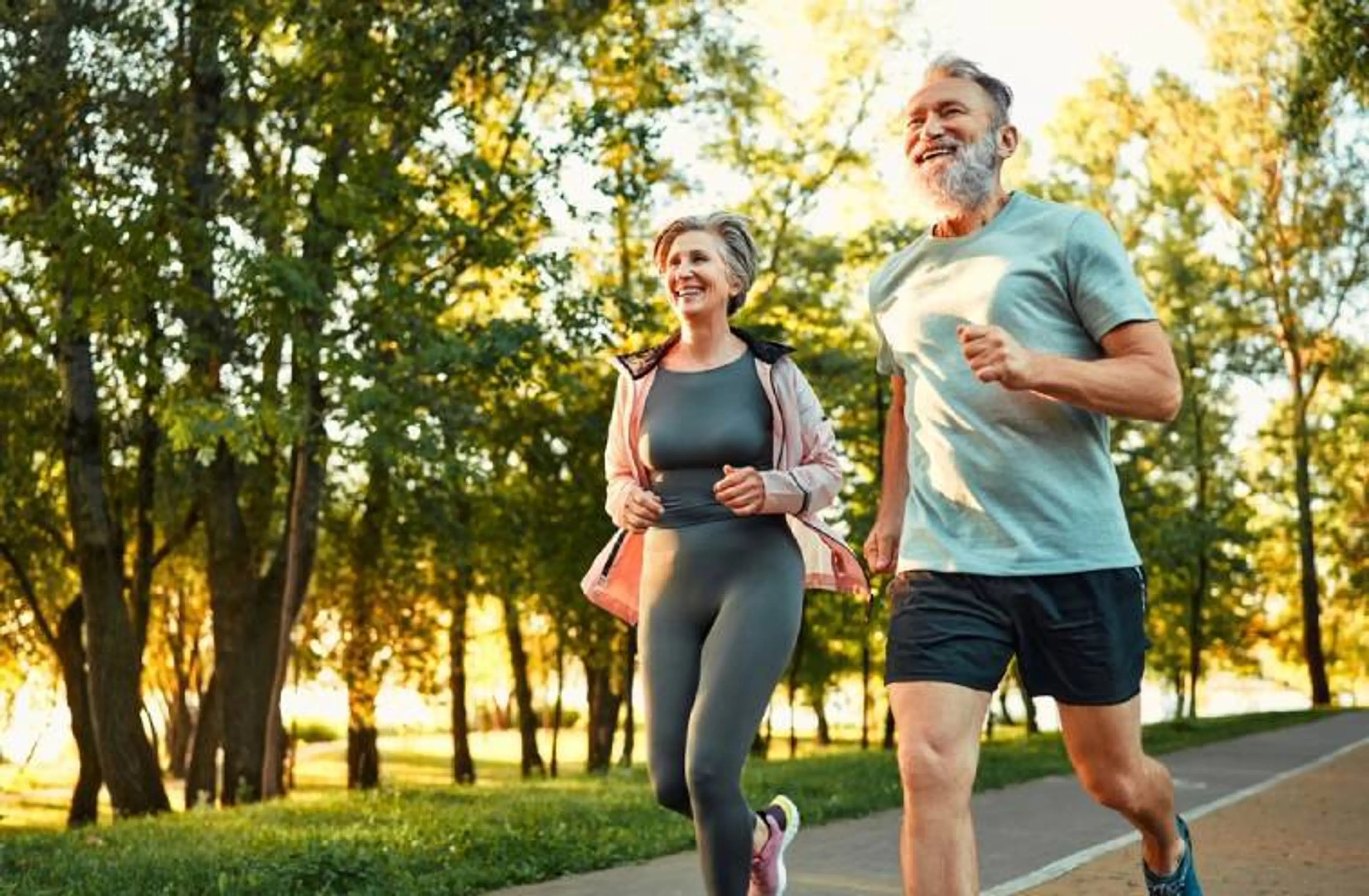
can-you-exercise-after-varicose-vein-removalIt’s one of the most common questions patients ask after treatment:
“Can I still exercise after my varicose vein procedure?”
The short answer is yes — but how soon and how much depends on your treatment type and your body’s healing process. At Charm Vascular Clinic in Seoul, we often tell patients that movement is not only safe, it’s essential for recovery — when done correctly. But there’s a difference between helpful movement and harmful strain. Let’s unpack that.
Why Movement Matters After Varicose Vein Treatment
why-movement-matters-after-varicose-vein-treatmentAfter varicose vein removal — whether through Endovenous Laser Ablation (EVLA), Radiofrequency Ablation (RFA), or VenaSeal™ — your veins are in the process of healing and rerouting blood flow. The body naturally redirects circulation through healthy veins, while the treated ones close off and get reabsorbed over time.
Gentle movement, like walking, helps this process. It keeps blood flowing smoothly, reduces swelling, and minimizes the risk of complications such as deep vein thrombosis (DVT).
At our clinic, we often say:
“The first step to recovery is literally taking your first step.”
When Can You Start Exercising Again?
when-can-you-start-exercising-againEvery procedure has its own timeline, but most patients can return to light exercise within 24–48 hours after a minimally invasive treatment.
Here’s a general guide used at Charm Vascular Clinic:
Type of Exercise | Recommended Timeline | Notes |
|---|
Walking | Within 1–2 days | Encouraged daily; promotes circulation. |
Light stretching or yoga | After 5–7 days | Avoid inverted poses or pressure on legs. |
Cycling or brisk walking | After 1–2 weeks | Start gently; stop if legs feel heavy or tight. |
Running or high-impact workouts | 2–4 weeks | Only after medical clearance. |
Weight training (legs) | 3–4 weeks | Avoid heavy squats or deadlifts early on. |
Of course, these are general guidelines. Each patient’s healing is unique — and we always emphasize the importance of personalized advice based on your specific procedure and health status.
Why You Should Avoid Overexertion Too Soon
why-you-should-avoid-overexertion-too-soon
While exercise supports recovery, overdoing it can delay healing.
During the first few weeks, the treated veins are still closing and integrating with the body’s natural healing response. Excessive pressure or straining — especially from heavy lifting or intense cardio — can lead to increased swelling, bruising, or discomfort.
Think of it like this:
Your veins are under renovation. Walking around the construction site helps the process. But jumping on unfinished floors? Not a good idea.
What Types of Exercise Are Best for Vein Health?
what-types-of-exercise-are-best-for-vein-healthThe key is low-impact, circulation-friendly movement.
These types of exercise strengthen your calf muscles — your body’s natural “venous pump” — and promote healthy blood flow.
Walking: The simplest and safest exercise. Even short 10–15 minute walks throughout the day help.
Swimming: Excellent for improving circulation without putting pressure on the legs.
Cycling (stationary or outdoor): Encourages leg movement and venous return.
Gentle yoga or pilates: Keeps flexibility without strain (avoid poses that invert the legs too early).
At Charm Vascular Clinic, we often recommend setting a gentle daily movement goal — not for calories or weight, but to support your veins. Consistency matters more than intensity.
The Role of Compression Stockings During Exercise
the-role-of-compression-stockings-during-exercise
After varicose vein removal, compression stockings are more than a recommendation — they’re part of your treatment.
Wearing compression garments during light exercise helps control swelling and supports healthy blood flow, especially in the early healing phase.
Typically, we advise patients to:
Wear them during daytime hours for 1–2 weeks post-procedure.
Remove them for sleep, unless otherwise instructed.
Use them during light workouts or long walks in the first week.
They may not be stylish, but their function is priceless: they guide your veins to heal properly.
How to Know If You’re Doing Too Much
how-to-know-if-you're-doing-too-muchListen to your body.
If you feel throbbing, heaviness, or tightness in your legs during exercise, that’s your signal to rest.
Other red flags include:
Significant pain at the treatment site
New swelling in one leg
Redness, warmth, or tenderness along a vein
If these symptoms appear, stop your workout and contact your doctor immediately.
At Charm Vascular Clinic, we encourage patients to check in regularly after treatment — not just for follow-up imaging, but to discuss how their body feels during everyday movement.
What Happens If You Don’t Move at All?
what-happens-if-you-don't-move-at-allSome patients worry that even light activity might undo their treatment, so they become overly cautious — staying in bed or sitting most of the day. Unfortunately, that’s counterproductive.
Prolonged inactivity slows blood flow and can increase your risk of blood clots.
It can also make your legs feel more swollen, tender, or stiff. The key is balance: gentle, frequent movement paired with adequate rest.
A Surgeon’s Perspective: The Truth About Recovery
a-surgeon's-perspective:-the-truth-about-recoveryTo be honest, one of the most misunderstood parts of varicose vein recovery is that patients assume they need to “protect” the treated area by avoiding all activity.
But veins are resilient. Once the unhealthy vein is closed, your body adapts beautifully — as long as you give it the right conditions.
Dr. Insoo Park, our lead vascular surgeon at Charm Vascular Clinic, often reminds patients:
“Movement is medicine for your veins. Healing isn’t about resting perfectly still — it’s about circulating life back through your legs, one step at a time.”
This philosophy guides every recovery plan we design. We tailor not just your treatment, but your post-treatment lifestyle, ensuring your veins — and your confidence — recover together.
Long-Term Exercise and Vein Health
long-term-exercise-and-vein-healthEven after full recovery, exercise remains one of your best defenses against new vein problems.
Regular movement helps maintain:
You don’t need to become an athlete. What matters is consistent, moderate activity — walking to work, using stairs, stretching between long desk sessions, or gentle cycling on weekends.
In Korea, where long office hours and prolonged sitting are common, we often remind patients to “move for your veins” every hour.
The Bottom Line
the-bottom-lineYes, you can — and should — exercise after varicose vein removal.
But start slowly, follow your surgeon’s advice, and listen to your body’s cues. Gentle walking right after treatment is encouraged, while high-impact workouts should wait until your veins are fully healed.
At Charm Vascular Clinic, we guide every patient through a personalized recovery and movement plan — ensuring safety, comfort, and long-term vein health.
If you’ve recently undergone a vein procedure or are considering one, and you’re unsure about when it’s safe to resume your favorite activities, we invite you to consult with our team.
Your legs deserve care that keeps you moving confidently and comfortably.