Introduction
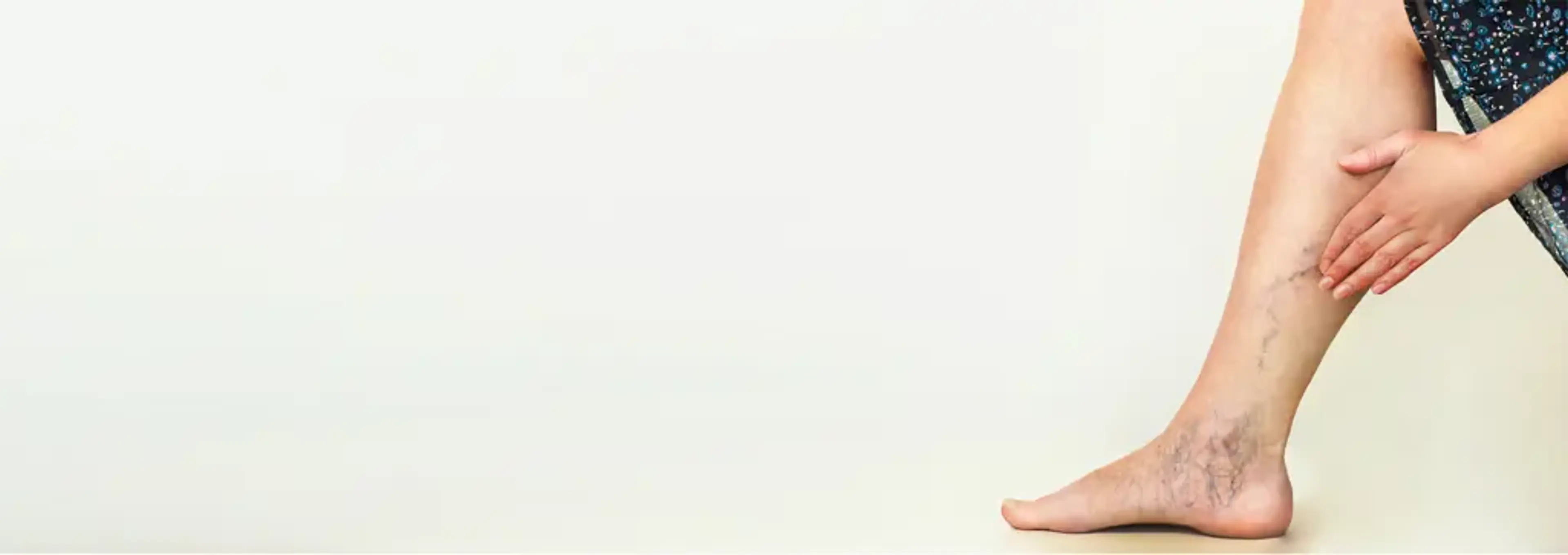
introductionVaricose veins are swollen, twisted veins that often appear on the legs. They can be uncomfortable and unsightly, and many people wonder if certain activities, like exercising, can contribute to their development. The question often arises: Can you get varicose veins from exercising too much? This article will explore the relationship between exercise and varicose veins, discussing how physical activity affects vein health and whether excessive exercise poses a risk for these vascular issues.
What Are Varicose Veins?
what-are-varicose-veinsVaricose veins are a common condition that occurs when veins become enlarged, swollen, or twisted, usually in the legs. They are often blue or dark purple in color and can be visibly noticeable under the skin. Symptoms can include aching, heaviness, or swelling in the legs, as well as itching or skin changes around the affected area.
What causes varicose veins?
The main reason varicose veins develop is venous insufficiency, a condition in which the valves inside the veins fail to work properly. Normally, these valves help ensure that blood flows in the right direction back to the heart. When they don’t function correctly, blood starts to pool in the veins, causing them to stretch and become varicose.
Who is at risk?Factors like
age,
pregnancy, and
genetics play a significant role in the development of
varicose veins. Standing or sitting for extended periods can also contribute, as it puts additional pressure on the veins, leading to their weakening over time.
How Exercise Affects the Veins
how-exercise-affects-the-veinsExercise generally has a positive impact on the circulatory system. Regular physical activity helps improve blood flow, strengthens the heart, and can even help prevent the formation of varicose veins by improving vein function. Activities such as walking, swimming, and cycling support the circulatory system by encouraging muscle contractions that aid in pushing blood back toward the heart.
Exercise and circulation:
When we move, especially our legs, the muscle pump helps squeeze veins and push blood upward. This process is essential in maintaining healthy veins, as it counteracts the effects of gravity, preventing blood from pooling in the legs.
But what happens when you exercise too much?
Overexertion, particularly in high-impact activities, can strain the veins. If the muscles are overworked or the veins are subjected to excessive pressure, the valves inside the veins can weaken. This can cause blood to back up, leading to varicose veins. It’s important to note that this risk is typically associated with intense, high-impact exercise that places a lot of pressure on the legs, like long-distance running, heavy weightlifting, or intense cardio routines.
Can You Get Varicose Veins from Exercising Too Much?
can-you-get-varicose-veins-from-exercising-too-muchThe short answer is: Yes, but it’s unlikely unless you’re engaging in extremely intense exercise regularly without proper care. While moderate exercise is beneficial for vein health, pushing your body too hard, especially without rest and recovery, can lead to the development of varicose veins.
How does excessive exercise contribute to varicose veins?
High-intensity workouts or activities that involve significant leg strain, such as running, cycling, or weightlifting, can increase the pressure in your veins. Over time, this sustained pressure may weaken the walls and valves of the veins, which can make them more susceptible to becoming varicose. For example, runners who spend hours a week on pavement or cyclists who put in heavy mileage may be at a higher risk if they don’t take proper measures to protect their vein health.
Risk factors in athletes
Athletes who engage in high-impact sports or endurance exercises may be more prone to vein strain. The constant repetitive motion, combined with the physical stress placed on veins, can increase the likelihood of developing venous insufficiency, which can lead to varicose veins.
How Intense Exercise May Contribute to Varicose Veins
how-intense-exercise-may-contribute-to-varicose-veinsExcessive, high-impact exercise can place significant strain on your veins, especially in the legs. High-intensity exercises like running, cycling, and weightlifting can increase pressure within the veins, particularly in the lower extremities. This pressure may disrupt normal blood flow and weaken the valves that help direct blood toward the heart.
Straining the Veins with High-Impact Sports
When you engage in intense activities like long-distance running or heavy lifting, the muscles and veins in your legs are under constant pressure. The repeated stress can weaken the vein walls over time, leading to the development of venous insufficiency, a condition that can cause varicose veins. Athletes and individuals who perform high-intensity exercise without adequate rest or recovery might experience more damage to the veins than those who balance their workouts with gentler activities.
The Role of the Muscle Pump in Vein Health
During exercise, the contraction of muscles helps push blood through the veins and back toward the heart. This muscle pump is crucial for promoting healthy circulation and preventing blood from pooling in the veins. However, when muscles are overworked or not given enough time to recover, the muscle pump becomes less efficient, contributing to weakened veins and the potential development of varicose veins.
Prevention and Management: Can You Avoid Varicose Veins?
prevention-and-management:-can-you-avoid-varicose-veinsWhile exercising intensely may increase the risk of varicose veins, there are ways to prevent and manage vein health effectively, even if you’re an active individual. Here are some essential tips to reduce the chances of developing varicose veins due to exercise:
Exercise Moderation and Balance
One of the best ways to protect your veins is by finding a balance between moderate exercise and recovery. While it’s important to stay active, it’s also critical to avoid excessive strain on your veins. Engage in low-impact activities that are easier on your legs, such as walking, swimming, or cycling, rather than high-impact sports that place constant pressure on your veins.
Incorporate Rest and Recovery
Make sure to give your body ample time to rest between intense workouts. Overtraining without adequate recovery can lead to chronic strain on your veins. Active recovery activities, like stretching, yoga, or gentle walks, can help keep your veins healthy while also preventing excessive pressure from building up.
Compression Garments
Compression stockings or sleeves can be beneficial for individuals who engage in high-intensity exercise. These garments provide gentle pressure to the legs, helping to promote proper blood flow and reduce the risk of varicose veins. Many athletes use compression wear to support vein health during long periods of activity.
Best Exercises for Preventing Varicose Veins
best-exercises-for-preventing-varicose-veinsNot all exercises are created equal when it comes to protecting vein health. Some physical activities can put more strain on your veins, while others can help improve circulation and
prevent varicose veins from forming. Here are some of the
best exercises to maintain healthy veins:
Low-Impact Exercises
Low-impact exercises are easier on your veins and promote circulation without placing undue strain on the leg muscles and veins. Activities such as walking, swimming, and cycling help engage the muscles without creating excessive pressure on the veins. These exercises encourage blood flow, strengthen the leg muscles, and support overall vascular health.
Strengthening Exercises
Building strength in your legs is important for vein health. Focus on strengthening exercises that target the muscles of the legs, such as calf raises, leg lifts, and squats. Strong muscles help support the veins and reduce the risk of developing varicose veins by aiding in circulation.
Stretching and Flexibility
Incorporating stretching into your routine can improve blood flow and reduce the pressure on your veins. Stretching exercises help maintain flexibility in your muscles and veins, ensuring they don’t become stiff or overstrained. Yoga is a great way to combine stretching with relaxation, promoting overall vein health.
The Role of Vascular Care in Preventing Varicose Veins
the-role-of-vascular-care-in-preventing-varicose-veinsMaintaining good vascular health is an essential part of preventing varicose veins, especially if you're someone who engages in high-intensity exercise. Consulting with a vascular specialist can help you assess your risks and implement strategies to protect your veins.
Vascular Health Assessments
If you're concerned about your veins due to your exercise habits, it’s important to seek professional care. A vascular specialist can conduct tests such as duplex ultrasound to check for any existing issues with your veins and offer advice on how to reduce the risk of developing varicose veins in the future. Early detection of vein problems can help prevent more severe issues down the line.
When to Seek Professional Help
If you notice any of the common symptoms of varicose veins, such as swelling, leg pain, heaviness, or visible veins, it’s important to consult with a doctor. Varicose veins can lead to complications like blood clots or ulcers if left untreated. A specialist can recommend non-invasive treatments like sclerotherapy, endovenous laser ablation (EVLA), or other methods to treat varicose veins early before they become a more serious concern.
Treatments for Varicose Veins: What Are Your Options?
treatments-for-varicose-veins:-what-are-your-optionsIf you're dealing with varicose veins, or if you’re trying to prevent them, it’s essential to understand the treatment options available. Thankfully, modern medicine offers several minimally invasive solutions that can help reduce the appearance of varicose veins and alleviate symptoms, especially when diagnosed early.
Minimally Invasive Procedures at Charm Vascular Clinic
minimally-invasive-procedures-at-charm-vascular-clinic
At Charm Vascular Clinic, we specialize in advanced treatments that are not only effective but also minimally invasive. Some of the most popular treatment options include:
Endovenous Laser Ablation (EVLA): A laser-based treatment that uses heat to close off varicose veins, redirecting blood flow to healthier veins.
Radiofrequency Ablation (RFA): A non-surgical procedure that uses radiofrequency energy to shrink and close varicose veins.
Sclerotherapy: This treatment involves injecting a solution into the affected veins, causing them to collapse and fade over time.
These procedures are outpatient, require little to no downtime, and have a high success rate in reducing the appearance and discomfort of varicose veins.
Other Treatment Options
For more severe cases, surgical options like vein stripping or phlebectomy may be recommended, where the affected veins are removed entirely. However, these treatments are typically reserved for patients with more extensive vein issues. Compression therapy, which involves wearing stockings that gently squeeze the legs, can also help manage symptoms and improve circulation.
Post-Treatment Care and Recovery
post-treatment-care-and-recoveryAfter undergoing treatment for varicose veins, it’s essential to follow post-care instructions to ensure optimal results. Recovery is generally quick, but taking the proper steps can prevent complications and reduce the risk of recurrence.
What to Expect After Treatment
what-to-expect-after-treatmentAfter minimally invasive treatments like EVLA or RFA, most patients experience only mild discomfort, such as bruising or swelling, which typically resolves within a few days. Many patients are able to return to normal activities immediately, but it’s important to avoid heavy exercise or prolonged standing in the initial recovery phase.
The Importance of Compression Therapy
the-importance-of-compression-therapyCompression stockings are often recommended post-treatment to help support the veins as they heal and to reduce the likelihood of new varicose veins forming. Wearing compression stockings regularly can improve blood circulation and enhance recovery.
Follow-Up Appointments
follow-up-appointmentsAt
Charm Vascular Clinic, we provide ongoing support and follow-up consultations to monitor the recovery process. This ensures that veins are healing properly and that patients are experiencing the best possible outcomes. These follow-ups also provide an opportunity to address any concerns that may arise after treatment.
Global Popularity of Varicose Vein Treatments
global-popularity-of-varicose-vein-treatmentsAs awareness of vein health continues to grow globally, there has been an increasing demand for effective, minimally invasive treatments for varicose veins. People across the world are seeking out advanced procedures that offer quicker recovery times, less discomfort, and high success rates.
Rising Demand for Minimally Invasive Treatments
Countries around the world, including the United States, the United Kingdom, and South Korea, are seeing a rise in the popularity of minimally invasive vein treatments. Procedures like EVLA and RFA are becoming the preferred options because they are effective, require little recovery time, and leave minimal scarring. Patients no longer have to endure the long recovery periods associated with traditional vein stripping surgery.
Charm Vascular Clinic’s Role in Leading Global Care
Charm Vascular Clinic has been at the forefront of introducing advanced vein treatments in South Korea and continues to lead in innovation within the vascular field. As a Center of Excellence for VenaSeal™, a cutting-edge vein treatment, the clinic is part of the global movement toward minimally invasive options. Through its work, Charm Vascular Clinic is setting new standards in vein care and offering patients worldwide access to the most advanced treatments.
Why Choose Charm Vascular Clinic for Varicose Vein Treatment?
why-choose-charm-vascular-clinic-for-varicose-vein-treatmentWhen it comes to treating varicose veins, you want to choose a clinic with proven expertise, the latest technologies, and a commitment to personalized care. Charm Vascular Clinic offers all of these, and more.
Expert Care from Dr. Insoo Park and His Team
expert-care-from-dr.-insoo-park-and-his-teamUnder the leadership of Dr.
Insoo Park, a highly distinguished vascular surgeon with extensive experience in minimally invasive vein treatments,
Charm Vascular Clinic has become one of the leading destinations for varicose vein care in South Korea.
Dr. Park’s expertise, combined with the clinic’s cutting-edge technologies, ensures that patients receive the best care possible.
Commitment to Safe and Effective Treatments
commitment-to-safe-and-effective-treatmentsAt Charm Vascular Clinic, patient safety is a top priority. The clinic adheres to the highest standards of medical care and uses only FDA-approved treatments, ensuring that patients receive safe and effective solutions for varicose veins. Whether you’re seeking preventive care or require more advanced treatments, Charm Vascular Clinic has the expertise to guide you every step of the way.
Personalized, Compassionate Care
personalized-compassionate-careEvery patient at Charm Vascular Clinic receives a personalized treatment plan tailored to their specific needs and lifestyle. The clinic’s staff is dedicated to ensuring that patients feel comfortable and well-informed throughout the process, addressing concerns and providing emotional support as well as medical care.
Conclusion
conclusionIn conclusion, while regular exercise plays a vital role in maintaining overall health and improving circulation, excessive or high-impact exercise can put undue strain on your veins, potentially increasing the risk of developing varicose veins. It's important to find a balance between staying active and allowing your body the necessary time to recover. Engaging in moderate, low-impact activities, along with taking preventative measures like wearing compression stockings, can significantly help protect your veins.
If you're concerned about varicose veins or notice symptoms such as leg pain, swelling, or visible veins, it's crucial to seek medical advice. Charm Vascular Clinic offers a range of effective, minimally invasive treatments that can help improve vein health and restore your confidence. With a team led by Dr. Insoo Park, a leader in the field of vascular surgery, the clinic ensures that each patient receives personalized, compassionate care for the best possible outcomes.
Maintaining healthy veins is essential, especially for those who engage in regular physical activity. By following the right precautions and seeking professional guidance, you can protect your veins and continue to enjoy the benefits of an active lifestyle without worrying about the long-term effects of varicose veins.