Introduction
introductionVaricose veins are a common vascular issue affecting millions of people worldwide. These enlarged, swollen veins often appear on the legs and can cause discomfort, pain, and even more severe complications if left untreated. They occur when the veins’ valves fail to function properly, allowing blood to flow backward and pool in the veins, causing them to bulge and become visible under the skin. This condition is often associated with symptoms like aching, heaviness, swelling, and in some cases, skin ulcers.
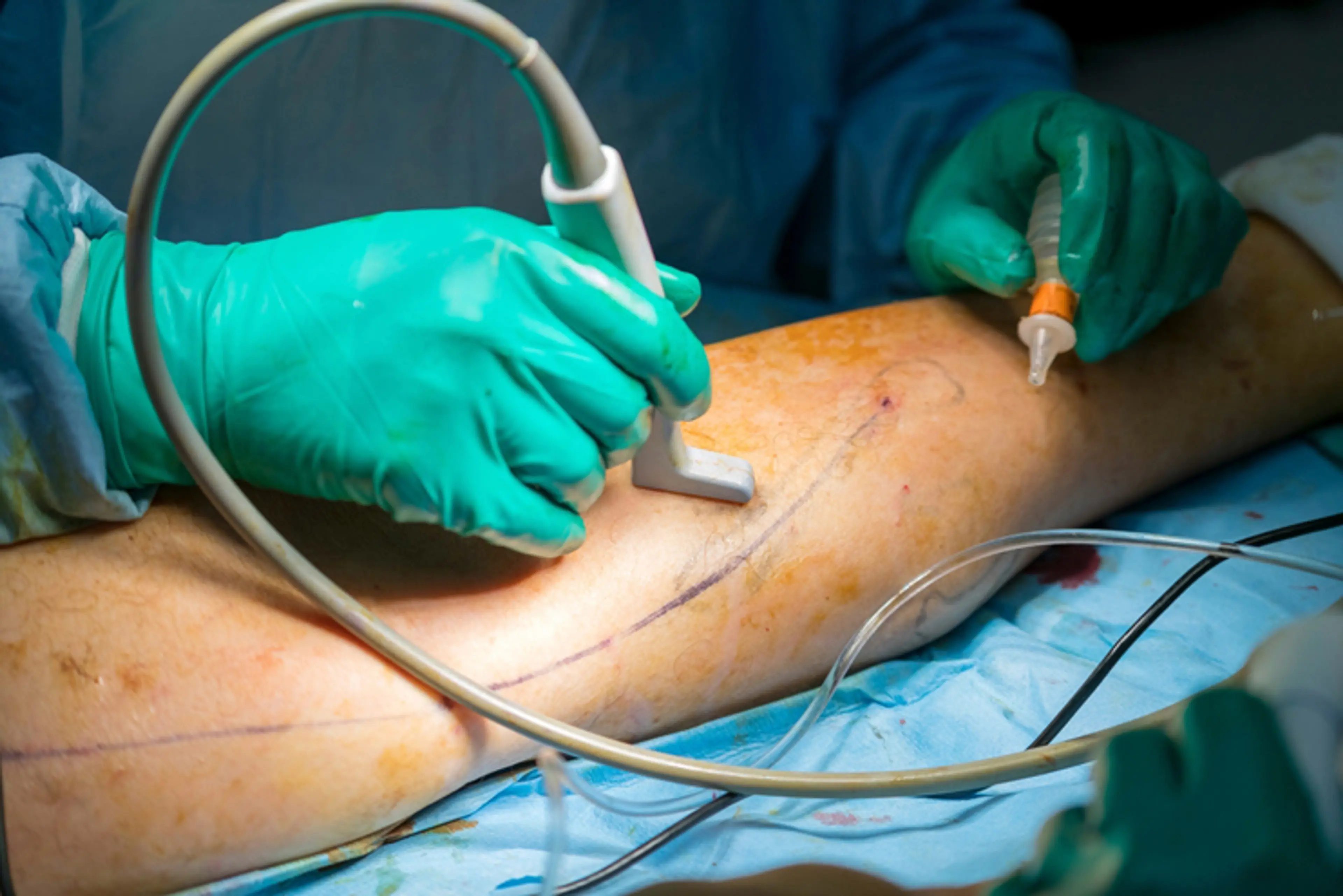
While varicose veins may seem like a cosmetic concern, they can significantly affect a person’s quality of life and overall health. For those struggling with these veins, seeking an effective treatment is essential. Fortunately, there are several options available, with compression therapy and surgical intervention being two of the most common treatments. But how do you know which is the right option for you? Understanding these treatments’ benefits, risks, and differences will help you make an informed decision tailored to your needs.
What is Compression Therapy?
what-is-compression-therapyCompression therapy is a non-invasive treatment primarily aimed at improving blood circulation in the legs. It involves wearing specially designed compression stockings or bandages that apply consistent pressure to the lower legs. The compression helps the veins in the legs work more efficiently by preventing blood from pooling and encouraging it to flow back to the heart.
Compression therapy is particularly effective for managing symptoms of varicose veins, such as swelling, leg fatigue, and pain. It’s commonly used to alleviate discomfort and slow down the progression of the condition. The treatment works by improving circulation, reducing the appearance of veins, and preventing complications like blood clots and ulcers.
One of the major advantages of compression therapy is its non-invasive nature. It requires no surgical procedures, which means there’s no downtime or recovery period associated with it. Compression stockings are easy to wear throughout the day and can be incorporated into your daily routine. Additionally, this method is generally low-cost, making it an accessible option for many individuals.
However, it’s important to note that while compression therapy is effective for managing symptoms, it doesn’t address the underlying causes of varicose veins. Therefore, it’s considered more of a
conservative treatment aimed at alleviating symptoms and preventing further vein issues, rather than providing a permanent solution.
What is Vein Surgery?
what-is-vein-surgeryVein surgery involves a range of surgical procedures designed to treat varicose veins by directly addressing the underlying causes, such as vein valve failure or poor circulation. There are several different types of
vein surgeries, including
vein stripping,
phlebectomy, and more advanced minimally invasive treatments like
Endovenous Laser Ablation (EVLA),
Radiofrequency Ablation (RFA), and
VenaSeal™.
Vein Stripping and Phlebectomy: These traditional surgical methods involve removing or tying off the problematic veins. Vein stripping is a more invasive procedure, typically performed under general anesthesia, where the affected vein is surgically removed. Phlebectomy is a less invasive option that involves removing small sections of the vein through tiny incisions.
Endovenous Laser Ablation (EVLA): EVLA is a minimally invasive technique that uses laser energy to seal the affected vein. A small catheter is inserted into the vein, and the laser targets the vein wall, causing it to collapse and seal shut. This method is performed under local anesthesia and is a popular choice for treating varicose veins due to its effectiveness and shorter recovery time.
Radiofrequency Ablation (RFA): Similar to EVLA, RFA uses radiofrequency energy to heat and close off varicose veins. This technique is also minimally invasive and is associated with less discomfort and faster recovery times than traditional surgery.
VenaSeal™: This is a newer, non-surgical technique that involves using a medical adhesive to close off varicose veins. VenaSeal™ is performed under local anesthesia and requires no incisions or stitches, making it a very appealing option for many patients.
The primary advantage of vein surgery, particularly the minimally invasive options, is that they target the root cause of the varicose veins. By closing off or removing the damaged veins, these procedures offer long-term or permanent relief. This makes surgery a more definitive solution for severe cases of varicose veins or chronic venous insufficiency.
While surgery is highly effective, it is also more invasive than compression therapy. There may be a short recovery period, and some patients may experience side effects such as bruising, swelling, or the formation of blood clots. However, with the latest minimally invasive techniques, such as EVLA and RFA, recovery times have been significantly reduced, allowing patients to return to normal activities much quicker than with traditional vein stripping.
How Compression Therapy and Surgery Differ
how-compression-therapy-and-surgery-differBoth compression therapy and vein surgery are effective treatments, but they differ greatly in terms of invasiveness, effectiveness, cost, and recovery time. Understanding these differences will help you determine which treatment might be best suited to your condition.
Invasiveness:
Compression therapy is non-invasive, involving only the use of compression stockings to manage symptoms.
Surgical treatments vary in invasiveness, but even minimally invasive techniques like EVLA and RFA require the insertion of a catheter or use of heat energy to close off veins, which can involve small incisions or the use of local anesthesia.
Effectiveness:
Compression therapy is effective at managing symptoms of varicose veins, such as pain, swelling, and fatigue. However, it does not treat the underlying vein problem and is generally considered a temporary solution for less severe cases.
Surgery, particularly EVLA, RFA, and VenaSeal™, targets the root cause of varicose veins and provides a permanent solution by sealing off or removing the affected veins. This offers long-term relief and is particularly effective for more severe cases of varicose veins.
Recovery Time:
Compression therapy requires no recovery time. Patients simply wear compression stockings as directed and go about their normal activities.
Surgical treatments require a short recovery period, with most minimally invasive surgeries allowing patients to return to work and daily activities within a few days. Traditional surgery, like vein stripping, may require longer recovery times and more significant post-treatment care.
Cost Considerations:
Compression therapy is generally more affordable, as it involves purchasing compression stockings or bandages. However, it doesn’t offer a permanent fix, which means long-term costs can add up.
Surgical treatments often involve higher upfront costs, particularly for advanced techniques like EVLA or VenaSeal™. However, these procedures provide lasting results, reducing the need for ongoing treatment.
Ultimately, the choice between compression therapy and surgery depends on the severity of your varicose veins, your health status, and your personal preferences. For mild cases, compression therapy may be sufficient to manage symptoms. However, for more advanced cases, surgical options offer a more comprehensive, long-lasting solution.
When is Compression Therapy the Right Choice?
when-is-compression-therapy-the-right-choiceCompression therapy is an excellent option for individuals with mild to moderate varicose veins. It's most effective for managing symptoms like leg pain, swelling, and heaviness, rather than addressing the underlying vein issues. It’s also ideal for those who prefer a non-invasive treatment approach, as it involves simply wearing compression stockings throughout the day.
Compression therapy is particularly beneficial for individuals with lower-risk varicose veins, or those who cannot undergo surgery due to age, health conditions, or personal preference. It’s also commonly used as a preventive measure for people at risk of developing varicose veins, such as those with a family history or those who spend long hours on their feet. However, while effective for symptom relief, it doesn’t provide a permanent solution to varicose veins.
When is Surgery the Right Choice?
when-is-surgery-the-right-choiceSurgical treatments are typically recommended for severe varicose veins or cases where compression therapy alone isn’t sufficient. When varicose veins cause significant pain, discomfort, or complications like ulcers, surgery may be the best option to address the underlying issue.
Surgical options such as Endovenous Laser Ablation (EVLA), Radiofrequency Ablation (RFA), and VenaSeal™ offer a more permanent solution, closing off the damaged veins to prevent further issues. Surgery is also recommended for chronic venous insufficiency, where vein valves are failing and blood flow is severely impaired. If left untreated, this can lead to more serious complications, including blood clots and skin ulcers.
Effectiveness: Compression Therapy vs. Surgery
effectiveness:-compression-therapy-vs.-surgeryCompression therapy effectively manages symptoms like swelling and discomfort but doesn't treat the underlying cause of varicose veins. It's a temporary solution that can help prevent the progression of the condition, but the veins will often remain visible and may worsen over time.
On the other hand, surgical treatments such as EVLA and RFA are designed to close off the damaged veins, offering a permanent solution. These procedures are highly effective at removing or sealing veins that contribute to varicose vein symptoms, providing long-term relief and preventing recurrence.
Pain and Recovery: What to Expect
pain-and-recovery:-what-to-expectOne of the key differences between compression therapy and surgery is the recovery process. With compression therapy, there’s no recovery period—patients can simply wear the stockings and continue with their daily activities. The primary discomfort may come from wearing the stockings for extended periods, but it's generally mild.
In contrast, surgical treatments typically involve a short recovery time. Minimally invasive procedures like EVLA and RFA have relatively quick recovery periods, with most patients able to resume normal activities within a few days. However, more invasive procedures like vein stripping may require a longer recovery time and more intensive aftercare. Patients may experience mild bruising, swelling, or discomfort during the recovery process, but these symptoms generally subside in a few weeks.
Potential Risks and Complications of Each Treatment
potential-risks-and-complications-of-each-treatmentBoth compression therapy and surgical treatments come with their own set of risks, though the severity and likelihood of complications vary.
Compression Therapy: The risks associated with compression therapy are generally minimal but can include skin irritation or discomfort from prolonged wear of compression stockings. In rare cases, patients may experience poor circulation if the stockings are too tight or worn improperly.
Vein Surgery: Surgical treatments, particularly invasive procedures like vein stripping, carry higher risks, including infection, deep vein thrombosis (DVT), bruising, and nerve damage. However, minimally invasive techniques like EVLA, RFA, and VenaSeal™ have reduced these risks significantly. While still low, complications like skin burns, temporary swelling, and post-procedural discomfort can occur but are typically manageable.
At Charm Vascular Clinic, safety protocols are followed to ensure minimal complications, with highly skilled practitioners performing advanced, FDA-approved treatments.
Long-Term Management of Varicose Veins
long-term-management-of-varicose-veinsWhile surgical treatments offer a permanent solution to varicose veins, compression therapy requires ongoing management. Patients using compression stockings will need to continue wearing them to prevent symptoms from returning or worsening, especially in cases where surgery isn’t an option or isn’t necessary.
For both treatment options, lifestyle changes are important for maintaining vein health. Regular exercise, weight management, and avoiding prolonged periods of sitting or standing can help improve circulation and reduce the risk of future vein issues. After surgery, follow-up care at Charm Vascular Clinic is essential to monitor the treated veins and ensure the best possible results.
The Role of Charm Vascular Clinic in Treatment
the-role-of-charm-vascular-clinic-in-treatmentCharm Vascular Clinic is a leading provider of both compression therapy and surgical vein treatments, offering patients access to some of the most advanced and effective treatments available today. With expertise in minimally invasive procedures like EVLA, RFA, and VenaSeal™, Charm Vascular Clinic is committed to providing personalized care tailored to each patient’s unique condition.
Under the guidance of
Dr. Insoo Park, a leader in vascular care, the clinic has treated thousands of patients and consistently delivers excellent outcomes. Patients can trust the clinic for its commitment to patient safety, advanced technology, and comprehensive aftercare, ensuring the highest standards of treatment and comfort.
Patient Testimonials: Real Stories, Real Results
patient-testimonials:-real-stories-real-resultsAt Charm Vascular Clinic, patients have experienced significant improvements in both the appearance of their varicose veins and their overall quality of life. One patient shared how compression therapy helped them manage mild symptoms for several years, while another described how EVLA provided them with a permanent solution to severe varicose veins, restoring their confidence and reducing discomfort.
These real stories highlight the clinic's success in providing individualized care and achieving remarkable outcomes. Whether opting for
compression therapy or
surgical treatment,
Charm Vascular Clinic is dedicated to ensuring that each patient’s experience is as comfortable and effective as possible.
How to Decide Between Compression Therapy and Surgery
how-to-decide-between-compression-therapy-and-surgeryChoosing between compression therapy and surgery largely depends on the severity of your varicose veins and your individual health needs. If you’re experiencing mild to moderate symptoms like leg swelling and fatigue, compression therapy might be an effective and non-invasive option to manage the condition. It's also ideal for individuals looking for preventive care or those who are not ready for surgery.
However, if your varicose veins are causing significant discomfort or complications like ulcers or chronic venous insufficiency, surgical options such as EVLA, RFA, or VenaSeal™ may be the best course of action. These procedures target the underlying problem, providing a more permanent solution.
When deciding, it’s essential to consult with a vascular specialist at Charm Vascular Clinic. The clinic’s expert team, led by Dr. Insoo Park, can assess your condition and recommend the most appropriate treatment plan, ensuring that you receive personalized care that aligns with your health needs and lifestyle.
Frequently Asked Questions (FAQs)
frequently-asked-questions-(faqs)Q: Is compression therapy enough to treat varicose veins?
q:-is-compression-therapy-enough-to-treat-varicose-veinsCompression therapy is effective for managing symptoms of varicose veins, but it does not address the underlying issue. It’s often recommended for mild cases or for preventive care, but for severe cases, surgery may be required for long-term relief.
Q: How soon can I return to normal activities after surgery?
q:-how-soon-can-i-return-to-normal-activities-after-surgeryFor minimally invasive surgeries like EVLA and RFA, most patients can return to regular activities within a few days. However, more invasive surgeries like vein stripping require a longer recovery period. Your vascular surgeon at Charm Vascular Clinic will provide guidance on what to expect.
Q: Are there any side effects of surgery?
q:-are-there-any-side-effects-of-surgeryWhile risks are generally low with minimally invasive procedures, some patients may experience temporary bruising, swelling, or discomfort. Rare complications can include infection or deep vein thrombosis. However, these risks are minimized with advanced techniques and careful post-surgery care.
Q: How long does compression therapy take to work?
q:-how-long-does-compression-therapy-take-to-workThe effects of compression therapy can be immediate in terms of symptom relief, with many patients noticing reduced swelling and leg discomfort after just a few days of use. However, it is a long-term treatment that requires consistent use to manage symptoms effectively.
Conclusion
conclusionUltimately, whether you choose compression therapy or surgery depends on the severity of your varicose veins, your personal preferences, and the guidance of a qualified vascular specialist. For those with mild symptoms or as a preventive measure, compression therapy offers a simple, non-invasive solution. However, for more severe cases or those seeking a permanent solution, surgical treatments like EVLA, RFA, and VenaSeal™ are highly effective.
If you’re unsure about which treatment is right for you, the experts at Charm Vascular Clinic are here to help. With a team of specialists, led by Dr. Insoo Park, the clinic offers advanced, minimally invasive procedures tailored to meet your specific needs. Charm Vascular Clinic has earned a reputation for delivering safe, effective, and compassionate care to thousands of patients.