At first glance, it might seem logical to assume that varicose veins — clearly a vascular issue — would influence your overall blood pressure. After all, veins are part of the same circulatory system that moves blood throughout the body. But the relationship isn’t as straightforward as it might seem.
This is a question we often hear at Charm Vascular Clinic in Seoul, especially from middle-aged or older patients managing both hypertension and venous problems. So let’s walk through it — not just from a medical textbook point of view, but from the perspective of what real patients need to understand when living with both conditions.
Understanding the Role of Veins vs Arteries in Blood Pressure
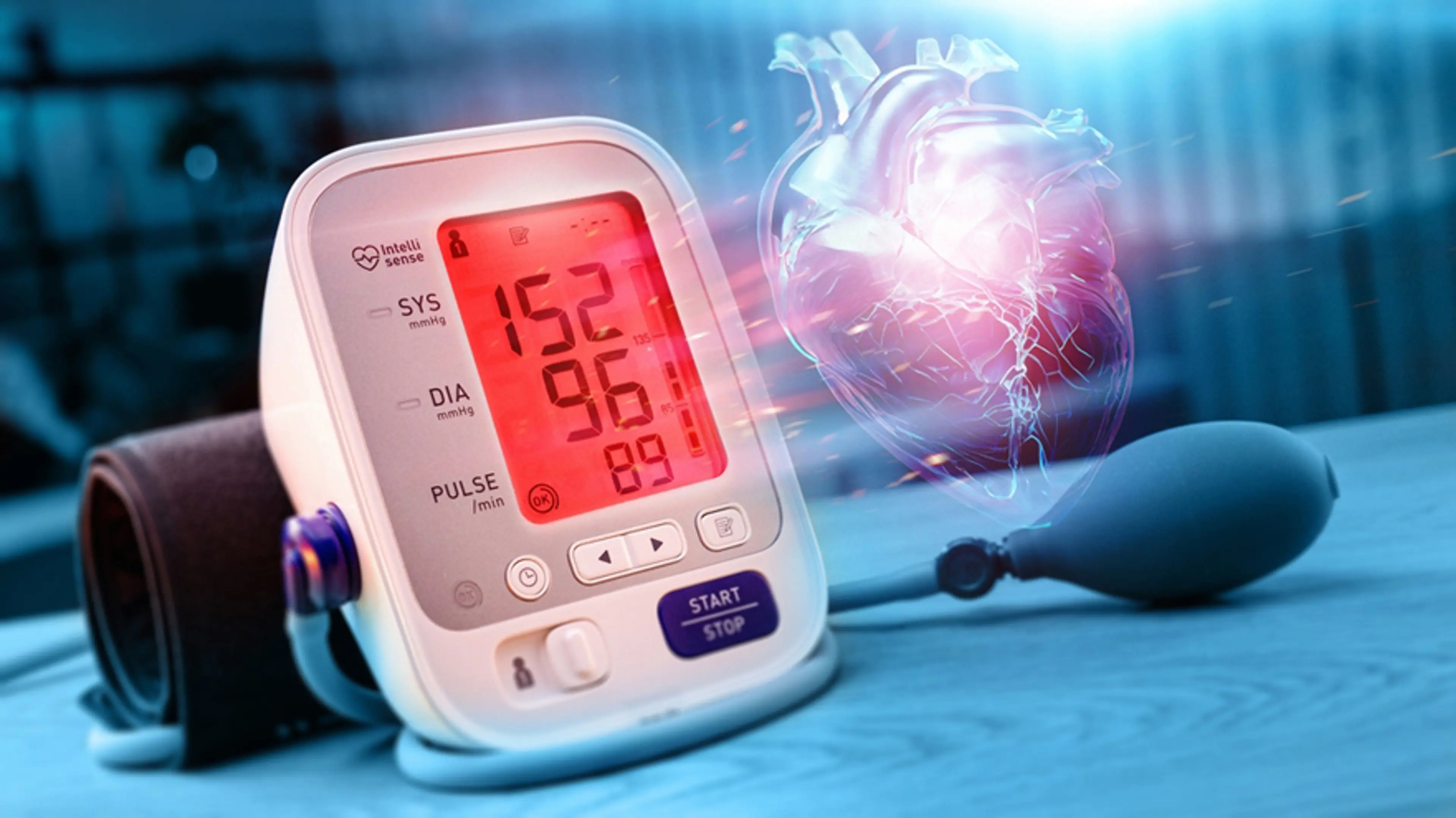
understanding-the-role-of-veins-vs-arteries-in-blood-pressureFirst, let’s define what we mean by "blood pressure." When your doctor checks your pressure using a cuff on your arm, they are measuring arterial blood pressure — the force of blood as it travels through the arteries from the heart to the rest of the body.
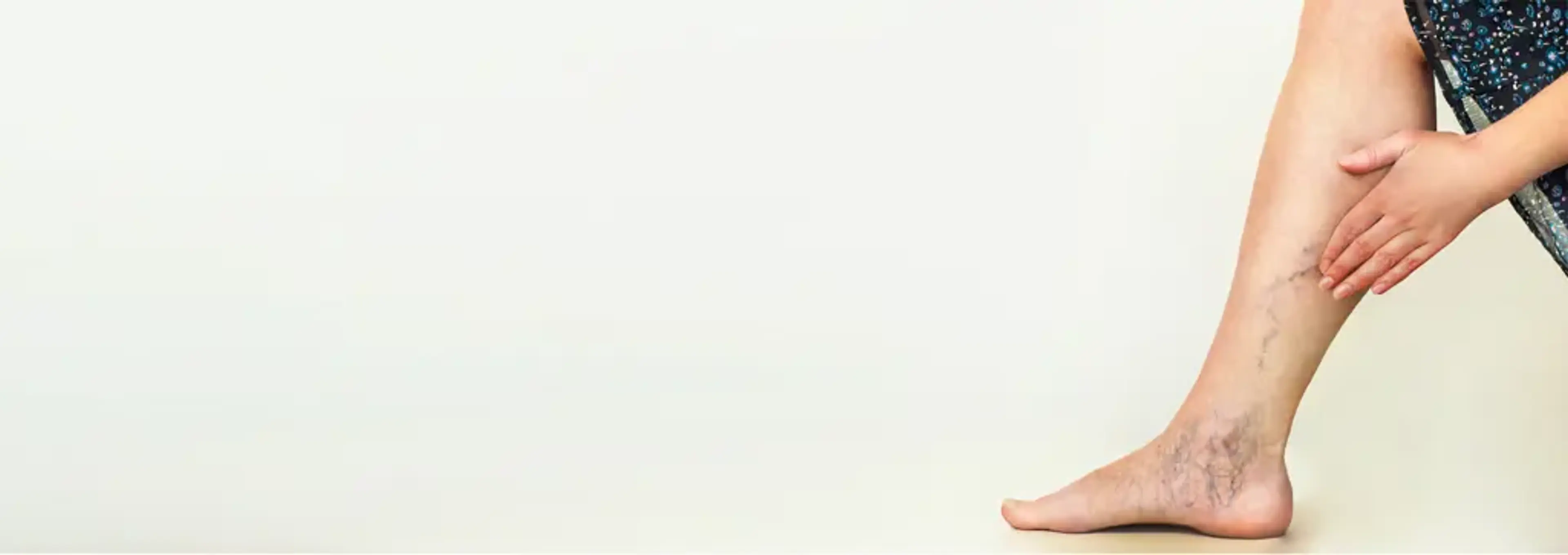
Varicose veins, specifically, are a problem of the veins in the legs. They occur when the one-way valves inside these veins become weak or damaged. Instead of efficiently pushing blood upward toward the heart, the blood flows backward and pools, stretching the vein walls and causing those familiar twisted, bulging shapes on the surface of the skin.
However, this pooling doesn’t cause a system-wide rise in blood pressure.
In medical terms: Varicose veins do not cause systemic hypertension.
This is a crucial distinction. The increased pressure inside the affected veins — what we call venous hypertension — is localized. It may cause leg swelling, skin changes, or ulcers, but it does not affect the pressure in the arteries, which is what we track as blood pressure.
Can High Blood Pressure Contribute to Varicose Veins?
can-high-blood-pressure-contribute-to-varicose-veinsThis is where the conversation becomes more relevant to daily life. While varicose veins don’t directly influence arterial blood pressure, having high blood pressure (hypertension) can potentially exacerbate or accelerate the development of vein problems.
Here’s how:
Chronic hypertension can damage blood vessel walls, making veins more fragile and prone to valve failure.
It can also affect circulatory dynamics, increasing resistance in smaller vessels, which puts more strain on the venous return system — especially in the legs, where blood must travel upward against gravity.
People with hypertension often have coexisting conditions like obesity, diabetes, or sedentary lifestyles — all of which contribute to chronic venous insufficiency.
In Korean patients, where diet, stress, and long work hours can all contribute to elevated blood pressure, it’s not uncommon to see both conditions — hypertension and varicose veins — in the same person. But again, it’s not a cause-and-effect relationship. It’s more accurate to say they share risk factors and may worsen each other indirectly.
Local Vein Pressure vs Overall Blood Pressure
local-vein-pressure-vs-overall-blood-pressureTo make it clearer, think of your circulatory system like a multi-level building with two plumbing systems:
The main water pressure in the building represents arterial blood pressure — consistent, powerful, and essential for daily function.
A leaky pipe in one apartment represents a varicose vein — a localized problem that may cause damage in one area (swelling, staining on the wall, mold), but doesn’t raise the building’s overall pressure.
So yes, your leg veins may feel heavy, tight, or even painful from venous pooling, but your systolic and diastolic readings during a checkup may remain perfectly normal.
What Happens When Varicose Veins Are Left Untreated?
what-happens-when-varicose-veins-are-left-untreated
Even if they don’t raise your overall blood pressure, untreated varicose veins can still cause serious health problems, especially when the condition progresses to chronic venous insufficiency (CVI).
Clinical signs of advanced vein disease include:
Persistent leg swelling (edema), often worse at the end of the day
Darkened or hardened skin near the ankles (lipodermatosclerosis)
Itching or flaking skin (venous eczema)
Bleeding from surface veins
Venous leg ulcers, which can become infected and slow to heal
Superficial thrombophlebitis — painful clots in surface veins
In rare cases, deep vein thrombosis (DVT), a potentially dangerous clot that can travel to the lungs
These complications don’t show up on a blood pressure monitor — but they dramatically impact your vascular health, comfort, and mobility. In Korea, where people are often expected to stay active into older age, maintaining leg health is essential not just for aesthetics, but for preserving independence and quality of life.
Varicose Veins and Fatigue: The Overlooked Symptom
varicose-veins-and-fatigue:-the-overlooked-symptomOne thing many patients at Charm Vascular Clinic mention — often after treatment — is that they "feel lighter" or "less tired" even if they hadn’t realized how much the veins were dragging them down.
Chronic venous congestion causes more than just swelling or aching:
It forces your muscles to work harder with each step.
It reduces oxygen delivery in the tissues.
It causes low-grade inflammation in the legs over time.
This means that even though varicose veins don’t directly affect your cardiovascular endurance or oxygen capacity, they can leave you feeling sluggish and uncomfortable, especially after long days of standing or walking.
In Seoul, where commuting, walking, and being on your feet all day is part of life, this kind of daily fatigue can quietly chip away at your energy, productivity, and mood.
What to Watch For: When to See a Vascular Specialist
what-to-watch-for:-when-to-see-a-vascular-specialistIf you’re trying to figure out whether your symptoms are from hypertension, vein disease, or both, pay attention to the following:
Swelling in the lower legs or ankles, especially that improves overnight
Visible blue, green, or purple veins that twist or bulge
A feeling of heaviness, aching, or burning in the legs
Worsening symptoms with standing, and relief with elevation
Skin darkening, dryness, or irritation around the shins
Leg cramps or restless legs, especially at night
Even if your blood pressure readings are normal, these symptoms suggest underlying venous insufficiency, and they’re best evaluated by a vascular surgeon, not a general practitioner.
Modern Treatments — Without Surgery or Hospitalization
modern-treatments-without-surgery-or-hospitalizationAt Charm Vascular Clinic, we specialize in minimally invasive treatments designed to address vein disease with minimal recovery time.
The three most common options include:
🔹 Endovenous Laser Ablation (EVLA)
endovenous-laser-ablation-(evla)Uses laser energy to close off faulty veins from the inside. Highly effective and done under local anesthesia.
🔹 Radiofrequency Ablation (RFA)
radiofrequency-ablation-(rfa)
Similar to EVLA, but uses radiofrequency waves. It’s gentle on surrounding tissues and has a high success rate.
🔹 VenaSeal™ Closure System
venasealtm-closure-systemA medical adhesive seals the vein shut with no heat. Ideal for patients who want virtually no downtime and no compression stockings after treatment.
Each of these procedures takes less than an hour, and patients walk out the same day. There’s no need for general anesthesia, stitches, or hospitalization — which makes them an ideal choice for busy Seoul residents or those concerned about surgical risks.
What These Treatments Won’t Do
what-these-treatments-won't-doIt’s important to be clear: Treating your varicose veins won’t lower your blood pressure.
That’s a separate issue, managed by your primary care physician or cardiologist through lifestyle changes, medication, and monitoring. But what treatment will do is:
Improve circulation in the legs
Reduce chronic swelling and discomfort
Prevent complications like ulcers or blood clots
Boost energy levels by reducing the burden on your veins
In other words, you’ll feel better, move more easily, and protect your long-term vascular health — even if your blood pressure stays the same.
Final Thoughts: Two Conditions, One Body
final-thoughts:-two-conditions-one-bodyVaricose veins and high blood pressure may not cause each other, but they often travel together — especially in adults over 40, or those with sedentary jobs, long-standing metabolic conditions, or a family history of vascular disease.
The key is understanding that both need attention, but from different specialists.
At Charm Vascular Clinic, we work closely with patients to create personalized, modern, and minimally invasive care plans that fit into their lives — not just as a cosmetic fix, but as a meaningful improvement in vascular health, mobility, and well-being.
If you’ve been dealing with tired legs, swelling, or visible veins — even if your blood pressure is under control — don’t ignore it.
A consultation with a vascular specialist can give you clarity, peace of mind, and options that are far easier than you might think.