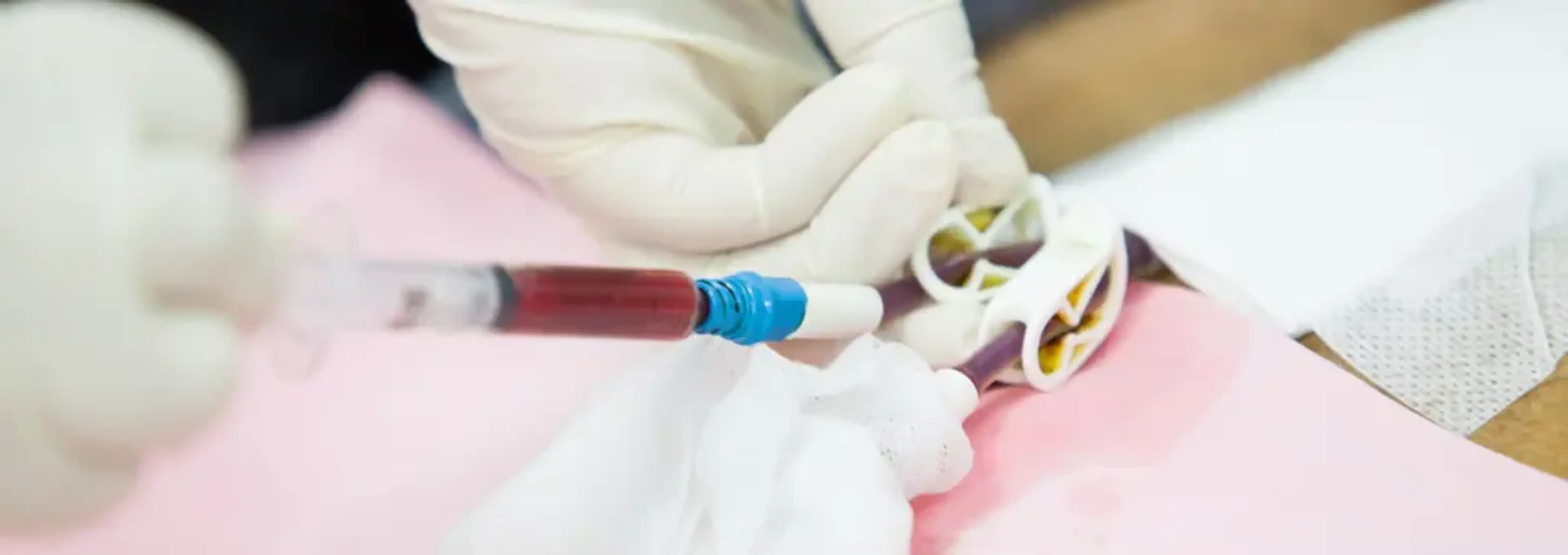
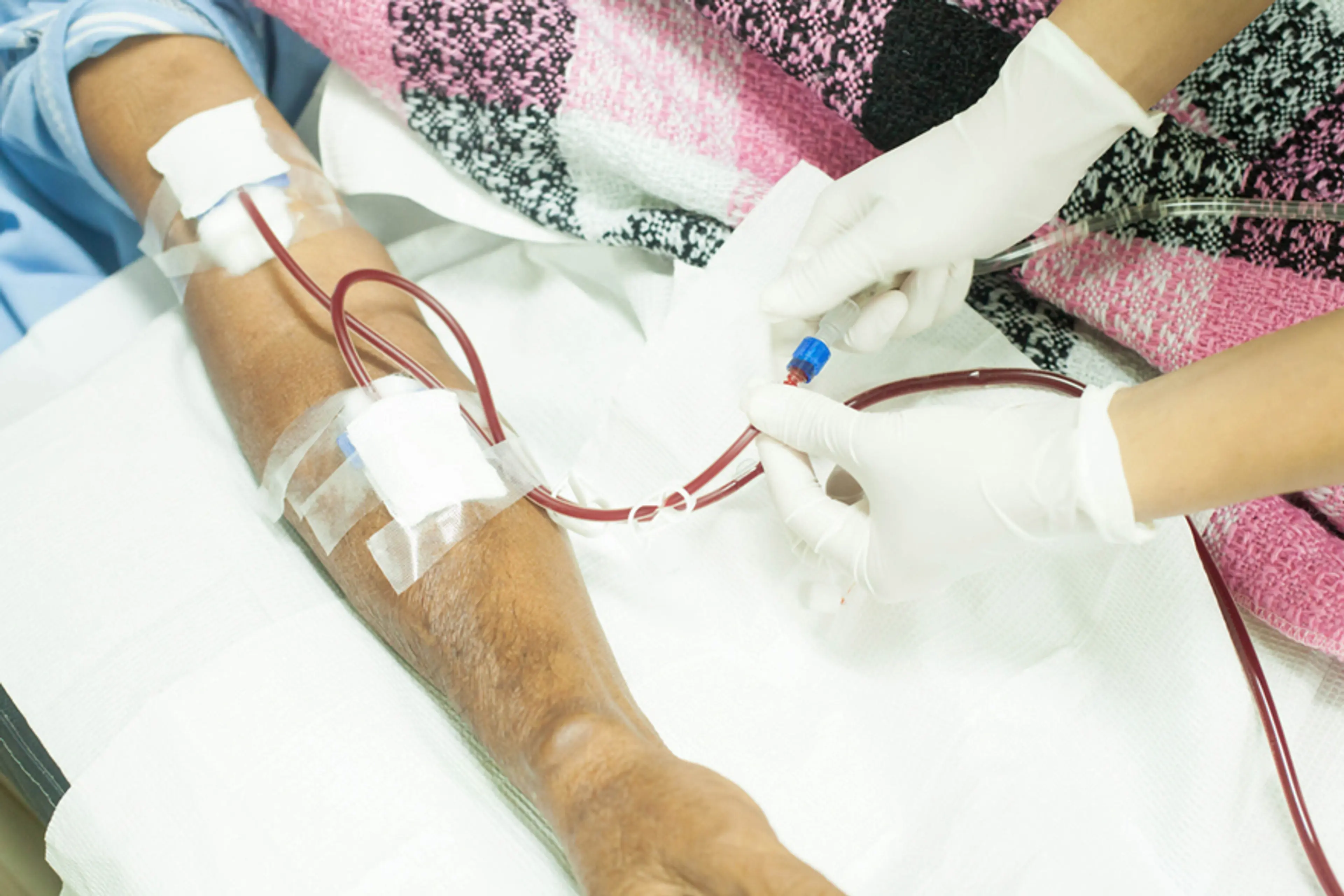
For many patients undergoing dialysis, an arteriovenous fistula (AVF) isn’t just a surgical connection between an artery and vein — it’s a lifeline. Over time, you get used to its rhythms: the vibration under your fingers, the familiar sound of blood rushing through. But what happens when something feels... off?
AVF failure doesn’t always begin with obvious pain or swelling. Often, the earliest signs are subtle — easy to dismiss but critical to catch. And the truth is, the earlier we detect issues, the more options we have to prevent full access loss.
At Charm Vascular Clinic in Seoul, we specialize in detecting and treating vascular issues before they escalate. Here’s what we encourage our patients — and their families — to watch for.
What Exactly Is AVF Failure?
what-exactly-is-avf-failure“Failure” might sound dramatic, but it usually refers to a decline in the function of the fistula — when it stops providing the steady, high-flow access needed for effective dialysis.
The most common cause? Stenosis, or narrowing of the vessel. Left untreated, this narrowing can reduce blood flow, eventually leading to clotting (thrombosis) and complete shutdown of the access.
But here’s the thing: full failure rarely happens overnight. It often starts with small signs you can feel, hear, or notice in your dialysis routine.
Why Early Detection Is So Important
why-early-detection-is-so-importantThe earlier you catch a problem, the easier it is to fix.
At our clinic, we often perform balloon angioplasty — a minimally invasive procedure to open up a narrowed area. But this is most effective when the issue is caught early. If the fistula clots completely, you may need emergency intervention or even temporary use of a central line.
In other words: a small concern today could prevent a much bigger problem tomorrow.
Subtle Signs You Should Never Ignore
subtle-signs-you-should-never-ignore1. The Thrill Feels Different
1.-the-thrill-feels-differentYou should feel a continuous buzzing or “thrill” when you place your fingers lightly over your AVF. If the thrill:
…it could signal narrowing or poor flow.
Many patients tell us, “It’s still there, just not as strong.” That’s already enough reason to get it checked.
2. The Sound of the Bruit Changes
2.-the-sound-of-the-bruit-changesIf you or your care team use a stethoscope to listen to the fistula (the bruit), a healthy AVF has a low, steady "whooshing" sound.
But a whining, high-pitched bruit can suggest narrowing — while a fainter or absent bruit may signal very low flow or impending thrombosis.
Trust your ears. If something sounds different, it probably is.
3. Bleeding Lasts Longer After Dialysis
3.-bleeding-lasts-longer-after-dialysisNormally, bleeding stops within a few minutes after the dialysis needles are removed. But if:
You need prolonged pressure
Bleeding continues for more than 20 minutes
There’s frequent oozing from the site
…it may be a sign of venous hypertension or outflow obstruction.
This is one of the more overlooked symptoms — but it often shows up early in the progression toward AVF failure.
4. Swelling or Redness Around the AVF
4.-swelling-or-redness-around-the-avfSome puffiness is expected, but persistent swelling, warmth, or redness could point to:
Obstruction (blood backing up in the vein)
Infection (especially if it’s hot or painful)
Inflammation due to increased pressure
If your arm looks visibly larger than usual, especially on the AVF side, call your care team.
5. Dialysis Suddenly Feels Different
5.-dialysis-suddenly-feels-different
Even before symptoms appear at the access site, your dialysis machine may hint at trouble:
Lower blood flow rates
Increased arterial or venous pressures
Higher recirculation rates
Drop in dialysis efficiency (e.g., Kt/V or URR)
These metrics can reflect hidden stenosis. They’re usually the first thing your dialysis center will notice — but it’s even more powerful when you notice changes too.
6. Cannulation Becomes Difficult
6.-cannulation-becomes-difficultWas your AVF always easy to needle — and now it’s not?
If nurses struggle to place needles, or if the vein seems to have shifted, rolled, or scarred, it may reflect changes in vessel structure due to narrowing or previous trauma.
At Charm, we often find that these subtle issues precede thrombosis by weeks. Recognizing this early can preserve the access with a simple intervention.
What Causes AVF Failure?
what-causes-avf-failureThe underlying issues vary, but here are the most common culprits we see:
Intimal hyperplasia – abnormal growth inside the vein causing narrowing
Repeated trauma – from difficult cannulations or tight compression post-dialysis
Poor vessel development – especially in newer AVFs that never matured properly
High shear stress – from turbulent blood flow damaging the vessel walls
Regardless of cause, failure becomes more likely when early signs go unnoticed.
Why These Signs Are Often Missed
why-these-signs-are-often-missedTwo reasons:
They’re subtle — You may feel a difference in thrill or see a bit more bruising, but think “It’s probably nothing.”
No one taught you what to look for — Many patients are told to “feel for the thrill,” but not what changes to notice.
At Charm Vascular Clinic, we make it a priority to educate patients on self-checks. Just 10 seconds a day feeling your access can prevent serious complications down the line.
What to Do If You Suspect a Problem
what-to-do-if-you-suspect-a-problemStep 1: Don’t Ignore It
step-1:-don't-ignore-itAny change in thrill, bleeding, sound, swelling, or dialysis performance should be reported. It's better to be overly cautious than to risk full access loss.
Step 2: Ask for an AVF Evaluation
step-2:-ask-for-an-avf-evaluation
This may include:
Physical exam by a vascular specialist
Doppler ultrasound to measure blood flow and detect stenosis
Angiography if imaging shows a more serious issue
These evaluations are quick, non-invasive, and often covered by national insurance.
Step 3: Get It Treated — Early
step-3:-get-it-treated-earlyMinimally invasive procedures like angioplasty or fistuloplasty can restore normal flow in a single outpatient visit.
The key is acting before the problem worsens. Once a clot forms, salvage becomes harder — and sometimes impossible.
When to Seek Urgent Help
when-to-seek-urgent-helpCall your clinic or visit the hospital if you notice:
These are not early warning signs — they’re red flags that require same-day attention.
Your AVF Is Worth Protecting
your-avf-is-worth-protectingAt Charm Vascular Clinic, we’ve treated hundreds of patients with AVF dysfunction — and what we’ve learned is this:
Most AVFs don’t fail suddenly. They whisper their warnings.
All it takes is a bit of awareness and a willingness to act early. Whether it’s a softer thrill, longer bleeding, or just a gut feeling that something’s off — your body is speaking. The sooner we listen, the easier it is to help.
If you’ve noticed any of these signs, or if you want a professional evaluation of your access, consider visiting a specialized center like Charm Vascular Clinic. Our team is dedicated to preserving your access and your peace of mind — with personalized, minimally invasive care you can trust.