Introduction
how-a-failed-av-fistula-can-impact-dialysis-and-what-to-do-about-itFor individuals undergoing dialysis, the arteriovenous (AV) fistula is considered the gold standard for access to the bloodstream. This surgical connection between an artery and a vein is intended to provide reliable, efficient, and long-term access for hemodialysis treatments. However, like any medical procedure, there are risks, and sometimes the AV fistula may fail. A failed AV fistula can significantly impact a patient's ability to undergo dialysis, creating a challenging situation for both the patient and healthcare providers.
At Charm Vascular Clinic, we understand the importance of maintaining optimal vascular access for dialysis patients. In this article, we will explore how a failed AV fistula can impact dialysis and discuss the steps patients can take to address and manage this issue.
What is an AV Fistula?
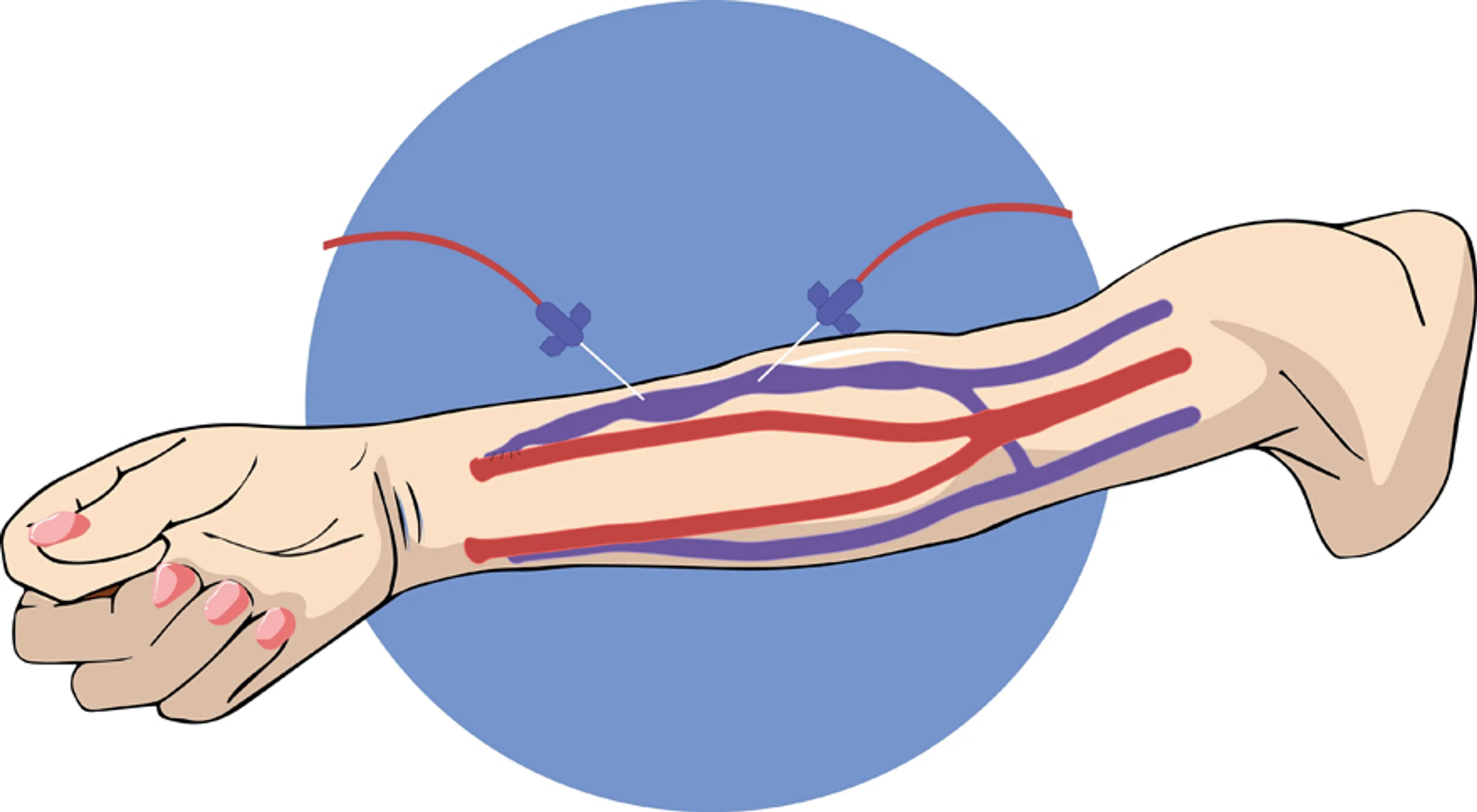
what-is-an-av-fistulaAn AV fistula is a surgically created connection between an artery and a vein, typically in the arm. The purpose of this connection is to provide a strong and durable access point for hemodialysis, which requires blood to be removed from the body, cleaned, and then returned to the bloodstream.
AV fistulas are preferred over other dialysis access methods because they have a lower risk of infection, longer lifespan, and better blood flow. However, it’s important to note that creating and maintaining a successful AV fistula can be a complex process that involves careful monitoring and attention to potential complications.
Why Do AV Fistulas Fail?
why-do-av-fistulas-failSeveral factors can contribute to the failure of an AV fistula. Some of the most common reasons include:
Poor Maturation: After the fistula is created, it needs time to "mature" – meaning it must grow large enough to handle the required blood flow. If it doesn't mature properly, it may fail to provide adequate dialysis access.
Stenosis (Narrowing of the Blood Vessel): Over time, the vein or artery used for the fistula may become narrowed due to scarring or clotting, restricting blood flow.
Thrombosis (Clotting): Blood clots can form in the fistula, leading to complete blockage and the inability to use the access point for dialysis.
Infection: While AV fistulas are less prone to infection than other forms of dialysis access, infections can still occur and compromise the functionality of the fistula.
Aneurysms or Vein Dilation: The development of aneurysms or excessive dilation of the vein can weaken the fistula, causing it to fail.
Trauma or Damage: Physical injury or trauma to the fistula can damage the blood vessels, causing it to malfunction or fail entirely.
Vascular Disease: Conditions such as diabetes or hypertension can impact the health of the blood vessels, leading to complications with the AV fistula.
How a Failed AV Fistula Affects Dialysis
how-a-failed-av-fistula-affects-dialysis
When an AV fistula fails, dialysis becomes more difficult, and patients may experience several challenges:
Inadequate Blood Flow: The primary concern with a failed AV fistula is the lack of sufficient blood flow for dialysis. This means that the dialysis process cannot effectively cleanse the blood, which is essential for the patient’s overall health.
Interrupted Treatment: If the fistula fails during dialysis, the treatment may need to be cut short or canceled entirely. This disruption can result in dangerous consequences, such as fluid buildup or waste accumulation in the blood.
Need for Alternative Access: A failed AV fistula may require patients to use alternative dialysis access methods, such as a central venous catheter (CVC) or a graft. These alternatives can increase the risk of infection, clotting, and other complications.
Emotional and Psychological Impact: For many patients, the failure of an AV fistula can be emotionally taxing. Dialysis patients often have to deal with numerous medical challenges, and a failed fistula adds another layer of complexity to an already difficult situation. At Charm Vascular Clinic, we recognize the psychological burden dialysis patients often face and offer comprehensive support throughout the process.
Long-Term Health Implications: Chronic dialysis dependence is often required when an AV fistula fails. This extended reliance on dialysis can lead to further health problems, including cardiovascular strain, anemia, bone disease, and more.
Financial and Lifestyle Impact: Dealing with a failed AV fistula can also have financial and lifestyle implications. Patients may require more frequent visits to the dialysis clinic or face the potential for surgery or other medical interventions, all of which come with additional costs.
What to Do About a Failed AV Fistula
what-to-do-about-a-failed-av-fistulaWhile a failed AV fistula presents challenges, it is essential to take action to resolve the issue to ensure that dialysis can continue safely and effectively. At Charm Vascular Clinic, we believe in a patient-centered approach, focusing on solutions that not only address the physical aspects of dialysis access but also offer emotional and psychological support.
Consult with a Vascular Specialist
If you suspect that your AV fistula has failed, the first step is to consult with a vascular specialist. A vascular surgeon can perform diagnostic tests, such as ultrasound or angiography, to assess the fistula’s functionality. These tests will help determine the cause of failure and guide the next steps in treatment.
At Charm Vascular Clinic, we specialize in the diagnosis and treatment of vascular access issues for dialysis patients. Our experienced team will work with you to assess the situation and determine the most effective approach to restoring your access.
Balloon Angioplasty and Stenting
If stenosis (narrowing of the blood vessels) is the issue, balloon angioplasty can be an effective procedure. This minimally invasive treatment involves inflating a balloon inside the vein to widen the narrowed area. In some cases, a stent may be inserted to maintain the vessel's patency and prevent further narrowing. These procedures can help restore blood flow to the AV fistula and improve its function.
Fistula Revision or Repair
If the AV fistula is damaged or narrowed beyond repair, a revision or surgical repair may be necessary. This procedure aims to reconstruct or reposition the fistula to restore its function. In some cases, a new fistula may be created if the existing one is beyond repair.
Grafts and Alternative Access
In cases where the AV fistula cannot be salvaged, a graft or catheter may be used as an alternative access point for dialysis. Grafts are synthetic tubes inserted under the skin to connect an artery and vein, while central venous catheters are placed in large veins. While these options may be necessary in the short term, they come with increased risks, such as infection or clotting, and are typically considered less ideal than a functioning AV fistula.
Infection Treatment and Prevention
Infections can cause fistulas to fail, and treating the underlying infection is essential. This may involve antibiotics or, in severe cases, the removal of the infected fistula. Once the infection is cleared, the vascular access can be repaired or replaced as needed. Preventative measures, such as proper hygiene and regular monitoring, can reduce the risk of infection in the future.
Follow-Up Care and Monitoring
After addressing a failed AV fistula, regular follow-up care is critical. This includes periodic monitoring of the access site through ultrasound or other diagnostic tests to ensure it remains functional. At Charm Vascular Clinic, we provide continuous support to help you maintain a healthy and functional access site, ensuring that dialysis remains effective and safe.
Psychological Support
The impact of a failed AV fistula can be emotionally taxing for many dialysis patients. Dealing with complications, surgeries, and frequent visits to healthcare providers can cause stress, anxiety, and even depression. Charm Vascular Clinic is dedicated to offering psychological support and resources to help patients cope with the emotional and mental challenges associated with dialysis access problems.
Prevention and Long-Term Management
prevention-and-long-term-managementPreventing a failed AV fistula in the first place is ideal, but it requires proactive management and regular monitoring. Patients can take steps to reduce the risk of complications by:
Adhering to a healthy lifestyle: Managing underlying conditions like diabetes, hypertension, and high cholesterol can help maintain healthy blood vessels.
Avoiding trauma to the fistula: Protecting the access site from injury is crucial for maintaining its function.
Regular monitoring: Routine check-ups with your healthcare provider are essential for detecting issues early and preventing complications.
Conclusion
conclusionA failed AV fistula can significantly impact a patient's ability to undergo dialysis, but with timely intervention and expert care, the issue can often be managed effectively. At Charm Vascular Clinic, we are committed to providing comprehensive care for dialysis patients, helping you navigate the challenges of a failed AV fistula and ensuring that your dialysis access remains functional. Whether through surgery, angioplasty, or alternative access methods, our team is dedicated to finding the best solution for your needs, ensuring your health and quality of life are maintained.
If you’re experiencing issues with your AV fistula or need more information on how we can help, don’t hesitate to contact Charm Vascular Clinic today. We're here to support you every step of the way on your