Introduction
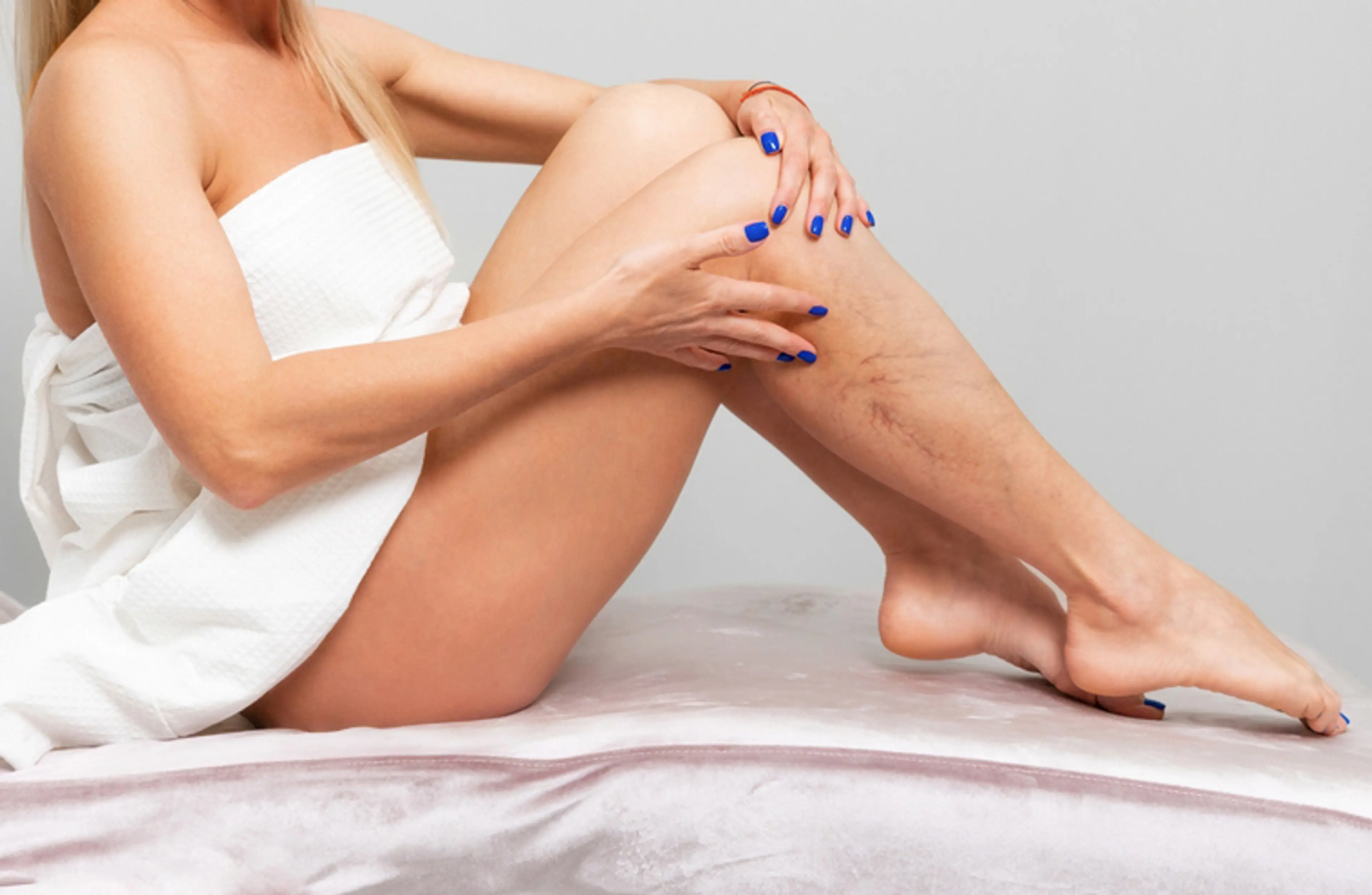
how-can-varicose-veins-affect-your-joint-healthMost people think of varicose veins as a purely cosmetic problem — those bulging, twisted veins on the legs that show up after years of standing, pregnancy, or simply aging. But the truth is, varicose veins are more than skin-deep. They reflect an underlying problem with blood flow in your legs, and over time, this circulation issue can affect much more than just how your veins look. One area that often gets overlooked is the connection between varicose veins and joint health.
At Charm Vascular Clinic in Seoul, we often see patients who come in complaining not only of vein problems but also of knee stiffness, ankle discomfort, or even hip pain. They are surprised when we explain how venous issues can indirectly contribute to these joint symptoms. Let’s explore why this happens.
Understanding the Basics: What Varicose Veins Do to Your Legs
understanding-the-basics:-what-varicose-veins-do-to-your-legsTo understand the link between veins and joints, it helps to know what varicose veins really are.
Veins in your legs have tiny one-way valves that act like gates, helping push blood upward toward your heart against gravity. When these valves weaken or fail, blood falls backward and begins to pool. That’s what creates the swollen, rope-like appearance of varicose veins.
But the visible bulging is only part of the picture. Beneath the skin, this process causes:
Increased pressure inside the leg veins (venous hypertension)
Chronic swelling (edema), especially around ankles and calves
Heaviness, aching, and fatigue that worsen with prolonged standing or sitting
This extra burden on the leg tissues doesn’t just stop at the skin — it radiates into the muscles, connective tissues, and, importantly, the joints that depend on smooth circulation and mobility.
How Varicose Veins Can Affect Your Joints
how-varicose-veins-can-affect-your-joints1. Swelling and Extra Pressure Around the Joints
1.-swelling-and-extra-pressure-around-the-joints
When blood pools in the legs, fluid often leaks out of the veins into surrounding tissues. This leads to swelling around the ankles, knees, and sometimes even hips. If you’ve ever tried to bend your knee or ankle when it feels swollen, you know how stiff it can be — like trying to bend a balloon filled with water. Over time, this stiffness limits mobility and increases joint strain.
At Charm Vascular Clinic, we’ve seen patients who thought their “arthritic knee pain” was primarily from aging, when in fact much of their discomfort was caused by venous swelling. After treatment, their joint flexibility improved noticeably.
2. Altered Walking Patterns (Biomechanics)
2.-altered-walking-patterns-(biomechanics)Varicose veins often cause heaviness, throbbing, and fatigue in the legs. To avoid pain, people unconsciously adjust how they walk — taking shorter steps, shifting weight more to one side, or avoiding bending the knees fully.
These small gait changes may seem harmless, but over months or years, they put abnormal stress on the knees, hips, and even lower back. This accelerates joint wear-and-tear, especially in people who already have mild arthritis.
In Korea, where daily activities often involve climbing stairs, walking hills, or sitting cross-legged, this biomechanical stress can quickly add up. A weakened vein system silently magnifies the impact on the joints.
3. Inflammation Spillover
3.-inflammation-spilloverChronic venous insufficiency triggers low-level inflammation in the leg tissues. The body sends immune cells and chemical messengers to deal with trapped blood and tissue stress. But this inflammation doesn’t stay neatly contained inside the veins.
It spreads into the surrounding muscles, ligaments, and joints, contributing to stiffness and discomfort. In some cases, it even worsens existing arthritis, making flare-ups more frequent. Patients sometimes notice their ankles feel “burning” or “inflamed” in addition to swelling — a sign of vascular inflammation that can irritate nearby joints.
4. Reduced Muscle Support Around Joints
4.-reduced-muscle-support-around-jointsHealthy circulation is essential for muscle function. When venous return is impaired, the muscles in the calves and thighs tire more quickly. Since these muscles act as stabilizers for the knees and hips, their weakness forces the joints to absorb more direct pressure.
Imagine climbing stairs with tired calf muscles — your knees end up taking the extra load. Over time, this imbalance worsens joint pain and may even accelerate cartilage damage in vulnerable knees or hips.
The Knee-Ankle Connection: A Korean Context
the-knee-ankle-connection:-a-korean-contextHere in Korea, it’s very common for older adults to develop both varicose veins and knee arthritis. Years of sitting on the floor, frequent squatting, and stair climbing take a toll on the joints. Many patients assume their knee pain is inevitable with age.
But what they don’t realize is that untreated venous disease adds a hidden layer of stress. Swelling, inflammation, and poor muscle function all feed into joint discomfort, making arthritis worse than it might otherwise be.
We’ve had patients at Charm Vascular Clinic who experienced improved knee comfort after varicose vein treatment, even without orthopedic interventions. This reinforces a lesson we see often in practice: vascular health and joint health are inseparable.
When Should You Suspect Your Joint Pain Is Linked to Veins?
when-should-you-suspect-your-joint-pain-is-linked-to-veinsNot every case of joint pain comes from varicose veins — but there are clues that suggest a connection. Pay attention to these patterns:
Your ankles or knees swell more in the evening than in the morning
Joint discomfort worsens after long hours of standing rather than after exercise
You notice visible varicose or spider veins alongside your joint pain
Elevating your legs brings temporary relief
The pain feels like a mix of stiffness, heaviness, and throbbing
If you recognize these symptoms, it may be wise to consult a vascular specialist in addition to an orthopedic doctor. Treating the underlying vein problem may lighten your joint burden significantly.
How Treatment Helps Both Veins and Joints
how-treatment-helps-both-veins-and-joints
Modern varicose vein treatments are minimally invasive and performed under local anesthesia. Techniques such as:
work by sealing off diseased veins, rerouting blood into healthier ones.
The benefits go beyond appearance:
Reduced swelling in ankles and knees
Better circulation, which nourishes muscles and joints
Improved walking patterns, since the legs feel lighter and less fatigued
Less inflammation, which indirectly supports joint comfort
We’ve had patients tell us that their daily stair climbing in Seoul apartments feels easier, or that their knees don’t ache as much during long walks after vein treatment. While these procedures don’t “cure arthritis,” they remove one of the biggest amplifiers of joint pain: venous congestion.
Practical Self-Care While Considering Treatment
practical-self-care-while-considering-treatmentEven before undergoing treatment, there are steps you can take to reduce the strain varicose veins place on your joints:
Compression stockings: These help control swelling and support blood flow. Many patients notice that their ankles and knees feel less stiff when they wear them consistently.
Leg elevation: Raising your legs for 15–20 minutes after work or house chores can ease both venous pressure and joint swelling.
Gentle exercise: Activities like walking, cycling, or swimming activate calf muscles — often called the body’s “second heart” — which pump blood back toward the heart.
Weight management: Carrying less weight eases the load on both veins and joints.
Posture awareness: Avoid prolonged squatting, kneeling, or sitting cross-legged — habits common in Korean culture that can strain veins and joints simultaneously.
These self-care strategies don’t replace treatment but can slow progression and improve comfort while you decide on next steps.
The Takeaway: Veins and Joints Work Together
the-takeaway:-veins-and-joints-work-togetherWhat people often overlook is that veins, muscles, and joints are part of one ecosystem. If your veins aren’t healthy, your joints can’t function at their best. Treating varicose veins isn’t just about appearance — it’s about mobility, comfort, and long-term independence.
If you’ve been struggling with both varicose veins and persistent knee or ankle pain, don’t assume they are separate problems. Consider a consultation at a specialized center like Charm Vascular Clinic in Seoul, where we look at the whole picture of your leg health. With minimally invasive treatments, you can relieve your veins, support your joints, and move more freely again.