Home / Articles
How Can You Tell If Your Veins Are Changing for the Worse?
Home / Articles
How Can You Tell If Your Veins Are Changing for the Worse?
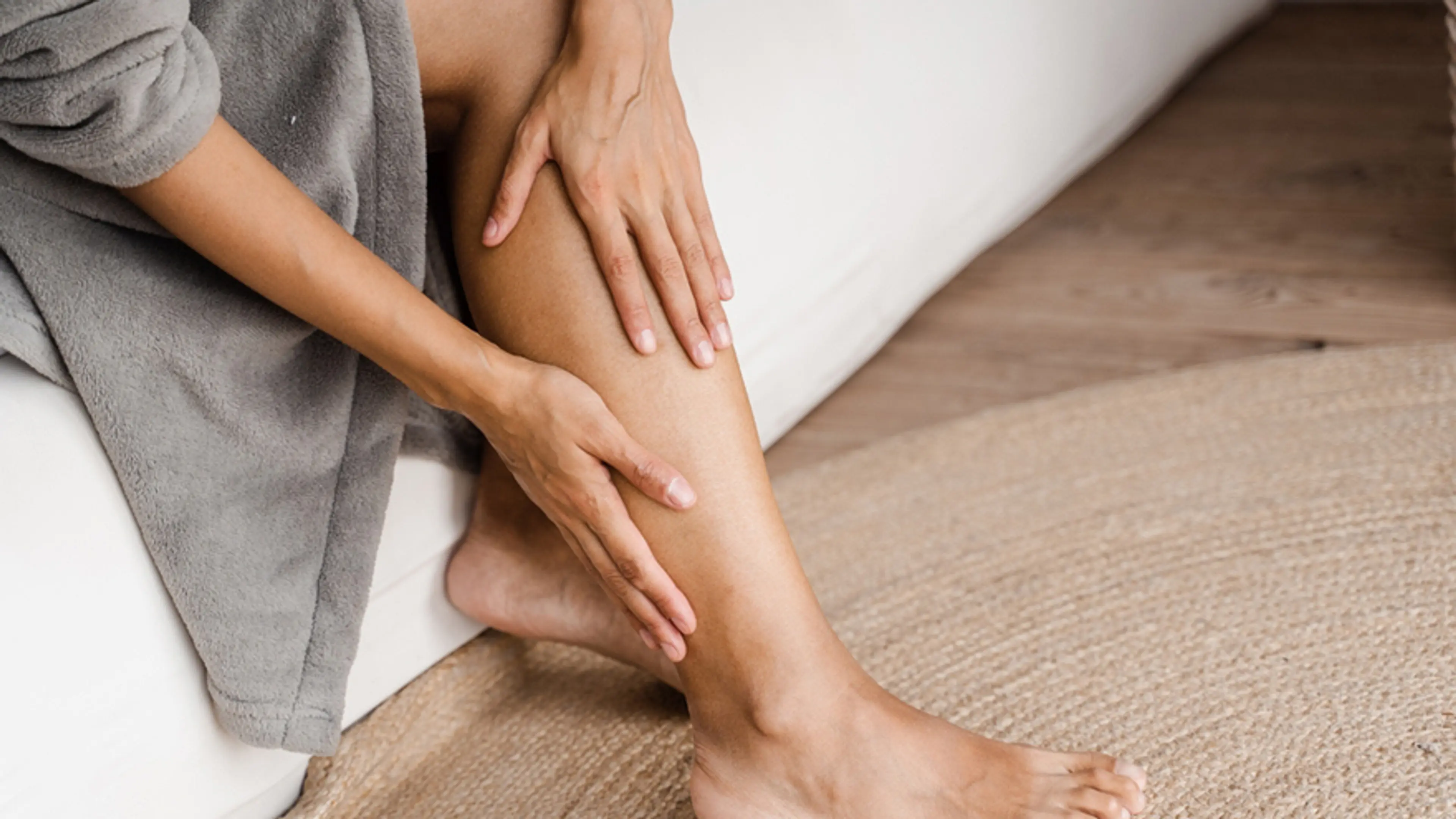
When you think of your veins, you probably don’t think of them at all — until something begins to look or feel different. A little swelling after a long day, a vein that looks more visible than before, or a dull heaviness in your legs may seem minor at first. But veins are like the silent plumbing system of your body: when they stop working properly, the signs often creep in gradually before they become serious.
At Charm Vascular Clinic in Seoul, we meet many patients who admit they waited too long before seeking care for their veins. They often tell us, “I thought it was just aging,” or “I didn’t think it was a real problem.” The truth is, your veins can give you early warnings — and knowing what to watch for can help you prevent bigger issues down the road.
In Korea, where long hours of sitting at a desk or standing in service jobs are common, we see this problem more often than people realize. Teachers, office workers, nurses, retail employees, and factory workers often spend hours in one position, creating constant strain on the veins. Add in factors like genetics, pregnancy, weight fluctuations, or simply getting older, and vein changes can accelerate.
Think of it like a garden hose with worn-out valves: instead of water flowing smoothly, it starts to bulge, leak, or slow down. Your veins behave in a similar way.
Some people are more prone to these changes because of family history. If your parents or grandparents had varicose veins, chances are higher that you may develop them too. Hormonal influences also play a role — which is why women, especially after pregnancy or menopause, are more commonly affected.
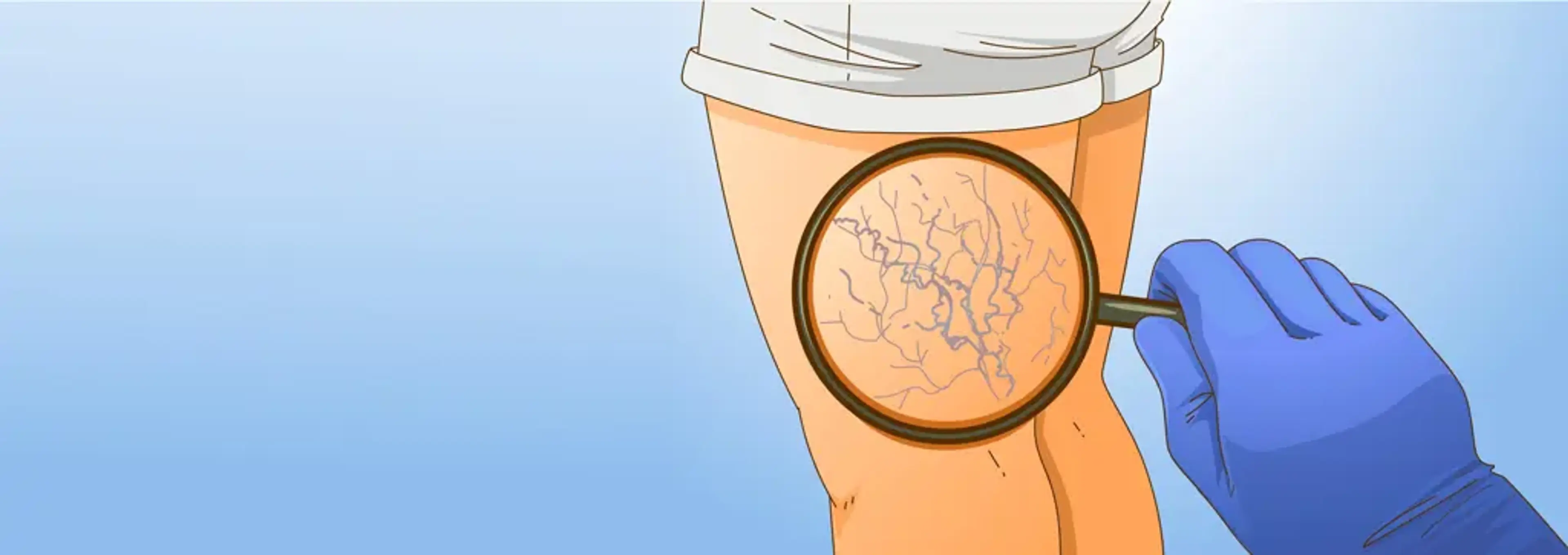
Some symptoms are subtle, others more visible. What people often overlook is that these signs are not just cosmetic — they reflect how well your circulatory system is functioning.
Patients sometimes dismiss these as “just tired legs” or “normal with age.” But when these patterns repeat, it’s usually your body’s way of saying: the veins are under strain.
In fact, medical studies have shown that people who recognize these early symptoms and seek treatment sooner tend to have better long-term outcomes. Left untreated, minor symptoms can progress into more advanced disease.
At Charm Vascular Clinic, we often use a simple guideline to explain things to patients:
If you notice any of the following, it may be a sign that your veins are not just changing, but worsening:
Ignoring these changes can also affect daily quality of life. We often hear from patients who stopped exercising, avoided social events, or felt embarrassed about wearing shorts or skirts because of their legs. What begins as a physical problem often takes an emotional toll too.
These procedures are performed under local anesthesia, typically in under an hour, and most patients can walk out of the clinic and return to work or daily activities the same day.
If you’re wondering whether your veins are changing for the worse, here are some practical self-check questions:
Do my legs feel heavier, achier, or more swollen compared to a year ago?
Do I avoid wearing certain clothes because of visible veins?
Do I feel discomfort or cramps at night that interfere with sleep?
Have I noticed skin discoloration or dryness around my ankles?
Does swelling improve with rest, or is it now persistent?
Your body usually whispers before it shouts. Paying attention to these whispers can save you years of discomfort and help prevent more serious conditions.
Not every case of vein disease can be prevented, especially if genetics play a strong role. But there are ways to support healthy circulation and slow progression:
These habits won’t reverse existing vein damage, but they can reduce discomfort and help prevent worsening.
As vascular specialists, we want to emphasize something that often gets overlooked: treating vein disease early is not about vanity — it’s about preserving circulation, mobility, and long-term health.
Veins that are changing for the worse rarely improve on their own. But with the right care, they can be stabilized or corrected before they lead to bigger problems. Patients who choose minimally invasive treatment often tell us they wish they had acted sooner, not just for cosmetic reasons, but because their legs feel lighter, stronger, and more comfortable in daily life.