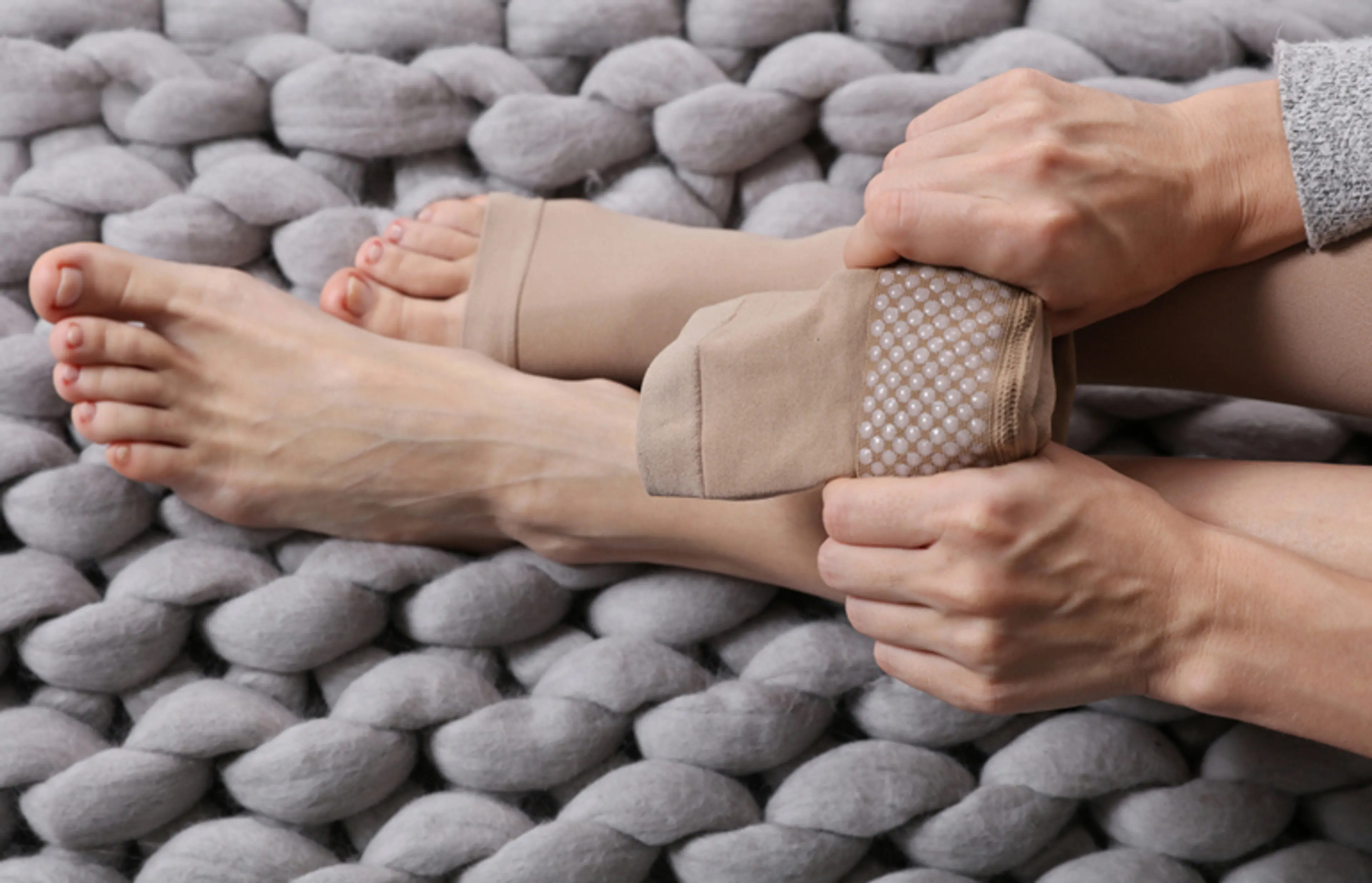
Introduction to Compression Therapy in Vein Care
introduction-to-compression-therapy-in-vein-careIf you’ve recently undergone treatment for varicose veins or another venous disorder, you may have been advised to wear compression stockings. But why is that so important? Compression therapy is a foundational part of post-treatment care for patients recovering from vein procedures. It’s not just about comfort—it’s a medically recommended way to support healing, reduce symptoms, and prevent complications.
Compression therapy involves wearing specially designed garments that apply gentle, graduated pressure to your legs. This pressure helps your veins work more efficiently by improving blood circulation and reducing pooling of blood, which is common in conditions like chronic venous insufficiency.
At
Charm Vascular Clinic in Seoul,
compression therapy is not an afterthought—it's a core element of our customized recovery plans. Under the direction of Dr. Insoo Park, patients receive tailored advice on how and when to use compression garments to accelerate healing and maximize results after procedures such as endovenous laser ablation (EVLA), radiofrequency ablation (RFA), or sclerotherapy.
Why Recovery Matters After Vein Treatment
why-recovery-matters-after-vein-treatmentMany patients are so relieved to have their vein procedure done that they underestimate the importance of what comes next. Recovery isn’t just about rest—it's about helping your body heal in a way that promotes long-term results. This is where post-treatment protocols like compression therapy play a critical role.
After a vein treatment, your body begins to reroute blood flow through healthier veins while closing off or removing problematic ones. During this time, inflammation, minor swelling, and mild discomfort are common. Compression therapy supports the healing process by minimizing these symptoms and helping your circulatory system adjust.
The truth is, the quality of your recovery can significantly impact the success of your treatment. Patients who follow post-procedure recommendations, including wearing compression garments, often report smoother healing, fewer side effects, and better cosmetic outcomes.
At Charm Vascular Clinic, we place a strong emphasis on recovery planning. Every patient receives detailed guidance on what to expect and how to assist their body in healing, including the correct usage of compression therapy based on the procedure performed.
How Vein Treatments Affect the Body
how-vein-treatments-affect-the-bodyTo understand why compression therapy is so essential, it helps to know what’s happening inside your body after vein treatment. Procedures like EVLA, RFA, and VenaSeal™ work by closing off diseased veins that no longer efficiently return blood to the heart. Once sealed, the body naturally reroutes blood through healthy veins and eventually reabsorbs the treated vessel.
However, this process causes a controlled inflammatory reaction. This is normal and part of the healing process, but it can lead to mild pain, bruising, and swelling. This is where compression therapy becomes critical—it mitigates those effects and ensures optimal blood flow during this vulnerable period.
In the absence of compression, blood may pool in the lower legs, increasing pressure in the veins and potentially delaying healing. Furthermore, it raises the risk of complications such as superficial thrombophlebitis or even deep vein thrombosis in rare cases.
Dr. Insoo Park and the team at Charm Vascular Clinic use ultrasound-guided diagnostics to assess each patient’s circulation before and after treatment. This allows us to design a personalized recovery strategy, which includes compression therapy protocols to support the body’s natural healing process.
What Is Compression Therapy?
what-is-compression-therapyCompression therapy is a medical treatment that uses elastic garments—typically stockings or socks—to apply controlled pressure to the legs. This pressure is highest at the ankle and gradually decreases up the leg, encouraging blood to flow upward toward the heart and preventing backward pooling that can worsen symptoms.
There are various types of compression garments, including:
These are available in different strength levels, measured in mmHg (millimeters of mercury). For example, mild compression is around 15–20 mmHg, while stronger grades used for post-procedure recovery are typically 20–30 mmHg or higher.
The key is proper fit and consistent usage. At Charm Vascular Clinic, our staff ensures each patient is fitted with the right type and level of compression garment immediately after their procedure. We educate our patients on how to wear, care for, and gradually wean off their stockings as healing progresses.
In the next section, we’ll explore the specific medical benefits of compression therapy and why it's considered essential in modern vein care.
Medical Benefits of Compression Therapy
medical-benefits-of-compression-therapyCompression therapy offers a host of medical benefits that are especially crucial during the healing phase following vein treatment. The most immediate advantage is its ability to improve venous return—that is, the movement of blood back toward the heart. This reduces the chance of blood pooling in the legs, which can lead to complications such as swelling, inflammation, or blood clots.
Patients who wear compression garments regularly after treatment experience:
Moreover, compression therapy helps stabilize the vein walls, allowing sealed or removed veins to be properly reabsorbed by the body. This is particularly helpful after procedures like sclerotherapy or endovenous ablation, where the treated veins require time to fade and be broken down.
At Charm Vascular Clinic, compression therapy is a vital part of the recovery plan. Our clinical experience has consistently shown that patients who adhere to their compression schedule heal faster and report better overall outcomes.
Scientific Backing: What Research Says
scientific-backing:-what-research-saysMultiple studies have validated the benefits of compression therapy in the context of venous treatment recovery. For example, a study published in Phlebology found that patients who wore compression stockings after sclerotherapy had significantly less pain and faster resolution of treated veins compared to those who did not. Another paper in the Journal of Vascular Surgery noted a marked reduction in post-procedural complications when compression was applied immediately and worn consistently.
Beyond clinical trials, medical societies such as the American Venous Forum (AVF) and Society for Vascular Surgery (SVS) strongly endorse compression therapy as a cornerstone of vein treatment recovery.
Compression is especially recommended in cases of:
At Charm Vascular Clinic, our compression therapy guidelines are grounded in this scientific evidence. Dr. Insoo Park ensures that each patient receives care aligned with global best practices while also being customized to their personal medical profile.
When and How to Use Compression Garments
when-and-how-to-use-compression-garmentsTiming and consistency are everything when it comes to compression therapy. In most cases, patients are advised to start wearing compression stockings immediately after the procedure—sometimes while still in the recovery room. The compression helps maintain the closure of treated veins and reduces the risk of early complications.
Here’s a general post-treatment schedule:
First 24–48 hours: Wear compression stockings continuously, even during sleep.
Next 1–2 weeks: Wear them during the day and remove at night, unless otherwise advised.
After 2–4 weeks: Depending on healing progress, you may taper off use gradually.
It's important to wear the correct compression level. Most patients recovering from EVLA, RFA, or sclerotherapy are prescribed 20–30 mmHg compression garments. At Charm Vascular Clinic, we assess the ideal pressure level for each patient based on treatment type, venous condition, and comfort.
Proper usage tips include:
Putting on stockings in the morning before getting out of bed.
Avoiding wrinkling or rolling of the fabric.
Washing garments daily and replacing them every 3–6 months for elasticity.
Choosing the Right Compression Level
choosing-the-right-compression-levelOne size—or pressure—doesn’t fit all when it comes to compression therapy. The right level of compression depends on the nature of the treatment, the extent of venous disease, and even lifestyle factors such as activity level or job type.
Compression levels commonly used include:
15–20 mmHg: Mild compression for general circulation or travel.
20–30 mmHg: Moderate compression for post-sclerotherapy and ablation.
30–40 mmHg: Higher-grade compression for chronic venous insufficiency or severe varicose veins.
At Charm Vascular Clinic, patients undergo a detailed consultation and vascular ultrasound scan before selecting compression garments. Our medical team ensures proper sizing and trains each patient on how to wear and maintain the stockings. We also offer follow-up assessments to evaluate healing and make any necessary adjustments to compression strength.
Choosing the wrong compression level can lead to discomfort or ineffective results. That’s why working with a clinic that understands the nuances of vein recovery—like Charm Vascular Clinic—can make a significant difference in your healing journey.
Compression Therapy for Different Procedures
compression-therapy-for-different-proceduresNot all vein treatments require the same post-care routine, and compression therapy must be tailored accordingly. The specific procedure you undergo—be it endovenous laser ablation, sclerotherapy, VenaSeal™, or vein stripping—determines how and when you should use compression garments.
Endovenous Laser Ablation (EVLA) and Radiofrequency Ablation (RFA)
endovenous-laser-ablation-(evla)-and-radiofrequency-ablation-(rfa)After EVLA or RFA, compression stockings are essential for sealing treated veins and preventing inflammation. Patients typically wear 20–30 mmHg stockings for 1–2 weeks, with around-the-clock wear for the first 48 hours.
Sclerotherapy
sclerotherapyFor patients undergoing sclerotherapy, compression supports the collapse of the treated veins and enhances cosmetic results. Stockings should be worn immediately after the session and continued daily for up to 2 weeks.
VenaSeal™
venasealtmSince VenaSeal™ uses a medical adhesive, the post-treatment compression requirement may be lighter. However, at Charm Vascular Clinic, we still recommend short-term compression to reduce swelling and aid circulation.
Vein Stripping or Phlebectomy
vein-stripping-or-phlebectomyThese more invasive treatments require longer-term compression to prevent hematomas and support tissue healing. Patients may need to wear stockings for 3–4 weeks.
Our team at Charm Vascular Clinic ensures that compression therapy is customized to the individual and their procedure, increasing comfort and maximizing therapeutic results.
What If You Don’t Use Compression Therapy?
what-if-you-don't-use-compression-therapyIgnoring or delaying compression therapy can lead to preventable setbacks. Patients who skip compression are more likely to experience:
Prolonged swelling
Discomfort or tightness
Increased risk of blood clots
Delayed reabsorption of treated veins
Unsatisfactory cosmetic results
While some treatments like VenaSeal™ may not require long-term compression, most procedures still benefit greatly from short-term use. Not using compression can also lead to recurrence in patients with chronic venous insufficiency or deep vein reflux.
At Charm Vascular Clinic, we’ve seen firsthand the difference in outcomes between patients who comply with compression instructions and those who don’t. Our team doesn’t just hand out garments—we ensure you know exactly how to use them, for how long, and what signs to watch for during recovery.
If you’ve recently had a vein procedure or are planning one, don’t underestimate the power of proper post-treatment care. Compression therapy is one of the simplest, most effective tools to ensure your investment in vein health delivers the best possible results.
FAQs About Compression After Vein Treatment
faqs-about-compression-after-vein-treatmentQ: How long should I wear compression stockings after my procedure?
q:-how-long-should-i-wear-compression-stockings-after-my-procedureA: Most patients are advised to wear them for 1–2 weeks, with 24/7 wear during the first 48 hours. Duration varies based on the procedure and individual response.
Q: Can I sleep with compression stockings on?
q:-can-i-sleep-with-compression-stockings-onA: Yes, especially during the first couple of days post-treatment. After that, your doctor may advise you to remove them at night.
Q: Are compression stockings uncomfortable in hot weather?
q:-are-compression-stockings-uncomfortable-in-hot-weatherA: They can be, but lighter, breathable versions are available for summer use. We can help you select the right pair at Charm Vascular Clinic.
Q: Do I need a prescription for medical-grade compression stockings?
q:-do-i-need-a-prescription-for-medical-grade-compression-stockingsA: For higher compression levels (above 20 mmHg), a prescription is typically required. Our clinic provides this as part of your treatment plan.
Q: Will insurance cover the cost?
q:-will-insurance-cover-the-costA: In some cases, yes—especially if they’re part of a medically necessary treatment plan. We can assist with documentation and inquiries at Charm Vascular Clinic.
Why Choose Charm Vascular Clinic for Vein Recovery?
why-choose-charm-vascular-clinic-for-vein-recoveryAt Charm Vascular Clinic, we don’t just treat veins—we guide patients through the entire recovery process with precision, compassion, and expertise. Our approach to compression therapy sets us apart in the field of vascular care.
Here’s why patients trust us:
here's-why-patients-trust-us:Expert Guidance: Dr. Insoo Park is a renowned vascular surgeon with a research background in vein healing protocols and compression efficacy.
Tailored Compression Plans: Each patient receives a personalized schedule and compression fitting to suit their specific treatment and anatomy.
Follow-Up Focus: We don’t stop at the procedure. We monitor your recovery closely, adjusting compression needs as your body heals.
Top Technology: Our clinic uses the latest ultrasound tools and treatment methods—including VenaSeal™, EVLA, and Clarivein—to ensure minimal downtime and excellent outcomes.
With over
30,000 patients treated and more than
2,000 vascular surgeries performed annually,
Charm Vascular Clinic remains the gold standard for comprehensive vein care and post-treatment support.
Conclusion
conclusionCompression therapy might seem like a small part of your treatment plan, but its impact on recovery is substantial. By improving circulation, reducing swelling, and preventing complications, compression garments help ensure that your vein treatment is successful—both medically and cosmetically.
Healing smart means taking advantage of every tool available, and compression therapy is one of the most effective, non-invasive options you have. It’s safe, proven, and easy to implement when guided by experienced professionals.
At Charm Vascular Clinic, your recovery is just as important as your procedure. We’re committed to walking with you every step of the way—from diagnosis to complete healing. Trust our expertise and let us help you heal faster, better, and more comfortably with the power of compression therapy.