Home / Articles
How Does Your Posture Affect Varicose Veins and Leg Health?
Home / Articles
How Does Your Posture Affect Varicose Veins and Leg Health?
Posture isn’t just about how we carry ourselves—it plays a significant role in our overall health, especially when it comes to vascular health. How we sit, stand, and move can have a profound impact on our veins, particularly in the legs. One of the most common consequences of poor posture is the development of varicose veins, a condition that affects millions of people worldwide.
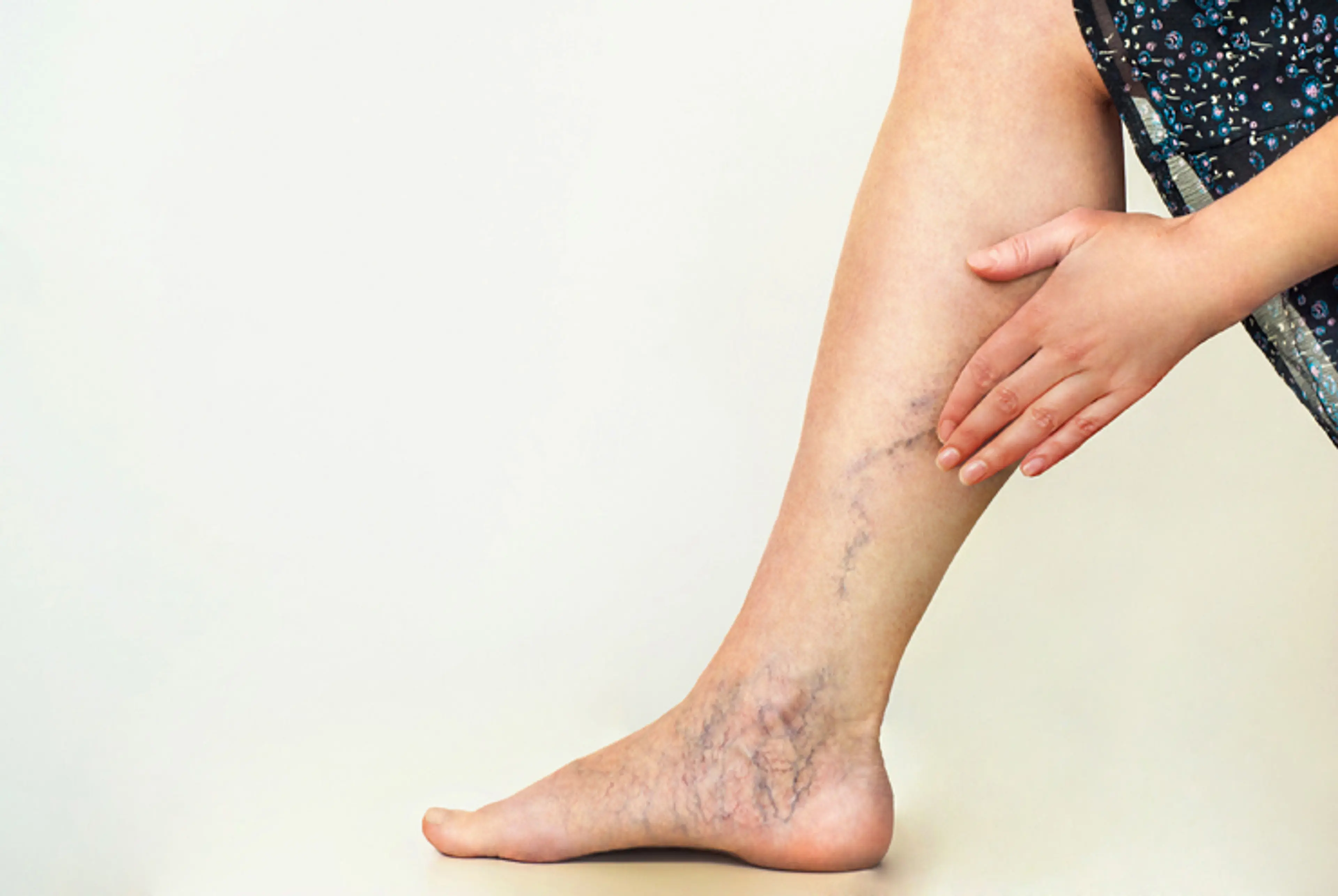
Varicose veins are swollen, twisted veins that are often visible just beneath the skin, especially in the legs. They occur when veins become weakened, leading to improper blood flow. Over time, these veins can become uncomfortable, painful, and, in severe cases, lead to complications. In this article, we’ll explore how your posture can directly impact varicose veins and leg health, as well as how making simple changes in posture can reduce the risk of developing vein issues.
Varicose veins are enlarged veins that occur most often in the legs. They form when the valves inside the veins that help regulate blood flow become weak or damaged. Normally, veins work by carrying blood back to the heart, but when the valves fail, blood can flow backward and pool in the veins, causing them to bulge. This leads to the appearance of varicose veins.
In addition to their visible appearance, varicose veins can also cause symptoms such as aching, swelling, cramps, fatigue, and a feeling of heaviness in the legs. In some cases, the veins may become inflamed or painful, making everyday activities difficult.
Several factors contribute to the development of varicose veins, including genetics, pregnancy, obesity, and age. However, one of the often overlooked causes is posture. Whether we’re sitting for long periods, standing for hours, or slouching, these habits can increase pressure on the veins, contributing to the formation of varicose veins.
Our posture directly influences how blood flows through our veins. When we maintain good posture, our veins are able to function properly, with blood circulating smoothly back to the heart. However, poor posture—whether from slouching or standing improperly—can obstruct this flow, leading to a buildup of pressure in the veins.
When sitting or standing incorrectly, the blood in our veins has to work harder against gravity to return to the heart. This extra strain can cause veins to stretch, weaken, and eventually become varicose. Poor posture can also restrict blood flow in the legs, making it easier for blood to pool in the veins and contribute to swelling or discomfort.
The effects of posture can differ depending on whether you’re sitting or standing. Prolonged standing, especially in one position, is a known risk factor for varicose veins. When you stand for long periods, the veins in your legs are under constant pressure. This pressure increases as gravity pulls blood downward, causing blood to pool in the lower legs.
On the other hand, sitting for long periods, especially with poor posture, can also impact circulation. Sitting with your legs crossed or bent for extended periods restricts blood flow and allows blood to pool in your veins, making it harder for your body to circulate blood efficiently. In both cases, posture plays a crucial role in the development and prevention of varicose veins.
Gravity plays a significant role in our vascular health. When we stand or sit incorrectly, gravity puts additional pressure on our veins, particularly in the legs. The veins in our legs are responsible for pushing blood upward, back toward the heart, against gravity. In an upright position, veins have to work harder to move blood upward, especially when we’re not maintaining the proper posture.
This extra pressure can cause veins to become enlarged and less efficient at moving blood. Over time, this contributes to the development of varicose veins. Proper posture can help reduce the effect of gravity on your veins, making it easier for blood to flow freely and preventing the buildup of pressure that leads to vein problems.
One of the most common forms of poor posture is slouching. When we slouch, our spine is out of alignment, and our pelvis tilts forward. This misalignment can disrupt the natural flow of blood through our veins, particularly in the lower legs. Slouching can lead to a decrease in the pumping action of the muscles that help push blood back toward the heart, causing blood to pool in the veins. Over time, this can result in increased pressure on the veins, making them more susceptible to varicose veins.
Slouching while sitting or standing may feel comfortable in the short term, but it’s important to remember that this posture puts unnecessary strain on your veins, contributing to long-term vein problems. Maintaining a straight back and ensuring your posture is aligned can prevent this excess pressure and reduce the risk of vein issues.
Standing with poor posture—such as leaning to one side, locking your knees, or placing too much weight on one leg—can also contribute to the development of varicose veins. When you stand this way, your veins have to work harder to push blood back to the heart. In particular, locking your knees or standing on one leg for too long can restrict blood flow, causing blood to pool in the lower legs.
Improper standing posture may not seem like a big issue at first, but over time, it can lead to chronic vein problems. If you stand for long periods, it’s important to regularly adjust your position and shift your weight to keep blood flowing properly through your veins.
Muscle contraction plays a vital role in maintaining healthy circulation. When we move or engage in physical activity, the muscles in our legs help squeeze veins, pushing blood back toward the heart. This muscle “pump” is crucial for proper blood flow. Poor posture, however, can inhibit this natural process.
When we sit or stand with poor posture, the muscles in our legs don’t work as efficiently, making it harder for the veins to pump blood upward. This decreased muscle activity leads to stagnant blood and increased pressure in the veins. By improving posture and maintaining regular movement, we can support the natural muscle contraction and circulation needed to keep our veins healthy.
One of the most common forms of poor posture is slouching, which can lead to significant vein problems over time. Slouching, whether while sitting or standing, causes the spine to lose its natural alignment. This misalignment impacts the entire body, including the veins. When we slouch, the muscles in the lower back and abdomen do not engage properly, leading to a reduction in circulation. This can put pressure on the veins in the legs and pelvis, causing blood to pool in the lower extremities.
When the body is in a slouched position, the blood flow is compromised, and the veins in the legs may stretch and become weakened. Over time, this increases the likelihood of developing varicose veins, especially in individuals who already have a genetic predisposition to the condition. To reduce this risk, it is crucial to maintain a straight back and engage the core muscles, allowing for better blood flow and less strain on the veins.
Maintaining good posture not only improves vein health but also reduces the risk of other related issues, such as back pain, muscle stiffness, and fatigue. Therefore, it’s important to make conscious efforts to avoid slouching, especially during long periods of sitting or standing.
Standing with poor posture is another major contributor to vein health problems. When you stand for long periods with improper posture, the veins in your legs experience increased pressure. This happens because the blood has to travel upwards against gravity, and improper posture can make this process even harder.
For example, standing with locked knees or placing most of your weight on one leg can disrupt the natural flow of blood in the legs. The veins are not able to efficiently pump blood back to the heart, which leads to blood pooling in the lower legs. Over time, this constant pressure can stretch the veins, leading to varicose veins and chronic swelling.
To prevent this, try to distribute your weight evenly on both feet and avoid standing in one position for too long. Shifting your weight occasionally or using a footrest can also help reduce the pressure on your veins. If you must stand for extended periods, taking short breaks to walk around or stretch can significantly alleviate the strain on your legs and improve circulation.
Healthy circulation is supported by muscle contractions, particularly in the lower legs. These muscle contractions help to propel blood back up toward the heart, overcoming the effects of gravity. This natural mechanism is often referred to as the "muscle pump." When muscles contract and relax, they squeeze the veins and push blood upwards, which helps maintain proper circulation.
Poor posture can interfere with the muscle pump, making it harder for blood to flow efficiently through the veins. For example, sitting with your legs crossed for long periods or standing with poor posture reduces the effectiveness of muscle contractions. When the muscles are not engaged properly, blood can pool in the veins, leading to swelling, discomfort, and eventually varicose veins.
To ensure that your muscle pump is functioning effectively, it’s important to change positions regularly, stretch, and engage in activities that promote muscle contraction, such as walking or simple leg exercises. Even minor movements, like shifting your weight or flexing your feet, can help support circulation and keep your veins healthy.
Maintaining proper posture is one of the most effective ways to prevent varicose veins and improve circulation. By aligning the spine and keeping the body in a neutral position, blood flow is optimized, and pressure on the veins is reduced. Whether sitting, standing, or walking, good posture allows blood to flow smoothly back to the heart without unnecessary strain on the veins.
When standing, ensure that your weight is evenly distributed on both feet and avoid locking your knees. Stand tall with your shoulders back and your chin parallel to the floor. When sitting, keep your feet flat on the floor and your knees at a 90-degree angle. Avoid crossing your legs, as this can restrict blood flow and lead to vein problems.
Incorporating good posture into your daily routine not only helps prevent varicose veins but also promotes overall health. Proper posture reduces the risk of back pain, headaches, and joint discomfort, creating a sense of well-being that extends beyond vein health.
For those who spend long hours at a desk or in one position, making ergonomic adjustments can go a long way in improving circulation and supporting vein health. Here are a few practical tips:
Improving your posture doesn’t happen overnight. It requires consistent practice and awareness. A few simple strategies can go a long way in helping you maintain good posture:
By taking the time to implement these strategies into your daily routine, you can significantly reduce the risk of developing varicose veins and enhance your overall vascular health.
Posture plays a critical role in maintaining healthy veins and preventing varicose veins. Poor posture, whether from slouching, standing improperly, or remaining in one position for too long, can disrupt circulation and place unnecessary strain on the veins. By focusing on good posture, regular movement, and exercises to support vein health, you can significantly reduce the risk of developing vein problems.