Home / Articles
How Hydration Affects Your Vein Health
Home / Articles
How Hydration Affects Your Vein Health
Vein health is a vital aspect of your overall vascular system, influencing how efficiently blood flows throughout your body. Veins are responsible for returning blood to the heart, and when they function properly, the body’s circulatory system works seamlessly. However, vein problems like varicose veins, spider veins, and chronic venous insufficiency can cause discomfort and even lead to more severe complications.
One often overlooked yet crucial factor in maintaining vein health is hydration. Proper hydration not only benefits your general health but plays a pivotal role in keeping your veins healthy. The relationship between hydration and vein health is multifaceted, as staying hydrated impacts blood circulation, blood pressure, and the flexibility of veins. This article will explore how hydration affects vein health and why it is essential for maintaining healthy circulation.
Our circulatory system depends on a well-balanced blood volume to function effectively. Hydration helps ensure that blood is adequately circulated through the veins, preventing sluggish blood flow and allowing veins to maintain their proper shape. When the body is hydrated, blood is thinner, flowing more freely, which reduces strain on the veins and helps prevent circulatory problems. Conversely, dehydration thickens the blood, which can impair circulation and exacerbate vein issues.
In this context, water plays an important role by supporting the fluidity of blood. Proper hydration helps keep the circulatory system running smoothly, allowing for better delivery of oxygen and nutrients throughout the body and preventing the buildup of toxins in the veins. Let’s dive deeper into how hydration impacts vein function and the overall health of your vascular system.
When you are dehydrated, your body loses water, and this results in a decrease in blood volume. Blood becomes thicker, which increases its viscosity. Thicker blood doesn’t flow as easily, making it harder for veins to return blood to the heart. As a result, the veins have to work harder to push blood through the system. This extra strain on the veins can lead to various vascular issues, such as high blood pressure, swollen veins, or even the formation of varicose veins over time.
Dehydration can also cause the veins to become less flexible, which may impair their ability to expand and contract efficiently. This is particularly concerning for individuals who are already prone to venous insufficiency, a condition where veins cannot effectively return blood to the heart. Without proper hydration, this condition can worsen, causing discomfort and pain in the legs.
Water is essential for maintaining the proper function of veins and the circulatory system. Adequate hydration ensures that blood flows smoothly through the veins, reducing pressure and minimizing the risk of complications. Proper hydration helps to maintain healthy blood volume, ensuring that the veins have enough fluid to transport blood throughout the body.
When hydrated, veins are better equipped to handle the natural expansion and contraction required for efficient blood flow. This is particularly important for individuals who experience conditions such as varicose veins or chronic venous insufficiency, where the veins are already under stress. Drinking enough water can help alleviate some of the pressure on the veins and improve circulation, preventing further damage and promoting long-term vascular health.
Moreover, hydration helps balance the viscosity of blood, making it easier for veins to transport oxygenated blood to the tissues and return deoxygenated blood to the heart. By ensuring blood fluidity, hydration helps veins perform their role without the added burden of thickened blood.
As we discussed earlier, dehydration leads to thicker blood, which results in slower blood flow. When the blood becomes more viscous, the heart has to work harder to pump it throughout the body, which can increase blood pressure. High blood pressure, in turn, puts additional strain on the veins, making them less effective at transporting blood.
Thicker blood also has a higher likelihood of clotting, which can create blockages or lead to more serious conditions like deep vein thrombosis (DVT). Dehydration makes blood less able to flow freely through the veins, leading to stagnant blood pooling in certain areas, especially in the lower extremities. This can exacerbate issues like varicose veins and other forms of venous insufficiency.
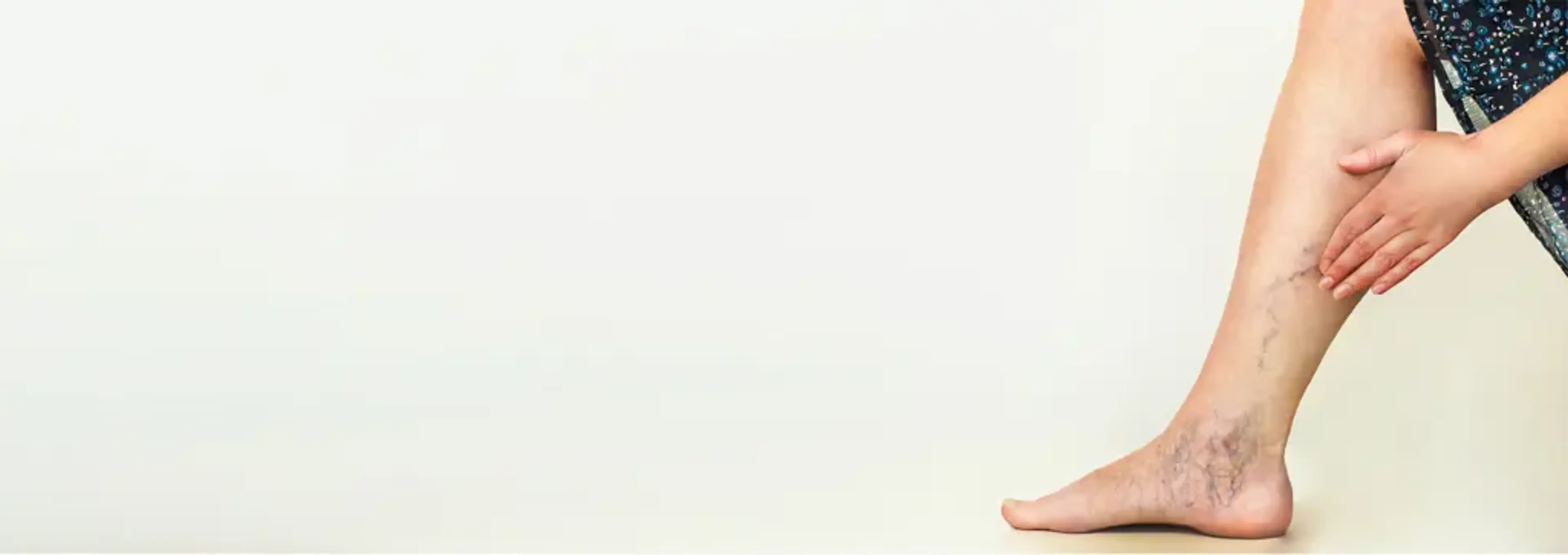
Varicose veins are a common vascular problem where veins become enlarged and twisted. They typically occur in the legs, where blood has to fight gravity to return to the heart. Dehydration can aggravate this condition by causing blood to become thicker, increasing pressure within the veins. The additional strain may cause veins to weaken, leading to more pronounced varicose veins.
When blood flow slows down due to dehydration, the veins become less efficient at performing their job of returning blood to the heart. Over time, this may cause veins to stretch and bulge, resulting in the formation of varicose veins. Maintaining proper hydration is essential to prevent this scenario, especially for individuals who are predisposed to varicose veins due to genetics, age, or lifestyle factors.
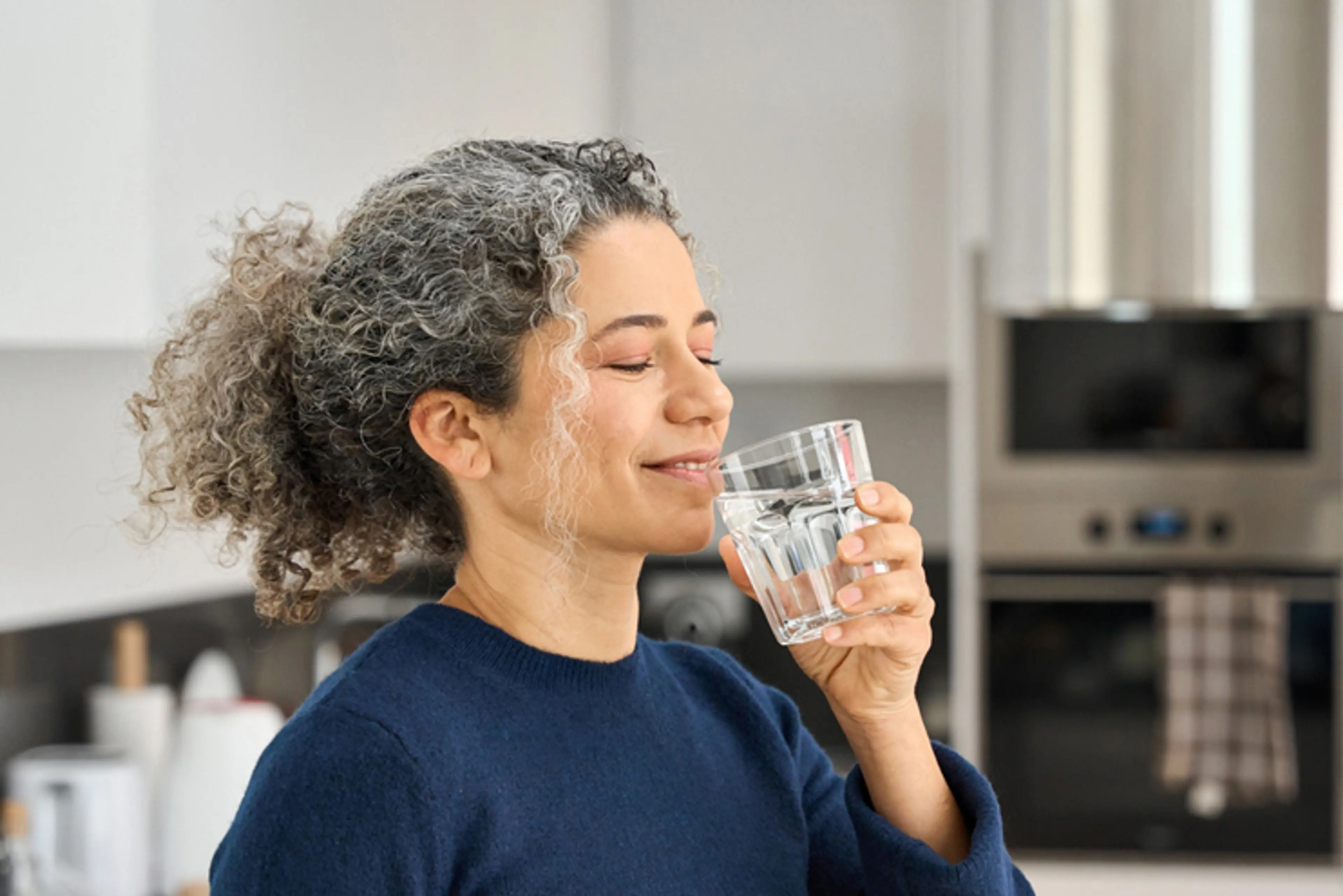
Drinking enough water can significantly reduce the risk of vein-related issues by promoting proper blood circulation and maintaining optimal blood viscosity. Hydration helps keep the veins flexible, reducing the pressure that could lead to conditions like varicose veins and spider veins. Proper hydration also ensures that blood flows smoothly, minimizing the strain on veins and preventing potential complications over time.
While staying hydrated alone cannot completely prevent vein problems, it is an essential part of a healthy lifestyle that supports the circulatory system. When combined with other healthy habits like regular exercise, a balanced diet, and avoiding prolonged sitting or standing, hydration can serve as an effective preventive measure.
The general guideline for water intake is about 8 cups (2 liters) per day, but individual hydration needs may vary depending on factors like activity level, age, climate, and overall health. For optimal vein health, it’s important to drink enough water to keep blood fluid and circulation smooth. Signs of dehydration, such as dry mouth, fatigue, or dark-colored urine, indicate the need to drink more water.
Some experts recommend drinking water regularly throughout the day, rather than consuming large amounts in one sitting, to maintain consistent hydration levels. If you’re unsure how much water you need, consult with a healthcare professional to tailor hydration recommendations to your personal health needs.
In addition to drinking water, consuming water-rich foods can also support vein health. Fruits and vegetables like cucumbers, watermelon, strawberries, and oranges are high in water content and provide essential vitamins and antioxidants that benefit vascular health. Adding these foods to your diet can help maintain hydration levels and improve circulation.
Eating a balanced diet rich in fiber, antioxidants, and anti-inflammatory foods also supports healthy veins. Foods like leafy greens, berries, and nuts help improve blood flow and strengthen the vascular walls, making them more resilient to pressure.
While hydration is essential, it’s most effective when combined with other lifestyle changes. Regular physical activity, such as walking, swimming, or cycling, improves circulation and prevents blood from pooling in the veins. Avoid sitting or standing for long periods, as this can strain the veins and contribute to conditions like varicose veins. If your job requires prolonged sitting, take short breaks to stand and stretch every 30 minutes to promote blood flow.
A balanced diet, along with maintaining a healthy weight, also helps alleviate pressure on the veins. Excess weight can lead to poor circulation and increase the risk of vein problems, so managing weight through proper nutrition and exercise is essential for maintaining vein health.
At Charm Vascular Clinic, we’ve seen firsthand how staying hydrated can positively affect vein health. One of our patients, Mr. Lee, came in with early signs of varicose veins and complained of discomfort in his legs after long hours of standing at work. After a comprehensive assessment, we suggested he increase his water intake as part of his treatment plan.
Within weeks of boosting his hydration levels, Mr. Lee reported feeling less swelling in his legs and experiencing less fatigue. His blood circulation improved, and the pressure on his veins was noticeably reduced. Along with other treatments, hydration played an essential role in helping Mr. Lee maintain vein health and prevent his condition from worsening. This case highlights the importance of proper hydration as a simple, yet effective step in managing vein health.
Another patient, Mr. Kim, who had been experiencing frequent leg cramps and discomfort, found that increasing his daily water intake helped reduce these symptoms. He felt more energized, and his veins seemed less swollen. These testimonials emphasize that staying hydrated is a simple but powerful tool in improving vein health and circulation.
Dehydration can have severe consequences for individuals at risk of deep vein thrombosis (DVT), a condition where blood clots form in deep veins, typically in the legs. When the body is dehydrated, blood becomes thicker, which increases the likelihood of clotting. This puts additional strain on the veins, making it harder for the circulatory system to function properly. The risk of DVT is heightened in individuals who already have poor circulation or are prone to clotting.
Proper hydration helps prevent the thickening of the blood, reducing the risk of clot formation and ensuring that blood moves freely through the veins. For those with a history of DVT or other clotting disorders, drinking plenty of water can be a simple yet effective way to support healthy circulation and reduce the chances of developing dangerous blood clots.
Chronic venous insufficiency (CVI) occurs when the veins in the legs can’t efficiently return blood to the heart, often leading to swelling, pain, and discomfort. Dehydration can worsen CVI by reducing blood volume and increasing blood viscosity, making it even more difficult for the veins to pump blood effectively. This leads to further blood pooling in the lower legs, exacerbating symptoms like leg swelling and fatigue.
By staying hydrated, individuals with CVI can help reduce blood thickening and improve circulation, which may alleviate some of the discomfort and symptoms associated with the condition. Though hydration alone cannot cure CVI, it can be a crucial part of managing the condition alongside other treatments like compression therapy or minimally invasive vein procedures.
Venous insufficiency occurs when veins are unable to efficiently return blood to the heart, often leading to swelling, varicose veins, and other complications. One of the most effective ways to prevent venous insufficiency is by ensuring proper hydration. When the body is adequately hydrated, blood remains thinner and circulates more freely through the veins, reducing the pressure on vein walls and preventing them from weakening.
Hydration also helps keep veins flexible, making it easier for them to expand and contract as needed. This is important in preventing venous insufficiency because veins that are too stiff or rigid may struggle to perform their function properly. Staying hydrated can, therefore, help maintain the strength and flexibility of veins, reducing the risk of venous insufficiency over time.
While hydration is essential for preventing venous insufficiency, it should be part of a broader vein care routine. Regular physical activity, such as walking or swimming, can significantly improve circulation and help prevent blood from pooling in the veins. Wearing compression stockings, especially for individuals who stand or sit for long periods, can also help support healthy blood flow.
Maintaining a healthy weight, avoiding smoking, and elevating the legs periodically can further protect against venous insufficiency. When combined with adequate hydration, these habits create a strong foundation for long-term vein health and can significantly reduce the risk of developing venous insufficiency or other vascular issues.
Hydration plays a pivotal role in maintaining healthy veins and overall circulatory health. By ensuring proper fluid intake, you help maintain optimal blood viscosity, allowing for smoother circulation and reducing strain on the veins. Dehydration, on the other hand, thickens the blood, increases blood pressure, and can worsen conditions like varicose veins, deep vein thrombosis, and chronic venous insufficiency. Therefore, staying hydrated is a simple yet powerful step in promoting long-term vein health.
While hydration alone is not a cure-all, it is an essential preventative measure that supports the effectiveness of other healthy lifestyle habits, including regular exercise, a balanced diet, and proper medical care. For individuals dealing with existing vein problems, hydration can be a key part of managing symptoms and improving blood flow.
Whether you're looking to prevent vein problems or address existing issues, our team at Charm Vascular Clinic is here to provide expert care. Let us help you maintain healthy veins, improve circulation, and enhance your quality of life with our innovative treatments and holistic approach to vein health.