Home / Articles
How Long Does It Take to Heal After Sclerotherapy for Varicose Veins?
Home / Articles
How Long Does It Take to Heal After Sclerotherapy for Varicose Veins?
The good news? Sclerotherapy is one of the least invasive ways to treat varicose veins, and recovery is typically quick. But like most things in medicine, healing isn’t one-size-fits-all. It depends on your body, your vein condition, and how well you follow post-treatment care.
Let’s break it down — not just with textbook answers, but with real insights from inside a clinic that treats these cases every day.
To understand recovery, it helps to know what your body is healing from.
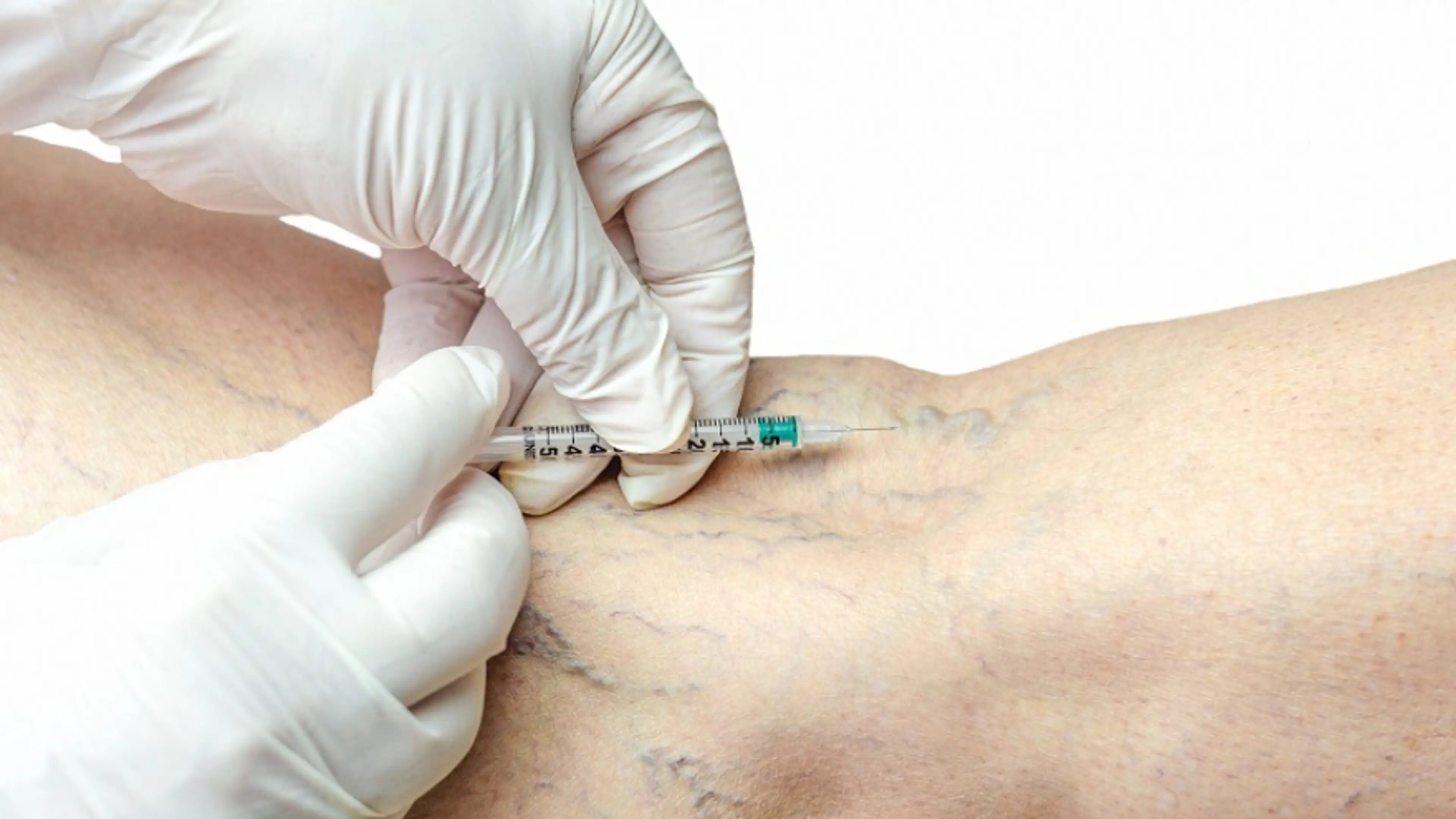
Sclerotherapy is a minimally invasive outpatient procedure used to treat small to medium varicose veins and spider veins. A solution — usually a chemical sclerosant like polidocanol or sodium tetradecyl sulfate — is injected directly into the affected vein. This irritates the inner lining of the vein (the endothelium), causing it to collapse, stick together, and eventually turn into fibrous tissue. Over time, the body naturally absorbs this tissue, and blood reroutes through healthier veins.
Think of it like sealing off a broken garden hose. Blood flow is redirected to efficient channels, while the faulty vein fades from both function and sight.
Here’s where expectations need managing. While the treatment itself takes just 15–30 minutes, results unfold more slowly.
It’s natural to feel impatient. After all, the injections are quick — so why do the veins stick around? The key is understanding that visible fading lags behind biological healing. The vein may be nonfunctional immediately after treatment, but its physical appearance can persist as your body gradually breaks it down.
Here’s what a typical healing timeline looks like, based on our patient observations at Charm Vascular Clinic:
You might experience localized burning, tightness, or itching where the solution was injected.
Mild bruising is very common, especially around larger or more superficial veins.
Redness or small lumps at the injection site may occur and usually subside in a few days.
These garments help keep the vein closed, reduce inflammation, and accelerate healing. They also prevent complications like hyperpigmentation and superficial thrombophlebitis.
Avoid hot baths, saunas, tanning, or vigorous exercise. Heat can dilate blood vessels and counteract the closure effect of sclerotherapy.
Light daily walking is ideal. Most people return to work the next day unless their job involves prolonged standing or heavy lifting.
Bruising begins to fade, and you may notice initial improvement in the treated areas.
Some patients feel small, tender cords under the skin. These are fibrosed veins — part of the healing process.
Trapped blood (small, dark spots) can be aspirated if necessary during a follow-up visit, though it often resolves naturally.
Most discoloration resolves, and visible veins shrink or vanish.
Skin tone and texture begin to improve.
In certain patients, especially with chronic venous insufficiency, ongoing treatment may be required to maintain long-term results.
Not all legs heal the same — here’s what makes a difference:
If sclerotherapy is performed on visible surface veins without addressing deeper malfunctioning valves (e.g., in the great or small saphenous vein), results may be temporary.
Factors like age, smoking, diabetes, or peripheral vascular disease can impair healing.
On the other hand, good hydration, balanced nutrition, and regular light movement support your body’s ability to break down treated veins.
Consistent use of compression stockings is one of the strongest predictors of faster, more complete healing.
Skipping compression or engaging in strenuous exercise too soon can delay improvement and increase the chance of complications.
To be honest, this happens. Sometimes patients return after 3–4 months still seeing veins they thought would vanish. But in most cases, they’re either:
The key is follow-up. At Charm Vascular Clinic, we reassess every 6–8 weeks and refine your treatment plan based on how your body responds. This might mean switching sclerosants, adjusting injection depth, or treating feeder veins that weren’t visible in the first session.
Sclerotherapy is ideal for:
Cosmetic spider veins
Residual veins after ablation
Patients unable to undergo surgery or thermal procedures
Touch-up treatments post-surgery
However, if your veins are symptomatic — causing heaviness, cramping, or swelling — or if your duplex scan shows significant reflux, a thermal ablation or adhesive closure procedure might be faster and more definitive.
Healing after sclerotherapy isn’t about what you see in the mirror the next day. It’s a process that unfolds gradually, quietly, beneath the surface of your skin.
It’s natural to feel anxious if the results aren’t instant — especially in a culture like Korea’s, where we’re used to fast solutions and clear outcomes. But your veins didn’t become dysfunctional overnight, and they won’t disappear that quickly either.
If you’ve had sclerotherapy — or are considering it — the most important thing is to stick with your treatment plan. Follow-up visits matter. Compression matters. And trust the timeline your body needs.
At Charm Vascular Clinic in Seoul, we’ve helped hundreds of patients regain healthy, comfortable legs — not just by treating visible veins, but by understanding the whole circulatory picture.