Introduction
how-long-does-it-take-to-recover-from-dialysis-access-surgeryWhen someone first hears they need dialysis, the conversation often shifts quickly to “When can we start?” But before dialysis begins, the most important step is creating a safe and reliable access point. This is where dialysis access surgery comes in.
At Charm Vascular Clinic, we meet many patients who are understandably nervous about this stage. One of the most common questions we hear is:
👉 “How long will it take me to recover from dialysis access surgery?”
The answer isn’t simple. Recovery depends on the type of access created, your overall health, and how well you care for your access afterward. In this article, we’ll explain what the recovery process really looks like, why it differs from person to person, and what you can do to make the healing smoother.
Understanding Dialysis Access Surgery
understanding-dialysis-access-surgeryDialysis requires a way to move blood in and out of the body efficiently. Normal veins are not strong enough to handle the high blood flow dialysis demands, so surgeons create a special access point. There are three main types:
Arteriovenous Fistula (AVF): A direct connection between an artery and a vein, usually in the forearm or upper arm. This is considered the gold standard for dialysis access because it lasts the longest, has the lowest infection risk, and usually provides the best dialysis efficiency. However, it requires the most time to mature before use.
Arteriovenous Graft (AVG): A synthetic tube connects the artery and vein, creating a ready-to-use channel. Grafts can be used earlier than fistulas, often within a few weeks, but they carry a higher risk of clotting and infection.
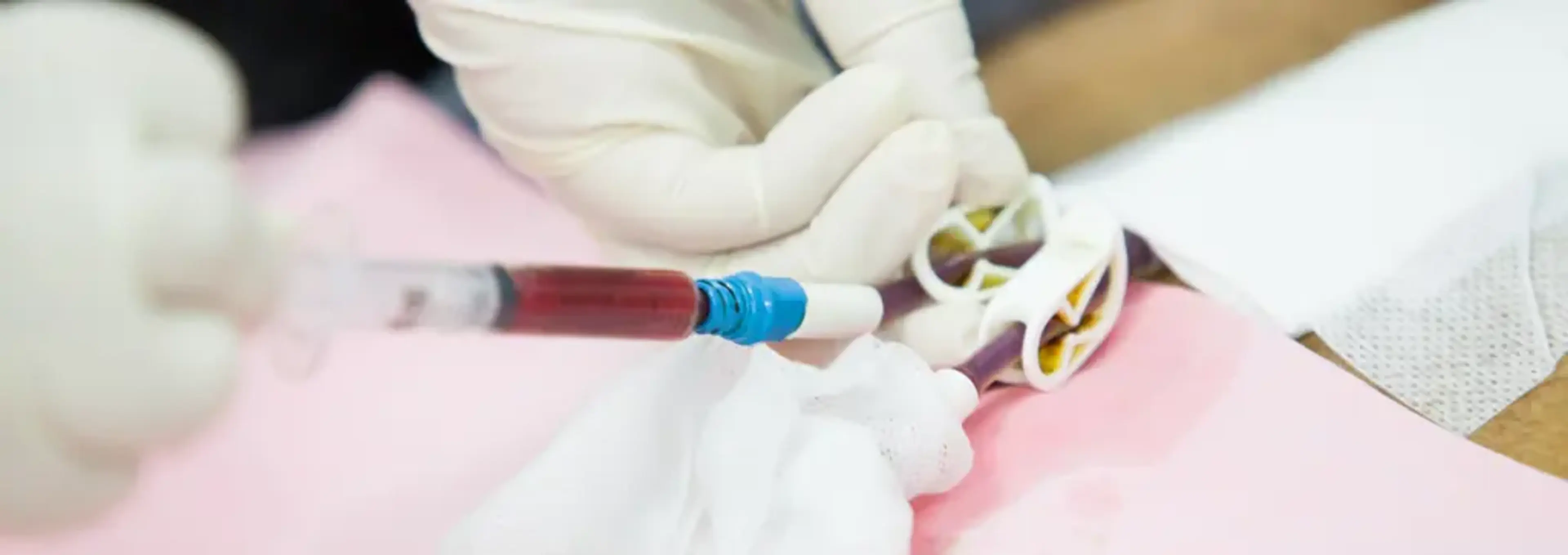
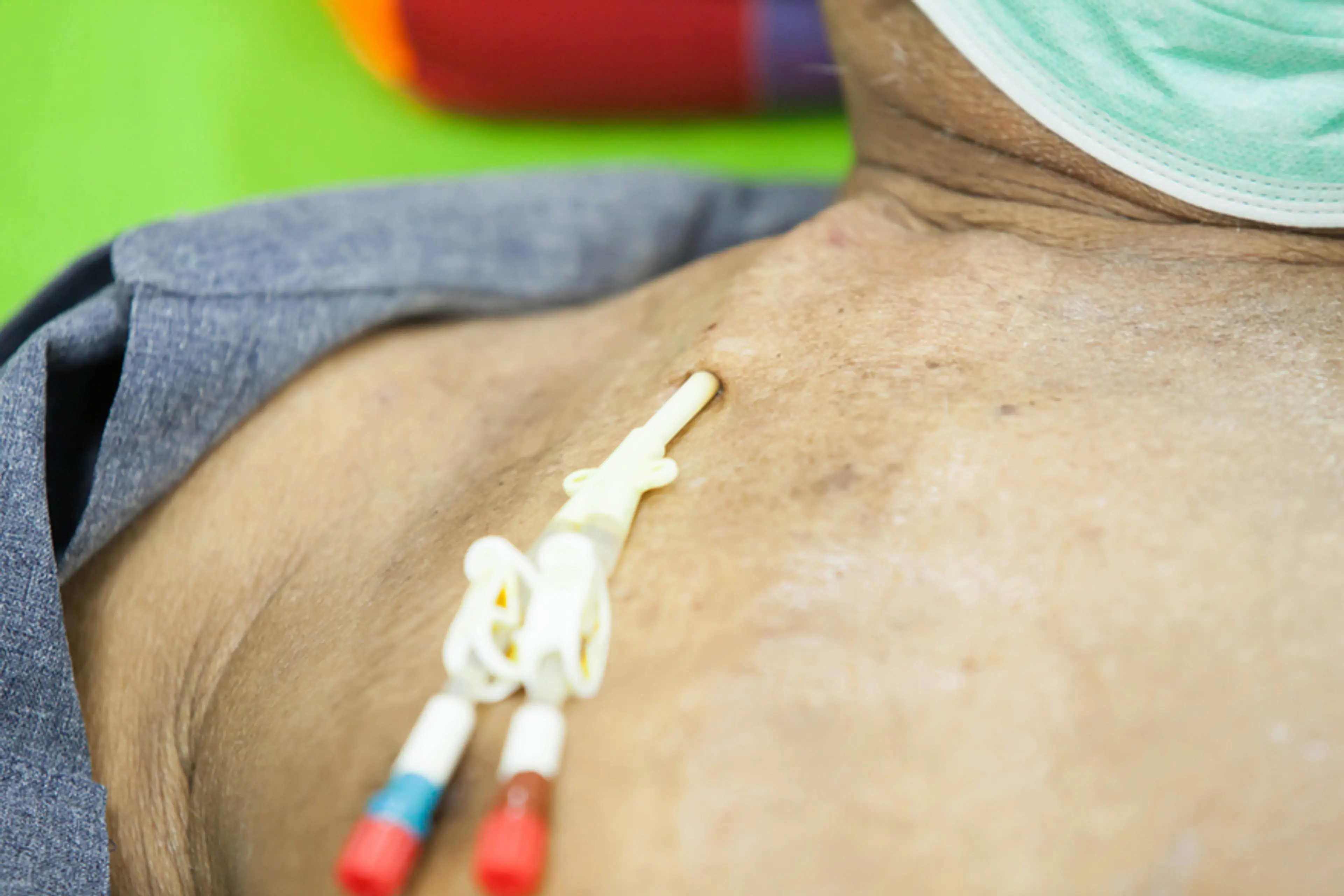
Central Venous Catheter (CVC): A flexible tube inserted into a large vein in the neck or chest. This can be used for dialysis almost immediately, making it essential for patients who need urgent treatment. However, catheters are meant for temporary use because of their higher infection risk and lower performance compared to fistulas and grafts.
Each method comes with a different recovery timeline — and understanding these differences is key to setting realistic expectations.
The Recovery Timeline: What Patients Can Expect
the-recovery-timeline:-what-patients-can-expect1. Immediately After Surgery
1.-immediately-after-surgeryMost patients return home the same day. Discomfort around the incision site is normal — soreness, swelling, and bruising usually last for several days. If you received a fistula or graft, your arm may feel heavy, stiff, or achy at first. Some patients also experience mild numbness or tingling in the fingers, which usually improves as swelling decreases.
Pain is typically mild and controlled with over-the-counter pain relievers. Rarely is strong medication necessary. Most patients are encouraged to keep their arm elevated and avoid lifting heavy objects for the first week.
2. The First Few Weeks
2.-the-first-few-weeksThis is the stage where healing and “readiness” begin to diverge.
AV Fistula:
A fistula needs time to “mature.” When an artery is connected to a vein, the increased blood flow causes the vein to thicken and enlarge. This process — called arterialization — allows the vein to handle repeated needle insertions.
Timeline: 6–12 weeks on average, sometimes longer.
During this period, patients are encouraged to perform simple hand exercises (like squeezing a stress ball) to strengthen blood flow and promote vein maturation.
AV Graft:
Because grafts are made from synthetic material, they don’t need as much time to mature. Once the incision heals, the graft can be used.
Central Venous Catheter:
A catheter can be used immediately for dialysis, sometimes even the same day it’s placed. However, this convenience comes with trade-offs: catheters are more prone to infection, clotting, and lower dialysis efficiency.
3. Long-Term Healing
3.-long-term-healingIncision healing generally takes 2–4 weeks regardless of the access type. But the full “functional recovery” is longer. For fistulas, it isn’t unusual for patients to wait up to 3–4 months before their access is ready for regular dialysis.
Patients often ask: “Does this mean I can’t start dialysis until then?” Not necessarily. If your kidneys require immediate support, a catheter may be placed temporarily while waiting for your fistula or graft to mature. This is common practice and ensures dialysis can begin without delay.
Factors That Affect Recovery
factors-that-affect-recovery
Not all patients recover at the same pace. Several variables influence how quickly your access heals and becomes usable:
Overall Health: Conditions such as diabetes, hypertension, and peripheral vascular disease can slow wound healing and reduce the success of fistulas.
Age and Vessel Quality: Younger patients with healthy vessels usually see faster maturation, while older patients or those with smaller veins may take longer.
Smoking: Smoking damages blood vessels and slows circulation, making both healing and fistula maturation more difficult.
Infection or Complications: Even a minor infection can delay recovery. This is especially important with catheters and grafts, which are more prone to infection than fistulas.
Lifestyle Choices: Protecting your access arm is critical. This means no heavy lifting, no blood pressure measurements, and no blood draws from that arm.
At Charm Vascular Clinic, we emphasize that healing is not just about time — it’s also about protecting your access so it can last for years.
What Patients Often Overlook
what-patients-often-overlookOne thing patients often don’t realize is how much daily self-care matters in recovery.
Checking for the “thrill”: After fistula or graft surgery, you should feel a vibration or buzzing sensation at the site. This is called the thrill, and it’s the best indicator that blood flow is adequate. We advise patients to check this daily. If it disappears, urgent medical attention is needed.
Protecting the arm: Never allow blood pressure cuffs, IV lines, or blood draws in the access arm. These can damage the vein and jeopardize your access.
Monitoring for symptoms: If your hand feels unusually cold, numb, or painful, or if the access arm becomes very swollen, these could be signs of poor blood flow or complications that need immediate evaluation.
These small but consistent habits often make the difference between a fistula that thrives for years and one that fails early.
Recovery Is Not Just Physical — It’s Emotional Too
recovery-is-not-just-physical-it's-emotional-too
To be honest, the recovery process isn’t only about waiting for your arm to heal. Many patients struggle with the emotional adjustment of starting dialysis. The new access may look unfamiliar or even intimidating. Some patients worry about the cosmetic appearance of a fistula, especially as the vein enlarges. Others are concerned about how it will feel during dialysis.
What people often overlook is that this emotional adaptation is just as important as the physical healing. At our clinic, we spend time teaching patients how to live with their access — how to position their arm during sleep, how to shower safely, and how to feel confident caring for it. Over time, most patients tell us the access becomes part of them, something they rely on rather than fear.
When to Seek Medical Attention
when-to-seek-medical-attentionMost recoveries go smoothly, but it’s important to know when something isn’t right. Call your doctor immediately if you notice:
Increasing redness, warmth, swelling, or pus at the incision site
Fever, chills, or flu-like symptoms (possible infection)
Severe pain, coldness, or discoloration of the hand or fingers
Loss of vibration (thrill) over the fistula or graft
Sudden bleeding from the access site
Quick action can often save your access and prevent serious complications.
So, How Long Does Recovery Take?
so-how-long-does-recovery-takeTo summarize:
Incision healing: ~2–4 weeks
AV Fistula maturation: 6–12 weeks (sometimes up to 4 months)
AV Graft readiness: 2–3 weeks
Catheter use: Immediate, but temporary
This means you may feel physically recovered within a few weeks, but your access may not be ready for dialysis until much later. Patience and proper care are essential.
Final Thoughts: Recovery Is a Partnership
final-thoughts:-recovery-is-a-partnershipRecovering from dialysis access surgery is not simply a countdown to dialysis. It is a partnership between your body, your medical team, and your daily habits. The surgery itself is only the beginning — the real success depends on how well the access is protected and maintained afterward.
At Charm Vascular Clinic in Seoul, we believe patients deserve both technical precision and compassionate support. Under the guidance of Dr. Insoo Park, we specialize in creating and caring for dialysis access with a focus on minimally invasive techniques, long-term function, and patient comfort.
👉 If you’ve recently had dialysis access surgery or are preparing for one, consider a consultation with a vascular specialist. At Charm Vascular Clinic, we’re here to help you recover safely and confidently — because your access is your lifeline.