Home / Articles
How Proper Footwear Can Improve Leg Vein Health
Home / Articles
How Proper Footwear Can Improve Leg Vein Health
At Charm Vascular Clinic in Seoul, we often see patients struggling with chronic venous insufficiency who’ve never been told that their choice of footwear may be making things worse — or better.
Let’s break it down: how the right shoes can improve your leg vein health, why it matters, and what you should be looking for when choosing footwear, especially if you’re at risk for varicose veins.
The veins in your legs work against gravity. Every time you walk, tiny valves inside your veins push blood upward toward your heart. Think of it like an escalator — it needs consistent, even motion to run smoothly.
When your shoes disrupt natural movement — say, by having too high a heel, being too tight, or lacking proper arch support — your calves don’t contract efficiently. That weakens the pumping mechanism. Blood begins to pool in the lower legs, increasing venous pressure and leading to varicose veins over time.
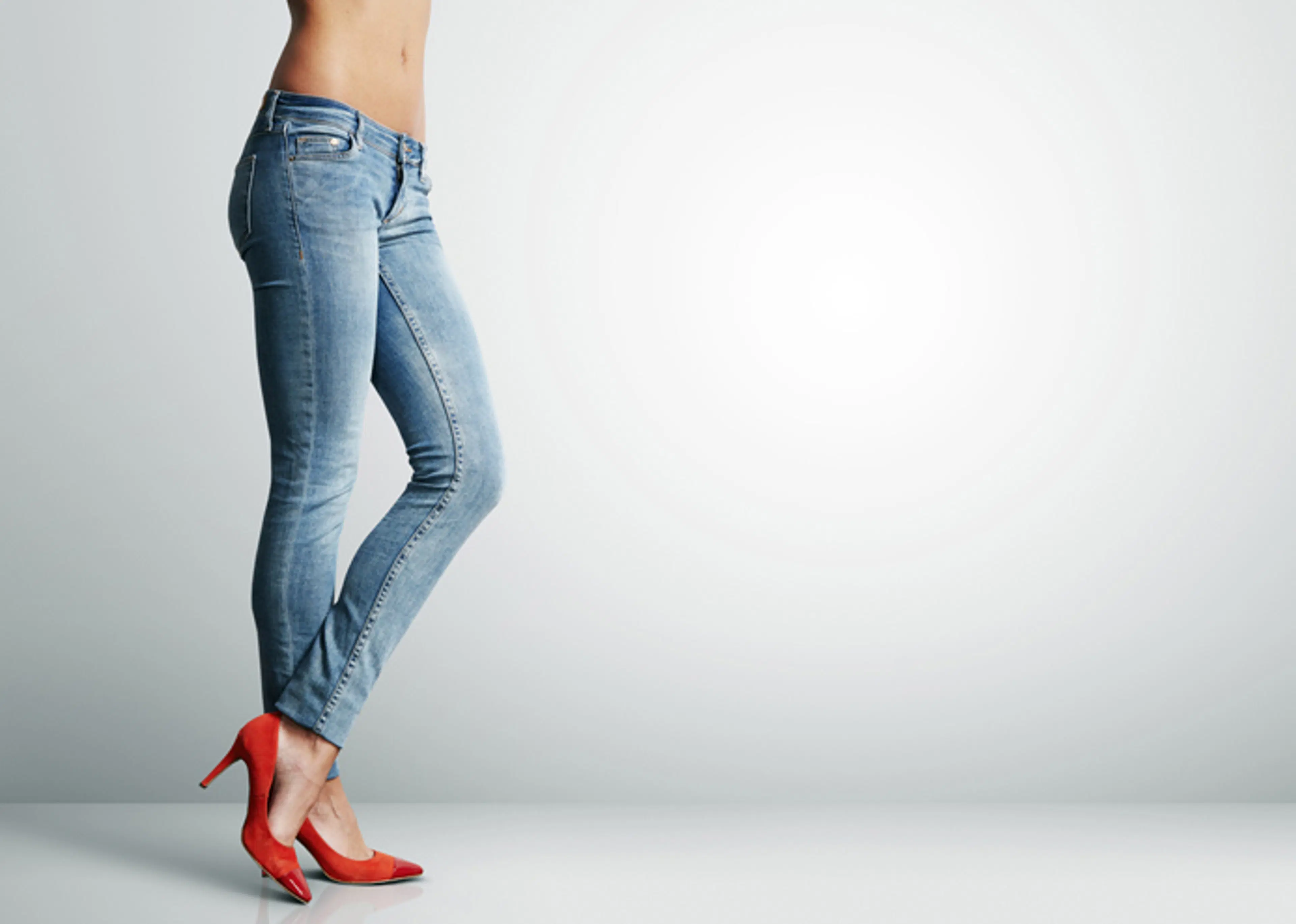
We’ve seen this play out many times at our clinic. Especially in women who wear heels daily, or office workers who favor flat slip-ons with zero support. These habits, built over years, can silently wear down the vein system.
To be honest, shoes are often treated as a style statement or an afterthought in healthcare. But from a vascular surgeon’s point of view, they’re more like “everyday medical tools.”
Let’s use a simple metaphor. Imagine your veins as water pipes in a tall building. The calves act like the pump room. Good shoes help that pump work smoothly. Bad shoes? They throw the whole system off balance, creating backflow, pressure, and eventually — burst pipes (a.k.a. varicose veins).
Some things that quietly damage vein health:
And in Korea — where long standing hours (like in service jobs, hagwons, or even subway commutes) are common — the effects are amplified.
At Charm Vascular Clinic, we advise patients to think of foot and leg health as part of the same system. Choosing the right shoes is one of the most underrated but effective ways to reduce venous pressure — especially if you’re in the early stages of vein disease or post-treatment recovery.
Here’s what we typically recommend:
Too flat and you lose arch support. Too high and you disrupt calf function. A small heel helps activate the calf muscle and maintains good venous return.
Shoes should bend naturally with your foot, but still offer enough structure to support walking.
Overheated feet can cause veins to dilate more. Choose materials that allow airflow — especially important in Korea’s humid summers.
One of the first things we do at Charm Vascular Clinic is assess walking habits and footwear. We ask patients:
What kind of shoes do you wear most days?
Do you feel foot fatigue or tightness?
Have your shoes been replaced in the last year?
Often, we find that small adjustments — like adding orthopedic insoles or switching to supportive walking shoes — dramatically improve outcomes.
A 38-year-old office worker came to us with persistent leg swelling and visible varicose veins after two pregnancies. She had tried everything — massage, over-the-counter creams, even dietary changes. But her condition continued to worsen.
One overlooked factor? She was wearing soft, stylish loafers every day. They looked comfortable, but offered zero support.
This kind of result is more common than you'd think.
If you’re struggling with leg heaviness, swelling, or visible veins — and you haven’t paid attention to your shoes — now’s the time.
Even the best treatments can be undermined by poor daily habits. Your footwear is part of your treatment plan, whether you realize it or not.
Vein issues don’t appear overnight. They build slowly, often helped along by daily patterns we barely notice. Your shoes — the ones you wear 8 to 12 hours a day — are part of that story.
If you’ve been struggling with varicose veins or leg discomfort, consider not just medical treatment but also a careful look at your footwear. A small shift today can mean a stronger, healthier tomorrow.