Introduction
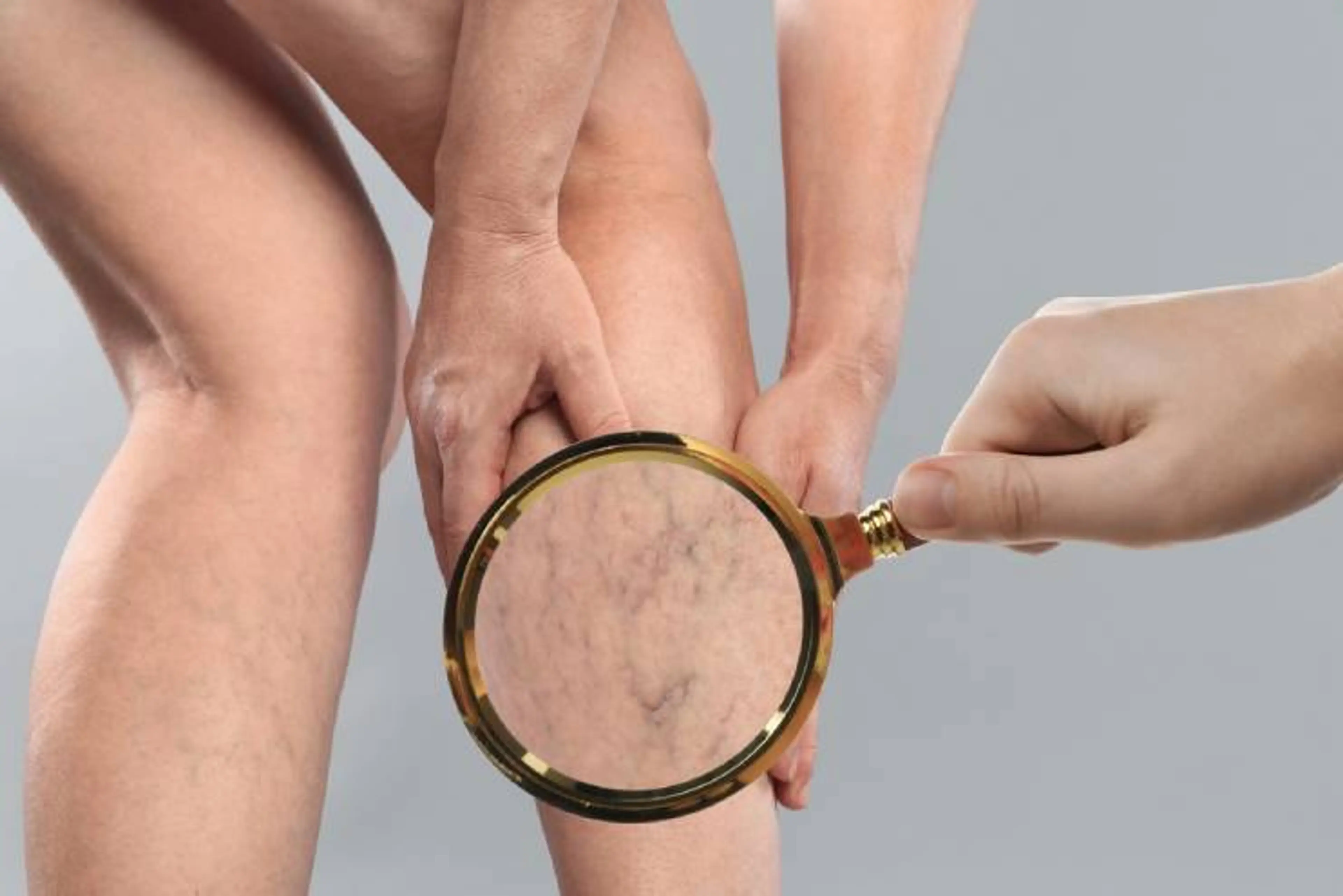
how-regular-exercise-can-help-prevent-varicose-veins-from-developingImagine this: after a long day of sitting at your desk or standing at work, you come home, take off your shoes, and notice your legs feel heavy. Maybe there’s some swelling around your ankles, or faint bluish lines have begun to appear under your skin. Many people brush this off as simple fatigue, but in truth, these early signs can hint at the beginning of varicose veins.
At Charm Vascular Clinic in Seoul, we often hear patients say, “I wish I had known earlier what I could do to prevent this.” The encouraging news is that, while genetics and age play a significant role in vein health, lifestyle choices — especially regular exercise — have a powerful influence on whether veins remain strong or start to weaken. Movement, as simple as daily walking, can dramatically lower your risk of varicose veins and improve circulation.
Why Varicose Veins Develop in the First Place
why-varicose-veins-develop-in-the-first-placeTo understand why exercise matters, it helps to look beneath the skin at how veins actually work. Your veins are responsible for carrying blood back to the heart. In your legs, this means blood must travel upward, fighting against gravity. Small one-way valves inside your veins act like gates, opening to let blood through and then closing to stop it from sliding backward.
When these valves weaken — which can happen from prolonged sitting, long hours of standing, pregnancy, weight gain, or simply aging — blood begins to pool. This increases pressure inside the veins, stretching them out and causing them to bulge. What you see on the surface as twisted, rope-like veins is really a sign of deeper valve failure.
What people often overlook is that circulation is not a passive process. It isn’t only your heart doing the pumping. The muscles in your legs, especially your calves, play a critical role in moving blood upward. Every time you walk, flex, or even shift your weight, your calf muscles squeeze the veins, pushing blood toward the heart. That’s why doctors sometimes call the calves the “second heart.” Without muscle movement, blood flow slows dramatically — and that’s when veins start to suffer.
How Exercise Supports Healthy Veins
how-exercise-supports-healthy-veinsIf the valves in your veins are the gates, then your muscles are the workers keeping those gates functional. Exercise strengthens this system in several ways:
Boosts circulation: Each contraction of your leg muscles acts like a pump, propelling blood upward and reducing the amount that pools in your veins.
Strengthens vein walls: Regular activity improves vascular tone and flexibility, making your veins more resilient against pressure changes.
Controls weight: Carrying excess body weight places extra strain on leg veins. Exercise helps maintain a healthy weight, easing this burden.
Reduces inflammation: Consistent movement lowers systemic inflammation, which is strongly linked to vein damage and chronic venous insufficiency.
Improves lymphatic flow: Exercise not only benefits veins but also supports lymphatic drainage, reducing swelling and heaviness in the legs.
At our clinic, Dr. Insoo Park often reminds patients: “Even small, consistent movements matter more than occasional bursts of intense activity. Veins love rhythm.”
This explains why people who walk daily or stay active are less likely to experience leg heaviness, swelling, or visible veins, even if they have a family history of varicose veins.
The Best Exercises for Vein Health
the-best-exercises-for-vein-health
Not all exercise is equal when it comes to protecting veins. While high-impact sports have cardiovascular benefits, repetitive pounding on the legs (for example, running long distances without proper conditioning) can sometimes aggravate venous symptoms in people who are already prone. The goal is to choose activities that activate the leg muscles without placing unnecessary strain on the veins.
Here are the exercises vascular specialists often recommend:
Walking: The simplest and most accessible form of exercise. A 30-minute walk each day, at a comfortable pace, can significantly improve blood flow in your legs.
Cycling or stationary biking: Both outdoor cycling and indoor cycling provide a smooth, low-impact workout that engages the calves and thighs.
Swimming: Perhaps the most vein-friendly exercise, because the buoyancy of water relieves pressure on the legs while muscle contractions still promote circulation.
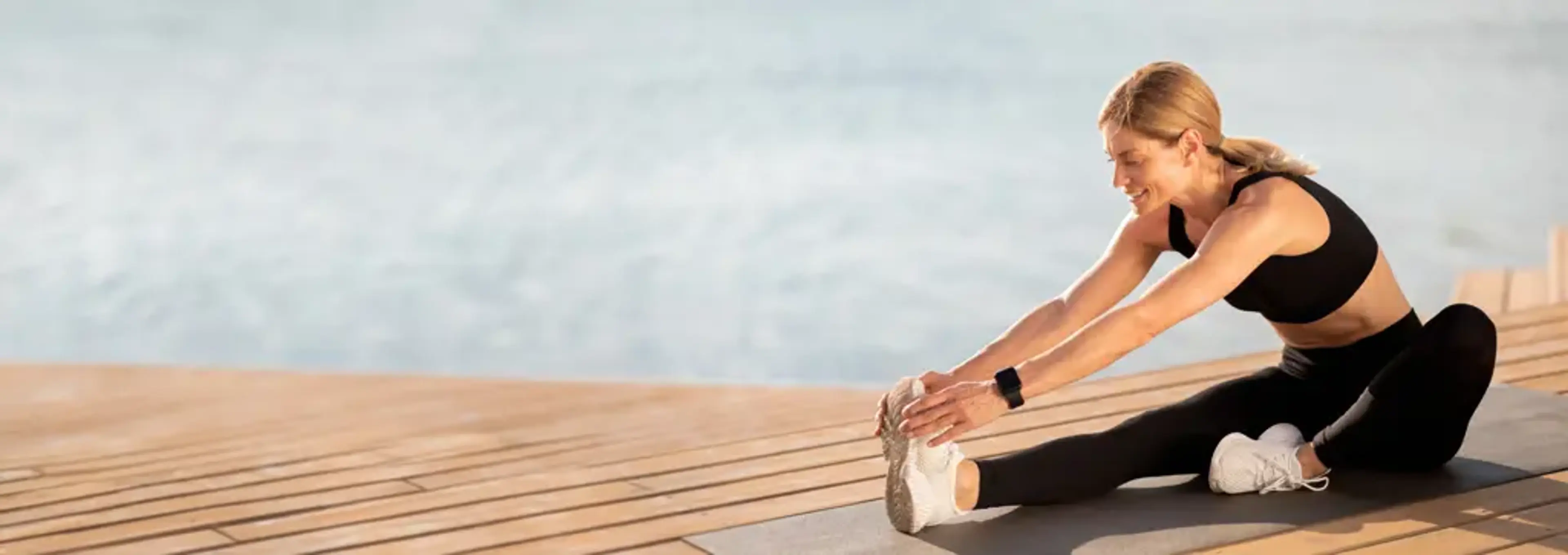
Yoga and stretching: Gentle movements like leg lifts, downward dog, or simple hamstring stretches improve flexibility and circulation, particularly in people who spend long hours sitting.
Calf raises: A highly targeted exercise. Simply standing on your toes and lowering back down repeatedly strengthens the calf muscle pump, which directly supports venous return.
Elliptical training: A good alternative for those who want a cardiovascular workout without the jarring impact of running.
If you enjoy weight training, it’s not off-limits. In fact, strengthening leg muscles can help circulation. The key is to avoid holding your breath or straining excessively (a maneuver known as the Valsalva), which can temporarily spike venous pressure. Controlled breathing during exercise keeps it safe and effective.
Everyday Movement That Protects Your Veins
everyday-movement-that-protects-your-veinsYou don’t need to commit to intense workouts to protect your vein health. Small adjustments to daily life can make a huge difference:
Take the stairs instead of the elevator whenever possible.
If you work at a desk, stand up and stretch your legs at least once every hour.
During phone calls, stand and pace instead of sitting.
On long commutes or flights, flex and point your feet to keep blood moving.
After meals, a 10-minute walk helps digestion and improves circulation.
In Korea, where long hours at a desk or in the classroom are common, we see many young adults developing early signs of venous insufficiency. This lifestyle pattern makes these small but regular movements even more critical.
Who Benefits Most from Exercise in Vein Health?
who-benefits-most-from-exercise-in-vein-health
Exercise is important for everyone, but certain groups benefit especially:
Office workers and students: Sitting for extended periods is one of the biggest risk factors for venous issues.
Healthcare professionals, teachers, and retail staff: Standing all day puts as much strain on veins as sitting does.
Pregnant women: Hormonal changes and increased abdominal pressure during pregnancy weaken veins; gentle movement and walking can offset some of this risk.
People with a family history of varicose veins: Genetics play a strong role, but lifestyle choices can slow down or lessen the severity of vein problems.
Older adults: Veins naturally weaken with age, but regular movement helps preserve function and circulation.
When Exercise Alone Isn’t Enough
when-exercise-alone-isn't-enoughIt’s important to be honest — exercise can reduce the risk of varicose veins and help slow their progression, but it cannot guarantee prevention. Genetics, hormonal changes, and aging may still lead to valve weakening, even in people who exercise daily.
That doesn’t mean all hope is lost. For those who do develop varicose veins, modern medicine offers advanced, minimally invasive solutions:
Endovenous Laser Ablation (EVLA): A tiny laser fiber is inserted into the diseased vein, using heat energy to seal it shut.
Radiofrequency Ablation (RFA): Similar to EVLA, but using radiofrequency energy instead of laser.
VenaSeal™: A medical adhesive that closes off faulty veins without heat, anesthesia, or compression stockings.
These treatments are performed under local anesthesia, take less than an hour, and allow patients to walk immediately afterward. At Charm Vascular Clinic, we combine these medical solutions with personalized lifestyle advice — including exercise recommendations — to give patients the best long-term outcomes.
A Practical Takeaway
a-practical-takeawayIf you’ve been worried about developing varicose veins, remember this: exercise is one of the most powerful, natural tools you have. It doesn’t require expensive equipment, and even 20–30 minutes a day can strengthen your leg muscles, improve circulation, and lower your risk.
And if varicose veins have already appeared, don’t feel discouraged. With today’s minimally invasive treatments, combined with regular exercise, most people can regain comfort, reduce swelling, and prevent the condition from worsening.
At Charm Vascular Clinic in Seoul, we believe prevention and treatment go hand-in-hand. Whether you’re looking to stay ahead of vein problems or already seeing symptoms, a personalized plan — built on medical expertise and everyday movement — can help you live with lighter, healthier legs.
✅ Next Step for You:
If you’ve been struggling with heavy, tired legs or noticing visible veins, consider a consultation at a specialized center like Charm Vascular Clinic. Our team can guide you on both lifestyle changes and advanced, minimally invasive treatments tailored to your condition.