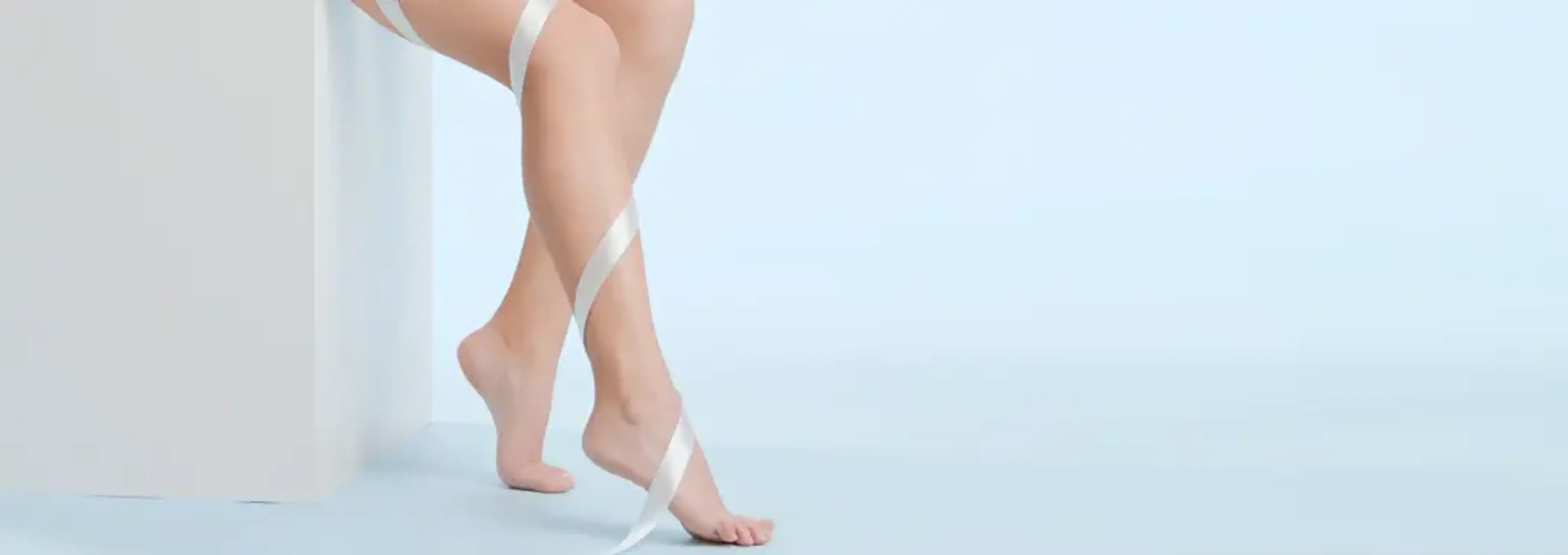
When we talk about longevity and wellness, most people think about heart health, diet, and exercise. What people often overlook — perhaps because it’s not covered broadly in mainstream health conversations — is the quiet but profound way that vein health affects daily life. To be honest, many patients don’t realize how much their veins influence their comfort, mobility, sleep, confidence, and even emotional well‑being… until they begin to feel better.
In clinic, I meet people who describe something as simple as standing in a queue, playing with grandchildren, or sleeping through the night without leg discomfort as a new sense of freedom. That resonates deeply with me, because vascular health isn’t just about anatomy — it’s about what a person can do with their body, how they feel in their own skin, and how they engage in life.

Let’s explore why veins matter, what happens when they don’t work well, and how restoring vein health can profoundly improve quality of life.

What Healthy Veins Do — and Why We Should Care

what-healthy-veins-do-and-why-we-should-care

Veins are the highways that return blood to your heart. Unlike arteries that actively pump blood out under pressure, veins rely on tiny valves and surrounding muscle action to push blood upward, especially in the legs where gravity is strongest.

Imagine veins as a series of one‑way turnstiles. Each turnstile (valve) lets blood flow up, but shuts to prevent backflow. If those turnstiles weaken or fail, blood pools, pressure increases, and the system becomes inefficient.

When veins work well:

  • Legs feel comfortable even after long periods of standing or sitting.

  • Circulation stays efficient.

  • No swelling or skin changes appear.

  • Sleep is uninterrupted by restless, achy legs.

When vein function deteriorates — often due to aging, genetics, pregnancy, long standing hours, or inactivity — a cascade of symptoms can emerge. This is why vein health isn’t a “cosmetic issue” — it’s a structural, physiological matter that directly affects function and comfort.

The Hidden Burden of Vein Problems

the-hidden-burden-of-vein-problems

Most people think of varicose veins as swollen, rope‑like veins visible on the surface. But underlying venous dysfunction is far more than skin deep. There are many subtle — and some not‑so‑subtle — signs that the venous system is struggling:

  • Heaviness or fatigue in the legs, especially late in the day
  • Chronic swelling (edema)
  • Aching or throbbing sensations
  • Restless legs at night
  • Darkening or discoloration of the skin near the ankles
  • Itching or eczema‑like changes
  • Ulcers or slow‑healing wounds
  • Visible bulging veins
To most patients, these symptoms are “just part of getting older.” But from a vascular surgeon’s viewpoint, they signal an underlying process: chronic venous insufficiency (CVI) — a condition where vein valves fail, blood pools, and pressure remains elevated in the leg veins. Over time, this creates a feedback loop of worsening symptoms and declining function.
If you’ve ever thought, “Why do my legs feel like this all the time?” — you’re not alone. And you’re definitely not imagining the impact it has on your life.

Beyond Pain: How Vein Dysfunction Affects Daily Living

beyond-pain:-how-vein-dysfunction-affects-daily-living
Vein problems don’t just hurt physically — they limit participation in life.

Reduced Activity and Mobility

reduced-activity-and-mobility

People with vein symptoms often unconsciously avoid activity:

  • Taking stairs becomes a chore.

  • Walking for an hour feels impossible.

  • Standing at social events or family gatherings becomes fatiguing.

When movement decreases, other health issues — like weight gain, muscle weakness, and poor cardiovascular fitness — can follow.

Sleep Disturbances

sleep-disturbances

Nighttime discomfort due to restless or throbbing legs interrupts sleep. Poor sleep leads to:

  • Fatigue

  • Mood changes

  • Reduced cognitive focus

Patients sometimes say: “I never knew a good night’s sleep could feel this amazing.” That’s how transformative relief can be.

Skin and Tissue Changes

skin-and-tissue-changes
Long‑standing venous pressure can lead to skin discoloration, eczema, or even venous ulcers, particularly near the ankles. These are not just cosmetic — they are painful, persistent wounds that affect mobility and require long‑term care.

Emotional and Social Impact

emotional-and-social-impact

Visible veins and chronic swelling can trigger self‑consciousness. People avoid shorts, swimming, or social activities. There’s a subtle but real emotional toll: a withdrawal from activities that once brought joy.

The burden of these symptoms accumulates gradually, like a creeping restriction on life — and most people don’t connect the dots until their condition has progressed.

When We Restore Vein Health — What Truly Changes?

when-we-restore-vein-health-what-truly-changes
Restoring Vein Health

When venous health is restored — whether through minimally invasive procedures or lifestyle adjustments — the improvements aren’t just physical. Patients consistently report transformations in their everyday lives.

1. Comfort Returns to the Legs

1.-comfort-returns-to-the-legs

For many, the first noticeable change is a lack of heaviness and achiness. Simple activities like walking into the grocery store or standing at a concert become effortless again. Imagine walking without thinking about your legs — that’s freedom.

2. Swelling Diminishes

2.-swelling-diminishes

Swelling, especially in the lower leg and ankle, often resolves or dramatically improves. Shoes fit comfortably again, socks don’t leave deep marks, and ankles regain definition.

3. Skin Improves

3.-skin-improves

With restored venous flow, chronic skin changes can reverse gradually. Discoloration fades, itching subsides, and, importantly, slow‑healing wounds find a path toward closure.

4. Mobility and Endurance Increase

4.-mobility-and-endurance-increase

One of the most rewarding outcomes patients share is a return to activities they had stopped doing:

  • Walking longer distances

  • Climbing stairs without effort

  • Traveling without discomfort

  • Playing with children without leg fatigue

Movement becomes joyful again — not just tolerated.

5. Sleep Quality Improves

5.-sleep-quality-improves

Nighttime rest returns as leg discomfort lessens. Better sleep fuels better mood, sharper thinking, and improved energy during the day.

6. Confidence and Body Image Heal

6.-confidence-and-body-image-heal
Aesthetic concerns fade into a deeper sense of physical confidence. Patients who once avoided shorts or social events feel liberated, not because of cosmetic change alone, but because their body feels like a partner again — not an obstacle.

The Modern Approach: Minimally Invasive Treatments

the-modern-approach:-minimally-invasive-treatments
Endovenous Laser Ablation

Gone are the days when vein problems meant long hospital stays, large scars, and months of discomfort. At Charm Vascular Clinic, and in vascular centers around the world, minimally invasive techniques have transformed care.

Treatments such as:

  • Endovenous Laser Ablation (EVLA)
  • Radiofrequency Ablation (RFA)
  • VenaSeal™ (medical adhesive closure)
  • Ultrasound‑guided sclerotherapy
These procedures work from within the vein — using heat, light, or medical adhesive to close problematic vessels and redirect blood flow into healthy veins.

Here’s what patients often experience with these modern techniques:

  • Local anesthesia (no general anesthesia)

  • Minimal scarring

  • 1‑2 hour outpatient procedures

  • Walk immediately after treatment

  • Return to normal life within days

It’s no exaggeration to say that the evolution of these treatments has changed the way we think about venous disease — from something to “live with” to something we can correct.

Why Early Intervention Matters

why-early-intervention-matters
Restoring vein health is most effective when treatment occurs before advanced complications develop. Many patients delay care because they think their symptoms are “normal” or “just cosmetic.” That’s a misconception.

Early intervention:

  • Prevents disease progression

  • Reduces the risk of ulcers and chronic swelling

  • Improves outcomes and speeds recovery

  • Enhances long‑term quality of life

If you’re wondering “Is this serious?” — you’re not alone. Many patients tell us they wish they had sought care earlier, once they realize how much better life feels after treatment.

Everyday Habits That Support Vein Health

everyday-habits-that-support-vein-health

While advanced treatments transform the underlying problem, daily habits matter too:

Stay Active

stay-active

Movement helps the calf muscles work as a secondary pump for venous return.

Maintain a Healthy Weight

maintain-a-healthy-weight

Excess weight increases pressure in leg veins.

Avoid Prolonged Sitting or Standing

avoid-prolonged-sitting-or-standing

Take periodic breaks to walk or stretch.

Wear Compression When Advised

wear-compression-when-advised

Compression stockings support circulation and reduce swelling.

These habits are supportive, not curative — but they make a measurable difference.

Real Stories, Real Improvement

real-stories-real-improvement

I once treated a schoolteacher who stood for hours each day. She thought her leg fatigue was part of her job. After treatment, she told me:

“I never realized how much energy my legs were taking — until they weren’t.”

Another patient, an avid traveler, said:

“Long flights were torture. Now I can plan trips without anxiety.”

These moments remind me why vein health is more than a medical specialty — it’s a gateway to better living.

When to Seek Specialized Vascular Care

when-to-seek-specialized-vascular-care

You should consider a consultation with a vascular specialist if you experience:

  • Persistent leg pain, heaviness, or swelling

  • Visible bulging veins

  • Chronic skin changes or ulcers near the ankle

  • Discomfort that interferes with daily activity

  • Symptoms that worsen by evening

A vascular ultrasound — a painless and non‑invasive imaging test — is the foundation of diagnosis. It maps your venous system and shows exactly where dysfunction exists.

At Charm Vascular Clinic, we use ultrasound from the first visit to create a personalized understanding of your veins — and then tailor a treatment plan that suits your body and your life goals.

Quality of Life — Restored

quality-of-life-restored
When we look beyond the anatomy and focus on what matters most to patients, a clear picture emerges:

Restoring vein health isn’t just about closing a diseased vessel. It’s about:

  • Regaining comfort

  • Moving without hesitation

  • Sleeping deeply

  • Feeling confident in your own body

  • Participating fully in daily life

In other words, it’s not just a procedure — it’s a renewal of agency over your own body.
If you’ve been struggling with discomfort, swelling, or limitations due to your veins, consider a consultation at a center like Charm Vascular Clinic for a personalized, minimally invasive treatment plan. It might be the first step toward waking up one day and realizing… your legs feel free again.