Home / Articles
How to Avoid Complications After Sclerotherapy for Varicose Veins
Home / Articles
How to Avoid Complications After Sclerotherapy for Varicose Veins
In this article, we’ll walk you through the common complications after sclerotherapy and offer essential tips on how to avoid them. With proper aftercare, you can help ensure a smooth recovery and long-lasting benefits from your treatment.
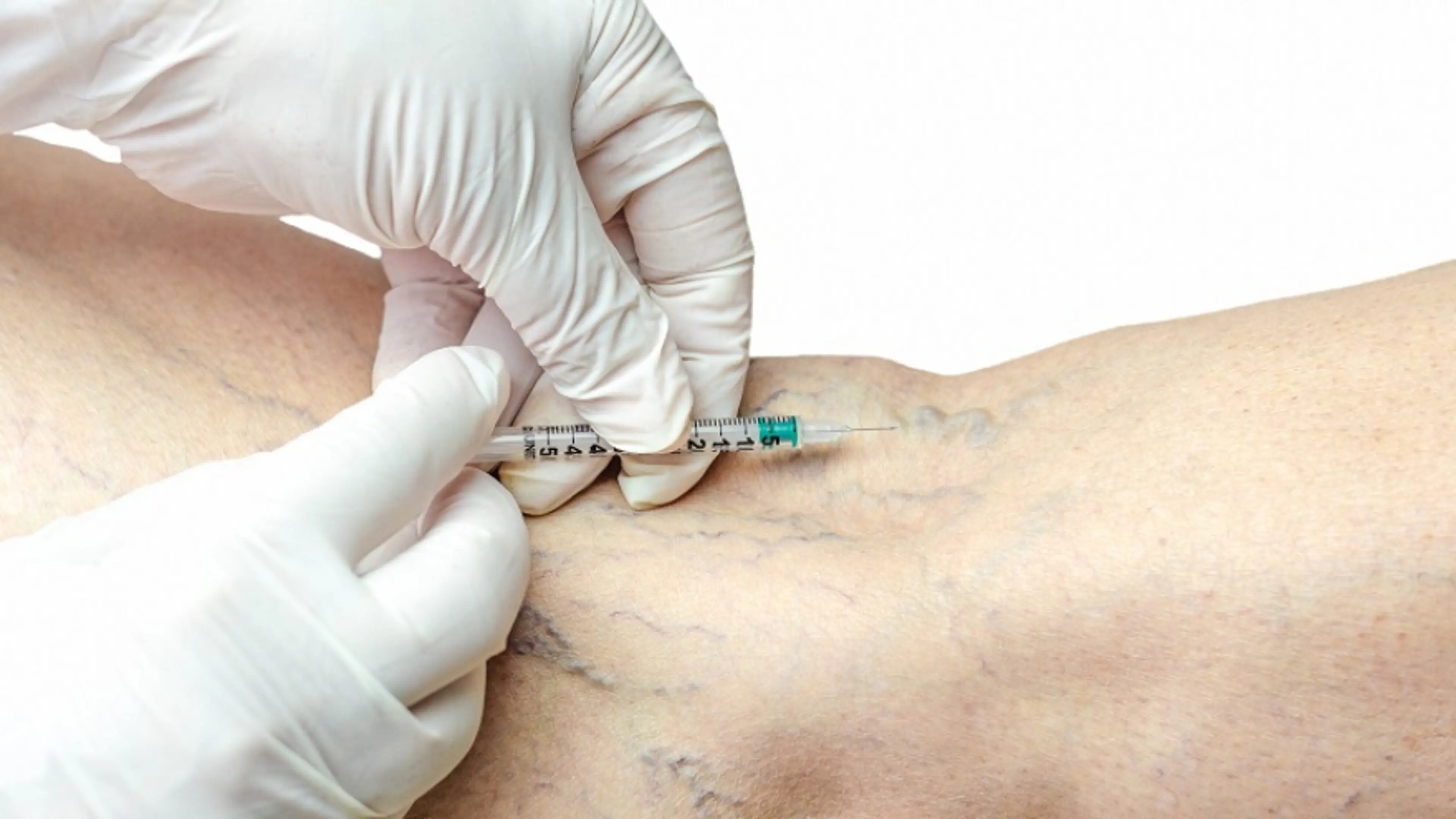
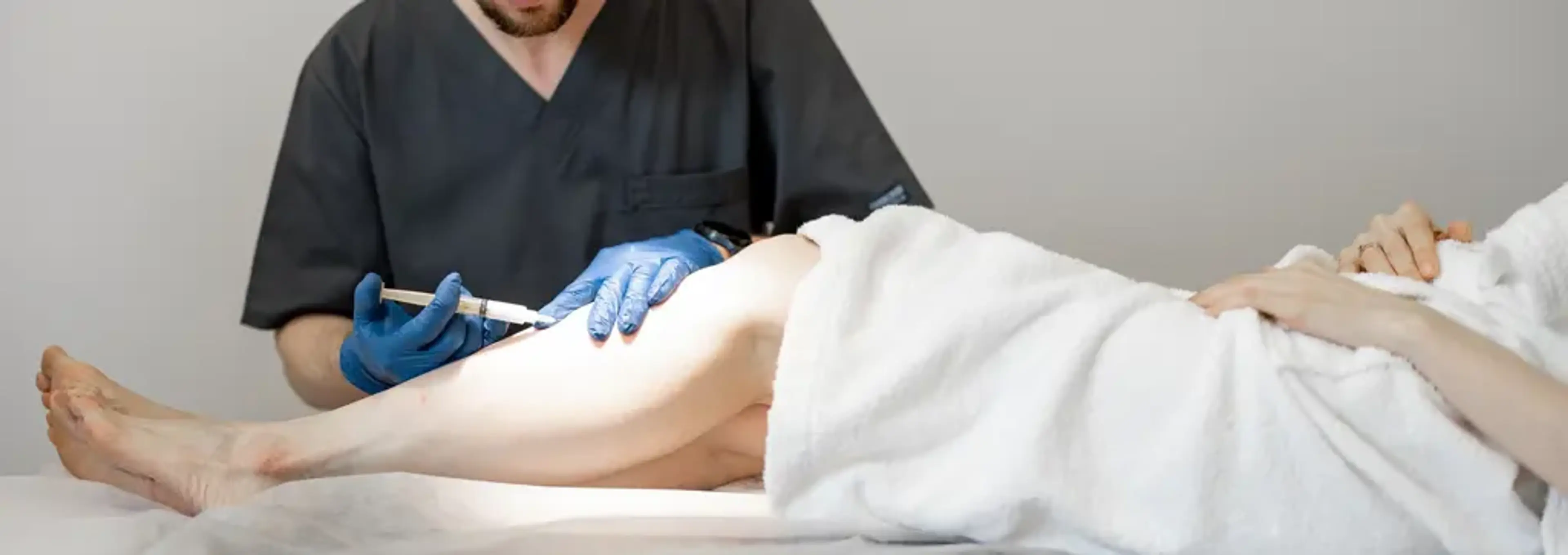
Sclerotherapy is a minimally invasive procedure designed to treat varicose veins and spider veins. During the procedure, a sclerosing agent (usually a liquid or foam solution) is injected directly into the affected veins. This solution causes the veins to collapse and eventually be absorbed by the body. As a result, blood flow is redirected to healthier veins, and the appearance of the varicose veins improves over time.
This treatment has gained popularity because it’s quick, relatively painless, and doesn’t require the extended recovery time associated with traditional surgical options. Sclerotherapy is typically recommended for patients with moderate to severe varicose veins, as well as those seeking cosmetic improvements for spider veins.
Although sclerotherapy is generally safe and well-tolerated, some patients may experience minor complications, which usually resolve on their own with appropriate care. Here are a few of the most common issues that may arise:
Although these complications are not common, it is crucial to understand them and know how to avoid or minimize their occurrence. By following a few simple guidelines, you can help ensure your sclerotherapy treatment is as effective and complication-free as possible.
Now that we’ve outlined some of the potential complications, let’s dive into the ways you can minimize your risk of these side effects and promote a smooth recovery. Proper aftercare is key to avoiding complications and achieving the best possible results from your sclerotherapy treatment.
After sclerotherapy, your doctor will provide you with a set of specific instructions to follow to promote healing and prevent complications. It’s important to take these instructions seriously, as they are tailored to your individual needs and the specifics of your procedure.
Some general guidelines include:
One of the most important recommendations after sclerotherapy is wearing compression stockings. These specially designed stockings apply gentle pressure to the treated veins, helping them collapse and be absorbed by the body more effectively. Additionally, compression stockings help prevent swelling and reduce the risk of blood clots.
Your doctor will advise you on how long you should wear the stockings, but typically, patients are advised to wear them for at least a week after the procedure. In some cases, they may need to be worn for longer, depending on the size of the veins treated and the specifics of the procedure.
Compression stockings not only aid in the healing process but also help improve the overall outcomes of the treatment by promoting better blood circulation.
After sclerotherapy, it's crucial to refrain from heavy physical exertion for a few days. Intense activities like running, heavy lifting, or vigorous exercise can put stress on your veins and hinder the healing process. For the first 48 hours, it's best to rest and avoid any activity that could increase blood flow to the treated areas.
However, light activities like walking are encouraged. Walking promotes blood circulation without overexerting your body, which can aid in the healing of the treated veins. After a few days, you can gradually resume your usual exercise routine, but always listen to your body and consult your doctor if you're unsure.
Elevating your legs after sclerotherapy can help reduce swelling and improve blood circulation. It's recommended to elevate your legs above heart level whenever you're resting, especially during the first few days after treatment. This simple action can aid in reducing the risk of complications like swelling and discomfort.
Using pillows or cushions to prop your legs up while you lie down is a great way to ensure your legs remain elevated without too much effort. Aim to keep your legs elevated for 20-30 minutes at a time, several times a day, particularly in the first 48 hours post-treatment.
It’s common to experience mild pain or discomfort after sclerotherapy, especially in the form of bruising. Bruising occurs because the sclerosing agent irritates the vein, causing it to rupture and bleed slightly. This is typically harmless and fades within a few days to weeks. If the bruising is extensive or painful, applying ice packs to the treated area can help reduce inflammation and discomfort.
Over-the-counter pain medications, such as ibuprofen or acetaminophen, can help manage any mild pain or soreness. Always consult with your doctor before taking any medications to ensure they won’t interfere with your recovery. As the bruising and pain subside, the veins will begin to fade, and your skin will return to normal.
Swelling is another common side effect of sclerotherapy, but it can be minimized with the right care. Compression stockings play a key role in reducing swelling, as they provide gentle pressure to the veins and prevent excessive fluid buildup. Be sure to wear them as prescribed by your doctor.
Elevating your legs is also essential for reducing swelling. By lifting your legs above heart level for short periods throughout the day, you help improve circulation and prevent fluid retention. Additionally, staying hydrated and avoiding long periods of standing can help minimize swelling. If swelling persists or worsens, it's important to contact your doctor for further guidance.
The recovery process after sclerotherapy is typically quick, with most patients resuming normal activities within a few days. However, the exact timeline can vary depending on the extent of the treatment and how well the body responds.
In the first 24 to 48 hours, you may experience some swelling, bruising, or mild discomfort. These symptoms are common and should improve with rest, elevation, and compression. Over the next few weeks, the treated veins will gradually fade, and you’ll notice an improvement in the appearance of your skin.
For optimal results, follow your doctor’s advice on compression stocking wear and physical activity restrictions. Most patients are able to return to work and light activities within a few days, but it’s essential to avoid heavy exercise for at least two weeks.
While complications after sclerotherapy are rare, it's important to be aware of signs that may indicate a more serious issue. If you experience any of the following, contact your doctor immediately:
These signs are uncommon but should be addressed promptly to ensure your health and safety. Regular follow-up appointments will help monitor your progress and catch any issues early.
After sclerotherapy, it’s important to gradually ease back into your regular activities. While most people can return to work or light daily activities within a few days, high-intensity exercise should be avoided for at least 2 weeks. This allows your body to properly heal and ensures that the treated veins have time to collapse and be absorbed.
When it comes to exercise, you can typically resume walking and other low-impact activities almost immediately. However, activities like running, swimming, or heavy lifting may need to be postponed until your doctor clears you. Always listen to your body, and if you experience any unusual discomfort or symptoms, seek medical advice before resuming strenuous activity.
Post-treatment checkups are a crucial part of your sclerotherapy recovery. During these appointments, your doctor will assess the treated veins and monitor your healing progress. Follow-up visits also give you the opportunity to address any concerns or complications early, ensuring that your recovery stays on track.
Typically, a follow-up appointment is scheduled a few weeks after the procedure, but your doctor will provide specific guidelines. These checkups help ensure that any minor issues, like lingering bruising or swelling, are resolved promptly. Additionally, follow-up visits help determine whether additional sclerotherapy sessions are needed to achieve optimal results.
For example, one of our patients, Mrs. Kim, was suffering from painful varicose veins for years. After undergoing sclerotherapy at our clinic, she was delighted with the immediate improvement in the appearance of her legs. Following our aftercare guidelines, including wearing compression stockings and avoiding strenuous activity, her recovery was smooth, and she was back to her normal routine within a few days.
These real-life success stories emphasize the importance of following aftercare instructions to avoid complications and achieve the best results from your treatment.
Common side effects include bruising, swelling, and mild pain at the injection site. These are usually temporary and resolve within a few weeks.
Results can be seen in a few weeks, but it may take up to 3–4 months for the full effects to become visible as the veins gradually fade.
Long-term risks are rare but can include deep vein thrombosis (DVT) or skin pigmentation. These risks can be minimized by following post-treatment instructions and attending follow-up appointments.
Sclerotherapy is a highly effective and safe treatment for varicose veins when performed by an experienced practitioner. By following the proper aftercare instructions, such as wearing compression stockings, avoiding strenuous activities, and attending follow-up checkups, you can minimize complications and ensure a smooth recovery.