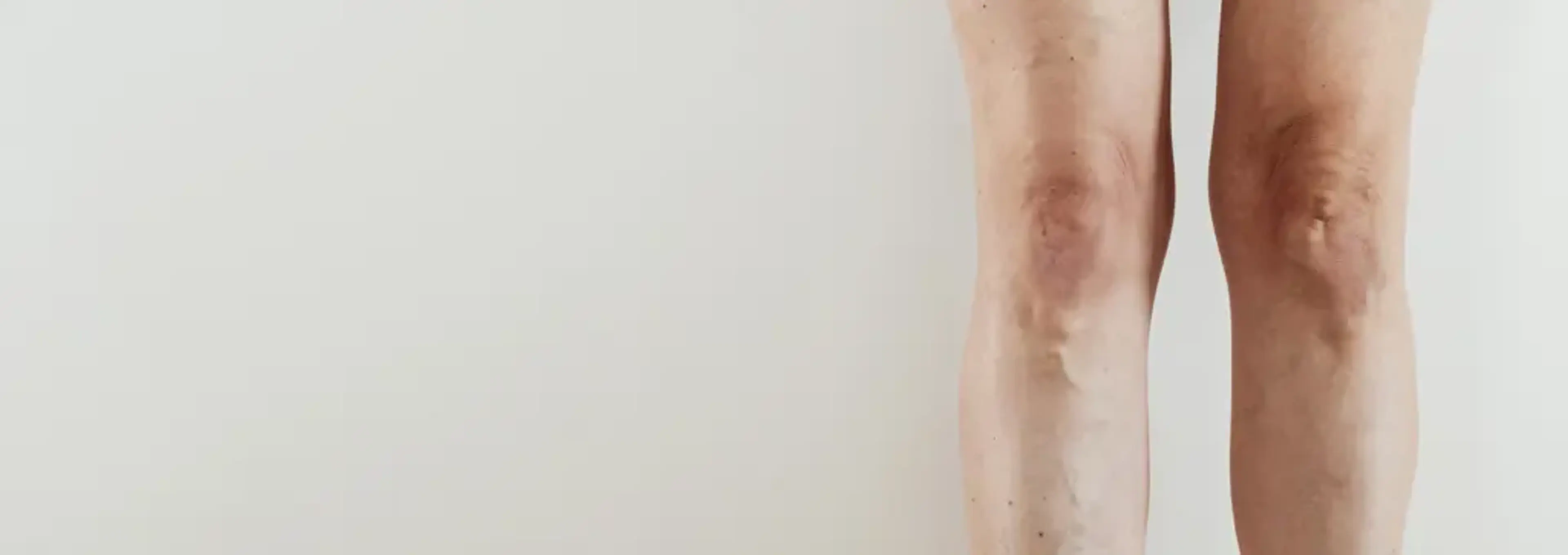
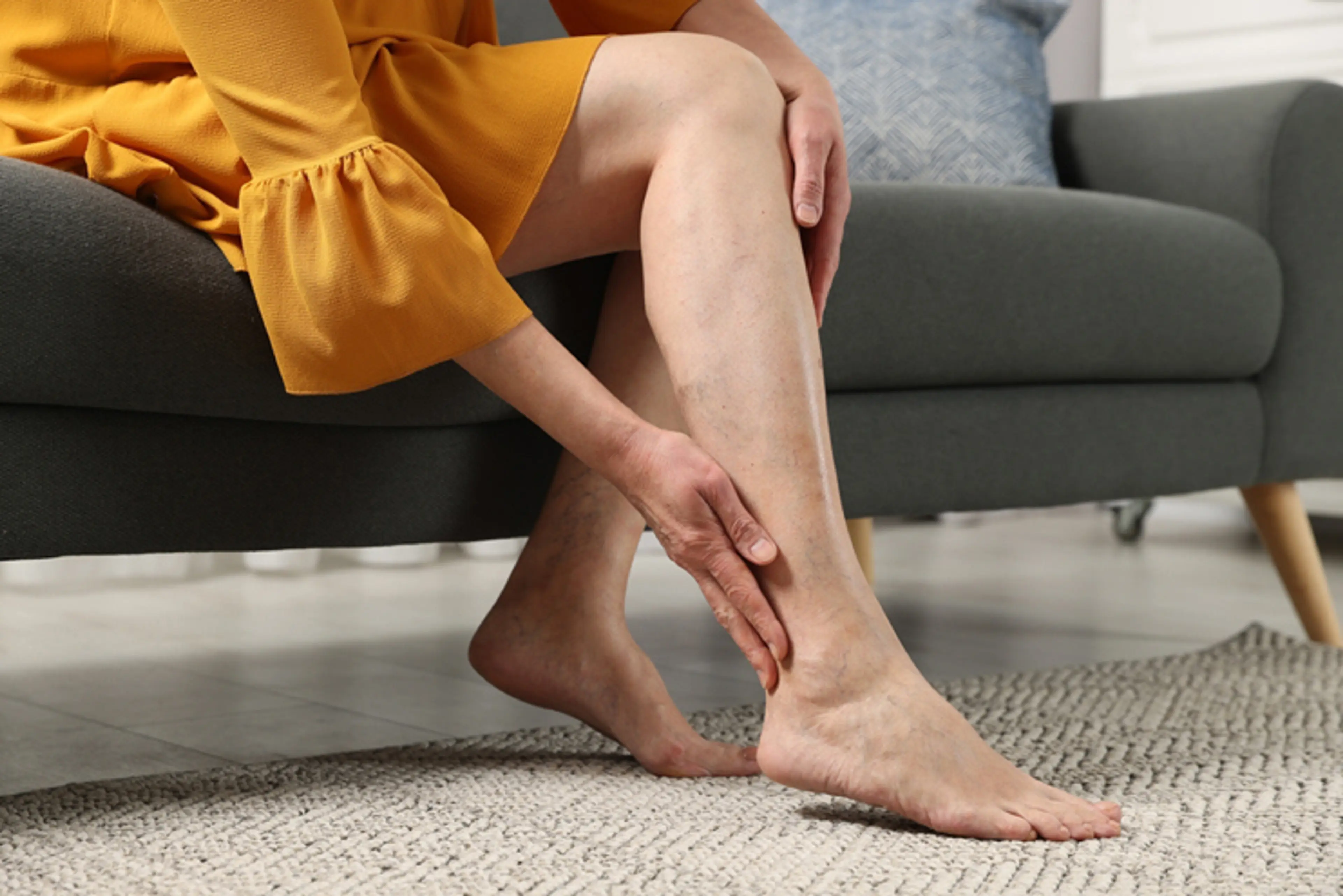
Tips to Prevent Complications After Varicose Vein Surgery
Varicose vein surgery is a transformative procedure that can significantly improve your quality of life. Whether you're undergoing a minimally invasive treatment like Endovenous Laser Ablation (EVLA) or a more traditional surgical method, understanding how to care for yourself post-surgery is essential to avoiding complications and ensuring the best outcome.
As a vascular surgeon with years of experience, I’ve seen firsthand how the right aftercare can make a huge difference in a patient's recovery. If you’re planning surgery, or have recently undergone it, here are some practical, expert-backed tips to help you avoid common complications and speed up your recovery.
Follow Your Doctor’s Instructions to the Letter
One of the most critical steps in preventing complications after varicose vein surgery is adhering strictly to the post-operative instructions provided by your surgeon. These instructions are tailored to your specific surgery and health needs. Following them ensures that your body has the best chance to heal without complications.
Why it matters: Surgeons, like myself, spend years training to understand how the body heals, and post-op care is just as important as the surgery itself. Missing key instructions could lead to issues like excessive swelling, improper healing, or even blood clots.
For example, your doctor may recommend specific compression garments to wear, which help promote circulation in the treated areas and reduce swelling. Skipping this step can increase the likelihood of blood pooling in your veins and slow down recovery.
Manage Your Activity Level
After varicose vein surgery, it’s important to balance rest with gentle activity. Too much rest can lead to muscle stiffness, while excessive activity may strain your healing veins.
Why it matters: Your veins have just undergone a procedure, and overexerting yourself can lead to discomfort or delayed healing. Conversely, remaining too sedentary can cause complications such as deep vein thrombosis (DVT), where blood clots form in the deep veins, potentially becoming dangerous.
What to do: In the first few days after surgery, avoid heavy lifting and vigorous exercise. Gradually reintroduce low-impact activities, such as walking, as your body permits. Walking not only helps with circulation but also supports the healing process by encouraging your body to absorb any remaining fluid in the affected area.
Wear Compression Garments Consistently
Compression stockings or garments are one of the most effective ways to manage post-surgery symptoms, including swelling and bruising. Most patients find that wearing compression garments consistently can greatly reduce discomfort and prevent complications.
Why it matters: Compression supports the circulation of blood and prevents blood from pooling in the veins. It’s particularly essential after surgery to prevent complications like blood clots, which can form if the blood flow slows down.
What to do: Wear the compression garments as directed by your doctor, usually for several weeks after the surgery. Don’t be tempted to skip this step, even if you feel comfortable. It’s a small but powerful way to improve the success of your surgery.
Elevate Your Legs When Possible
Resting with your legs elevated is another vital step in ensuring smooth recovery. Elevating your legs above heart level helps reduce swelling by improving circulation and preventing blood from pooling in the lower limbs.
Why it matters: Swelling is a common issue after varicose vein surgery, and excessive swelling can lead to complications like skin irritation or increased pain. Elevating your legs helps control these issues and speeds up recovery.
What to do: Take short breaks throughout the day to lie down and elevate your legs. Use pillows or a wedge to keep your legs comfortably raised, especially during the first few weeks after surgery.
Stay Hydrated and Eat Nutrient-Rich Foods
Healing from surgery requires energy, and one of the best ways to support your body’s healing process is by nourishing it with healthy food and plenty of water.
Why it matters: Proper hydration helps your body flush out any excess fluid that might build up after surgery, reducing the chances of swelling or infection. Nutrient-dense foods rich in vitamins and minerals help your body repair itself more efficiently.
What to do: Aim for a balanced diet rich in fruits, vegetables, lean proteins, and whole grains. Foods high in vitamin C (such as citrus fruits) can support collagen production, which is essential for wound healing. Hydrate well to promote circulation and assist in detoxification.
Avoid Smoking and Excessive Alcohol Consumption
Both smoking and drinking alcohol can negatively impact your circulation and interfere with the healing process. Smoking, in particular, impairs blood flow and can increase your risk of complications such as blood clots or infection.
Why it matters: Smoking causes the blood vessels to constrict, which can impede circulation and slow the healing process after surgery. Alcohol, especially in excess, can thin the blood and increase the risk of bleeding, which is something you want to avoid after any surgical procedure.
What to do: If you smoke, consider quitting before undergoing surgery. It’s never too late to make a positive impact on your recovery. Similarly, limit alcohol intake in the weeks following your surgery to allow your body the best chance to heal.
Monitor for Signs of Infection or Complications
While varicose vein surgery is generally very safe, complications can still occur. It’s important to be vigilant in watching for early signs of infection, blood clots, or other issues.
Why it matters: Early detection of complications can make a world of difference in how quickly they are resolved. Ignoring signs of infection or other problems can lead to more serious outcomes.
What to look for: Contact your doctor if you notice signs such as increasing redness, warmth, or discharge from your incision sites. Additionally, if you experience sudden pain, swelling, or warmth in your leg, it may be a sign of a blood clot and you should seek immediate medical attention.
Follow Up with Your Doctor for Regular Checkups
Follow-up appointments are a key part of your recovery process. These visits allow your doctor to monitor your healing progress, address any concerns you might have, and ensure there are no lingering issues that need attention.
Why it matters: Even though the surgery may seem like it’s over once you leave the clinic, the recovery process continues for weeks, sometimes months. Regular checkups allow your doctor to identify any potential complications early and adjust your treatment plan if necessary.
What to do: Don’t skip follow-up visits, even if you’re feeling fine. Your doctor may use ultrasound or other imaging methods to ensure the treated veins are healing properly and that your circulation is normal.
Be Patient with Your Recovery
Recovery from varicose vein surgery takes time, and it’s important to remain patient with yourself as your body heals. Everyone heals at their own pace, and rushing the process can lead to setbacks.
Why it matters: Being overly eager to return to normal activities too soon can stress your body and potentially delay your recovery. It’s better to take it slow and follow your doctor’s advice on when to resume physical activity.
What to do: Listen to your body and avoid pushing yourself beyond your limits. If you feel discomfort or pain, it’s a sign that you need more rest. Gradual and consistent care will ultimately lead to the best results.
Conclusion
Avoiding complications after varicose vein surgery is all about taking a proactive, patient, and careful approach to your recovery. By following your doctor's instructions, managing your activity, wearing compression garments, and maintaining a healthy lifestyle, you’re giving yourself the best chance for a smooth recovery and lasting results.
At Charm Vascular Clinic, we specialize in minimally invasive treatments for varicose veins and chronic venous insufficiency. If you’ve been struggling with varicose veins, consider scheduling a consultation for a personalized, minimally invasive treatment plan that’s right for you. Don’t let varicose veins hold you back — we’re here to help you regain your comfort and confidence.