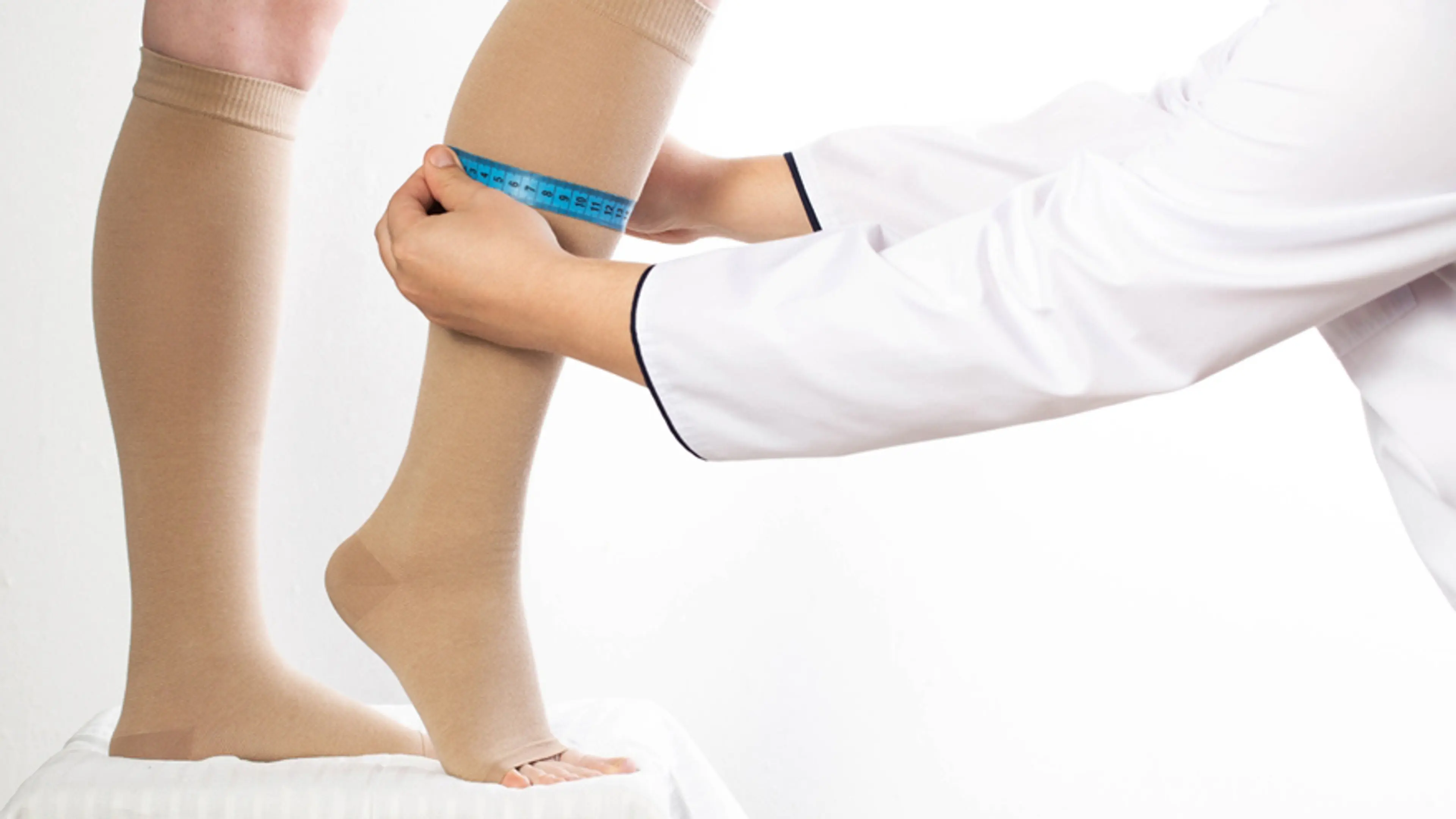
When it comes to treating varicose veins, leg swelling, or chronic venous insufficiency, compression stockings are often the first line of defense. But here’s what many people get wrong: it’s not just about wearing compression — it’s about wearing the right compression.
In our practice here at Charm Vascular Clinic in Seoul, we see this often. A patient walks in wearing stockings they bought online — often too loose to help, or too tight to tolerate. And yet, when properly fitted and correctly prescribed, compression stockings can change a person’s daily comfort, delay disease progression, and even enhance the outcomes of procedures like Endovenous Laser Ablation (EVLA) or Radiofrequency Ablation (RFA).
So how do you know which pressure is right for you? Let’s break it down.
What Compression Stockings Actually Do — And Why Pressure Matters
what-compression-stockings-actually-do-and-why-pressure-mattersThink of your veins like plumbing. When healthy, blood flows smoothly from the feet back to the heart. But with weakened valves — especially in the legs — blood can pool, pressure builds up, and symptoms like swelling, heaviness, or varicose veins appear. Compression stockings act like external scaffolding for your veins.
They apply graduated pressure: the tightest point is at the ankle, with pressure gradually decreasing toward the thigh. This supports venous return, reduces pooling, and prevents fluid from leaking into surrounding tissue.
But — and this is crucial — too little pressure does nothing. Too much pressure can harm. That’s why choosing the correct pressure level is not just a matter of comfort, but of clinical safety.
The Four Main Compression Levels (mmHg)
the-four-main-compression-levels-(mmhg)Compression is measured in millimeters of mercury (mmHg) — the same unit used for blood pressure. Here’s a general guide:
🔹 Mild (8–15 mmHg)
mild-(8-15-mmhg)Best for: tired legs, mild swelling, long flights
Used preventively — common for healthy people on their feet all day
Comfortable, easy to wear, but not suitable for medical-grade issues
🔹 Moderate (15–20 mmHg)
moderate-(15-20-mmhg)Best for: mild varicose veins, early venous insufficiency, pregnancy
Often the starting point for those new to compression therapy
Safe for most people without a prescription
🔹 Firm (20–30 mmHg)
firm-(20-30-mmhg)Best for: post-treatment support (after EVLA or RFA), moderate varicose veins, chronic venous insufficiency
This is what we often prescribe at Charm Vascular Clinic after procedures
Requires proper measurement to ensure safe use
extra-firm-(30-40-mmhg-or-higher)Best for: severe chronic venous insufficiency, healed ulcers, lymphedema
Should only be used under specialist supervision
Not recommended for self-diagnosis or online purchasing
Matching Pressure to Your Condition: A Real-World Guide
matching-pressure-to-your-condition:-a-real-world-guideCompression stockings are like medication: the right dose depends on the diagnosis. Here’s how we tailor it at Charm Vascular Clinic.
Are you standing all day?
are-you-standing-all-dayIf you’re a teacher, chef, or nurse — constantly on your feet — even moderate pressure (15–20 mmHg) can help reduce evening swelling and fatigue.
Sedentary or working from home?
sedentary-or-working-from-homeSitting for long hours can also lead to venous stasis. If you have early symptoms (leg heaviness, mild spider veins), mild to moderate compression may prevent worsening.
Varicose veins or visible bulging veins?
varicose-veins-or-visible-bulging-veinsIf your veins are more than just cosmetic — causing pain or throbbing — you likely need firm pressure (20–30 mmHg). We always confirm this with venous ultrasound mapping before recommending.
Pregnancy
pregnancyMany pregnant women benefit from moderate pressure (15–20 mmHg) stockings, especially in later trimesters. Hormonal changes and increased abdominal pressure can worsen venous return.
Travel or flights over 4 hours
travel-or-flights-over-4-hoursCompression is proven to reduce the risk of deep vein thrombosis (DVT) on long flights. Even mild pressure (8–15 mmHg) helps — but proper sizing is key.
How We Fit Compression Stockings at Charm Vascular Clinic
how-we-fit-compression-stockings-at-charm-vascular-clinic
Most people don’t realize compression stockings require precision — much like a tailored suit. At Charm Vascular Clinic, we use diagnostic tools like Doppler ultrasound to evaluate:
Venous valve function
Skin condition and circulation
Limb circumference (ankle, calf, thigh)
Risk factors like diabetes or peripheral artery disease
This helps us prescribe not just the correct pressure, but also the right length (knee-high vs. thigh-high) and fabric based on your lifestyle.
Common Mistakes We See:
common-mistakes-we-see:Buying the same size as regular socks — doesn’t account for calf swelling
Assuming tighter = better — can impair arterial flow
Skipping post-procedure compression — which helps with bruising and healing
Comfort Matters: You’ll Only Wear What Feels Right
comfort-matters:-you'll-only-wear-what-feels-rightCompression doesn’t work if it stays in the drawer. Here are a few insider tips:
Put them on first thing in the morning, before swelling sets in
Use donning gloves or applicators if strength or mobility is an issue
Choose breathable materials during Korea’s hot summers — we often recommend microfiber blends
Rotate pairs — wearing the same one daily can stretch it out
Wash gently, and air dry to preserve elasticity
And remember — the first few days can feel odd, but most people adjust quickly. It should feel snug, not painful.
When Compression Is Too Much: Warning Signs
when-compression-is-too-much:-warning-signs
Always consult a vascular specialist if you experience:
Numbness or tingling in the toes
New foot pain or coldness after wearing stockings
Skin discoloration or bluish toes
These may be signs of over-compression or underlying arterial issues. Patients with diabetes, peripheral artery disease, or neuropathy need especially careful assessment before using firm stockings.
Final Thoughts: Compression Is a Medical Tool — Not a DIY Solution
final-thoughts:-compression-is-a-medical-tool-not-a-diy-solutionIn Korea, it’s common to see compression stockings sold in pharmacies or online malls — but without personalized fitting or pressure guidance, they’re often ineffective.
At Charm Vascular Clinic, we see compression as part of a bigger treatment plan. Whether you’re recovering from a minimally invasive procedure like EVLA, managing chronic swelling, or trying to stay ahead of worsening veins — the right pressure makes all the difference.
Need Help Deciding? Start with Expert Guidance.
need-help-deciding-start-with-expert-guidance.If you’re feeling unsure about which compression stocking to wear — or whether you need one at all — it’s time for a consultation.
Visit a vascular clinic like Charm Vascular Clinic in Seoul, where your legs are evaluated using ultrasound imaging, and your treatment — even something as simple as a stocking — is personalized to your health, lifestyle, and future goals.
Because when it comes to veins, details matter.