Home / Articles
How to Detect an AVF Problem Before It Becomes Serious
Home / Articles
How to Detect an AVF Problem Before It Becomes Serious
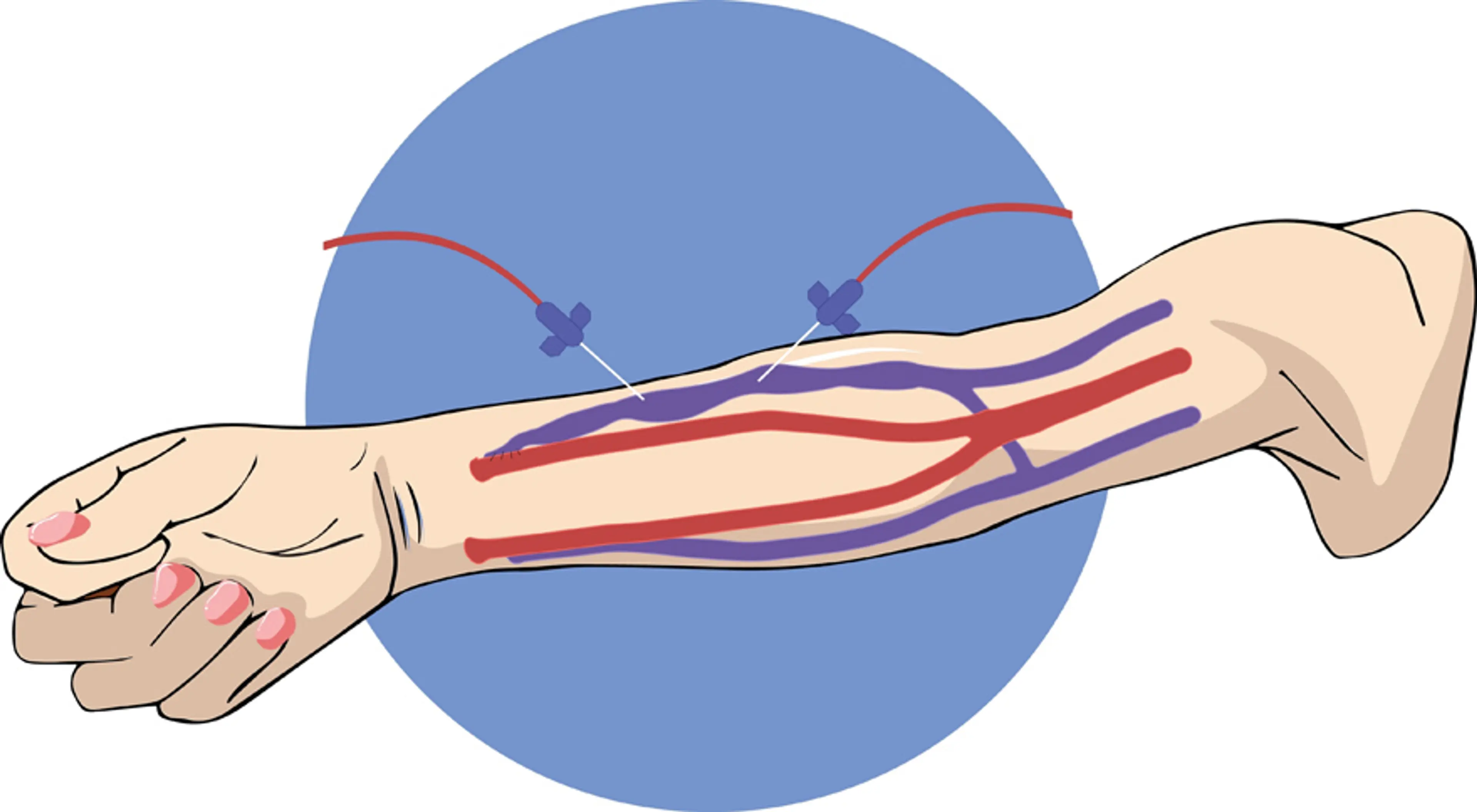
If you have an arteriovenous fistula (AVF) for dialysis, you’ve already taken a huge step toward protecting your long‑term health. An AVF is your lifeline — engineered by vascular surgeons to provide durable, high‑flow access for hemodialysis. But because that access exists inside your body, subtle changes can signal trouble long before pain or clots show up.
Here’s how to detect an AVF problem before it becomes serious — explained in clear terms with real‑world examples, as a vascular clinician would.
Your AVF is more than a “port” for dialysis. It’s a blood vessel that’s been surgically connected to handle high flow reliably. Over time, the vessel walls can stiffen, narrow, or develop scar tissue (called stenosis). Left unchecked, these changes can:
To be honest — many patients don’t notice early warning signs because they think “no pain = no problem.” But AVF issues often begin with subtle physical or functional changes that are detectable if you know what to look for.
Before we dive into specific signs, the most powerful tools at your disposal are:
These aren’t fancy tests. They are consistent habits that catch problems before they become crises.
If the thrill becomes faint or fragmented, it indicates reduced blood flow through the fistula. This often signals narrowing (stenosis) — the precursor to clot formation.
Real‑world example: Mr. K., a 62‑year‑old dialysis patient, reported his thrill “just felt quieter” over two sessions. An urgent ultrasound revealed significant narrowing at the venous outflow — and his fistula was salvaged before thrombosis.
If you hear anything that “sounds different” from what you’re used to, alert your care team. Sometimes subtle shifts in flow patterns are the earliest sign of a developing blockage.
Technicians insert needles into the AVF during each dialysis session. What seems routine can actually be informative.
These often point to vessel wall changes, moving scar tissue, or narrowing beneath the surface.
Your dialysis records contain more clues than you might think.
Clinicians track these numbers, but knowing what they mean for you personally helps you advocate for timely imaging or intervention.
These are classic inflammation signs — and can signal infection, clotting, or high‑pressure backflow.
While not all swelling means an AVF problem, any persistent or spreading redness deserves prompt evaluation.
Some patients dismiss this as “just fatigue,” but the arm with an AVF works harder to circulate blood.
These symptoms can stem from altered blood flow dynamics — especially if they’re new or worsening.
Take a few minutes each day — even on non‑dialysis days — to:
Compare both arms for swelling, color changes, or new veins
Use light pressure over the entire AVF pathway
Gently press along the arm for sensitive points
Keep a small diary or photo log
Consistency is the key. A change from “normal for you” is more meaningful than any textbook description.
A quieter or absent thrill
New or worsening pain or swelling
Difficulty during needle insertion
Dialysis machine alarms that persist
Changes in dialysis effectiveness
Sudden loss of thrill
Severe pain
Rapid swelling or redness spreading up the arm
Signs of systemic infection (fever, chills)
Your care team includes specialists trained to respond quickly to these signals.
Scar tissue forms where the artery and vein were joined, or at sites of prior needle sticks. Narrow vessels slow flow and increase the risk of clots.
Clots can occur when blood flow slows or becomes turbulent. Early detection of low flow through daily checks can prevent this.
Less common than stenosis or clotting, infections are serious and must be treated promptly.
If you report changes, your care team may use:
Timely imaging allows almost all developing problems to be treated with minimally invasive techniques such as angioplasty rather than open surgery.
Avoid tight clothes, watches, or blood pressure cuffs
Thick blood flows poorly
Rotating sites and technique matter
Your fistula thrives when you treat it like a precious structure — because, quite literally, it is.
“I didn’t feel pain, so I thought my fistula was fine — until my dialysis nurse said the thrill was gone.”
— Ms. H., 58
“Once I started checking every morning, I noticed the buzzing felt different. They fixed a blockage before I missed a treatment.”
— Mr. L., 70
These aren’t rare stories; they’re everyday examples of how early attention makes a real difference.
If you’re concerned about your AVF, reach out to your care team or consider a consultation with a vascular specialist who prioritizes early detection and personalized care.