Home / Articles
How to Detect Varicose Veins Early for Better Treatment Outcomes
Home / Articles
How to Detect Varicose Veins Early for Better Treatment Outcomes
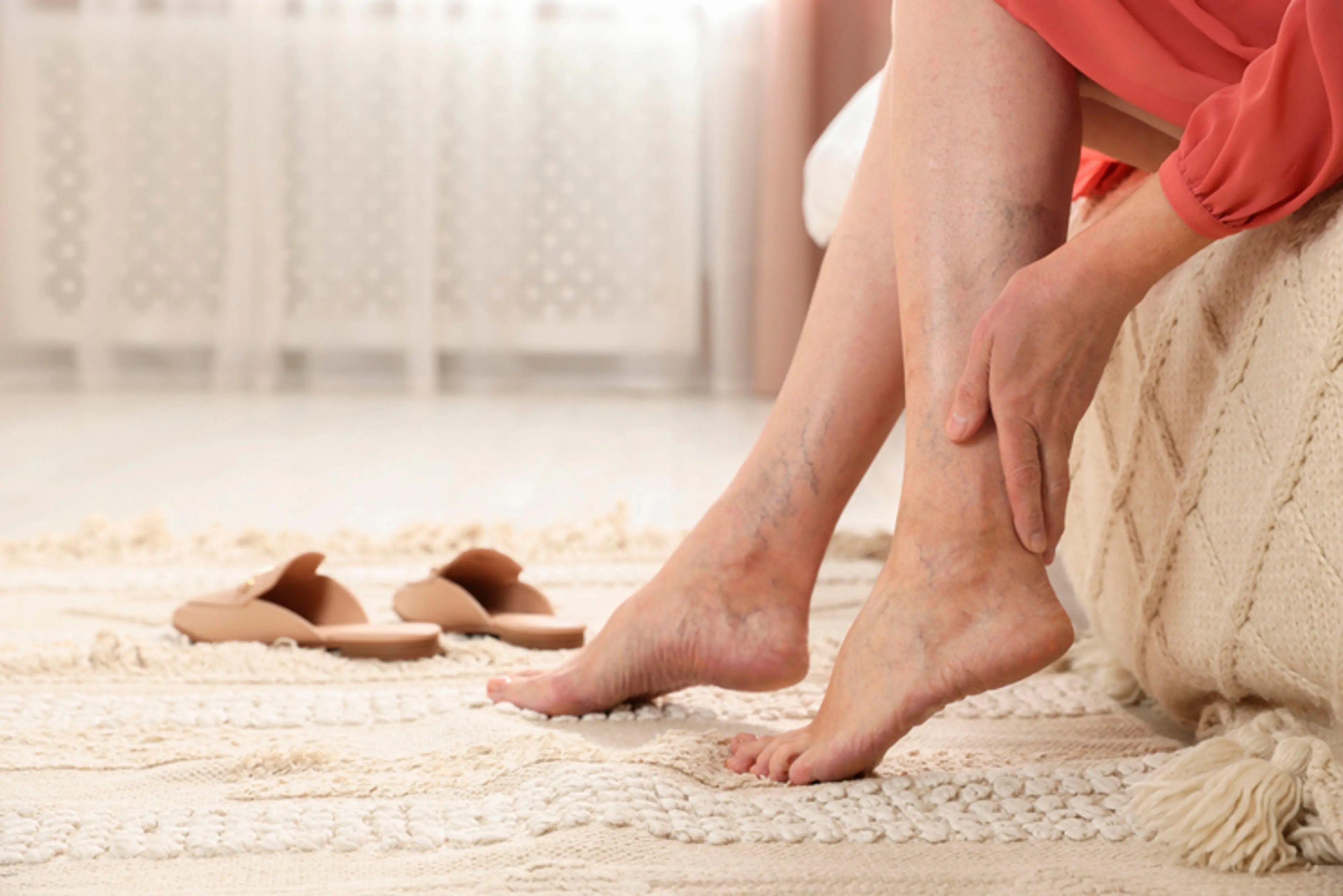
You’re commuting home after a long day, your legs feel heavy, and your ankles look a bit swollen. “It’s just from standing all day,” you tell yourself — and maybe it is. But if this feeling returns often, it might be something more.
At Charm Vascular Clinic in Seoul, we see this story play out often. People ignore the early signs of varicose veins, believing it’s just fatigue, poor posture, or aging. The problem is, when symptoms are overlooked, the condition can quietly worsen — until discomfort turns into pain, and swollen legs turn into chronic venous insufficiency.
So if you’re wondering whether your symptoms are serious — you’re not alone. And catching varicose veins early? It can change everything.
Most people think of varicose veins as simply cosmetic — those bulging, twisted veins visible under the skin. But by the time they look like that, the problem has often been brewing for years.
A dragging sensation in the legs, especially after standing or sitting for long periods, is one of the earliest symptoms. It often goes away with elevation or rest, so people brush it off.
Intermittent swelling — particularly toward the end of the day — may signal venous inefficiency, even before veins become visibly enlarged.
Muscle cramps, especially at night, are sometimes linked to early venous reflux. While common in athletes or older adults, persistent leg cramps deserve a closer look.
These sensations can appear without visible veins, and they’re often mistaken for skin issues or nerve problems.
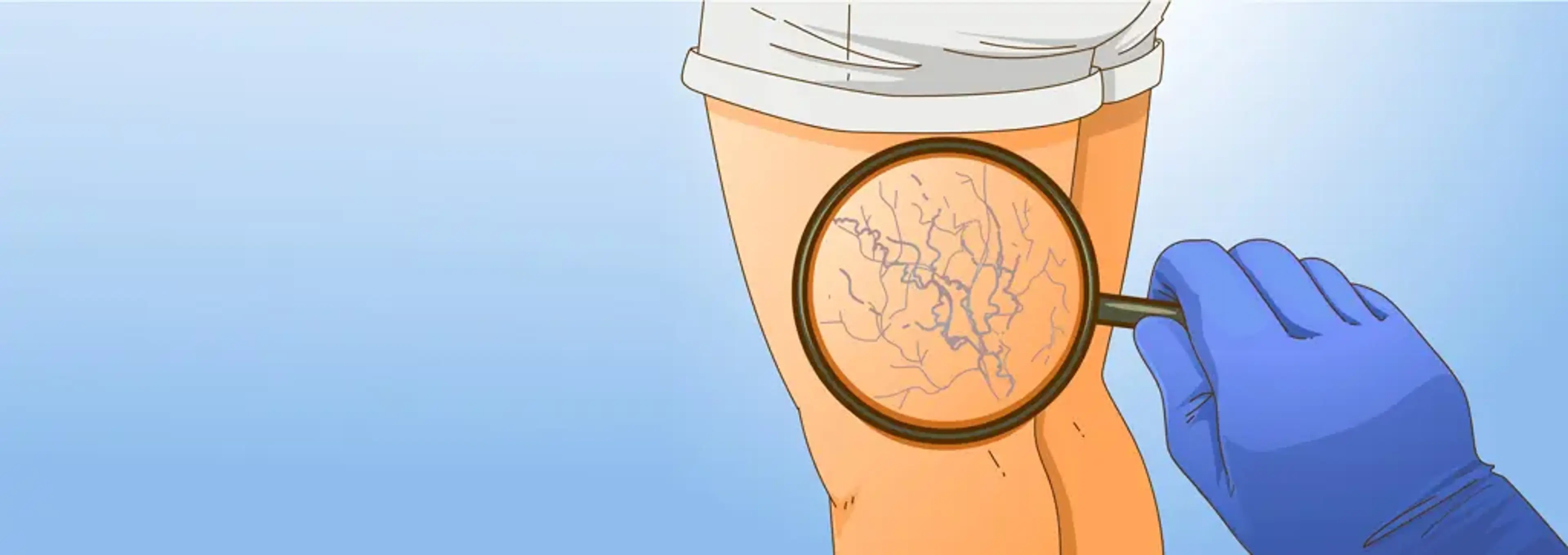
While less serious than varicose veins, these tiny surface veins may indicate underlying venous reflux — especially if they appear in clusters or accompany other symptoms.
In Korea, there’s a strong cultural focus on preventive care — regular health checkups, balanced diets, and even herbal remedies. Yet, venous conditions are often ignored or misinterpreted, even among health-conscious patients.
Why? Because varicose veins develop slowly, and the discomfort creeps in. Patients often adapt to their symptoms, only seeking care when:
The veins become visibly enlarged.
Pain interferes with sleep or daily life.
Skin around the ankles changes color or texture.
Here’s what our diagnostic process typically includes:
We examine both standing and sitting leg positions to assess visible veins, swelling, and skin condition. Compression tests can indicate valve weakness.
This is the gold standard. It’s a painless, non-invasive scan that shows real-time blood flow and checks whether your vein valves are functioning properly. Many early-stage issues are only detectable through this method.
When we detect varicose veins early, treatment options are typically:
Think of it like catching a leak in your plumbing early. It’s a quick fix. Wait too long, and you're replacing whole pipes.
If you’ve never had visible varicose veins but still suspect something's off, here are some risk factors that raise suspicion:
Even if you’re asymptomatic now, recognizing these patterns helps you stay ahead.
If you’re experiencing any of the following, it’s time to get assessed — even if your veins aren’t visibly bulging:
Legs that feel unusually tired or heavy after work
Swelling that improves with elevation
Night cramps or tingling
New spider veins or discoloration around your ankles
A family history of venous disease
You don’t need a referral or hospital visit. Specialized vascular clinics like ours offer direct evaluation — often on the same day — with tailored advice based on your symptoms and lifestyle.
At Charm Vascular Clinic, we’ve seen countless patients who waited months — even years — thinking their symptoms were “just part of aging.” But vascular disease doesn’t wait. It progresses quietly, layer by layer, until intervention becomes more complex.
A quick visit to a specialized clinic — just an ultrasound and a conversation — can offer peace of mind and, if needed, a head start on treatment.