Home / Articles
How to Heal Varicose Vein Ulcers & Prevent Complications
Home / Articles
How to Heal Varicose Vein Ulcers & Prevent Complications
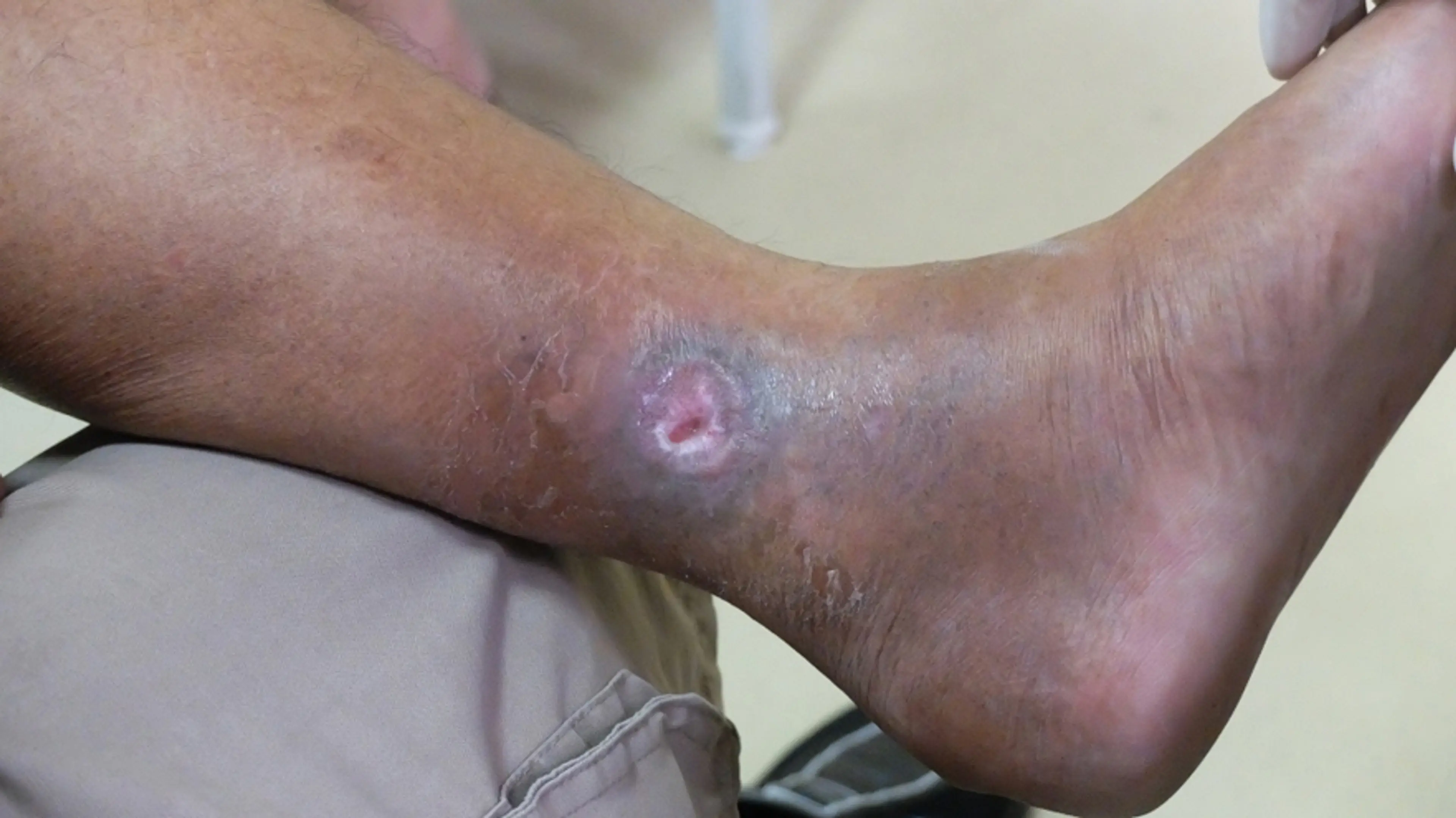
Varicose vein ulcers are painful, open sores that often appear on the lower legs, typically near the ankles, and are a direct result of chronic venous insufficiency (CVI). CVI occurs when the veins in your legs fail to pump blood back to your heart properly. This leads to blood pooling in the veins, causing them to become enlarged, twisted, and, over time, damaged. The pressure created in the veins can then lead to the formation of ulcers.
Varicose vein ulcers are a common but serious complication of untreated varicose veins. These ulcers can be slow to heal, and if not properly managed, they can lead to infections, further complications, and chronic pain.
This lack of blood flow can lead to the breakdown of skin tissue, resulting in ulcers. The skin over the affected veins may become thin, dry, and more prone to damage, leading to the formation of painful and often persistent sores.
If you are suffering from varicose veins, it’s important to watch for signs that could indicate the development of an ulcer. Common symptoms include:
Varicose vein ulcers can severely impact your daily life. They can cause significant discomfort, making it hard to walk or stand for extended periods. The constant pain and swelling can interfere with your ability to engage in daily activities, and the visible appearance of the ulcers can affect your self-esteem. If left untreated, these ulcers can also lead to more serious health complications, including infections and the need for more invasive treatments.
The healing process for varicose vein ulcers can take time, and it involves several stages. Understanding these stages can help you manage your ulcer care and ensure the best possible outcome.
Several factors can influence the healing of varicose vein ulcers, including:
Proper wound care is essential for healing varicose vein ulcers. It is important to keep the ulcer clean and moist, as this can promote faster healing. Some key aspects of wound care include:
Compression therapy is one of the most effective ways to promote healing in varicose vein ulcers. Compression stockings or bandages help to reduce the swelling in the affected leg by applying gentle pressure, which improves circulation. This pressure helps to push blood upward toward the heart, reducing the amount of blood pooling in the veins.
Compression therapy also prevents the skin from becoming too tight or thin, which can lead to further injury or ulcer formation. It is often used in combination with other treatments, such as wound care and medications, to promote faster healing.
One of the most significant risks associated with varicose vein ulcers is infection. The open wound can easily become a breeding ground for bacteria, leading to infections that can delay healing and worsen the ulcer. Common infections include cellulitis, which is a bacterial infection of the skin, and abscesses, which are collections of pus beneath the skin.
Proper hygiene is key to preventing infections. Make sure to clean the ulcer with mild soap and water and apply antiseptic ointments as recommended by your healthcare provider. It’s also essential to keep the ulcer covered with a sterile dressing to protect it from bacteria and dirt.
Be on the lookout for signs that your ulcer may be infected. These include:
If any of these symptoms occur, it’s important to contact a healthcare professional immediately for treatment.
Inflammation is a natural part of the healing process, but excessive inflammation can hinder recovery. Inflammation can be managed with:
Compression therapy is the cornerstone of treating varicose vein ulcers. By applying gentle pressure to the legs, compression stockings or bandages help improve blood circulation, reduce swelling, and prevent blood from pooling in the veins. This allows the ulcer to heal more quickly by providing better oxygen and nutrients to the damaged tissue.
Compression stockings are typically worn during the day, and it’s important to wear them consistently for optimal results. This non-invasive treatment can significantly speed up the healing process and prevent further complications.
In addition to compression, topical treatments can help speed up the healing process of varicose vein ulcers. Specialized dressings, such as hydrocolloid or foam dressings, create a moist environment that promotes healing while protecting the wound from bacteria and external irritation. These dressings need to be changed regularly to avoid infection.
There are also topical ointments and creams designed to aid the healing of skin around the ulcer. Your healthcare provider may recommend specific medications or moisturizers to help keep the ulcer hydrated and encourage new tissue growth.
Sclerotherapy is a treatment where a solution is injected into the affected veins to close them. This treatment can improve circulation, prevent further vein damage, and reduce the likelihood of developing additional ulcers. While sclerotherapy itself is typically used to treat varicose veins, it can be helpful in cases where varicose veins are contributing to ulcers, as it addresses the underlying cause.
Both EVLA and RFA are minimally invasive treatments that use heat to close off damaged veins. By targeting the veins responsible for varicose veins and ulcers, these procedures can reduce pressure on the affected area, leading to faster healing of the ulcer. EVLA and RFA are often performed under local anesthesia, meaning patients experience minimal downtime and can return to their normal activities relatively quickly.
In more severe cases of varicose veins or chronic ulcers, vein stripping or phlebectomy may be necessary. These surgical procedures involve the removal of the damaged veins from the leg. While they are more invasive, they can provide long-term relief by eliminating the veins that are causing the ulcers.
Vein stripping is typically recommended for patients with large, symptomatic varicose veins that don’t respond to non-surgical treatments. Phlebectomy is a more targeted procedure where only the affected veins are removed, minimizing damage to surrounding tissue.
VenaSeal™ is a relatively new, non-invasive treatment that involves the use of a medical adhesive to close the damaged veins. This technique is less invasive than traditional surgery and can be used to treat the veins causing varicose ulcers. VenaSeal™ has the advantage of a quick recovery time and fewer complications, making it an ideal choice for patients seeking a minimally invasive solution.
The choice of treatment depends on several factors, including the severity of the ulcer, the underlying venous issues, and the patient’s overall health. A vascular surgeon will evaluate these factors and recommend the most appropriate course of action to ensure optimal healing and long-term prevention of ulcers.
A balanced diet rich in vitamins and minerals is important for maintaining healthy veins and promoting ulcer healing. Foods high in antioxidants, such as fruits and vegetables, can help protect the blood vessels, while those rich in fiber, like whole grains, can improve circulation and reduce the risk of varicose veins.
Incorporating anti-inflammatory foods, such as fish rich in omega-3 fatty acids, can also help reduce swelling and promote faster healing of the ulcer.
Regular movement is crucial for preventing the development of varicose veins and ulcers. Low-impact exercises, such as walking, swimming, or cycling, can improve circulation in the legs and prevent blood from pooling in the veins. It’s also important to elevate the legs whenever possible, particularly at the end of the day, to help reduce swelling.
If your job or lifestyle requires long periods of sitting or standing, take regular breaks to move around and stretch. This simple practice can reduce pressure on the veins and help maintain healthy circulation.
Maintaining a healthy weight is key to reducing the strain on your veins. Excess weight puts additional pressure on your leg veins, which can contribute to the development of varicose veins and increase the risk of ulcers. A healthy diet combined with regular exercise can help maintain a healthy weight and improve vein health.
Proper home care is essential for healing varicose vein ulcers. Follow your doctor’s instructions carefully to ensure the best outcome:
If the ulcer isn’t healing as expected, shows signs of infection, or you experience severe pain, contact a healthcare professional right away for further evaluation and care.
If you’ve had a varicose vein ulcer, regular check-ups with a vascular surgeon are crucial. Early intervention can help prevent the development of future ulcers. Your doctor may recommend monitoring your veins through ultrasounds or other diagnostic tools.
To prevent future ulcers, maintain healthy veins with:
Your doctor may prescribe medications to improve circulation and prevent further vein damage. Taking these as prescribed can help reduce the risk of new ulcers developing.
If varicose vein ulcers are left untreated, they can cause ongoing pain and discomfort, making it difficult to perform daily tasks. Swelling and persistent aching in the legs can worsen over time.
An untreated varicose vein ulcer can increase the risk of blood clots forming in deeper veins, a condition known as deep vein thrombosis (DVT). DVT is a serious condition that can lead to life-threatening complications, including pulmonary embolism.
Unhealed varicose ulcers are prone to infection. If infections spread, they can result in more serious conditions, like cellulitis or sepsis, which may require hospitalization and intensive treatment.
Many patients have successfully healed from varicose vein ulcers at Charm Vascular Clinic, thanks to the clinic’s innovative treatments and expert care. Success stories highlight not only physical recovery but also improved quality of life after treatment.
The clinic ensures that every patient receives continuous monitoring and follow-up care to ensure optimal healing and prevent recurrence of ulcers. This commitment to comprehensive post-treatment care sets Charm Vascular Clinic apart as a leader in vascular health.
By following the right treatment plan, staying vigilant for signs of complications, and adopting healthy habits, varicose vein ulcers can be effectively managed, and future issues can be prevented.