Home / Articles
How to Manage Dialysis Access Problems: A Guide for Patients
Home / Articles
How to Manage Dialysis Access Problems: A Guide for Patients
When you rely on dialysis, your vascular access is more than just a medical device — it’s your lifeline. Every session depends on a healthy, functioning access site. But many patients are surprised by how common complications can be, from clotting and narrowing to painful swelling or infection.
This guide is for patients and families who want to understand dialysis access better, recognize warning signs early, and learn how to manage problems with confidence.
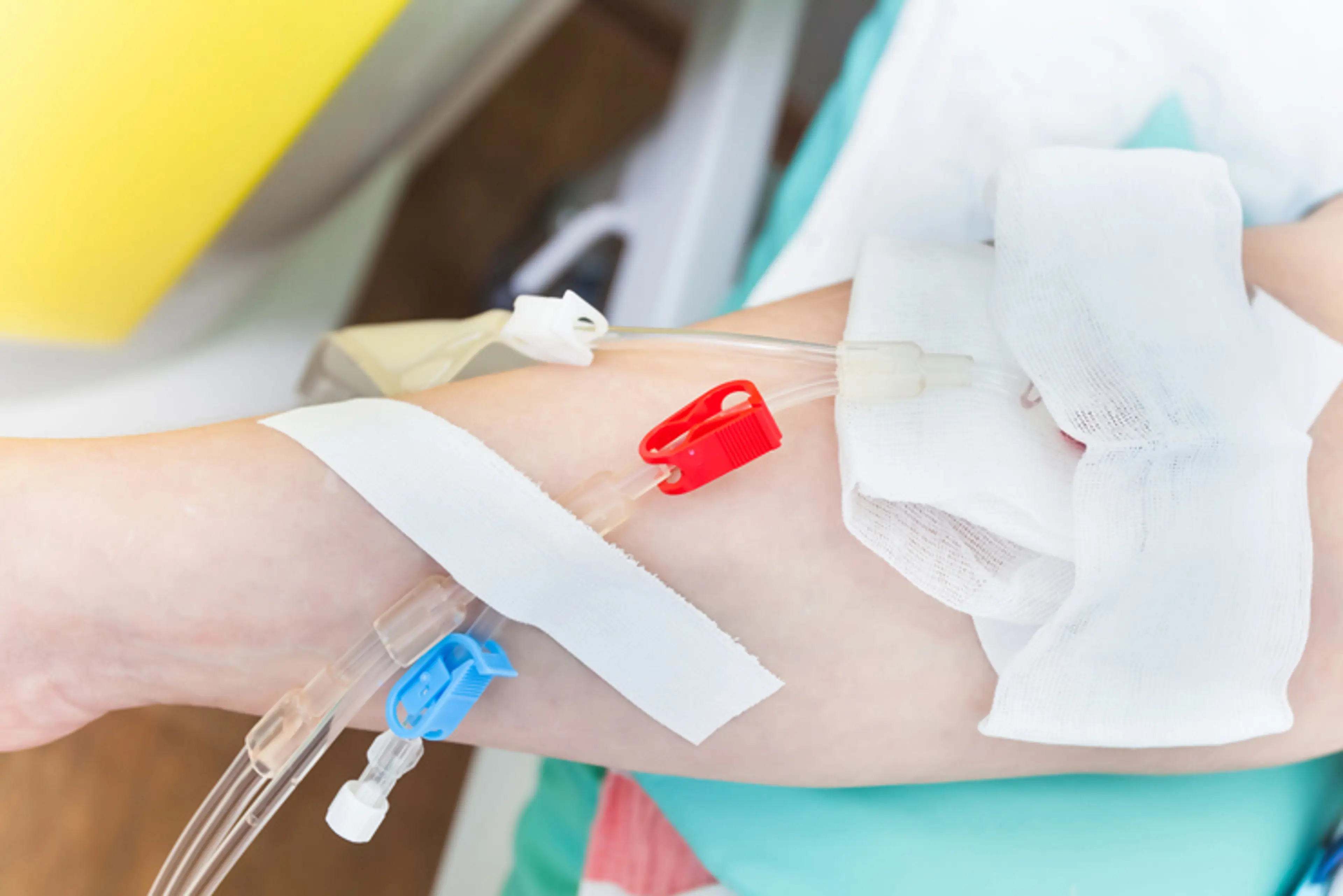
For patients with kidney failure, dialysis is essential for removing waste and excess fluid from the blood. To make this possible, doctors create a vascular access — usually in the arm — that allows repeated connection to the dialysis machine.
There are three main types of access:
Think of dialysis access like a major highway: if the road is smooth and wide, traffic flows easily. If it narrows, clogs, or collapses, everything slows down — and sometimes grinds to a halt.
Dialysis patients in Korea and worldwide often encounter similar access problems. Recognizing them early makes a big difference.
A sudden clot can stop the access from working. Patients may notice their dialysis machine alarming frequently, or the absence of the “thrill” (a buzzing vibration you can feel over the fistula). This is an emergency, as the access may become permanently blocked if not treated quickly.
Over time, scar tissue or repeated needle punctures can cause narrowing. Like a clogged pipe under a sink, the vessel struggles to carry enough blood for dialysis. Patients may notice prolonged bleeding after dialysis or rising pressures on the dialysis machine.
Access infections are a major concern, especially with catheters. Symptoms may include redness, warmth, pus, tenderness, or fever. Because bacteria can spread quickly into the bloodstream, untreated infections can lead to sepsis.
Repeated needle punctures can weaken the vessel wall, creating balloon-like bulges. These are not only unsightly but can rupture if ignored. Some patients cover their arm with long sleeves out of embarrassment, but medical attention is more important than hiding the problem.
In rare cases, the fistula diverts too much blood away from the hand, causing cold fingers, numbness, or pain. Left untreated, this can threaten hand function.
What’s important to know is that none of these problems mean the end of dialysis. With the right care, access can often be repaired or replaced safely.
Your access is something you live with every day, so you are the first line of defense against complications.
Don’t allow blood pressure checks, IVs, or blood draws in that arm. These can damage or compress the access.
Avoid wearing tight watches, bracelets, or sleeves on the access arm.
Don’t carry heavy shopping bags or backpacks with straps pressing against your access site. Even minor compression can harm blood flow.
In Korea, dialysis patients often see their care team three times a week. This close monitoring is an advantage — but it only works if you share what you notice. Many patients downplay symptoms, worried about being a burden. But your doctors and nurses would rather hear about a small change early than face an emergency later.
Most of these procedures are done under local anesthesia. Patients usually go home the same day and resume dialysis almost immediately.
To put it simply: these treatments are like maintenance work on a busy road — clearing blockages, repairing potholes, and keeping traffic moving without rebuilding the whole highway.
To be honest, what patients rarely admit is the emotional burden. A failing access feels like a failing body. Many patients describe a sense of vulnerability, as if their “lifeline” could be taken away at any moment.
Not every change is an emergency, but some red flags should never be ignored. Call your doctor or go to the emergency room if you notice:
Sudden loss of the thrill or bruit
Severe swelling or bleeding at the access site
Fever and chills (possible bloodstream infection)
Sudden coldness, numbness, or discoloration of your hand
Acting quickly can mean the difference between saving and losing your access.
What sets us apart is not only technology but also philosophy. Many patients come to us after multiple failed access sites, feeling frustrated or resigned. We work to give them back confidence — showing that careful monitoring, timely intervention, and compassionate care can extend the life of an access and improve overall quality of life.
Dialysis access problems are common, but they don’t have to disrupt your life. By monitoring your access daily, protecting it during everyday activities, and seeking prompt treatment when issues arise, you can preserve your lifeline and improve your dialysis experience.