Home / Articles
How to Manage Swelling After Varicose Vein Surgery: Tips and Techniques
Home / Articles
How to Manage Swelling After Varicose Vein Surgery: Tips and Techniques
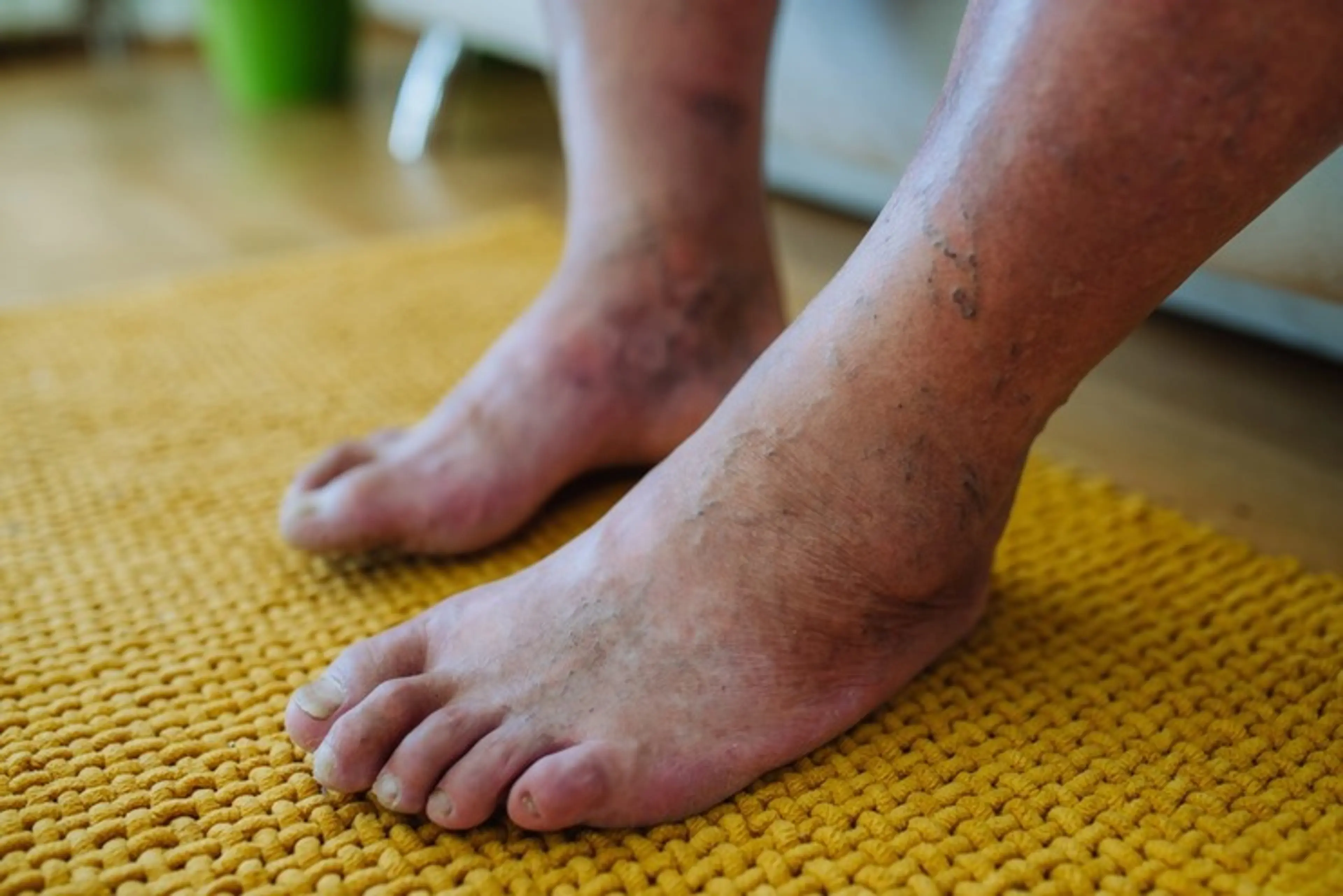
Think of your veins like old, twisting garden hoses buried under your skin. When these damaged veins are closed off or removed, your body needs time to reroute blood flow through healthier pathways. This natural healing process can cause mild inflammation in the treated area.
To add some context, varicose vein treatments like EVLA and RFA use thermal energy to seal off unhealthy veins. This triggers a controlled inflammatory response — which sounds alarming, but it’s simply your body breaking down and absorbing the closed vein. Swelling, bruising, or a slight firmness along the treated vein is part of this natural healing cycle.
VenaSeal™, on the other hand, uses a medical adhesive instead of heat. Because it doesn’t rely on thermal energy, many patients experience even less swelling and bruising — which is one reason some patients prefer it for visible veins close to the skin’s surface.
Some patients notice small, firm lumps under the skin for a few weeks. These are usually harmless remnants of the sealed vein. Gentle massage — if approved by your surgeon — can help your body clear these faster.
Everyone heals differently. Factors like age, weight, general circulation health, and how well you follow post-op instructions all affect recovery. Patients who maintain gentle movement, wear their compression stockings diligently, and avoid standing still for long stretches usually see faster improvement.
If you notice sudden, severe swelling, redness, or pain that feels different from mild discomfort — don’t wait. Call your doctor immediately. While rare, this could indicate a blood clot (deep vein thrombosis) or an infection that needs prompt treatment.
Now, here’s where your daily habits really help. These aren’t generic internet “tips” — this is what we see working for real patients, day after day.
Honestly, this is the single biggest factor. Medical-grade compression stockings help your veins push blood back to the heart more efficiently. This reduces pooling, supports healing, and keeps swelling down.
Walking is your friend. Long rest sounds comforting, but lying around too much slows circulation and increases the chance of clotting.
For the first week, avoid vigorous workouts, running, heavy lifting, or any activity that puts pressure on your legs. After a week or two, your doctor will guide you on when to resume normal exercise.
A small change like placing a rolled towel under your ankles while lying on the sofa makes a real difference. Some of our patients even use a wedge pillow to keep their legs elevated while sleeping.
After any procedure, your body needs fluids to flush out inflammation. Aim for plenty of water, and don’t overdo salty foods, which can worsen swelling.
In Korea, patients often turn to light broths, boiled sweet potatoes, or warm barley tea (보리차) to stay hydrated without putting extra strain on digestion. These simple, mild foods help you feel nourished while avoiding excess sodium.
Also, avoid alcohol during recovery, as it can widen your blood vessels and worsen swelling.
Crossing your legs can restrict blood flow. Instead, sit with both feet flat on the floor or stretched out in front of you.
If you have a desk job, consider setting a timer on your phone to stand up and stretch your legs every 30–60 minutes. Even a short walk to get water can help prevent fluid buildup.
Some patients find it helpful to use a small footrest to keep their legs slightly elevated while sitting for long periods.
A simple cold pack wrapped in a cloth can calm mild swelling or soreness. 10–15 minutes at a time, a few times a day, is usually enough.
Always place a thin towel or cloth between your skin and the ice pack to avoid cold burns. Avoid using cold compresses if you have circulation issues or nerve damage — your doctor can guide you here.
At Charm Vascular Clinic, we sometimes spot small trapped blood pockets or residual veins that can benefit from a quick in-office adjustment. These tweaks help ensure your final result is smooth and long-lasting.
Patients who prepare well before surgery often recover better. Staying active, maintaining a healthy weight, avoiding smoking, and managing chronic conditions like diabetes or high blood pressure all help your veins heal more efficiently.
Most swelling resolves gradually. But if it lingers longer than a month — or you feel increased pain, skin color changes, or hard lumps that seem to grow instead of shrink — let your surgeon know.
In rare cases, leftover blood inside a sealed vein can form a tender lump called a phlebitis. This sounds scary, but it’s usually harmless and treatable with warm compresses, gentle massage, or a quick needle drainage in the clinic.
One thing people often overlook: Even successful vein treatment doesn’t stop new varicose veins from forming if you have chronic venous insufficiency. That’s why regular check-ups matter — so any new weak spots can be treated early with less effort and cost.
It’s normal to feel tender, bruised, and mildly swollen after your procedure. If you can still walk comfortably and the swelling goes down with rest and elevation, you’re on track.
However, sudden severe pain in your calf, difficulty breathing, or signs of infection — like fever, pus, or rapidly spreading redness — need medical attention immediately. Blood clots and infections are rare, but they require prompt care.
At Charm Vascular Clinic, we remind our patients: your veins didn’t become unhealthy overnight, and your body won’t rebuild healthy circulation overnight either. Good healing is a partnership — advanced treatment plus your everyday care.
The truth is, most patients say their only regret is not getting treated sooner. Once swelling fades, many find they walk further, stand longer, and rest better at night without the dull ache or heaviness that used to slow them down.
If you’ve been struggling with persistent or painful varicose veins, we’re here to help you choose the least invasive, most effective treatment — and guide you every step of the way afterwards.
Managing swelling is mostly about consistency — compression, gentle movement, hydration, and a bit of patience. If you do that, you’ll likely find yourself walking with less heaviness and discomfort within weeks.
If you’d like tailored advice or are considering a procedure like EVLA, RFA, or VenaSeal™, book a consultation with a dedicated vascular team like ours at Charm Vascular Clinic in Seoul. We’re here to help your legs — and your life — feel lighter again.