Home / Articles
How to Prepare for an Arteriovenous Fistula (AVF) Surgery
Home / Articles
How to Prepare for an Arteriovenous Fistula (AVF) Surgery
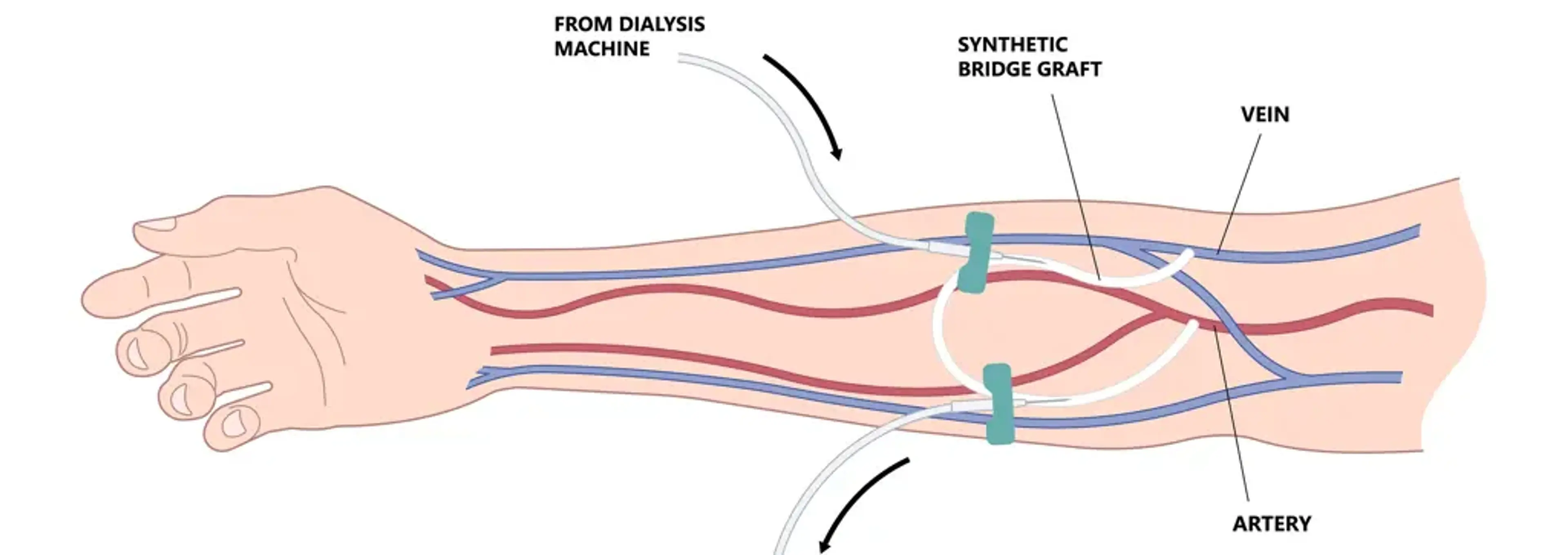
Arteriovenous fistula (AVF) surgery is a procedure where a surgeon creates a connection between an artery and a vein, usually in the arm. This connection helps provide access for dialysis in patients with kidney failure. The procedure is preferred because AVFs are more durable, have fewer complications, and are less likely to become infected compared to other dialysis access methods.
Before undergoing AVF surgery, you’ll have a consultation with a vascular surgeon. This meeting is vital for understanding the procedure, addressing concerns, and ensuring the surgery is appropriate for you. Dr. Insoo Park and his expert team at Charm Vascular Clinic are renowned for their vast experience in AVF creation, ensuring patients are well-informed and confident in their decision.
Several tests will be conducted to assess your veins and arteries, ensuring they are healthy enough for the fistula. This may include blood tests, an ultrasound to check vein size and condition, and possibly a physical exam of your arm or leg where the fistula will be created. These screenings help determine the best surgical approach and minimize risks during the procedure.
A healthy diet is crucial in the weeks leading up to your surgery. Focus on eating nutrient-rich foods, especially those that promote healthy blood vessels like leafy greens, fish, and foods high in vitamin C and iron. Iron-rich foods, in particular, help ensure proper healing. Avoid processed foods high in sodium and excessive fats, as they can hinder circulation and recovery.
Proper hydration is important before surgery, as it helps maintain blood flow and supports your recovery. You’ll also need to discuss your medications with your surgeon. Some medications, like blood thinners, may need to be temporarily stopped before surgery to reduce the risk of bleeding. Always follow your surgeon’s instructions closely regarding when and how to adjust your medications.
The night before your surgery, make sure to shower using an antiseptic soap to reduce the risk of infection. You will likely be asked to avoid eating or drinking after midnight to prepare for anesthesia. It’s crucial to follow these instructions closely to ensure your surgery goes smoothly.
Pack comfortable clothing and bring any necessary documents, like your ID, medical records, and insurance information. If your hospital or clinic stay is expected to be brief, a few personal items such as toiletries and a phone charger can make your recovery more comfortable. Avoid bringing any jewelry or valuables, as they may need to be removed before surgery.
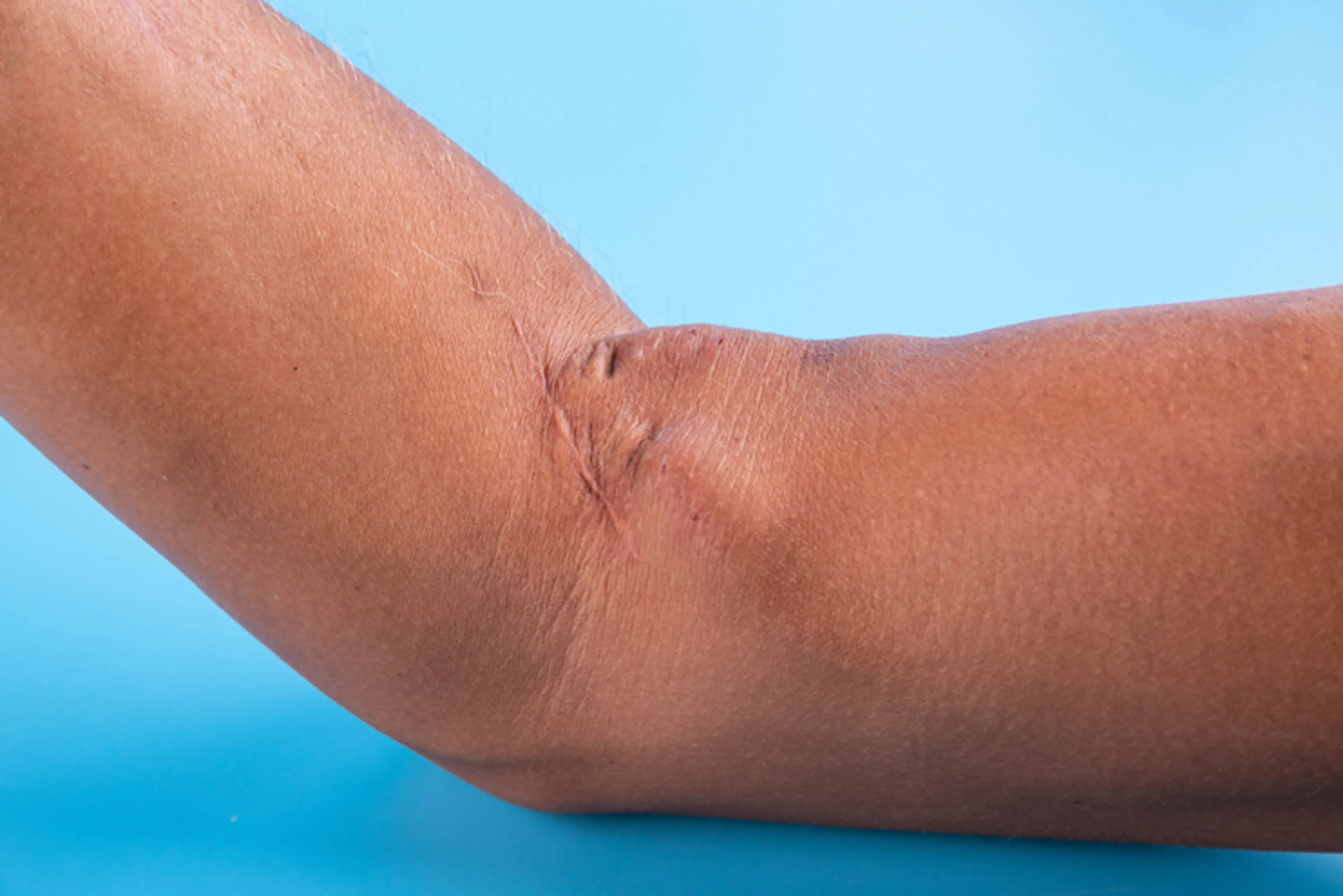
Arteriovenous fistula surgery is usually done under local anesthesia, meaning you will be awake but the area will be numbed to prevent any pain. The surgeon will make a small incision in the skin and carefully connect an artery to a vein, typically in the forearm or upper arm. This connection allows blood to flow directly from the artery into the vein, making the vein larger and more suitable for dialysis access.
The procedure typically lasts between 1 and 2 hours, depending on the complexity of the case. You may experience some pressure or mild discomfort, but the surgery itself is not generally painful due to the local anesthesia.
Although the surgery may take an hour or two, the pain you experience should be minimal. Local anesthesia numbs the area, and your doctor will provide additional pain relief as needed. After the surgery, you might feel some discomfort or mild swelling, but these can usually be managed with over-the-counter pain medications.
Once your surgery is complete, you will be moved to a recovery area, where healthcare professionals will monitor your vital signs and ensure you’re stable. You may feel a bit groggy from the anesthesia, but this is temporary. The first 24-48 hours are critical for monitoring signs of complications, including infection or excessive bleeding.
You’ll be advised to rest your arm or leg, elevating the surgical site if necessary to reduce swelling. It’s important to avoid putting pressure on the site, as it can affect the healing process.
For most patients, pain is minimal, but you may experience some swelling or bruising. Doctors typically prescribe painkillers to keep you comfortable during the initial healing phase. Applying ice packs (in moderation) to the area can help reduce swelling, but always follow your surgeon's advice on pain management and post-surgical care.
During the first week, the focus is on healing. You may have follow-up appointments to check the AVF site for proper blood flow. Your surgeon will assess whether the fistula is maturing as expected and will look for any potential complications, such as infection or clotting.
Proper care of your AVF is essential for its long-term success. Keep the surgical site clean and dry, following your doctor’s instructions for washing it. Avoid wearing tight clothing or jewelry around the area, as it can affect blood flow and cause discomfort. Protect your fistula from any injury, as damage could prevent it from functioning properly.
Even after the initial recovery, regular visits to your vascular surgeon are crucial. These follow-ups allow the doctor to monitor the fistula’s function and check for signs of complications, such as narrowing or blood clots. Your healthcare team may use ultrasound imaging to evaluate blood flow and ensure the fistula is maturing effectively for dialysis.
Although AVF surgery is generally safe, there are risks associated with any surgery. Some potential complications include:
To minimize the risk of complications, it’s crucial to follow your doctor’s advice about medication, diet, and post-surgical care. Attending all follow-up appointments and informing your surgeon of any changes or discomfort can help catch any issues early. If you notice any signs of infection (such as redness, warmth, or unusual pain), seek medical attention immediately.
Your healthcare team plays a crucial role in ensuring a successful AVF surgery and recovery. The vascular surgeon will guide the procedure itself, while nurses and technicians provide support throughout the recovery process. Regular communication with this team is vital in managing your condition and addressing any concerns.
It’s natural to feel anxious about surgery, especially when it involves a major procedure like AVF creation. To reduce anxiety, focus on understanding the procedure fully—knowing what to expect can ease fears. Discussing concerns with your healthcare provider and seeking support from loved ones or counseling services can also help.
Consider relaxation techniques such as deep breathing exercises or meditation to calm your nerves before the surgery. Additionally, preparing yourself mentally for recovery and the post-surgery care process can give you a sense of control and reduce uncertainty.
While the thought of surgery may seem daunting, it’s important to focus on the positive impact it can have on your life. Successful AVF surgery provides reliable access for dialysis, which can significantly improve your overall health and well-being. For patients with kidney failure, it is a game-changer, offering a long-term solution for dialysis and reducing the need for other, more invasive procedures.
With an AVF, you’ll experience fewer complications, better blood flow, and a stronger quality of life, as the AVF allows dialysis to be performed more efficiently and comfortably. The emotional benefit of regaining a sense of control over your health can also be immense.
After your AVF surgery, it’s important to take things easy and follow your doctor’s advice for recovery. This may include avoiding heavy lifting or activities that could put stress on the fistula. Early on, you should focus on rest, hydration, and maintaining a healthy diet to support the healing process.
A key part of adapting to post-surgery life is adjusting your routine to accommodate follow-up visits. These visits help your doctor assess how the fistula is performing and if any further interventions are needed. Maintaining an open line of communication with your healthcare team is essential during this phase.
While rest is important right after surgery, light exercise is beneficial for your recovery. Once your doctor clears you, low-impact activities such as walking or gentle stretching can help improve circulation and support the overall healing process. However, avoid strenuous activities that could put stress on the arm or leg where the AVF was created.
Your healthcare provider will give you specific instructions on when and how to begin more intense physical activities. Ensuring that your fistula is functioning properly before resuming heavy workouts is essential for your long-term health and the longevity of the AVF.
Preparing for arteriovenous fistula (AVF) surgery is a vital step in ensuring a successful procedure and smooth recovery. From understanding the surgery itself and undergoing necessary tests, to following diet and medication guidelines, proper preparation can help minimize complications and enhance the healing process. Ensuring your healthcare team has all the relevant information and being mentally prepared for the journey ahead will contribute to the overall success of your surgery.
Remember, successful AVF surgery can significantly improve your quality of life, making dialysis more efficient and manageable. By preparing properly and choosing the right medical team, you're taking the first steps toward a healthier, more comfortable future.