Introduction
how-to-prepare-for-arteriovenous-fistula-(avf)-surgery:-a-vascular-surgeon's-guide-to-what-really-mattersPreparing for arteriovenous fistula (AVF) surgery isn’t just about showing up to the hospital — it’s about preparing your body, your mindset, and even your daily habits for a healthier transition into dialysis. At Charm Vascular Clinic in Seoul, we’ve walked with countless patients through this journey, and we’ve seen firsthand that good preparation often leads to smoother procedures, faster recoveries, and better long-term outcomes.
Here’s what you really need to know — from a clinic that specializes in making vascular access both safe and sustainable.
A Quiet but Important Beginning: Why Preparation Matters
a-quiet-but-important-beginning:-why-preparation-mattersAVF creation is one of the most foundational steps in dialysis care. And yet, many patients enter this stage with little information, unclear timelines, or rushed appointments. The truth is, a well-prepared patient not only helps ensure the fistula matures properly but also lowers the risk of complications like infection, thrombosis, or failure to mature.
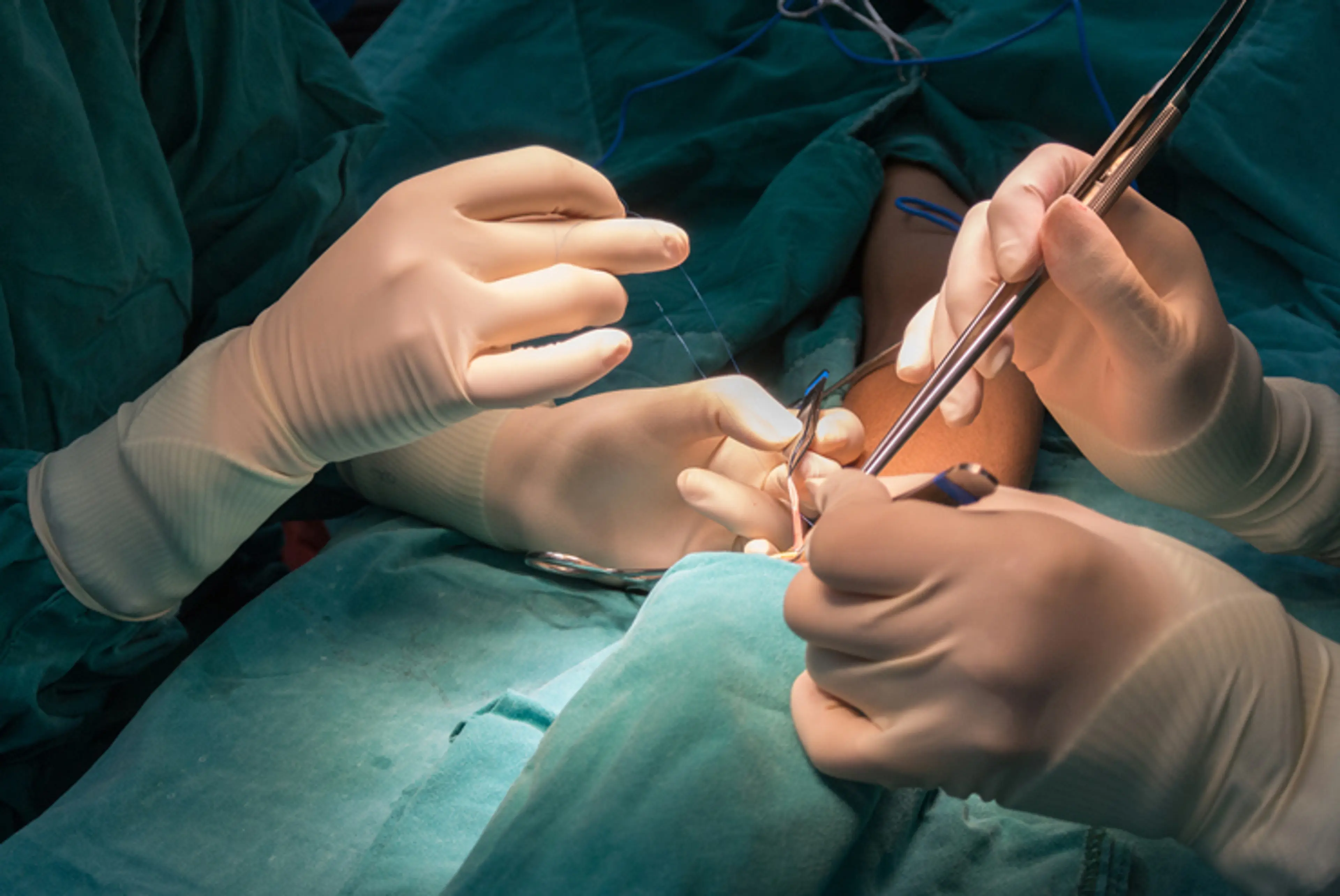
As vascular surgeons, we often say: “The surgery may take one hour, but the success starts weeks before the incision.”
Understanding the AVF: What Is It and Why You Need It
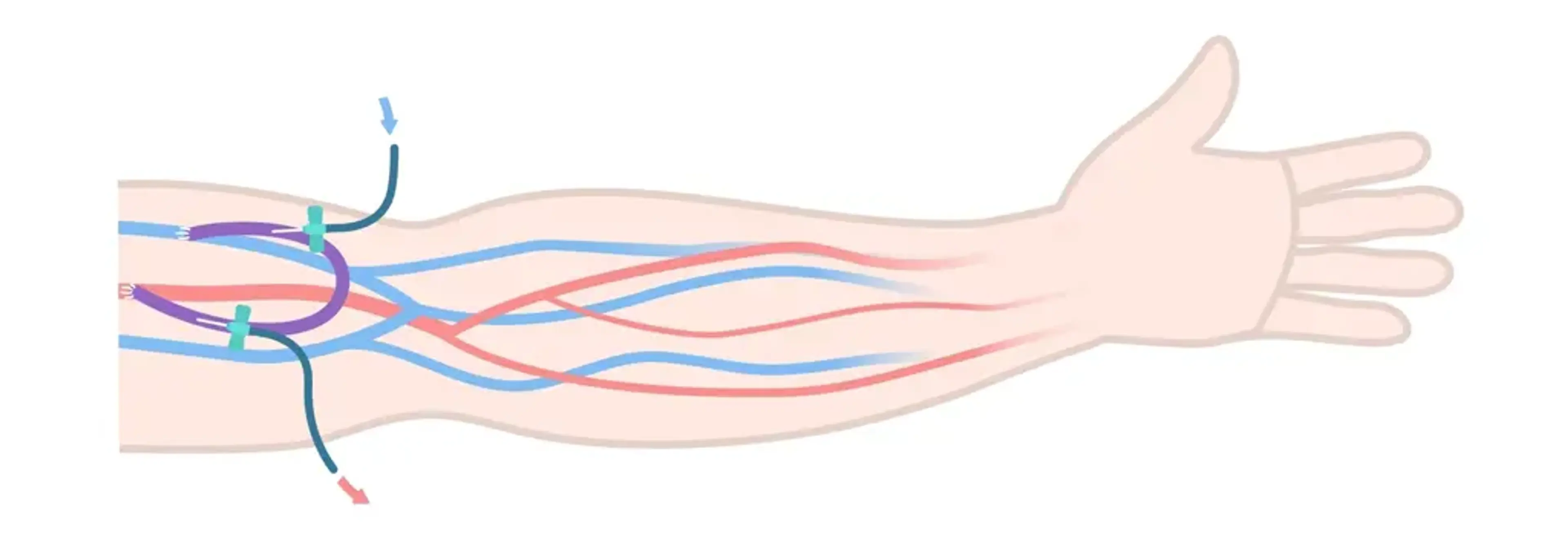
understanding-the-avf:-what-is-it-and-why-you-need-itAn arteriovenous fistula is a connection made between an artery and a vein — usually in the arm — to create a durable, high-flow access point for hemodialysis. Unlike synthetic grafts or catheters, an AVF is your own tissue, making it less prone to infections and more reliable in the long term.
In Korea’s preventative-focused healthcare culture, AVFs are considered the gold standard for long-term dialysis access. However, they require time to “mature” — often 6 to 8 weeks — which is why early preparation is crucial.
Timing Is Everything: When to Start Preparing
timing-is-everything:-when-to-start-preparingIf your kidney function has dropped below 20% and your nephrologist mentions dialysis, it’s time to think about vascular access. Don't wait for an emergency. Creating an AVF before you need dialysis allows time for the fistula to mature, which dramatically improves your outcomes.
At Charm Vascular Clinic, we recommend patients begin discussions about AVF at least 3 months before anticipated dialysis.
Your Pre-Surgery Checklist: What to Do Before AVF Creation
your-pre-surgery-checklist:-what-to-do-before-avf-creation✔️ 1. Medical Tests and Imaging
1.-medical-tests-and-imaging
Before AVF surgery, your surgeon will typically request:
Vein mapping via ultrasound to identify the best vein-artery pair
Blood tests to check for clotting issues or infection
Cardiac evaluation, if you have pre-existing heart conditions
These help determine whether your veins are suitable and how best to proceed.
✔️ 2. Choosing the Access Site
2.-choosing-the-access-siteIn most cases, the AVF is placed in the non-dominant arm (left arm for right-handed people) to reduce interference with daily tasks. But this isn’t just a convenience — your arm choice affects how easily nurses can cannulate and how well the fistula develops.
Your surgeon will assess the forearm (radiocephalic) or upper arm (brachiocephalic) options depending on vein size and quality.
✔️ 3. Skin and Vein Care
3.-skin-and-vein-careAvoid blood draws or IV lines from the intended arm.
Keep the skin moisturized and uninjured.
If you’re diabetic, control your blood sugar closely — wounds and skin infections can complicate surgery.
Lifestyle Adjustments Before Surgery
lifestyle-adjustments-before-surgeryDiet and Hydration
diet-and-hydrationWhile there are no special pre-AVF diets, staying well-hydrated and nutritionally balanced supports tissue healing. Patients with advanced kidney disease often have fluid restrictions — follow your nephrologist’s guidance carefully.
Smoking, Alcohol, and Medications
smoking-alcohol-and-medicationsQuit smoking if possible. Nicotine affects blood flow and wound healing.
Avoid alcohol the day before surgery.
Discuss medications: Blood thinners like aspirin or warfarin may need to be paused. Always follow your doctor’s instructions.
The Day Before and the Morning Of: Practical Tips from Our Clinic
the-day-before-and-the-morning-of:-practical-tips-from-our-clinic
At Charm Vascular Clinic, we give patients a simple routine:
Shower the night before with antibacterial soap, focusing on your arms.
Do not shave the arm — let medical staff handle hair removal to avoid micro-cuts.
Wear loose clothing on the day of surgery, ideally a short-sleeve shirt.
Fasting may be required depending on anesthesia — check with your doctor.
We usually perform AVF surgery under local anesthesia, so you’ll be awake but comfortable.
What People Often Overlook (But Shouldn’t)
what-people-often-overlook-(but-shouldn't)Emotional Preparation
emotional-preparationIt's normal to feel anxious. AVF surgery is often the first concrete step toward dialysis — a major life shift. Give yourself time to process. Talk openly with your care team. At our clinic, we’ve found that patients who feel mentally prepared tend to recover more smoothly.
Talk to Your Dialysis Team Early
talk-to-your-dialysis-team-earlyYour dialysis nurse will eventually use this fistula several times a week. Understanding how the fistula will be accessed and what signs of failure to watch for is part of being an active participant in your care.
Aftercare Starts Before the Incision: Why Thinking Ahead Helps Healing
aftercare-starts-before-the-incision:-why-thinking-ahead-helps-healingThe moment the fistula is created, the countdown begins for proper maturation. That means:
Protecting the arm — no tight watches, blood pressure cuffs, or heavy lifting
Monitoring for thrill — a vibration under the skin that indicates blood flow
Avoiding trauma or scratches to the area
If you prepare well, your recovery tends to be smoother — and your fistula more likely to mature on time.
Where to Turn for Expert AVF Care in Seoul
where-to-turn-for-expert-avf-care-in-seoulAt Charm Vascular Clinic, AVF preparation is not just about surgery — it’s about long-term planning, compassionate support, and minimizing the disruption to your life. Dr. Insoo Park leads our team with years of expertise in minimally invasive vascular access, offering precise, personalized care for patients facing dialysis.
If you or a loved one is preparing for hemodialysis, consider scheduling a vascular access consultation with our clinic. We’re here to guide you every step of the way — from first ultrasound to fully functioning fistula.
Take the Next Step Toward a Safer Dialysis Journey
take-the-next-step-toward-a-safer-dialysis-journeyIf you’ve been told it’s time to prepare for dialysis, don’t wait. The earlier your AVF is created, the better your long-term health.
Contact Charm Vascular Clinic in Seoul to learn more about AVF surgery and explore your personalized treatment options with a trusted vascular specialist.