Arteriovenous fistula (AVF) surgery isn’t just another procedure—it’s a turning point in the journey for patients with chronic kidney disease (CKD) who are preparing for long-term hemodialysis. At Charm Vascular Clinic in Seoul, we see this moment as more than just a medical step. It’s a signal that your body and life are transitioning into a new rhythm—one that demands precision, planning, and above all, personal care.
If you or your loved one is scheduled for AVF surgery, this guide will help you prepare both practically and mentally. We’ve combined our clinical insight with real-world patient experiences to create a checklist that’s medically sound, emotionally reassuring, and easy to follow—especially for patients navigating a new diagnosis or adjusting to dialysis life.
Let’s break it down into clear, human-sized steps—so you walk into surgery with confidence, not confusion.
What Is AVF Surgery—and Why It Matters
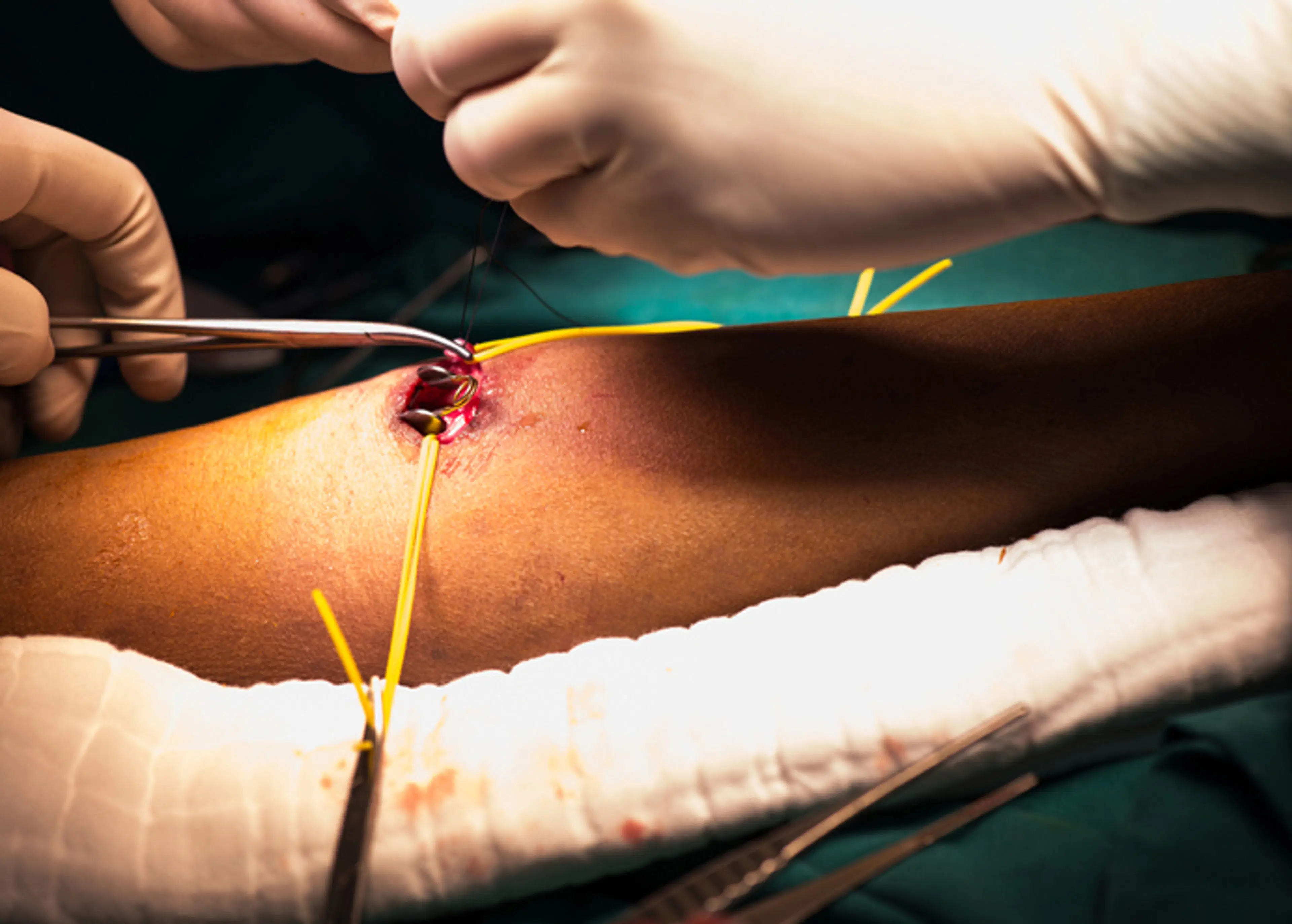
what-is-avf-surgeryand-why-it-mattersIn simple terms, an arteriovenous fistula is a surgically created connection between an artery and a vein, most often in your non-dominant forearm. The goal is to create a site where blood can flow rapidly and return efficiently, allowing for high-volume dialysis to clean the blood effectively.
Compared to other types of dialysis access like central venous catheters or synthetic grafts, AVFs are considered the gold standard. They:
Have the lowest risk of infection
Are more durable (lasting several years when well cared for)
Allow for better blood flow, which leads to more effective dialysis
But here’s the catch: A fistula doesn’t function immediately. It needs time to mature, meaning the vein gradually strengthens and enlarges enough to withstand regular needle access during dialysis. That’s why early planning and preparation are critical.
The Patient-First AVF Surgery Prep Checklist
the-patient-first-avf-surgery-prep-checklist1. Know What to Expect: Have a Conversation with Your Vascular Surgeon
1.-know-what-to-expect:-have-a-conversation-with-your-vascular-surgeon
Before anything else, sit down with your vascular specialist and ask the right questions. You should walk away from your consultation understanding:
The type of fistula being created (e.g., radiocephalic near the wrist or brachiocephalic near the elbow)
Why that location was chosen based on your vein quality, lifestyle, and dialysis plan
Estimated maturation time, which typically ranges from 6 to 12 weeks
Potential risks like delayed maturation, stenosis (narrowing), or thrombosis (clotting)
At Charm Vascular Clinic, Dr. Insoo Park conducts comprehensive evaluations using ultrasound vein mapping to identify the best access site. This pre-operative step helps avoid complications later and ensures the AVF fits into the patient’s life—not just their arm.
💡 Charm Tip: Bring a trusted family member to your consultation. It’s easier to absorb information with someone else listening alongside you.
2. Protect the Future Access Site: Hands Off the Dominant Arm
2.-protect-the-future-access-site:-hands-off-the-dominant-armVein preservation is critical, especially for patients who may eventually rely on this site multiple times a week. If your AVF will be created in your left arm, for example:
Avoid all needle sticks, IVs, and blood pressure cuffs on that arm, starting now
Stop heavy lifting with that arm, as pressure can damage or collapse veins
Alert all healthcare providers that the arm is reserved for future dialysis access
Even if you haven’t had the surgery yet, start treating the designated arm like a protected asset. In fact, many nephrologists and dialysis nurses in Korea place stickers or arm bands as visual reminders.
These small actions can prevent the need for more invasive surgeries down the road, such as using grafts or central catheters.
3. Optimize Your Vascular Health: Eat, Move, and Hydrate
3.-optimize-your-vascular-health:-eat-move-and-hydrate
Your blood vessels are living tissue—and like any other part of the body, they respond to your habits. In the weeks leading up to AVF surgery, aim to:
Stay hydrated, ideally with 6–8 glasses of water daily unless you’re fluid-restricted
Lower your salt intake, which helps stabilize blood pressure and reduce swelling
Walk regularly, even 20–30 minutes a day, to support healthy circulation
Control your blood sugar, particularly for patients with diabetes
Manage cholesterol levels to prevent atherosclerosis (plaque buildup in arteries)
Why does this matter? Healthy vessels mean stronger, more responsive veins—which directly impacts how well your AVF matures and performs long-term.
At Charm Vascular Clinic, we often recommend simple vein exercises—like squeezing a soft ball or stretching the fingers—to promote better vein dilation before and after surgery.
4. Prep Your Home and Schedule: Dialysis Is a Lifestyle Shift
4.-prep-your-home-and-schedule:-dialysis-is-a-lifestyle-shiftWhile AVF surgery itself is usually a day procedure, its implications go far beyond that day. You’re preparing for a new routine, one that involves ongoing dialysis sessions, adjustments in diet, and frequent medical monitoring.
Prepare your life accordingly:
Clear your calendar for rest and follow-ups in the week after surgery
Prepare meals in advance or arrange support from family
Buy loose, short-sleeved clothing that won’t interfere with access to your arm
Discuss your schedule with your employer if you’re still working
In Korea, there’s often a cultural tendency to downplay illness or push through silently. But real strength lies in building a support system—whether through family, community centers, or even your dialysis team.
5. On Surgery Day: Come Clean, Calm, and Comfortable
5.-on-surgery-day:-come-clean-calm-and-comfortableWhen the day arrives, focus on keeping your body clean, your schedule calm, and your mind at ease. Here’s what we recommend:
Shower the night before and the morning of using mild soap
Do not apply lotion, cream, or perfume on your access arm
Wear short sleeves or a front-opening shirt for easy access
Avoid caffeine or stimulants that could elevate blood pressure
Bring your current medications list, especially if you take anticoagulants like aspirin or warfarin
Arrive at the clinic early to avoid any last-minute stress
The AVF procedure typically takes under 1 hour, and most patients go home the same day. At our clinic, we prioritize minimally invasive techniques and a calming environment to reduce both physical discomfort and anxiety.
6. Post-Op Care: Don’t Skip the Follow-Up Plan
6.-post-op-care:-don't-skip-the-follow-up-planSurgery is just the beginning. Over the next several weeks, your AVF will need to mature, and your care team will monitor its development closely.
Here’s what to expect after the procedure:
Mild swelling or bruising is normal and usually resolves within a few days
Keep the surgical site dry for the first 48 hours; sponge baths may be recommended
Perform fistula exercises as instructed to help the vein enlarge
Check for a "thrill" or vibration daily—it’s a sign the AVF is functioning
Report any pain, redness, or absence of thrill immediately
At Charm Vascular Clinic, we schedule routine ultrasound assessments to track AVF growth. This proactive monitoring helps us catch complications early, often before the patient notices anything wrong.
7. Mental Readiness: This Is a Long Game
7.-mental-readiness:-this-is-a-long-gameTo be honest, many patients aren’t emotionally ready for what comes next. Dialysis can feel overwhelming—and the AVF is a constant, visible reminder of that change.
But you’re not alone.
Some patients find comfort in joining peer support groups
Others start journaling their symptoms, feelings, and progress
Many simply want a medical team who treats them with honesty and empathy
At Charm Vascular Clinic, we’ve learned that success isn’t just measured by ultrasound images. It’s in the patient who sleeps better, who feels heard, who returns to daily life with a little more ease.
We don’t just treat veins. We care for people.
Final Thought: AVF Surgery Isn’t the End—It’s the Start of Staying Strong
final-thought:-avf-surgery-isn't-the-endit's-the-start-of-staying-strongPreparing for AVF surgery is about more than prepping your arm. It’s about preparing your life—physically, mentally, and emotionally—for a new phase of care.
With the right planning, a strong AVF can last years, providing reliable, safe access for life-sustaining dialysis. It also opens the door to home dialysis or transplant readiness, giving you more autonomy and health options down the line.
If you're in Seoul or the surrounding region and looking for vascular care that combines clinical precision with human-centered treatment, consider visiting Charm Vascular Clinic. Under the leadership of Dr. Insoo Park, our team offers advanced, minimally invasive AVF planning and long-term vascular access support.
Your AVF is your lifeline—and your preparation is the first heartbeat of a healthier future.