What is an AV Fistula?
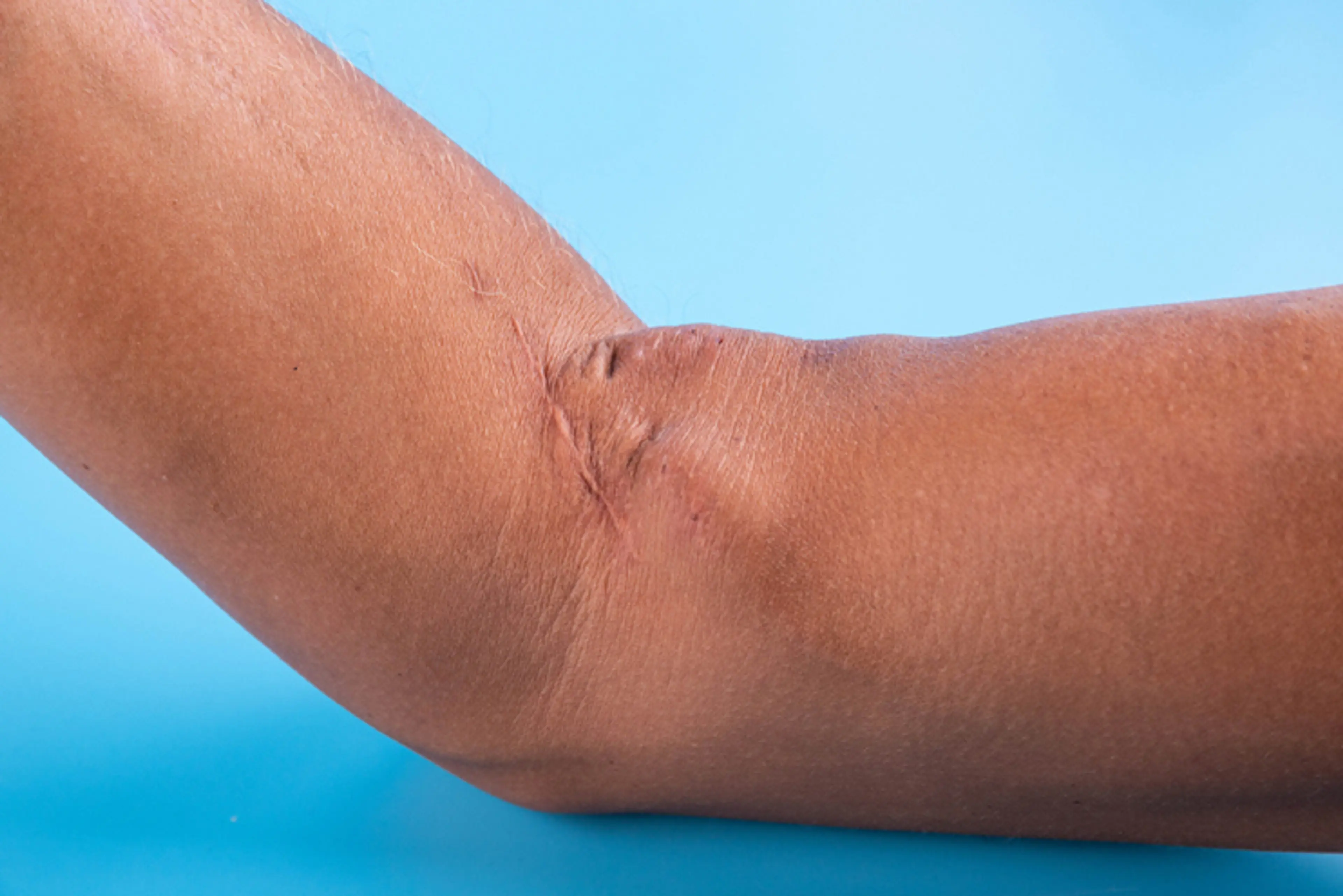
what-is-an-av-fistulaAn arteriovenous (AV) fistula is a surgically created connection between an artery and a vein, typically in the arm, used for hemodialysis. It serves as an access point for dialysis treatments, allowing blood to be drawn from the body, filtered through a dialysis machine, and returned. The AV fistula provides a stable, reliable access point, making it one of the most preferred vascular access methods for patients undergoing long-term dialysis.
Creating the fistula involves connecting a vein and an artery, which increases the flow of blood through the vein, causing it to become larger and stronger. Over time, the vein matures and becomes suitable for dialysis. Because of its durability and lower risk of infection compared to other forms of dialysis access, an AV fistula is often the preferred method for dialysis access.
However, maintaining the health of the
AV fistula during the recovery period is essential to prevent complications, such as infections, blood clots, or stenosis. Careful monitoring and management after the surgery can ensure its long-term success and minimize the risk of failure.
The Healing Process After AV Fistula Surgery
the-healing-process-after-av-fistula-surgeryThe healing process after an AV fistula creation typically takes several weeks to months, depending on the individual’s health and how well the body responds to the surgery. Immediately after the procedure, patients will be monitored in the hospital for any signs of complications such as infection, excessive bleeding, or clotting.
During the early stages of recovery, patients may experience some swelling, bruising, and mild discomfort around the fistula site. The first few weeks are critical for the fistula to begin maturing, and it’s important to follow all post-operative care instructions provided by healthcare professionals. Healing progress can be measured through follow-up appointments where the healthcare provider checks for fistula patency, blood flow, and the presence of any complications.
Full maturation of the AV fistula can take between 4 to 6 weeks. This is the period when the vein becomes large enough to withstand the repeated punctures required for dialysis. It is essential for patients to refrain from activities that may put undue stress on the arm, as doing so could disrupt the maturation process or cause injury to the fistula.
The recovery period after an AV fistula surgery is not just about waiting for the vein to mature. It involves active care, such as monitoring for complications and making lifestyle adjustments that support the healing process.
Common AV Fistula Complications During the Recovery Period
common-av-fistula-complications-during-the-recovery-periodEven though AV fistulas are considered the gold standard for dialysis access, complications can still arise during the recovery period. The most common issues that may occur include:
Infection: Any surgical procedure carries the risk of infection. After AV fistula surgery, the site may become red, swollen, or painful, which are signs that an infection might be developing. If left untreated, infections can spread to the bloodstream, causing serious complications.
Thrombosis (Blood Clots): Blood clots can form at the site of the fistula, obstructing blood flow and preventing effective dialysis. Thrombosis is a serious concern because it can lead to the failure of the fistula if not managed promptly.
Stenosis: This refers to the narrowing of the vein or artery at the site of the fistula, which can reduce blood flow. Stenosis can lead to reduced dialysis efficiency, requiring additional interventions to restore adequate blood flow.
Non-patency: This occurs when the fistula does not mature properly or fails to develop into a functional access point for dialysis. Non-patency can occur due to factors such as vascular issues, infection, or clotting.
Understanding these potential complications is essential for preventing them. Early detection and proactive measures can help avoid most of these issues and contribute to a smoother recovery period.
How to Prevent Infection at the AV Fistula Site
how-to-prevent-infection-at-the-av-fistula-siteInfection prevention is a top priority during the recovery period. The surgical site, where the AV fistula was created, can be susceptible to infections. If left untreated, infections can lead to serious health problems, including systemic infections and the need for further surgical interventions.
Here are the best practices to reduce the risk of infection:
Keep the Site Clean and Dry: Always follow the specific care instructions provided by your healthcare provider regarding wound care. In general, you should clean the surgical site gently with soap and water and avoid scrubbing it. After cleaning, make sure the site is thoroughly dried before covering it with a clean dressing.
Avoid Touching the Site: Hands carry bacteria that could infect the wound, so always wash your hands thoroughly before touching the area. Only clean the wound when necessary and avoid unnecessary manipulation.
Monitor for Infection Symptoms: Some common signs of infection to watch for include redness, increased swelling, warmth around the site, or pus discharge. If any of these symptoms appear, contact your healthcare provider immediately.
Follow the Prescribed Antibiotics: If your healthcare provider prescribes antibiotics to prevent or treat an infection, be sure to complete the full course as directed, even if you feel better before finishing the medication.
Avoid Submerging the Fistula Site in Water: During the early recovery stages, it is important not to submerge the fistula site in water, such as in bathtubs or swimming pools. Showering is acceptable, but avoid direct water pressure on the site. This helps reduce the risk of waterborne infections entering the healing wound.
By following these simple infection-prevention measures, patients can reduce the likelihood of post-surgery infections and ensure that their AV fistula remains healthy and functional for future dialysis treatments.
Maintaining Proper Blood Flow to Your AV Fistula
maintaining-proper-blood-flow-to-your-av-fistulaAfter an AV fistula surgery, maintaining proper blood flow is crucial for the success of the procedure. The primary goal of the AV fistula is to provide a stable and effective access point for dialysis. For the fistula to work properly, there must be continuous and efficient blood flow through the vein that connects to the artery.
Here’s how you can ensure the proper blood flow to your AV fistula:
Avoid Pressure on the Fistula Site: Ensure that there is no tight clothing, bandages, or accessories that put pressure on the arm where the fistula was created. Tightness around the fistula can restrict blood flow and cause the vein to narrow, which can affect the efficiency of dialysis.
Monitor for Bruit and Thrill: A bruit (a whooshing sound) and thrill (a vibration) are signs that the fistula is functioning correctly. These sounds and sensations are caused by the rapid blood flow through the fistula. If you notice that the bruit or thrill decreases or disappears, it could be an indication of reduced blood flow, which may require medical attention.
Avoid Lifting Heavy Weights: During the recovery period, avoid activities that place excessive strain on the arm, especially lifting heavy weights. Overuse of the arm can lead to complications like thrombosis (blood clot) or stenosis (narrowing of the fistula), which can hinder the blood flow.
Protect the Fistula from Trauma: Since the fistula area is delicate, avoid activities that could lead to injury, such as contact sports or sudden jarring movements. Any injury to the fistula could disrupt blood flow and require medical intervention.
By keeping an eye on the blood flow and taking steps to protect the fistula site, you can ensure its continued functionality for dialysis treatments.
Preventing Thrombosis (Blood Clots) in Your AV Fistula
preventing-thrombosis-(blood-clots)-in-your-av-fistulaThrombosis, or the formation of blood clots, is one of the most serious complications that can occur in an AV fistula. A clot can obstruct the flow of blood through the fistula, rendering it ineffective for dialysis and potentially leading to fistula failure.
Here are a few steps to prevent thrombosis during the recovery period:
Hydrate Well: Proper hydration is essential for maintaining the fluidity of your blood. Dehydration can make your blood thicker, which increases the risk of clot formation. Drink plenty of fluids, as recommended by your healthcare provider.
Avoid Smoking: Smoking is a significant risk factor for blood clot formation as it causes damage to blood vessels and impairs circulation. It is highly recommended that patients avoid smoking during the recovery period to reduce the risk of thrombosis.
Medications and Anticoagulants: Your healthcare provider may prescribe blood-thinning medications (anticoagulants) to reduce the risk of blood clots. If prescribed, make sure to take these medications as directed. Do not stop taking them without consulting your doctor.
Gentle Movement of the Arm: While it's important to avoid excessive strain, gentle movements and exercises can improve circulation and reduce the likelihood of clot formation. Your healthcare provider may recommend simple exercises to keep blood flowing smoothly through the fistula.
Watch for Symptoms of Thrombosis: Some common signs of thrombosis include pain or swelling around the fistula, a reduction in the thrill or bruit, or a hard lump forming at the site. If you experience any of these symptoms, contact your healthcare provider immediately for evaluation and treatment.
By following these preventive measures, you can significantly reduce the risk of thrombosis and ensure the long-term functionality of your AV fistula.
The Role of Regular Monitoring and Check-Ups
the-role-of-regular-monitoring-and-check-upsRegular monitoring is crucial to detect any complications early and ensure the long-term success of the AV fistula. During the recovery period, and throughout the life of the fistula, routine follow-up appointments with your healthcare provider are necessary.
What to expect during these check-ups:
Physical Examination: Your healthcare provider will examine the fistula to assess its size, blood flow, and overall health. They will check for any signs of stenosis (narrowing) or clotting, as well as assess the presence of the bruit and thrill.
Ultrasound: An ultrasound may be performed to assess the patency of the fistula and check for any blood clots or narrowing of the vessels. This non-invasive procedure helps doctors monitor the fistula’s function over time.
Lab Tests: Blood tests may be conducted to evaluate the overall health of the patient and the effectiveness of dialysis. These tests help identify any potential issues that may arise due to poor fistula function or complications like infection or clotting.
Adjustments to Dialysis Schedule: If any issues are detected during the monitoring visits, adjustments to the dialysis schedule or treatment plan may be necessary. For example, if a clot is found, treatments to dissolve it or clear the obstruction may be required.
By staying on top of regular check-ups, you help ensure that any potential issues are caught early, and the fistula continues to function optimally for dialysis.
How to Care for Your AV Fistula at Home
how-to-care-for-your-av-fistula-at-homeOnce the surgery is completed, home care becomes essential to the recovery process. Proper self-care can prevent complications, promote healing, and ensure the fistula remains functional for dialysis treatments.
Here are some tips for caring for your AV fistula at home:
Protect the Site from Injury: As the fistula heals, avoid any activity that could harm the arm, such as carrying heavy bags, using the arm for lifting, or sleeping on the arm for long periods. Protecting the fistula from physical trauma ensures that it doesn’t become damaged during the recovery period.
Keep the Area Clean: As mentioned earlier, keeping the surgical site clean is crucial to prevent infection. Use mild soap and water to wash the area, but avoid scrubbing it. If a dressing is applied, change it regularly to keep the site clean and dry.
Don’t Use the Arm for IVs or Blood Draws: The arm where the AV fistula was created should not be used for any other medical procedures, such as drawing blood or giving IV fluids. This will protect the fistula from unnecessary trauma and preserve its functionality.
Maintain a Healthy Diet: A balanced diet rich in vitamins, minerals, and protein can promote healing. Foods rich in iron, for example, can help prevent anemia, which is common among dialysis patients. Talk to your healthcare provider about a diet that supports recovery.
Exercise Gently: While heavy lifting is discouraged, gentle exercises, such as walking, can improve overall circulation and health. Always consult with your healthcare provider before starting any exercise program to ensure it's safe for you.
Avoiding Excessive Strain on the AV Fistula
avoiding-excessive-strain-on-the-av-fistulaDuring the recovery period, it's important to avoid putting excessive strain on the AV fistula. Overloading the arm with heavy weights or performing strenuous activities could hinder the healing process and may lead to complications such as thrombosis, stenosis, or even fistula failure.
Here’s how you can avoid putting too much strain on your AV fistula:
Avoid Heavy Lifting: Lifting heavy weights or engaging in vigorous physical activity can increase pressure on the veins and arteries around the fistula, potentially leading to complications. Try to limit any lifting activities during the early recovery period, and follow your healthcare provider’s guidelines for when it’s safe to resume normal activities.
Gradually Increase Activity: While avoiding excessive strain is important, staying active is also key to promoting circulation and overall health. Start with light exercises, like walking, and gradually increase the intensity as your recovery progresses.
Listen to Your Body: Pay attention to any discomfort or pain in the arm where the fistula is located. If you feel any unusual sensations, such as increased pain, swelling, or a loss of the fistula's thrill or bruit, stop the activity immediately and contact your healthcare provider.
Avoiding excessive strain on your AV fistula ensures that it can heal properly and function optimally for your dialysis treatments.
The Role of Compression and Elevation in Recovery
the-role-of-compression-and-elevation-in-recoveryCompression therapy and elevating the arm are essential strategies to reduce swelling and support the healing process after AV fistula surgery. These measures help improve blood circulation, minimize the risk of swelling, and promote better function of the fistula.
Here’s how to use compression and elevation effectively:
Compression Therapy: Your healthcare provider may recommend wearing a compression bandage or sleeve around the arm during the recovery period. Compression helps reduce swelling and improves blood circulation, making it easier for the fistula to mature and function. Be sure to follow your doctor’s recommendations on how long and how often to use compression therapy.
Elevating the Arm: Elevating the arm above the level of your heart can help reduce swelling, particularly in the first few days after surgery. When resting, place a pillow under your arm to keep it elevated and reduce the pressure on the surgical site.
Watch for Discomfort: While compression and elevation are generally helpful, they should not cause discomfort or pain. If the compression feels too tight or uncomfortable, remove it immediately and consult your healthcare provider.
Identifying the Signs of Fistula Failure
identifying-the-signs-of-fistula-failureEven with the best care, sometimes AV fistulas do not function as intended, or they may fail during the recovery period. It's important to be aware of the early signs of fistula failure so that you can seek immediate medical attention and prevent more serious complications.
Signs of AV fistula failure include:
Loss of Bruit or Thrill: The bruit (whooshing sound) and thrill (vibration) that indicate proper blood flow may become weaker or disappear completely. This could indicate a problem with the fistula’s blood flow, such as a clot or narrowing of the vein.
Pain or Swelling: Any unexplained pain or significant swelling around the fistula site could be a sign of a complication, such as a clot or infection.
Difficulty with Dialysis Access: If you’re experiencing difficulties during dialysis treatments, such as trouble with blood flow or accessing the fistula, it may indicate that the fistula is not functioning correctly.
If you notice any of these signs, it’s crucial to contact your healthcare provider immediately. Early intervention can help prevent more severe complications and improve the chances of restoring the fistula’s function.
Emotional Support and Coping with Recovery Challenges
emotional-support-and-coping-with-recovery-challengesThe recovery process after AV fistula surgery is not only a physical challenge but also an emotional one. Patients may experience frustration, anxiety, or even depression as they cope with the recovery process and the prospect of long-term dialysis.
Here are some ways to manage emotional challenges during recovery:
Open Communication: Don’t hesitate to express your concerns or fears to your healthcare team. They are there to support you and can provide advice or referrals to mental health professionals if needed.
Join Support Groups: Many patients find comfort in joining support groups for individuals undergoing dialysis or vascular surgeries. Sharing experiences with others who understand the challenges can provide emotional relief and strengthen your coping strategies.
Practice Stress-Relieving Techniques: Incorporating relaxation techniques such as deep breathing, meditation, or gentle yoga can help manage stress and improve emotional well-being during the recovery process.
Seek Counseling: If feelings of anxiety or depression become overwhelming, seeking professional counseling or therapy can provide valuable support and guidance to help you through the recovery journey.
The Long-Term Care of Your AV Fistula
the-long-term-care-of-your-av-fistulaProper long-term care of your AV fistula is essential for maintaining its health and function over the years. Even after the initial recovery period, regular monitoring and maintenance are necessary to ensure continued success and to avoid complications.
Here’s how to care for your AV fistula in the long term:
Continue Regular Check-Ups: Regular follow-up visits with your healthcare provider are necessary for ongoing monitoring of the fistula’s condition. This includes checking blood flow, listening for the bruit and thrill, and conducting ultrasounds to ensure patency.
Healthy Lifestyle Choices: Maintaining a healthy lifestyle, including eating a balanced diet, staying physically active, and avoiding smoking, will help promote the health of your AV fistula and overall vascular system.
Be Aware of Changes: Any changes in the appearance of the fistula site, changes in blood flow, or discomfort should be reported to your healthcare provider immediately.
By staying proactive about your AV fistula’s health, you can ensure that it remains a reliable access point for dialysis for years to come.
Why Charm Vascular Clinic is the Best Choice for AV Fistula Care
why-charm-vascular-clinic-is-the-best-choice-for-av-fistula-careAt Charm Vascular Clinic, we are committed to providing the highest level of care for patients with vascular issues, including those with AV fistulas. Our experienced medical team, led by Dr. Insoo Park, specializes in the latest minimally invasive techniques and offers comprehensive care from the creation of the fistula to long-term management.
Our clinic provides:
Expert Care: Dr. Park and our skilled team of vascular specialists ensure that each patient receives personalized care and the best possible outcomes.
Innovative Treatments: We use the latest technologies and methods to manage and monitor AV fistulas, ensuring that complications are identified and addressed promptly.
Patient Education: We offer in-depth education on how to care for your AV fistula during the recovery period and beyond, empowering patients to take control of their health.
Charm Vascular Clinic’s commitment to excellence in vascular care makes it the ideal choice for individuals seeking expert treatment and ongoing support for their AV fistula.
Conclusion
conclusionPreventing complications from an AV fistula during the recovery period is essential for ensuring that the fistula remains functional for dialysis treatments. By following the recommended care guidelines—such as monitoring blood flow, preventing infection, avoiding excessive strain, and attending regular check-ups—you can significantly reduce the risk of complications and enjoy a smooth recovery process.
Remember, long-term care of your AV fistula, along with regular monitoring, is crucial for its continued success. If you need expert care and support during your recovery journey, Charm Vascular Clinic is here to provide the highest level of care. With a focus on personalized treatment and patient safety, we are dedicated to ensuring that your AV fistula remains in optimal condition for effective dialysis.