Home / Articles
How to Prevent Stenosis in Dialysis Access Sites
Home / Articles
How to Prevent Stenosis in Dialysis Access Sites
When it comes to maintaining a successful dialysis regimen, one of the most critical factors is ensuring the health of the access site used for dialysis. Stenosis, the narrowing of blood vessels, is one of the most common complications that can arise in dialysis access sites. This condition can compromise blood flow and, if left untreated, can lead to the failure of the access site, resulting in the need for additional procedures. As a vascular specialist, preventing stenosis is something we take very seriously at Charm Vascular Clinic. Our goal is to guide you through the steps you can take to minimize the risk of stenosis and ensure the long-term success of your dialysis treatment.
Here’s everything you need to know about preventing stenosis in dialysis access sites, including why it happens, the risks it poses, and practical measures to reduce the likelihood of developing this condition.
Stenosis in dialysis access sites refers to the narrowing or constriction of blood vessels, typically occurring in either an arteriovenous (AV) fistula, AV graft, or catheter that is being used for hemodialysis. Over time, this narrowing can lead to inadequate blood flow, which compromises the efficiency of the dialysis process.
There are two main types of access points for dialysis:
While AVFs are the most durable and effective long-term access point, stenosis can still develop, leading to reduced dialysis efficiency and increased complications.
Stenosis often occurs due to the body’s natural healing process after the creation of the AV fistula or graft. While healing is essential for the body, it can also lead to scarring or thickening of the blood vessel walls. This, in turn, narrows the access point and reduces the amount of blood that can flow through the vessel during dialysis.
Here are the primary reasons stenosis can develop:
Stenosis can significantly affect the success and longevity of a dialysis access site. If left untreated, it can lead to the following complications:
Preventing stenosis is a combination of proactive care, early detection, and managing risk factors that may contribute to the narrowing of blood vessels. Below are several strategies that can help prevent stenosis and maintain the health of your dialysis access site.
One of the most effective ways to prevent stenosis from progressing is through regular monitoring of the dialysis access site. This involves routine ultrasound scans or angiograms to detect early signs of narrowing, even before symptoms appear.
Ultrasound: A non-invasive ultrasound is commonly used to monitor the blood flow and condition of the access site. Any changes in blood flow velocity can indicate the early onset of stenosis.
Physical Exam: Your dialysis team or vascular specialist will regularly examine the access site for signs of swelling, redness, or tenderness, which could indicate developing complications.
Fistulograms: If stenosis is suspected, a fistulogram — an imaging procedure that uses a contrast dye to check the condition of the blood vessels — can help identify areas that need attention.
Proper care of the access site and maintaining good blood flow are key to reducing the risk of stenosis:
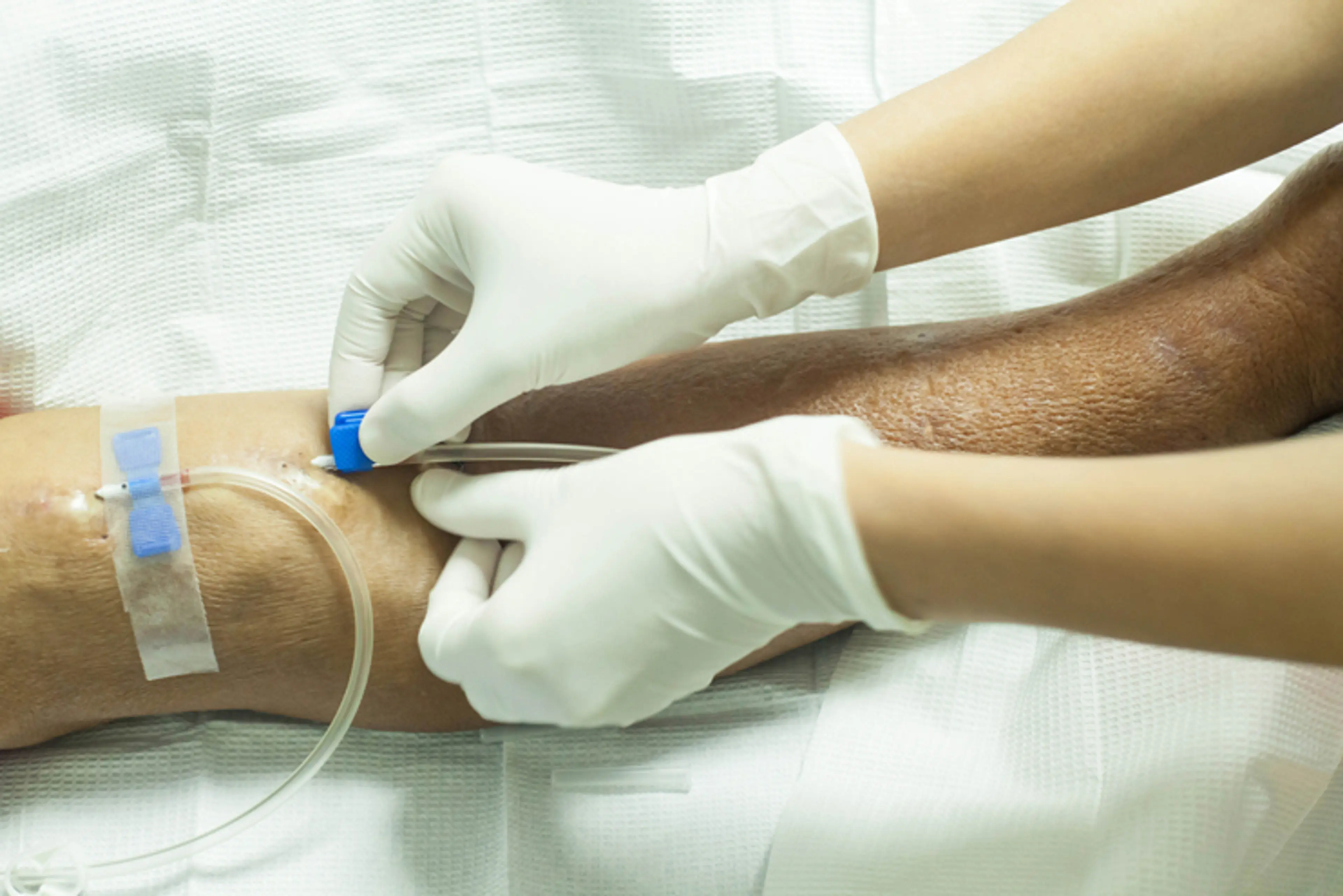
Avoiding Needle Trauma: If you’re receiving dialysis via an AVF or AVG, it’s crucial to use a different site for needle insertions as much as possible to avoid repeated trauma to the same area. Your dialysis care team should assist with rotating the needle insertion sites.
Maintaining Adequate Blood Flow: Ensure your access site remains healthy by performing simple techniques such as arm exercises or “fistula exercise” to keep the blood flowing smoothly through the access point.
If stenosis is detected early, vascular surgeons can use minimally invasive procedures to treat the condition before it leads to more serious complications.
Balloon Angioplasty: This procedure involves inserting a catheter with a balloon to widen the narrowed area of the blood vessel. It’s a common treatment for early-stage stenosis and can restore normal blood flow with minimal discomfort.
Stenting: If angioplasty alone is insufficient, a stent (a small mesh tube) may be placed to help keep the vessel open and ensure that blood can flow freely.
The risk of developing stenosis increases for patients with certain underlying health conditions. Managing these conditions can play a significant role in preventing complications:
Control Blood Pressure: High blood pressure can exacerbate the development of stenosis, so it’s essential to manage hypertension through medication, diet, and lifestyle changes.
Diabetes Management: Diabetes can impair circulation and increase the risk of vascular complications. Keeping blood sugar levels within normal ranges is vital for maintaining healthy blood vessels.
Stop Smoking: Smoking is a major risk factor for vascular problems, including stenosis. If you smoke, quitting can significantly reduce the likelihood of developing vascular issues.
Maintaining a healthy lifestyle can help prevent not only stenosis but also other vascular problems that can impact your dialysis access site:
Preventing stenosis in dialysis access sites requires regular monitoring, early intervention, and personalized care. With proper management, stenosis can be detected early and treated effectively before it leads to complications like access failure or reduced dialysis efficiency.
At Charm Vascular Clinic, our vascular specialists are highly experienced in managing and preventing stenosis, using the latest minimally invasive techniques. If you’re concerned about the health of your dialysis access site, consider scheduling a consultation with us. We can create a tailored care plan to help maintain the best possible blood flow and prevent stenosis from interfering with your dialysis treatments.
If you’ve noticed any changes in your dialysis access site or are worried about the risks of stenosis, don’t wait. Speak to your healthcare provider about monitoring your access site and the potential for early intervention. Prevention is always the best medicine when it comes to vascular health.