Home / Articles
How to Prevent Varicose Veins: Top 10 Strategies for Vein Health
Home / Articles
How to Prevent Varicose Veins: Top 10 Strategies for Vein Health
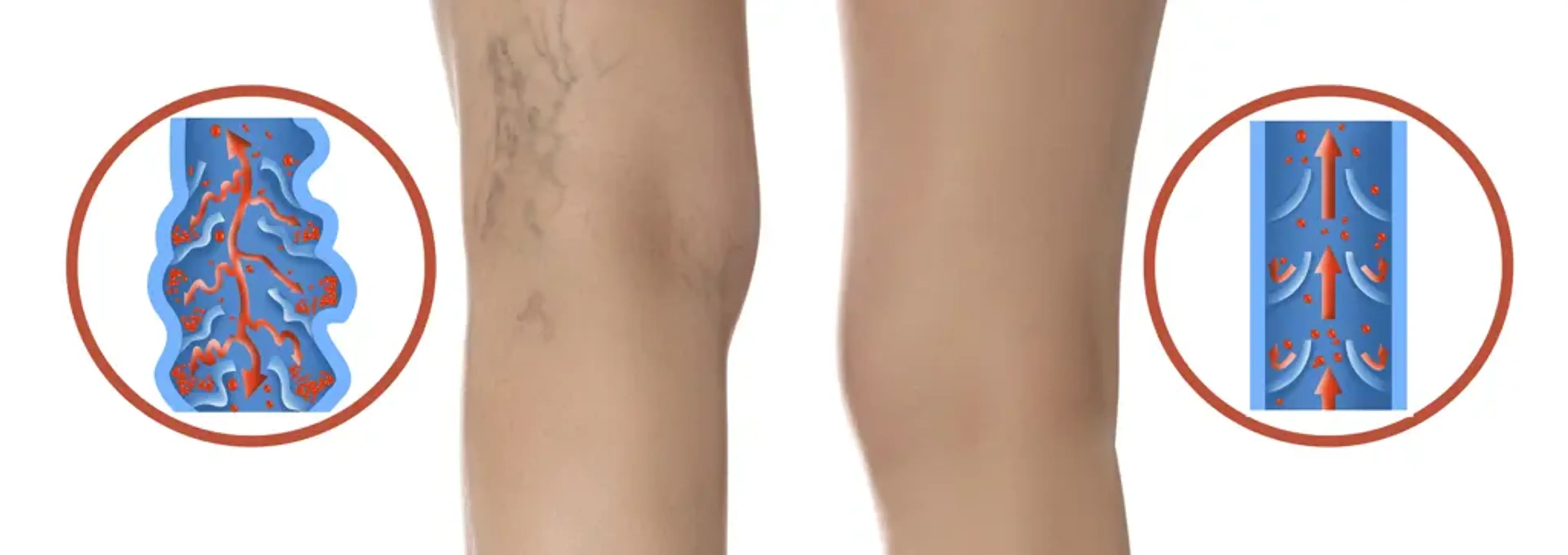
Varicose veins are a common condition that affects millions of people worldwide, causing discomfort, pain, and swelling, particularly in the legs. These veins, which often appear swollen, twisted, and discolored, occur when the valves in the veins weaken or malfunction, allowing blood to flow backward and pool. While varicose veins are often seen as a cosmetic concern, they can lead to more serious health issues if left untreated, including chronic pain, swelling, and the formation of blood clots.
The good news is that varicose veins can often be prevented or their progression slowed with a few simple, proactive measures. By adopting a healthy lifestyle and making conscious choices to improve circulation, you can greatly reduce your risk of developing varicose veins. In this article, we’ll explore the top strategies for maintaining vein health and preventing varicose veins from taking a toll on your body.
As you age, the valves in your veins weaken, making varicose veins more likely. Women are more prone to varicose veins due to hormonal changes from pregnancy, menopause, and birth control. A family history of varicose veins also raises your risk, so if close relatives have had them, you might be more vulnerable.
Pregnancy increases blood volume and puts pressure on veins, while hormonal changes relax vein walls, making them more prone to dysfunction. Women who’ve had multiple pregnancies may face a higher risk of developing varicose veins later in life.
Sedentary habits or prolonged periods of standing (e.g., retail or healthcare jobs) can contribute to varicose veins. Sitting for long stretches, like while driving or working, also increases pressure on veins and impairs circulation.
Excess weight increases the pressure on leg veins, leading to valve malfunction. Those with a higher body fat percentage have more blood for veins to carry, raising the risk of varicose veins. Maintaining a healthy weight can help prevent this.
Regular exercise is one of the best ways to keep your veins healthy and prevent varicose veins. Exercise boosts blood circulation, strengthens vein walls, and helps maintain a healthy weight, all of which reduce the risk of vein issues.
Exercise improves circulation, relieves pressure on veins, and encourages blood to flow upwards toward the heart. It also strengthens leg muscles, which helps prevent blood from pooling in the veins and improves vein elasticity.
Start with small, manageable exercises, such as walking after meals. Over time, aim for at least 30 minutes of moderate exercise most days of the week for better vein health.
Maintaining a healthy weight is essential not only for overall health but also for preventing varicose veins. Extra weight places pressure on veins, making blood flow harder and increasing the likelihood of developing varicose veins.
Carrying excess weight forces veins to work harder to pump blood to the heart. Over time, this can weaken the valves in your veins, leading to blood pooling and varicose veins. Those who are overweight are more likely to experience vein issues, especially in the legs.
Elevating your legs is a simple and effective way to reduce pressure on your veins, especially after standing or sitting for long periods.
Elevation helps improve circulation by encouraging blood flow back to the heart. This reduces swelling and discomfort, making it a great preventive measure for varicose veins. It helps alleviate the pressure on leg veins, particularly after long days of standing or sitting.
To get the most benefit, elevate your legs above the level of your heart. This can be done by lying down and propping your legs on pillows or using a reclining chair. Aim for 15-20 minutes at a time, a few times a day, especially if you spend a lot of time on your feet.
Try to make leg elevation a part of your routine. If you work long hours at a desk, elevate your legs during lunch breaks or at the end of the day. For those who stand all day, taking short breaks to elevate the legs can significantly reduce strain on your veins.
Compression stockings are a proven way to prevent varicose veins and improve circulation in the legs.
These stockings apply gentle pressure to your legs, which helps veins pump blood back to the heart more efficiently. This reduces the risk of blood pooling in the veins and the formation of varicose veins.
Compression stockings should be worn during activities that require prolonged standing or sitting. It’s best to put them on in the morning, before any swelling occurs. Make sure to choose the right compression level and size for maximum effectiveness, as recommended by a healthcare provider.
In addition to preventing varicose veins, compression stockings help alleviate symptoms such as swelling, heaviness, and discomfort in the legs. They can be particularly helpful for those at high risk or those with mild varicose veins.
Good posture and avoiding long periods of standing or sitting can greatly benefit your vein health by reducing pressure on your veins.
Slouching or standing incorrectly can restrict blood flow, causing veins to work harder. Over time, poor posture can contribute to weakened vein walls and increased risk of varicose veins.
Make sure to stand up straight and keep your shoulders back to avoid pressure on your veins. When sitting, keep your feet flat on the ground and avoid crossing your legs, as this can hinder circulation.
If your job involves prolonged standing or sitting, try to alternate between the two. Move around every 30-60 minutes to improve circulation and relieve pressure on your veins. Standing on a soft surface or using a footrest while sitting can also help.
Drinking plenty of water is an often-overlooked strategy for maintaining healthy veins and preventing varicose veins.
Staying hydrated helps maintain the volume and flow of blood, making it easier for your veins to do their job. Dehydration can cause your blood to become thicker, increasing the strain on your veins and reducing circulation. Proper hydration also helps reduce swelling in your legs, which can contribute to the development of varicose veins.
Aim for at least 8 glasses (about 2 liters) of water per day, or more if you are active or live in a hot climate. Remember that your hydration needs may vary based on factors like exercise, diet, and climate.
A healthy diet plays a crucial role in maintaining good vein health and preventing varicose veins.
A diet rich in antioxidants, fiber, and essential vitamins can help protect your veins and improve circulation. Key nutrients include:
Certain foods can increase the risk of varicose veins by promoting inflammation and affecting circulation:
Start your day with a breakfast of whole grains like oatmeal topped with berries and nuts. For lunch, enjoy a salad with leafy greens, colorful vegetables, and a lean protein like grilled chicken. At dinner, consider fish like salmon, which is rich in omega-3s, paired with steamed vegetables and quinoa.
Both smoking and excessive alcohol consumption can negatively affect your vascular health, contributing to the development of varicose veins.
Smoking damages the lining of blood vessels, reducing circulation and making it harder for veins to transport blood. It also decreases the elasticity of vein walls, increasing the risk of varicose veins. Smokers are more likely to develop vascular diseases, and quitting can improve vein health significantly.
Excessive alcohol can dehydrate the body, leading to thicker blood and increased pressure on veins. This can weaken vein walls and increase the risk of varicose veins. Limiting alcohol intake not only improves circulation but also promotes overall vascular health.
If you smoke, seek support to quit, such as counseling or nicotine replacement therapy. Limiting alcohol to moderate levels (one drink per day for women and two for men) can help reduce the impact on your veins. Focus on maintaining a healthy lifestyle that includes regular exercise, a balanced diet, and stress management techniques.
Routine check-ups with a vascular specialist are crucial for maintaining healthy veins and preventing varicose veins from developing or worsening.
If you're at risk for varicose veins (e.g., family history, pregnancy, or prolonged standing), regular check-ups can help detect early signs of vein issues. Early intervention can prevent the need for more invasive treatments later on.
A vascular specialist can evaluate your veins and recommend appropriate preventive measures or treatments if necessary. They may perform diagnostic tests like ultrasound to assess blood flow and detect potential problems before symptoms appear.
Charm Vascular Clinic, located in Seoul, South Korea, is renowned for its expertise in minimally invasive vascular treatments. With a team of highly trained specialists, the clinic offers comprehensive care for varicose veins and other vascular conditions. Patients at Charm Vascular Clinic benefit from personalized treatment plans and advanced diagnostic tools to ensure optimal vein health.
Charm Vascular Clinic specializes in both the prevention and treatment of varicose veins. The clinic offers a range of services tailored to each patient's unique needs.
Charm Vascular Clinic is known for its cutting-edge, minimally invasive treatments such as Endovenous Laser Ablation (EVLA), Radiofrequency Ablation (RFA), and VenaSeal™. These procedures are designed to treat varicose veins without the need for traditional surgery, allowing for faster recovery times and minimal discomfort.
Here are answers to some common questions about preventing varicose veins:
While it’s not always possible to prevent varicose veins entirely, adopting a healthy lifestyle and following preventive measures can significantly reduce the risk and delay their onset.
If you begin following prevention strategies such as exercise and dietary changes, you may notice improvements in circulation and a reduction in symptoms within a few weeks. However, visible changes to varicose veins may take several months.
Yes, compression stockings are highly effective in improving circulation, reducing swelling, and preventing the progression of varicose veins. They can be especially beneficial for individuals with early-stage varicose veins or those at risk.
If you experience symptoms like persistent swelling, heaviness, or pain in your legs, or if your veins appear enlarged or twisted, it's best to consult with a vascular specialist. Early treatment can help prevent further complications.
Varicose veins are a common yet preventable condition that can affect your quality of life if not addressed properly. By understanding the risk factors and adopting healthy habits such as regular exercise, maintaining a healthy weight, elevating your legs, and wearing compression stockings, you can significantly reduce your risk of developing varicose veins.