Overview
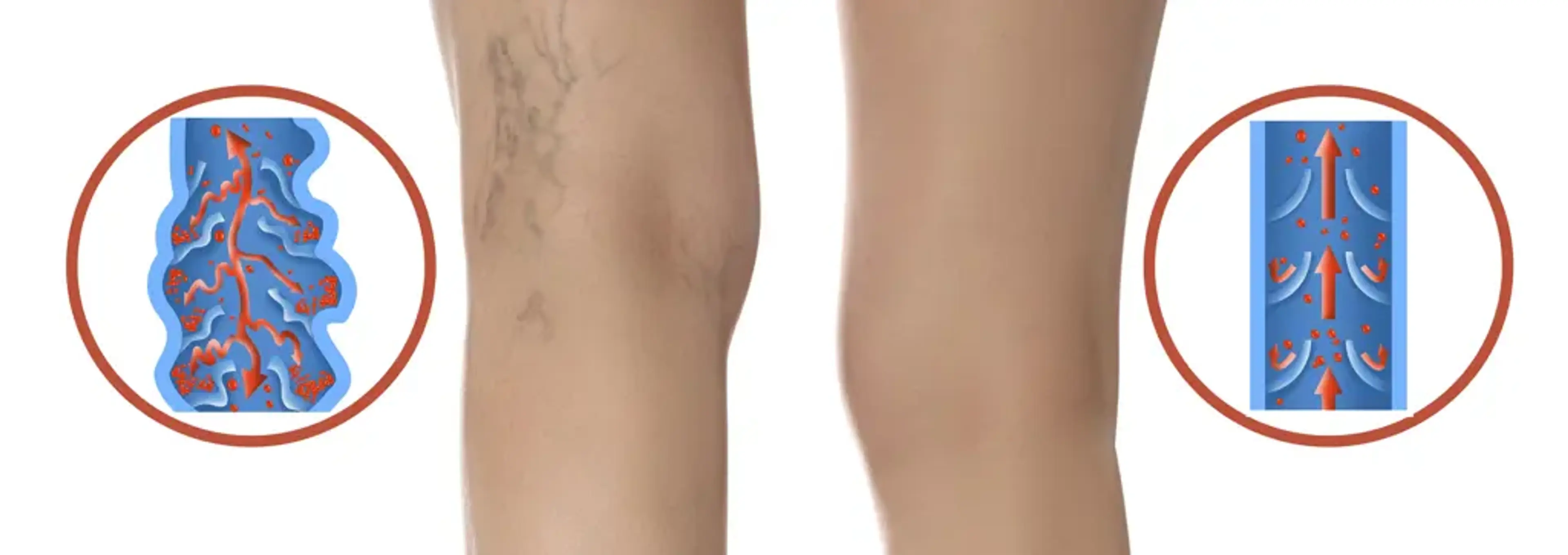
overviewVaricose veins are enlarged, twisted veins that often appear bulging and can cause discomfort in the legs. They typically occur when the valves in the veins weaken, leading to blood pooling and vein enlargement. The condition affects millions worldwide, often causing pain, heaviness, and swelling, especially after prolonged standing or sitting.
In addition to being unsightly, varicose veins can significantly impact daily activities. The good news is that there are numerous ways to alleviate varicose vein pain at home, making it possible to manage symptoms and enhance your quality of life.
Why Seek Relief for Varicose Vein Pain
why-seek-relief-for-varicose-vein-painThe pain associated with
varicose veins can range from mild aching to sharp, throbbing discomfort. Prolonged standing, excessive heat, or physical activity can exacerbate these symptoms. It's essential to seek relief to reduce the physical strain and to prevent complications such as swelling or the formation of ulcers.
Although surgical treatments are available, many people seek home remedies first to relieve the discomfort. Home treatments can be effective, safe, and often provide immediate relief, making them an ideal first-line option.
Effective Home Remedies for Relieving Varicose Vein Pain
effective-home-remedies-for-relieving-varicose-vein-painElevation of Legs
elevation-of-legsOne of the simplest and most effective ways to relieve varicose vein pain is elevating your legs. When you raise your legs above heart level, gravity helps the blood flow back toward your heart, reducing pressure on the veins. This can help alleviate swelling and relieve the pain caused by poor circulation.
To get the best results, lie down and prop your legs on pillows, ensuring that your feet are higher than your hips. Aim for at least 15–20 minutes per session, several times a day if possible. This will help you feel more comfortable, particularly at the end of a long day.
Compression Therapy
compression-therapyCompression stockings are another widely used and effective remedy for managing varicose vein pain. These specialized socks or stockings apply gentle pressure to the legs, which helps to support the veins and improve blood flow. By providing consistent compression, these garments reduce swelling, decrease leg fatigue, and ease the aching feeling associated with varicose veins.
There are various levels of compression, so it’s important to choose the right one for your needs. It’s advisable to consult with a healthcare provider to ensure you’re using the correct compression level.
Compression stockings are available in most pharmacies and come in a variety of styles, from knee-high to full-leg versions.
Natural Remedies and Lifestyle Changes
natural-remedies-and-lifestyle-changesHerbal Remedies for Varicose Veins
herbal-remedies-for-varicose-veinsSeveral herbal remedies have been used for centuries to support vein health and reduce the discomfort caused by varicose veins. Some of the most effective herbs for varicose veins include:
Horse Chestnut: This herb has been shown to improve blood circulation and reduce swelling. It can be used in creams or taken as a supplement.
Witch Hazel: Known for its anti-inflammatory properties, witch hazel can reduce swelling and ease the pain of varicose veins.
Butcher's Broom: This herb is often used to relieve the aching and heaviness in the legs by improving vein tone and reducing fluid retention.
To use these remedies, you can apply them topically in the form of creams or lotions or take them in capsule form, depending on the recommendation. Always follow the suggested dosage and talk to a healthcare provider before starting any herbal supplement, especially if you are on other medications.
Apple Cider Vinegar
apple-cider-vinegarApple cider vinegar is a popular natural remedy for improving circulation and alleviating the pain and swelling associated with varicose veins. It's believed that the vinegar helps to tone and strengthen vein walls, thereby reducing the discomfort caused by varicose veins.
To use apple cider vinegar, you can soak a cotton ball in the vinegar and gently apply it to the affected areas. Alternatively, you can mix equal parts of water and vinegar and apply it as a topical treatment. For internal use, some people choose to dilute a tablespoon of apple cider vinegar in a glass of water and drink it daily.
While many find relief using apple cider vinegar, results may vary. It’s important to use this remedy consistently and be patient, as it may take time to see noticeable improvements.
Exercise and Physical Activity for Pain Relief
exercise-and-physical-activity-for-pain-reliefExercises for Varicose Vein Pain Relief
exercises-for-varicose-vein-pain-reliefExercise plays a critical role in improving circulation and managing varicose vein pain. Regular physical activity strengthens the muscles in the legs, helping to push blood back toward the heart and ease the pressure on veins.
Some simple and effective exercises for varicose veins include:
Walking: Walking is one of the best exercises for improving circulation in the legs. It helps to keep the blood flowing and can reduce the swelling and pain associated with varicose veins.
Cycling: Both outdoor cycling and stationary cycling can also improve circulation and strengthen leg muscles, which may reduce varicose vein symptoms.
Leg Elevations and Ankle Rolls: While sitting, raise your legs and roll your ankles in circles. This helps to stimulate blood flow and prevent blood from pooling in the veins.
By incorporating these exercises into your daily routine, you can significantly alleviate symptoms and help prevent further vein issues. Aim for at least 30 minutes of moderate exercise most days of the week to enjoy long-term benefits.
Yoga and Stretching for Varicose Veins
yoga-and-stretching-for-varicose-veinsYoga and stretching exercises can be particularly helpful in easing varicose vein pain. Certain yoga poses improve blood circulation and can help to reduce leg fatigue and swelling. Here are a few beneficial poses:
Legs Up the Wall (Viparita Karani): This simple pose involves lying on your back and elevating your legs against a wall. It helps with circulation and is soothing for tired, aching legs.
Downward Dog (Adho Mukha Svanasana): This inversion pose encourages blood flow back to the upper body, improving circulation in the legs.
Stretching the calves and hamstrings regularly can also prevent muscle tightness and reduce discomfort. Incorporating yoga into your daily routine will keep your legs flexible and less prone to cramping and pain from varicose veins.
Dietary Changes to Manage Varicose Vein Pain
dietary-changes-to-manage-varicose-vein-painFoods That Promote Circulation
foods-that-promote-circulationWhat you eat can also impact your vein health. Certain foods help to improve circulation and prevent the formation of varicose veins. Include these in your diet to support vein health:
Berries: Rich in antioxidants, berries help strengthen blood vessels and reduce inflammation.
Leafy Greens: Spinach, kale, and other dark leafy greens contain vitamin K, which helps in proper blood circulation.
Citrus Fruits: High in vitamin C, citrus fruits support the health of your blood vessels and improve circulation.
Adding these foods to your diet may reduce inflammation and support overall vein health, potentially alleviating symptoms of varicose veins.
Hydration and its Impact on Varicose Veins
hydration-and-its-impact-on-varicose-veinsStaying hydrated is essential for optimal circulation. When you don’t drink enough water, your blood can become thicker, which can make it harder for your veins to circulate blood effectively. Make sure to drink plenty of water throughout the day to help maintain healthy circulation and reduce symptoms of varicose veins.
Exercise and Physical Activity for Pain Relief
exercise-and-physical-activity-for-pain-reliefExercises for Varicose Vein Pain Relief
exercises-for-varicose-vein-pain-reliefRegular physical activity can significantly help reduce varicose vein pain by improving circulation, strengthening muscles, and preventing blood from pooling in the veins. Here are a few exercises that are particularly beneficial for varicose vein pain relief:
Walking: A low-impact exercise like walking is excellent for improving circulation and reducing pain. Try walking for 30 minutes a day, several days a week. This simple activity promotes healthy blood flow and reduces the pressure on your veins.
Cycling: Whether on a stationary bike or outdoors, cycling helps strengthen the muscles in your legs and improves circulation. Aim for 20-30 minutes a few times a week.
Leg Lifts: Lying on your back, lift your legs one at a time and hold them for a few seconds before lowering them. This exercise strengthens the muscles in your calves and helps promote better circulation. It’s ideal for people who have to spend long periods sitting or standing.
Calf Raises: Stand with your feet shoulder-width apart and slowly raise your heels, standing on the balls of your feet. Hold for a few seconds and then lower back down. This exercise is great for strengthening the calf muscles, which helps to support the veins in the legs.
These exercises can be done daily and will not only help relieve pain but also prevent varicose veins from worsening.
Yoga and Stretching for Varicose Veins
yoga-and-stretching-for-varicose-veinsIn addition to regular exercise, yoga and stretching can improve flexibility, circulation, and reduce discomfort from varicose veins. Here are a few simple yoga poses and stretches to consider:
Legs Up the Wall Pose (Viparita Karani): This pose helps reduce swelling and improves circulation by allowing the blood to flow back to the heart. Simply lie on your back with your legs extended up against the wall for 15-20 minutes.
Child’s Pose (Balasana): This relaxing pose stretches the lower back and relieves tension in the legs. It also promotes relaxation and encourages better circulation.
Cat-Cow Stretch (Marjaryasana-Bitilasana): This gentle stretch improves flexibility and helps ease muscle tension. Alternating between arching and rounding your back in a tabletop position stimulates blood flow throughout the body, including the legs.
By incorporating yoga and stretches into your routine, you’ll be able to alleviate discomfort and reduce the risk of developing new varicose veins.
Dietary Changes to Manage Varicose Vein Pain
dietary-changes-to-manage-varicose-vein-painFoods That Promote Circulation
foods-that-promote-circulationWhat you eat can play a significant role in managing varicose veins and reducing pain. A diet rich in certain nutrients can help improve circulation and support vein health. Some foods to include in your diet are:
Berries: Packed with antioxidants, berries such as blueberries, raspberries, and strawberries help reduce inflammation and improve circulation.
Leafy Greens: Vegetables like spinach, kale, and Swiss chard are high in fiber and vitamin K, which are beneficial for healthy blood flow.
Citrus Fruits: Oranges, lemons, and grapefruits are rich in vitamin C, which is essential for the production of collagen and helps maintain the strength of blood vessel walls.
Garlic: Known for its anti-inflammatory properties, garlic can also help improve circulation and reduce the risk of blood clots.
Including these foods in your daily diet can help maintain good circulation, reduce swelling, and support overall vascular health.
Hydration and its Impact on Varicose Veins
hydration-and-its-impact-on-varicose-veins
Drinking plenty of water is another important factor in managing varicose veins. Proper hydration helps maintain healthy blood flow and prevents blood from becoming thick and sluggish. Aim to drink at least eight glasses of water a day, and even more if you're active or in a hot climate.
In addition to water, herbal teas such as ginger or chamomile can promote circulation and help reduce inflammation in the veins. Avoid excessive alcohol or caffeinated beverages, as they can contribute to dehydration.
By staying hydrated, you’ll support proper circulation and help reduce the risk of varicose veins getting worse over time.
When to Seek Medical Help for Varicose Veins
when-to-seek-medical-help-for-varicose-veinsWhile home remedies can provide temporary relief, there are times when professional treatment is necessary. If your varicose veins cause persistent or worsening symptoms, it’s important to consult a healthcare professional for further evaluation and treatment options. Here are some warning signs that it might be time to seek medical help:
Warning Signs to Watch For
warning-signs-to-watch-forIncreased Swelling: If your legs or feet swell significantly, even after elevating them or using compression stockings, it could be a sign that the condition is worsening. Persistent swelling may indicate the need for a more targeted treatment plan.
Pain or Tenderness: If the pain associated with varicose veins becomes more severe, sharp, or persistent, it may suggest that the veins are becoming inflamed or that other complications are developing. Severe pain can also be a sign of blood clots or deep vein thrombosis (DVT), which requires immediate medical attention.
Skin Changes: Varicose veins can cause changes to the skin, such as darkening, thickening, or ulceration. If you notice any of these changes, it’s crucial to seek medical help. Skin ulcers and thickening can lead to infections and other complications if left untreated.
Bleeding from Varicose Veins: Although rare, varicose veins can occasionally bleed, especially if they rupture due to pressure or injury. This is an urgent issue that requires immediate medical attention.
Feeling of Heaviness or Fatigue: If you start experiencing an overwhelming feeling of fatigue or heaviness in the legs, even after a good night’s rest, this could be an indication that your varicose veins are affecting your overall circulation more severely. A medical professional can evaluate whether there are any underlying conditions contributing to these symptoms.
If you notice any of these signs, don’t hesitate to contact your doctor or a specialist at Charm Vascular Clinic. Early intervention can help prevent further complications and ensure better long-term outcomes.
Seeking Medical Treatment at Charm Vascular Clinic
seeking-medical-treatment-at-charm-vascular-clinicAt
Charm Vascular Clinic, we are committed to providing the highest level of care for individuals suffering from varicose veins. Our clinic specializes in minimally invasive procedures that are designed to relieve pain, reduce swelling, and prevent the progression of varicose veins. With cutting-edge treatments and personalized care plans, we offer solutions that can improve your quality of life.
Some of the most effective treatments we offer include:
Endovenous Laser Ablation (EVLA): A minimally invasive procedure that uses laser energy to close off problematic veins. EVLA is highly effective, causing minimal pain and allowing patients to return to normal activities quickly.
VenaSeal™ Closure System: This is a non-surgical, FDA-approved treatment that uses a medical adhesive to seal off varicose veins. It’s a safe and effective option for those looking to avoid traditional surgery.
Radiofrequency Ablation (RFA): Similar to EVLA, this procedure uses radiofrequency energy to heat and close the vein, allowing the body to naturally reroute blood flow to healthier veins. It’s another minimally invasive option with fast recovery times.
Sclerotherapy: This treatment involves injecting a solution directly into the affected veins, causing them to collapse and fade over time. It’s effective for both small and medium-sized varicose veins.
Clarivein/Phlebogrip: These advanced catheter-based treatments are excellent for treating both small and larger veins. Using a catheter inserted into the vein, the procedure closes the vein with precision, offering a quick and effective solution.
Conclusion
conclusionIn summary, while managing varicose vein pain at home can offer temporary relief, it’s essential to recognize when professional medical care is needed. Simple home remedies, such as leg elevation, compression therapy, and herbal treatments, can help reduce swelling and discomfort, but they may not address the root cause of the problem.
For individuals who experience persistent pain, swelling, or other complications, seeking professional care is critical to avoiding further damage to the veins and to preventing more serious health issues, such as blood clots or ulcers. At Charm Vascular Clinic, we specialize in advanced, minimally invasive treatments that can effectively treat varicose veins, providing long-term relief and improving the overall health of your vascular system.
Whether you choose home remedies or opt for medical intervention, it’s important to take proactive steps in managing varicose veins. At Charm Vascular Clinic, we are here to help you navigate your treatment options, offering personalized care that aligns with your specific needs and lifestyle.
If you are experiencing varicose vein pain, don’t wait until it becomes unbearable. Contact Charm Vascular Clinic today to schedule a consultation with our expert team. We’ll guide you through the most effective treatment options, ensuring that you receive the highest standard of care to restore your comfort and well-being.