Home / Articles
How to Stay Active Without Aggravating Varicose Veins
Home / Articles
How to Stay Active Without Aggravating Varicose Veins
Let’s unpack how you can stay active, protect your veins, and even help them heal — without fear of making things worse.
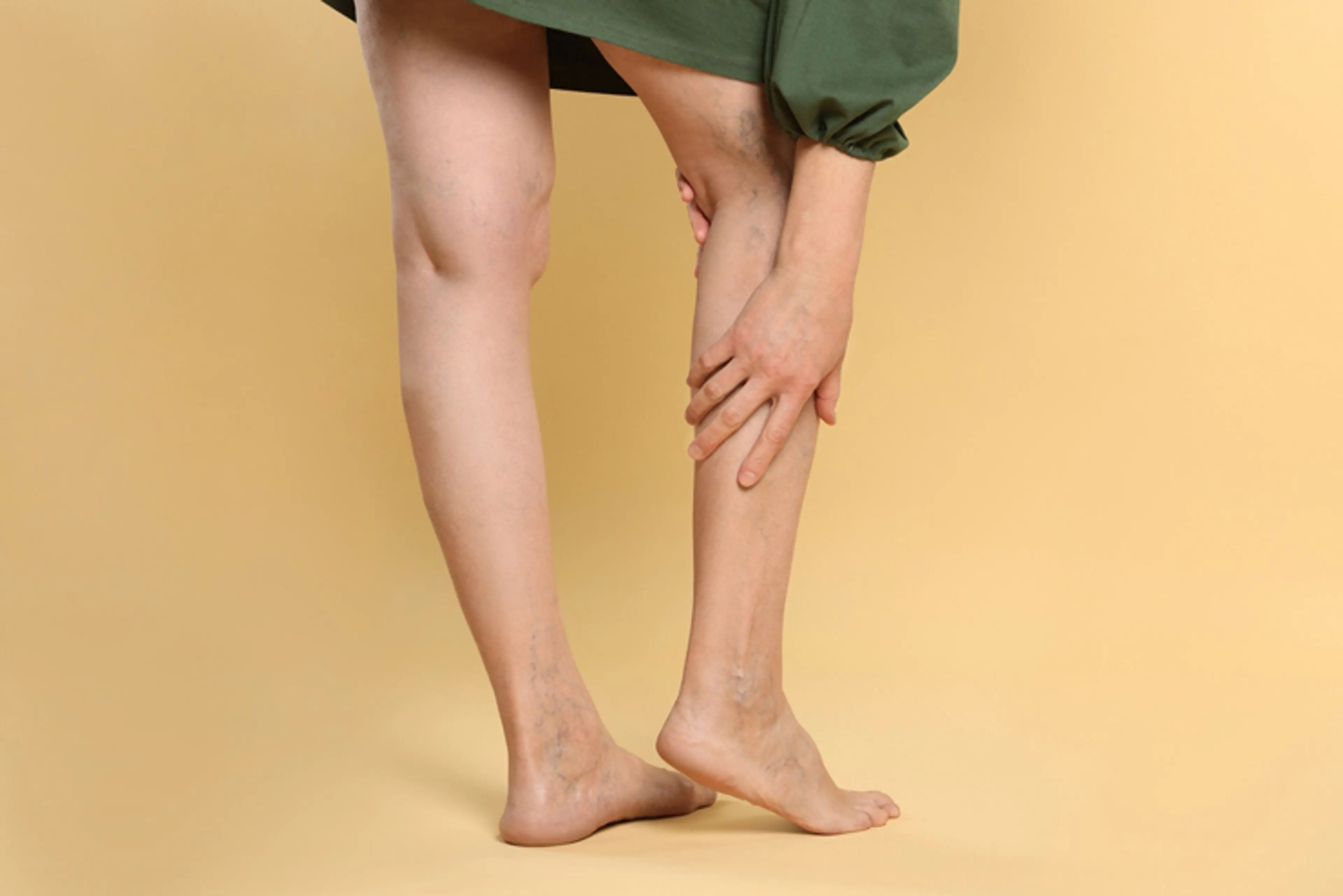
In Korea, where office culture means hours at a desk — or long subway rides and standing commutes — chronic venous insufficiency is surprisingly common. Sitting or standing for too long lets blood pool in your leg veins. Over time, this constant pressure can weaken the vein walls and valves, which is how varicose veins often start in the first place.
The reality is, we see patients from all walks of life — young adults working their first office jobs, middle-aged professionals, teachers standing in front of classrooms all day, and elderly patients who’ve ignored leg discomfort for decades. The story is almost always the same: lack of movement and long periods of static posture become silent culprits behind worsening vein health.
Think of your leg veins like small pipes with tiny one-way valves. They rely on surrounding muscles — your calves especially — to push blood back toward your heart. This mechanism is often called the “calf muscle pump.” When you walk, flex, or contract your calf muscles, it’s like squeezing toothpaste back up the tube.
However, if you overload your legs with the wrong type of strain — heavy lifting, high-impact jumping, or static weight-bearing squats — you can spike the pressure inside your veins and stretch them further. It’s similar to forcing too much water through a weak garden hose — eventually, the walls give way.
A few activities to approach with care if you have visible varicose veins:
This doesn’t mean you must avoid these activities forever. But moderation, good technique, and personalized medical advice matter greatly. For many patients, adjusting technique — or using lighter weights and more repetitions — can strike a safe balance between fitness and vein health.
At Charm Vascular Clinic, we often suggest patients weave in low-impact, circulation-boosting exercises. Done consistently, these simple movements can ease symptoms, slow the worsening of varicose veins, and even make your legs feel lighter and more comfortable by the end of the day.
A brisk 30-minute walk, five days a week, is simple but powerful. It pumps your calf muscles without overloading your veins. If possible, choose slightly inclined paths or gentle hills — they engage your calves more.
Walking doesn’t need to be a dramatic commitment. Many of our patients find that splitting it into two or three 10-minute walks during lunch breaks or after dinner works wonders. Walking after meals is especially helpful, as digestion naturally pools more blood in your abdomen — gentle movement helps redistribute it.
Water supports your body weight, taking pressure off your veins while letting you strengthen your legs and core. The cool water also helps shrink swollen veins temporarily, soothing inflammation and discomfort.
Patients who have joint pain or excess weight often find swimming or water aerobics far easier than land-based workouts. The hydrostatic pressure of water also acts like natural compression — gently squeezing your veins while you move.
Stationary cycling or gentle outdoor rides keep your legs moving without high impact. Just make sure your saddle height is correct to avoid knee strain — your leg should be slightly bent at the bottom of each pedal stroke.
Some patients worry about the seated position, but the continuous leg motion and calf engagement usually outweigh any downside. If you have advanced varicose veins or pelvic congestion, check with your doctor about bike posture.
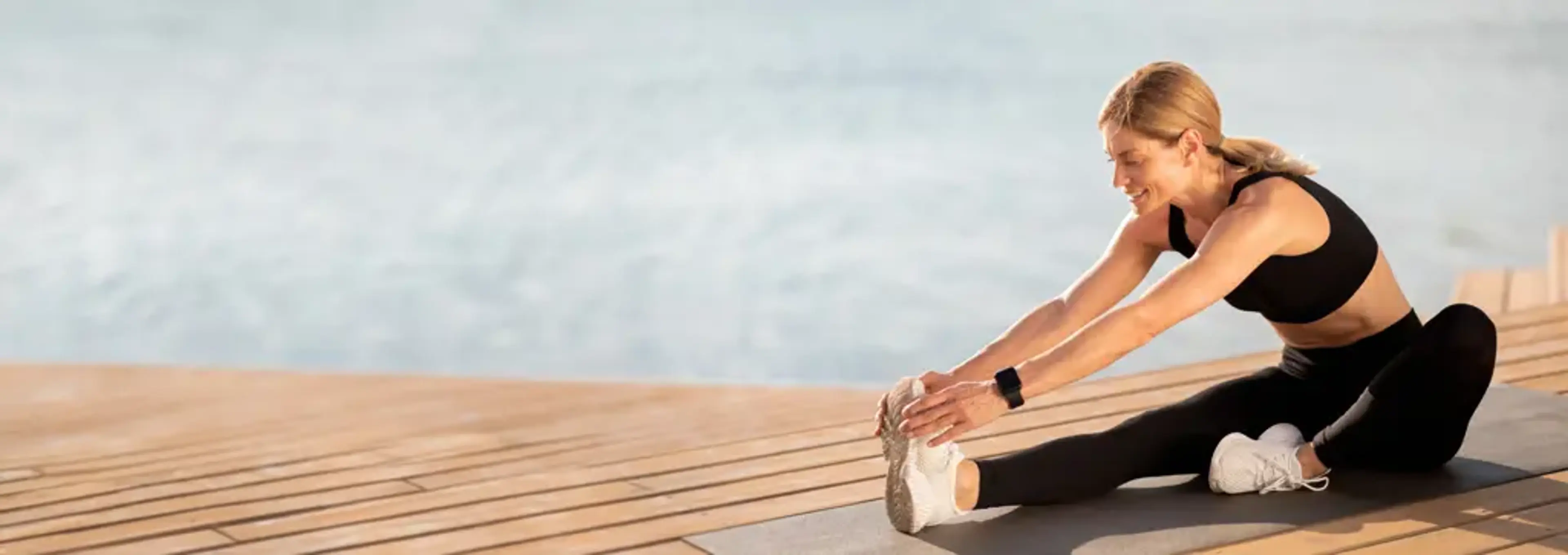
If you’re stuck at a desk, try pointing and flexing your feet under the table every hour. Rotate your ankles in circles to keep blood moving. And whenever you can, rest with your legs slightly elevated — ideally above heart level for 15–20 minutes. This helps gravity help you.
Movement is only half the story. What you wear on your feet — and sometimes on your legs — can make or break your comfort and vein health.
What you eat and drink affects your veins more than most people realize. Dehydration thickens your blood slightly, making it harder for weakened veins to push blood upward. Staying hydrated keeps your circulation smoother.
A balanced diet with plenty of fiber prevents constipation — a surprising but real factor in vein health. Straining on the toilet increases intra-abdominal pressure, which can worsen vein issues in the legs and even cause hemorrhoids (which are, in fact, a type of varicose vein).
Foods rich in flavonoids — berries, citrus fruits, dark leafy greens — may help strengthen vein walls and reduce inflammation. While they can’t cure varicose veins alone, they’re a smart part of an overall lifestyle approach.
Some patients ignore early warning signs because the discomfort comes and goes. But untreated varicose veins can lead to skin changes like brownish discoloration, eczema-like rashes, or even open sores near the ankles. Once skin damage starts, it’s harder to reverse.
For example, some people who can’t jog comfortably find that Nordic walking (using poles) gives them a cardio boost with less impact. Others switch to water aerobics when summer heat makes veins flare up.
If gentle exercise, elevation, and compression aren’t helping — or if you’re getting night cramps, visible skin changes, or sores that don’t heal — don’t just push through. Many patients feel embarrassed or think varicose veins are “just cosmetic.” In reality, they’re a medical condition signaling chronic venous insufficiency. Left untreated, they often worsen and can increase the risk of blood clots or deep vein thrombosis (DVT) in severe cases.
The good news is that modern vein treatments are far gentler than old stripping surgeries of the past. At Charm Vascular Clinic, we offer options like:
These treatments are walk-in, walk-out procedures with minimal recovery time. Most people return to daily life the next day — often wondering why they waited so long to feel lighter on their feet.
If you remember nothing else, remember this: the right movement heals. Stillness stiffens. You don’t have to run marathons — a daily stroll, mindful stretches, supportive shoes, and small posture shifts throughout your day can protect your veins for decades.
And if your veins are giving you grief, don’t wait for them to become unbearable. Chronic venous disease is progressive — early action means easier solutions.
If you’ve been struggling with varicose veins or want a personalized plan to stay active without worry, consider a consultation at Charm Vascular Clinic. We’ll help you find the balance that keeps your blood — and your life — flowing freely.