Home / Articles
How Ultrasound Mapping Ensures Successful Treatment Results
Home / Articles
How Ultrasound Mapping Ensures Successful Treatment Results
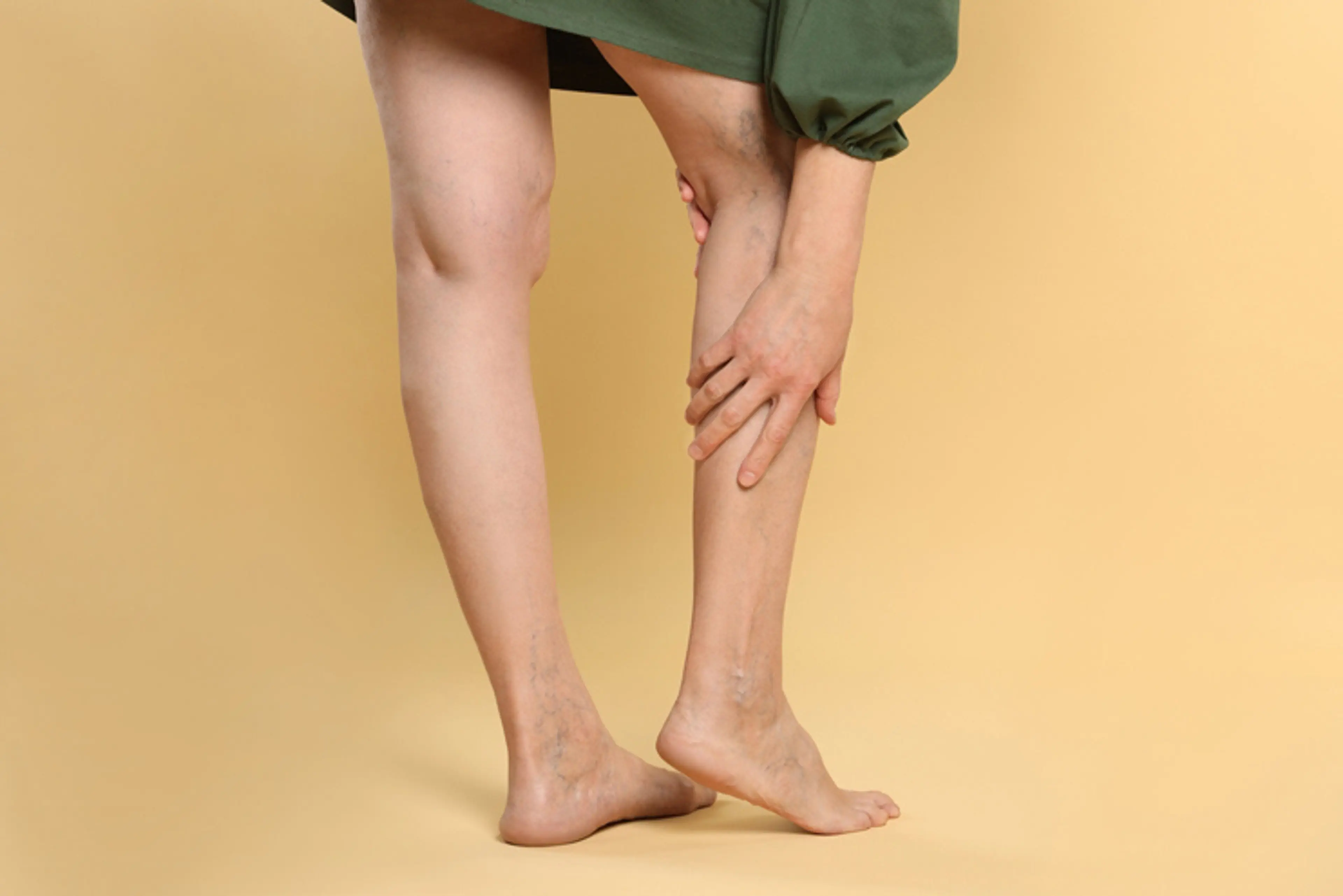
Most people think of varicose veins as a surface-level issue — the visible bulging veins that appear like tangled ropes under the skin. But the truth runs deeper. What you see is only the symptom. The real problem lies in the complex web of veins below, many of which you can’t see with the naked eye.
That’s where ultrasound vein mapping comes in. At Charm Vascular Clinic, we often describe it to patients like this: “Imagine trying to fix a clogged pipe without knowing where the blockage is. Ultrasound is our GPS — it shows us exactly where to go, and what to fix.”
This simple yet powerful diagnostic step is what often separates effective, lasting treatment from temporary relief. Whether you're considering Endovenous Laser Ablation (EVLA), VenaSeal™, or another minimally invasive procedure, ultrasound vein mapping is the foundation. Without it, even the best technology can miss the mark.
Ultrasound vein mapping is a non-invasive imaging technique that uses high-frequency sound waves to create a detailed map of your venous system.
Unlike basic ultrasounds that check for blood clots or valve issues, mapping goes further. It traces the path of your veins, identifies which valves are failing, and shows how blood is flowing — or pooling — in real time.
At our clinic in Gwanak-gu, we use duplex ultrasound machines that provide two critical types of information:
To be honest, this step is often overlooked by general clinics or rushed through in hospitals that treat vein disease as a secondary concern. But for vascular specialists, it's non-negotiable.
Here’s why:
One of our patients — a 47-year-old office worker from Seoul — came in after having a cosmetic vein treatment elsewhere. Her symptoms persisted because the original clinic didn’t perform mapping. After a proper scan at our clinic, we discovered reflux in the great saphenous vein. One session of EVLA later, the symptoms resolved.
When you visit Charm Vascular Clinic for an evaluation, here’s what happens during a typical vein mapping:
Mapping takes about 20–30 minutes per leg — but the information we get is worth its weight in gold. It turns a “best guess” approach into a targeted, tailored strategy.
Patients sometimes ask: “Can’t you just treat the visible veins?” It’s a fair question — but it reflects a common misunderstanding.
Treating varicose veins without mapping is like painting over mold without fixing the leak. The veins may look better for a while, but the underlying venous reflux remains.
Here’s what we’ve seen in patients who had poor-quality or skipped mapping:
In fact, clinical studies show that proper pre-procedural mapping is one of the top predictors of long-term success in treating chronic venous insufficiency.
At Charm Vascular Clinic, over 90% of our patients report symptom improvement within 1–2 weeks of treatment — a statistic we attribute to thorough pre-treatment planning and mapping.
If you’ve been struggling with varicose veins, leg heaviness, or swelling — especially after long hours of standing — don’t rush into treatment without understanding what’s beneath the surface.
At Charm Vascular Clinic in Seoul, we specialize in ultrasound-guided treatments that are minimally invasive and highly effective. Whether you need laser ablation, adhesive closure (VenaSeal™), or conservative care, it all begins with a clear, accurate map.
If you're ready to take the first step toward healthier legs, consider booking a consultation. We’re here to help you navigate the journey with confidence and clarity — one scan at a time.