Home / Articles
How Yoga Can Help Improve Circulation and Reduce Varicose Veins
Home / Articles
How Yoga Can Help Improve Circulation and Reduce Varicose Veins
Varicose veins are a common vascular issue that many people face, especially as they age. They occur when the veins become enlarged and twisted, often leading to symptoms like pain, swelling, and discomfort. While medical treatments are effective in managing varicose veins, lifestyle changes such as practicing yoga can provide significant benefits in improving circulation and reducing the severity of varicose veins.
Varicose veins are dilated veins that commonly appear in the legs. They occur when the valves inside the veins fail to function properly, causing blood to pool and the veins to swell. They often appear as bulging, blue or dark purple veins that can be seen just beneath the skin’s surface. This condition can cause pain, swelling, heaviness, and fatigue in the legs.
Poor circulation is one of the primary contributors to varicose veins. When blood flow in the legs is inefficient, the veins must work harder to return blood to the heart, which can lead to the weakening of vein walls. Over time, this can cause the veins to become stretched and distorted. Venous insufficiency is another condition linked to poor circulation, where the veins are unable to effectively return blood to the heart, causing blood to pool in the lower legs.
Improving circulation is essential in managing these symptoms and preventing further vein damage, and this is where yoga can play an important role.
Yoga has long been known for its ability to promote flexibility, strength, and mental relaxation. But one of its most beneficial effects is its positive impact on circulation, particularly in the legs, which are most commonly affected by varicose veins.
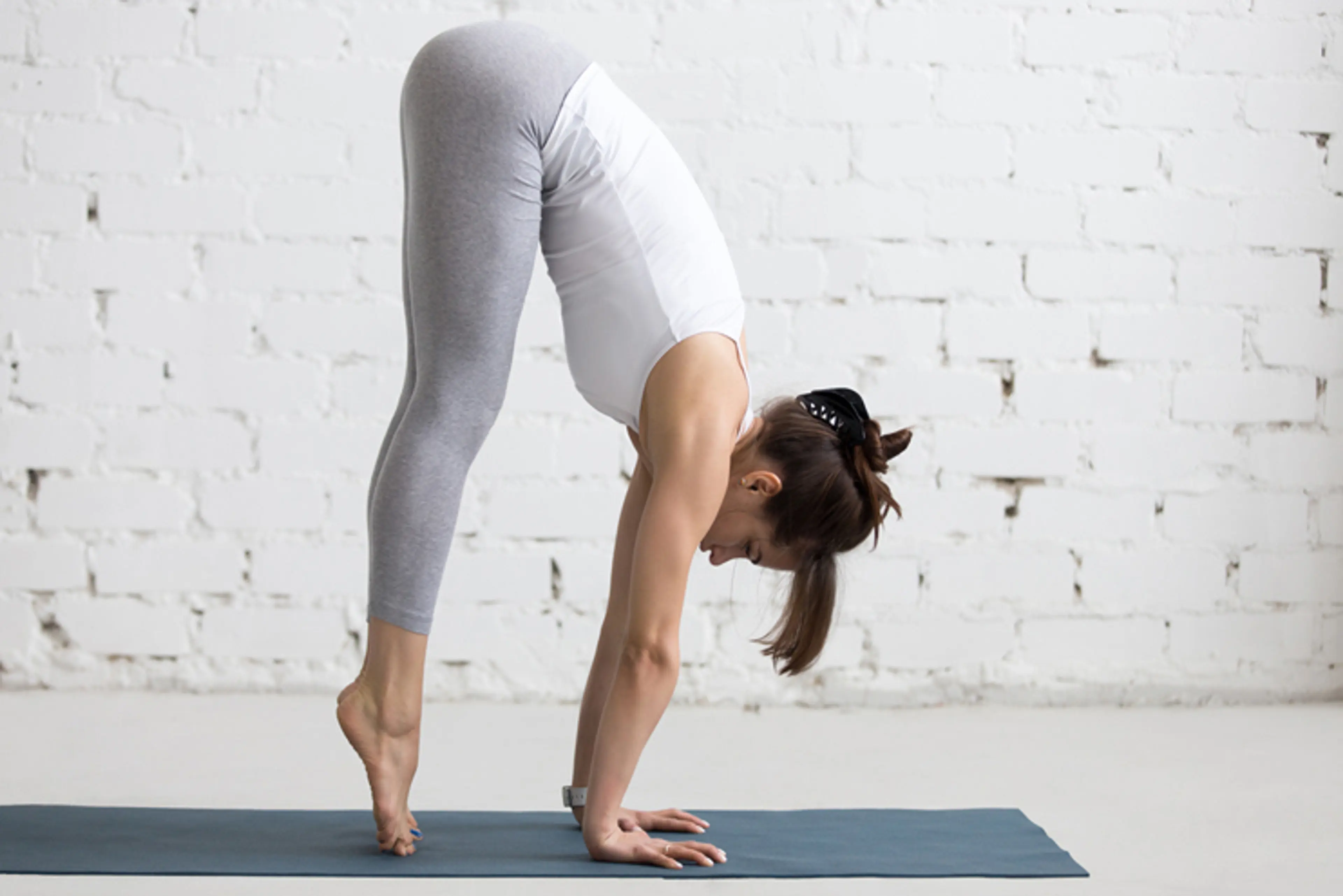
Yoga offers a variety of poses that target different aspects of circulation. Some poses are especially effective for improving blood flow to the legs, which can help reduce symptoms of varicose veins. Here are some key poses to incorporate into your practice:
This restorative pose is one of the most effective for improving circulation in the legs. By lying on your back and elevating your legs against a wall, you allow gravity to help blood flow back toward your heart. This can reduce swelling, alleviate pressure in the legs, and enhance overall circulation.
Lie on your back with your hips close to the wall.
Extend your legs up the wall, keeping them straight.
Relax your arms at your sides, palms facing upward.
Hold for 5–10 minutes, breathing deeply and allowing the blood to flow back to your heart.
This inverted pose is great for increasing circulation to the legs and the upper body. It encourages the flow of blood from the lower body to the heart and helps stretch the hamstrings, calves, and spine, which can further reduce tension and improve overall blood flow.
Start on your hands and knees with your wrists aligned under your shoulders and knees under your hips.
Lift your hips toward the ceiling, forming an upside-down "V" shape.
Press your heels toward the floor and lengthen your spine.
Hold for 30 seconds to 1 minute, breathing deeply and focusing on stretching the legs.
Warrior II strengthens the legs and opens the hips, which can help improve circulation in the lower body. This pose also helps with muscle engagement, which supports vein function by encouraging blood flow through the legs.
Stand with your feet wide apart and turn your right foot outward.
Bend your right knee to form a 90-degree angle, keeping your left leg straight.
Extend your arms parallel to the floor, palms facing down.
Hold for 30 seconds to 1 minute, then switch sides.
This pose helps open the chest and hips while strengthening the glutes and thighs. It also promotes circulation in the legs and can reduce swelling by encouraging blood flow back to the heart.
Lie on your back with your knees bent and feet flat on the floor, hip-width apart.
Place your arms at your sides, palms facing down.
Press your feet into the floor and lift your hips toward the ceiling, squeezing your glutes.
Hold for 30 seconds to 1 minute, then slowly lower your hips.
This gentle pose opens the hips and groin, improving circulation in the lower body. It can also reduce tension and promote relaxation, which supports overall vascular health.
Lie on your back and bring the soles of your feet together, allowing your knees to fall out to the sides.
Place your arms at your sides, palms facing up.
Relax in this position for 5-10 minutes, breathing deeply to enhance circulation.
Venous insufficiency occurs when the veins are unable to efficiently return blood to the heart, causing blood to pool in the lower extremities. This condition is commonly linked to varicose veins and can result in symptoms like swelling, pain, and skin discoloration. Yoga can be a beneficial practice in managing venous insufficiency by improving blood flow, strengthening muscles, and enhancing the function of the veins.
Yoga is not only beneficial for improving circulation but also for promoting overall vascular health. Regular practice can bring about significant lifestyle changes that contribute to long-term well-being.
Proper posture plays a vital role in supporting healthy circulation. Poor posture can lead to tension and restricted blood flow, which may exacerbate vascular issues. Yoga emphasizes proper alignment and body awareness, which can reduce strain on the veins and improve blood flow.
Yoga helps to improve flexibility, which in turn supports the elasticity of veins and blood vessels. Regular stretching through yoga helps keep the blood vessels flexible, making it easier for blood to move freely through the body. This is especially beneficial for people with varicose veins, as it helps improve blood flow and prevent further vein damage.
Incorporating yoga into your routine can be a proactive way to prevent varicose veins from developing in the first place. By enhancing circulation, strengthening the muscles, and reducing stress, yoga helps promote healthy veins and minimizes the risk of venous insufficiency. Regular yoga practice can be a simple and effective way to maintain vascular health over the years.
Yoga is more than just physical poses—breathwork and relaxation techniques can further enhance circulation and vascular health.
Stress can constrict blood vessels and negatively affect circulation. Meditation practices in yoga focus on calming the mind and lowering blood pressure, which can indirectly enhance circulation. Reducing stress is key to improving overall cardiovascular health, especially for those dealing with varicose veins.
Yoga is an excellent complementary therapy to medical treatments like sclerotherapy, radiofrequency ablation, and VenaSeal™. These procedures target the underlying causes of varicose veins, while yoga helps reduce symptoms, improve circulation, and maintain vein health during the recovery process.
Yoga enhances muscle tone and flexibility, which helps maintain proper circulation even after undergoing procedures like vein stripping or ablation. It also aids in reducing inflammation, improving comfort, and supporting long-term vein health. By including yoga in your daily routine, you can maximize the effectiveness of medical treatments and maintain healthier veins.
While yoga can be incredibly beneficial, there are a few considerations to keep in mind, especially for those with advanced varicose veins or other vascular conditions.
If you're new to yoga, start with gentle poses and gradually increase the intensity. This approach ensures that your body adjusts to the practice without overexerting yourself. Working with an experienced yoga instructor or attending classes designed for people with vascular issues can help you progress safely.
While yoga cannot cure varicose veins, it can significantly alleviate symptoms, reduce swelling, and improve circulation. It should be used as part of a comprehensive treatment plan that may include medical interventions.
For optimal results, practice yoga regularly—aim for at least 3-4 times a week. Consistency is key to improving circulation and maintaining vein health.
Yoga offers a holistic approach to improving circulation and managing varicose veins. Regular practice helps increase blood flow, strengthen leg muscles, and reduce swelling—all of which can ease the discomfort associated with varicose veins. Additionally, yoga complements medical treatments, enhancing recovery and promoting long-term vascular health.