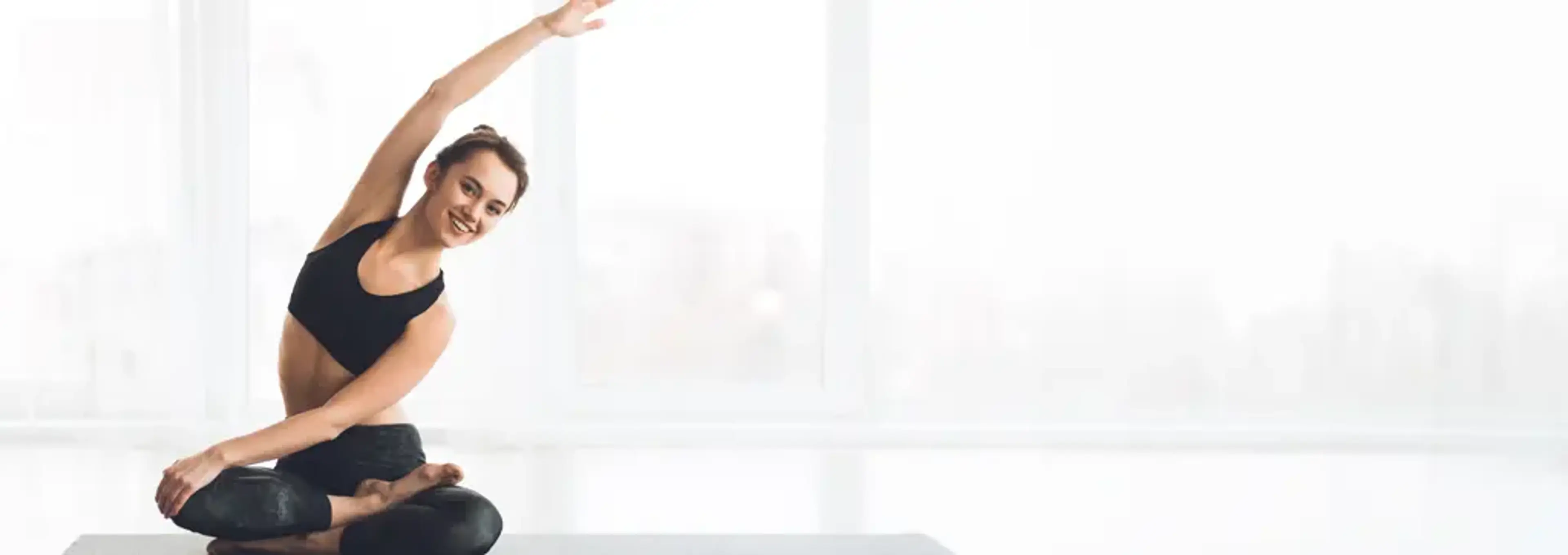
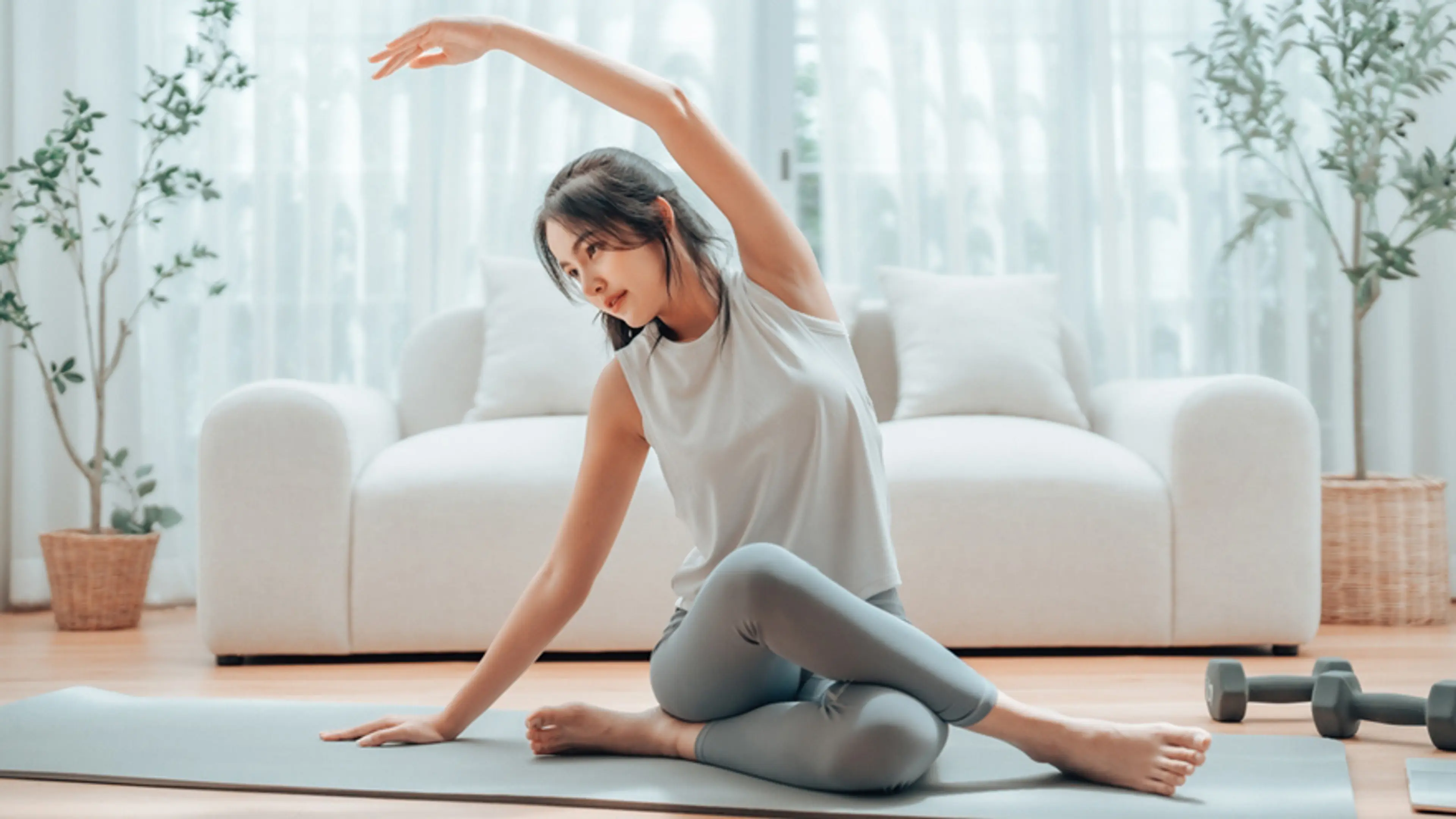
At first glance, yoga might seem like a gentle wellness trend — more about flexibility and inner peace than anything to do with your blood vessels. But from where we stand at Charm Vascular Clinic, the connection between mindful movement and healthy veins is both real and underrated.
Vein health isn’t just about genetics or standing too long. It’s about how we move — or don’t move — day in and day out. And in Korea, where long commutes, floor-sitting culture, and long work hours often mean reduced circulation, practices like yoga can be more than just relaxing; they can be preventative medicine.
Let’s explore how yoga directly supports the health of your veins — especially for those dealing with or hoping to avoid varicose veins, chronic venous insufficiency, or that familiar feeling of heavy, tired legs.
Why Circulation Is the Heart of Vein Health
why-circulation-is-the-heart-of-vein-healthBefore we get into downward dogs and deep breathing, it’s important to understand what your veins actually do.
Your veins are responsible for carrying blood back to your heart — working against gravity, especially in the legs. To keep blood moving upward, your veins rely on one-way valves and the surrounding muscle pumps, particularly in the calves. When those valves weaken or blood pools due to inactivity or pressure, it can lead to varicose veins or chronic venous insufficiency.
This is where yoga comes in.
Yoga: Not Just Stretching, but a Circulatory Boost
yoga:-not-just-stretching-but-a-circulatory-boostYoga supports vein health in three surprisingly powerful ways:
1. Encourages Muscle Pump Activation
1.-encourages-muscle-pump-activationCertain yoga poses, particularly those that engage the calves, thighs, and core, naturally stimulate the muscle pumps that assist venous return. Think of poses like Downward-Facing Dog, Chair Pose, or Legs-Up-the-Wall — they’re not just good for strength or relaxation; they’re helping your blood return to your heart more efficiently.
One of our patients, a 45-year-old office worker in Seoul, shared that after committing to yoga twice a week, her evening leg swelling decreased noticeably — without any change in her work hours or commute.
2. Improves Flexibility — Especially in the Hips and Legs
2.-improves-flexibility-especially-in-the-hips-and-legsTight hip flexors, hamstrings, and calves can restrict circulation. Over time, that stiffness contributes to sluggish blood flow, especially in people who sit often.
Yoga increases flexibility in key areas that influence vascular efficiency. Looser muscles reduce compression on blood vessels and allow for better flow, like removing a kink from a garden hose.
3. Inverts Gravity (In the Best Way)
3.-inverts-gravity-(in-the-best-way)Inversions — even gentle ones — shift the pull of gravity. Poses like Shoulder Stand or even the very accessible Legs-Up-the-Wall (Viparita Karani) allow blood to flow back toward the heart with ease. This can temporarily reduce leg swelling and support vein valve function.
To be honest, we’ve had patients feel embarrassed to try yoga because they think it’s too “spiritual” or “young,” but the truth is: for vein health, it’s about function, not flair.
What People Often Overlook: Stress and Vein Health
what-people-often-overlook:-stress-and-vein-health
Another benefit of yoga? Stress reduction — and this matters more than people realize.
Chronic stress can contribute to blood vessel constriction and poor circulation. Yoga, with its breathing techniques and mindfulness, can lower cortisol levels and regulate blood pressure. It’s not just about mood; it’s about real, physiological support for your circulatory system.
At Charm Vascular Clinic, we’ve seen firsthand how patients with high-stress lifestyles often present with worse venous symptoms — swelling, heaviness, and discomfort. Adding yoga to their routine, even in small doses, often improves more than just flexibility.
What Kind of Yoga Is Best for Vein Health?
what-kind-of-yoga-is-best-for-vein-healthNot all yoga is created equal — especially when it comes to vein support.
Look for these characteristics:
Gentle to Moderate Flow: Avoid aggressive “power yoga” styles if you're new or prone to vascular issues. You want circulation, not strain.
Focus on the Lower Body: Classes that include standing poses, calf work, and gentle inversions.
Breath Awareness: Practices like Hatha or Yin yoga encourage slow breathing and mindful engagement — both excellent for the nervous and vascular systems.
And remember, you don’t need an hour-long class to see benefits. Even 10–15 minutes of targeted yoga per day — especially after work — can improve venous return and reduce that “heavy legs” feeling.
The Korean Lifestyle + Vein Health: Why It Matters
the-korean-lifestyle-+-vein-health:-why-it-mattersHere in Seoul, many people spend hours sitting cross-legged or with knees bent — in the office, at cafes, or even at home on the floor. Combine that with long periods of standing (retail workers, teachers, nurses), and you’ve got the perfect storm for venous stress.
Yoga offers a corrective balance. It opens up the hips, lengthens the back of the legs, and decompresses the veins that are often compressed in seated or static positions.
When Yoga Isn’t Enough: Know the Limits
when-yoga-isn't-enough:-know-the-limits
Let’s be clear — yoga is not a treatment for varicose veins or chronic venous insufficiency. It’s a supportive practice.
If you’re experiencing:
Visible, bulging varicose veins
Persistent leg swelling or pain
Skin discoloration or heaviness in the calves
Nighttime cramping or restless legs
…then yoga may help ease symptoms, but a medical evaluation is essential.
At Charm Vascular Clinic, we specialize in non-surgical, minimally invasive vein treatments like Endovenous Laser Ablation (EVLA) and VenaSeal™ closure, which can permanently treat the underlying issue. Yoga can complement these treatments beautifully — but it shouldn’t replace medical care when needed.
Final Thoughts: Movement Is Medicine — So Start Where You Are
final-thoughts:-movement-is-medicine-so-start-where-you-areThe beauty of yoga is its accessibility. You don’t need to be flexible, spiritual, or experienced. You just need a willingness to move, breathe, and listen to your body.
If you’ve been feeling tight in the legs, noticing new veins, or simply wanting to invest in your long-term vascular health, yoga is a smart place to start.
And if you're looking for expert care that blends advanced technology with personalized, compassionate treatment, consider visiting Charm Vascular Clinic in Gwanak-gu. We’ll help you understand your vein health — and guide you toward the best combination of clinical and lifestyle solutions.