Introduction
is-a-vein-ultrasound-painful-what-to-expectWhen you first hear that you need a vein ultrasound, it’s natural to feel a little nervous. The word ultrasound might remind you of hospital machines and complex procedures — but in truth, a vein ultrasound is one of the simplest, safest, and most comfortable diagnostic tests in modern vascular medicine.
At Charm Vascular Clinic in Seoul, we perform vein ultrasounds every day to evaluate patients with varicose veins, leg swelling, heaviness, and chronic venous insufficiency. If you’re wondering whether the test hurts or what exactly happens during it, let’s walk through it step by step — from what you’ll feel to what the results mean for your treatment.
What Is a Vein Ultrasound?
what-is-a-vein-ultrasoundA vein ultrasound, or venous duplex scan, is a non-invasive test that uses sound waves to create live images of your veins and measure blood flow. It helps vascular specialists see whether your vein valves are functioning properly or if there are any blockages, reflux (backward flow), or clots.
Unlike X-rays or CT scans, there’s no radiation involved. The technology relies on harmless sound waves — the same kind used in prenatal ultrasounds — to show how blood moves through your legs.
At Charm Vascular Clinic, we use high-resolution duplex ultrasound, which combines two types of imaging:
This allows Dr. Insoo Park and his team to pinpoint exactly where venous reflux or obstruction occurs, which is essential before planning any treatment such as Endovenous Laser Ablation (EVLA), Radiofrequency Ablation (RFA), or VenaSeal™ closure.
Does a Vein Ultrasound Hurt?
does-a-vein-ultrasound-hurtNo — a vein ultrasound is not painful.
Most patients describe it as cool, slightly sticky, and occasionally a bit pressurized — but not uncomfortable.
Here’s what typically happens during the test:
Gel application — A clear, water-based gel is applied to your skin. It might feel cold, but it doesn’t sting or irritate. The gel helps the ultrasound probe make smooth contact with your skin.
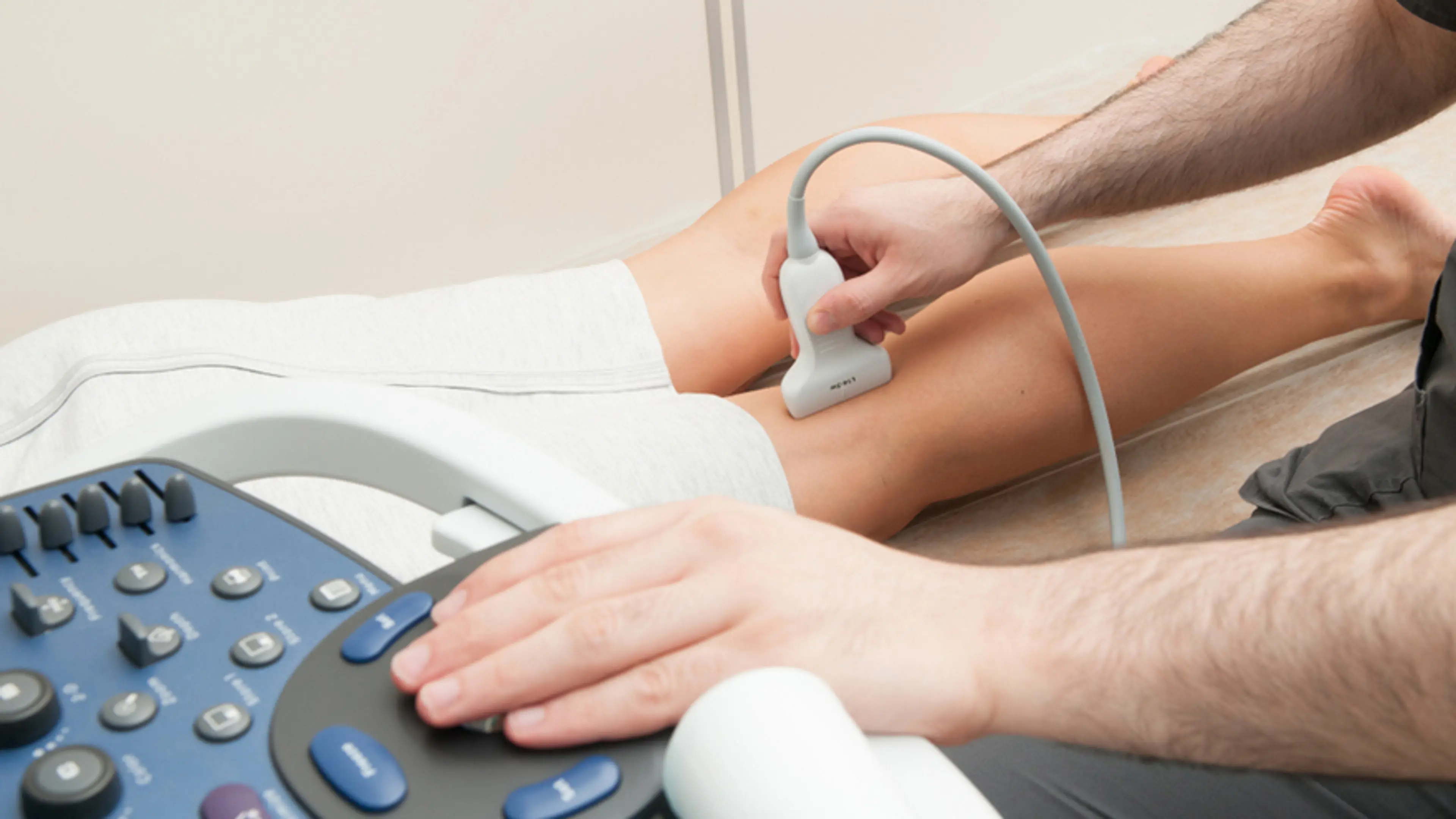
Probe movement — The technologist or doctor gently presses and glides a small handheld device (the transducer) over your leg. You may feel light pressure, especially behind the knee or in the thigh, but not pain.
Position changes — You might be asked to stand, sit, or slightly bend your knee. This helps evaluate blood flow under gravity — crucial for diagnosing varicose veins and venous reflux.
Sound and visuals — You may hear pulsing or whooshing sounds from the machine. That’s your blood moving through your veins — completely normal and actually fascinating to watch.
On average, the test takes 20 to 40 minutes per leg, depending on how detailed the exam needs to be.
Why It’s an Essential Step Before Treatment
why-it's-an-essential-step-before-treatmentIf you’re considering varicose vein treatment, you might wonder why this ultrasound is necessary at all. Can’t a doctor just look at your legs and tell?
Not quite.
Many visible varicose veins are just the surface symptom of deeper venous problems. Without ultrasound, it’s impossible to see what’s happening beneath the skin — where the real source of the issue often lies.
A detailed vein ultrasound helps:
Identify leaking valves that cause blood to pool.
Locate hidden reflux points not visible on the surface.
Differentiate between superficial and deep venous disease.
Rule out blood clots (DVT) before any procedure.
At Charm Vascular Clinic, every treatment plan — whether it’s EVLA, RFA, or VenaSeal™ — starts with this diagnostic step. It ensures we treat the cause, not just the visible veins.
What Patients Often Notice During the Exam
what-patients-often-notice-during-the-exam
To be honest, what surprises most first-time patients is how gentle and detailed the process feels. Many even say it’s oddly relaxing.
However, there are a few moments that might feel slightly odd:
When the probe presses firmly near the groin or behind the knee — this helps assess valve competency.
When you’re asked to briefly “strain” or take a deep breath, allowing the technician to measure how your veins respond to changes in pressure.
When cool gel is applied again if the first layer dries out during the test.
But overall, patients describe the sensation as pressure, not pain. There are no needles, no incisions, and no recovery time. You can walk, drive, and return to normal activities immediately afterward.
What Happens After the Ultrasound
what-happens-after-the-ultrasoundOnce the scan is complete, Dr. Park reviews the images and maps out your venous system. You’ll see clear visuals of your veins and blood flow patterns — a surprisingly eye-opening experience for many patients who finally understand why their legs feel heavy or swollen.
From there, we discuss:
If you’re a candidate for laser ablation (EVLA), radiofrequency ablation (RFA), or medical adhesive closure (VenaSeal™), we’ll design a customized plan — sometimes even the same week.
The Comfort and Precision of Modern Vascular Imaging
the-comfort-and-precision-of-modern-vascular-imagingIn older times, vein evaluation required painful venography — injecting contrast dye into veins for X-rays. Thankfully, that era is gone. Today’s duplex ultrasound offers superior accuracy without pain, radiation, or injection.
At Charm Vascular Clinic, we’ve refined this further with:
High-frequency linear probes for clearer imaging of even small superficial veins.
Real-time reflux mapping to plan treatment precisely.
Patient-centered scanning protocols, ensuring comfort and efficiency.
For example, patients with sensitive skin or post-surgery scars often worry about discomfort — but with modern ultrasound techniques, we adjust pressure and angles to avoid tenderness entirely.
When to Consider Getting a Vein Ultrasound
when-to-consider-getting-a-vein-ultrasound
You don’t need to wait for bulging veins to appear before getting checked. Early symptoms often include:
Persistent leg heaviness or fatigue, especially after standing.
Swelling around the ankles that worsens by evening.
Cramping, restlessness, or mild throbbing in the legs.
Visible spider veins or subtle skin discoloration.
In Korea, many people ignore these signs until they become severe — but at that point, the condition may require more complex treatment.
A simple ultrasound scan can catch problems early and guide effective, minimally invasive solutions.
What People Often Overlook About Vein Ultrasound
what-people-often-overlook-about-vein-ultrasoundWhat people often overlook is that ultrasound isn’t just for diagnosis — it’s also guidance during treatment.
During procedures like EVLA or RFA, ultrasound imaging helps the doctor guide the laser or catheter precisely into the affected vein, ensuring accuracy while avoiding healthy tissue. That’s why having an experienced vascular specialist — not just a technician — perform and interpret your ultrasound makes such a difference.
At Charm Vascular Clinic, Dr. Insoo Park personally conducts or supervises every diagnostic scan. This ensures every image connects seamlessly to your personalized treatment plan — a level of continuity that larger hospitals sometimes lack.
What to Expect Emotionally: From Anxiety to Reassurance
what-to-expect-emotionally:-from-anxiety-to-reassuranceIf you’ve been living with visible veins or leg discomfort, you might approach your first ultrasound with anxiety. But the moment you see the screen — your blood flow appearing in color, the sound of your circulation echoing — it often replaces worry with clarity.
Understanding what’s happening inside your legs is empowering.
Patients often say, “Now I finally know why my legs feel this way.”
That clarity is the beginning of healing — and for many, the first step toward healthier, lighter legs.
In Summary: No Pain, Just Answers
in-summary:-no-pain-just-answersA vein ultrasound is non-invasive, safe, and painless — an essential part of understanding your vascular health.
At Charm Vascular Clinic, our goal is to make this process as comfortable as possible while providing precise, doctor-led imaging that lays the groundwork for effective, minimally invasive treatment.
If you’ve been struggling with varicose veins, leg swelling, or unexplained heaviness, consider scheduling a vein ultrasound evaluation.
It may be the simplest test you’ll ever have — but one that can transform how your legs feel and function.