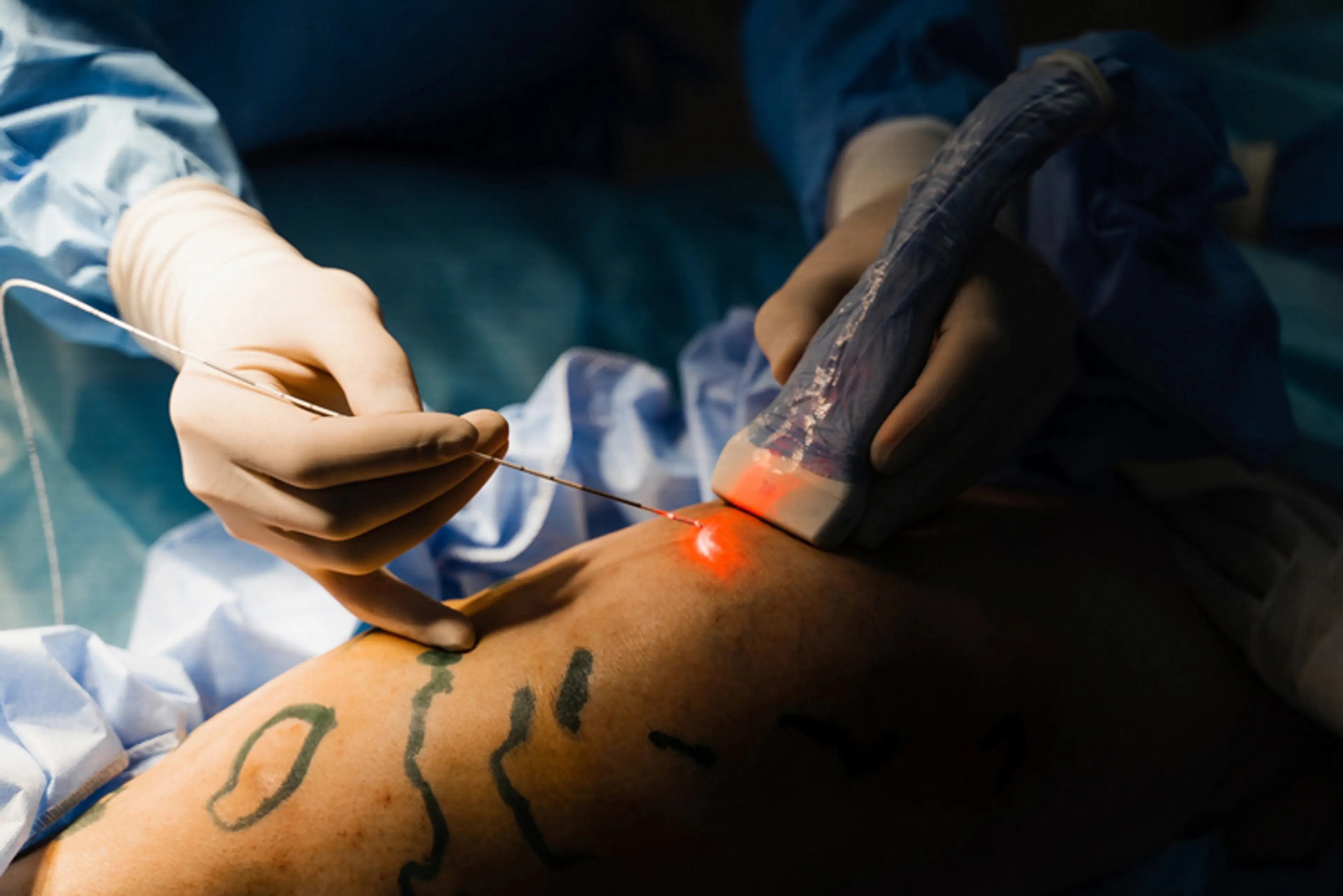
If you’ve ever considered treatment for varicose veins or chronic venous insufficiency, you’ve likely seen terms like endovenous laser ablation (EVLA), radiofrequency ablation (RFA), or VenaSeal™. These fall under the broad umbrella of non‑surgical vein closure — procedures designed to treat dysfunctional veins with minimal incisions and often same‑day recovery.
But here’s the real question that matters to most people:
Is non‑surgical vein closure truly pain‑free? Or is that just clever advertising?
The short answer is: Most patients report minimal discomfort — but the experience varies. Let’s unpack what that really means, why it matters, and what you can expect if you’re considering treatment.
Why Pain Matters (More Than You Think)
why-pain-matters-(more-than-you-think)Pain isn’t just about sensation — it’s about fear, trust, and the emotional story that surrounds medical care.
People come to us at Charm Vascular Clinic having worn compression stockings for years, shuffled through evenings with aching legs, or worried that their veins were a “cosmetic issue” when in fact they were a health problem waiting to worsen. For many, the thought of a procedure — even a minimally invasive one — triggers anxiety.
So when patients ask, “Is it pain‑free?” they’re really asking:
These concerns are real — and medical professionals should answer them honestly.
What “Pain‑Free” Really Means in Vein Treatment
what-"painfree"-really-means-in-vein-treatmentIn the context of vein closure, “pain‑free” doesn’t mean “no sensation whatsoever.” It means:
✔ Very low levels of discomfort
✔ No general anesthesia
✔ No major incisions
✔ Rapid recovery
✔ Patients can usually return to normal activity quickly
It’s about minimally invasive.
But each person’s experience is unique, influenced by:
The type of procedure (EVLA, RFA, VenaSeal™, foam sclerotherapy)
The size and location of the vein
Individual pain sensitivity
Nerve anatomy at the treatment site
Emotional state before the procedure
Let’s break these down.
Types of Non‑Surgical Vein Closure and Sensation
types-of-nonsurgical-vein-closure-and-sensation1. Endovenous Laser Ablation (EVLA)
1.-endovenous-laser-ablation-(evla)EVLA uses laser energy inside the vein to close it. A thin fiber is guided through the vein under ultrasound.
What patients report:
A pressure or tugging sensation during lidocaine (local anesthesia) injection
Mild warmth along the vein as energy is delivered
Most describe it as uncomfortable but tolerable
A few report cramp‑like sensations
Some say:
“It felt like strong massage pressure — not sharp pain.”
Others:
“I felt warmth and slight pulling, but it was over quickly.”
2. Radiofrequency Ablation (RFA)
2.-radiofrequency-ablation-(rfa)RFA uses radiofrequency energy (like a controlled, gentle heat) to seal the vein.
Patient experiences:
Similar to EVLA, with slightly less pronounced warmth
Many say it feels like pressure and localized heat
Often perceived as less intense than laser
3. VenaSeal™ (Medical Adhesive)
3.-venasealtm-(medical-adhesive)VenaSeal uses a specialized medical glue to close the vein.
What people report:
Minimal to no heat sensation
Pressure during adhesive delivery
Many patients describe this as the least uncomfortable procedure, largely because there’s no thermal energy
4. Ultrasound‑Guided Foam Sclerotherapy
4.-ultrasoundguided-foam-sclerotherapy
This involves injecting a foam into the vein to irritate and close it.
Patient feedback:
Mild to moderate discomfort during injection
Sensation of fullness or pressure
Some transient cramping afterward
What Happens During the Procedure
what-happens-during-the-procedureTo truly understand pain, it helps to visualize the steps.
First — Local Anesthesia
first-local-anesthesiaBefore any energy, injections, or glue:
The provider numbs the area with local anesthesia (lidocaine)
This is where most of the discomfort happens
A quick series of small injections is used along the vein
Most patients say things like:
“The numbing was the worst part — like many small pinches.”
But the important thing is: it’s brief and intentional — not therapeutic pain.
During the Vein Closure
during-the-vein-closureOnce anaesthetized:
You should feel pressure, stretching, or warmth
You shouldn’t feel sharp pain
Mild discomfort is common; significant pain is not
Some physicians offer distraction techniques like:
Music
Breathing exercises
Conversation
These aren’t just “nice touches” — they reduce perceived pain by shifting focus.
After the Procedure
after-the-procedurePost‑procedure sensations include:
These usually resolve within a few days.
Real Patient Stories (Anonymous and Honest)
real-patient-stories-(anonymous-and-honest)Here’s what actual patients report — real words, real experiences.
Story A — Middle‑Aged Office Worker
story-a-middleaged-office-worker“I was nervous — I thought they’d be cutting me open. During the numbing, it pinched. During the procedure, I felt pressure and slight warmth, but I was chatting with the doctor the whole time. Afterward, a bit sore, but I walked right to lunch.”
Story B — Active Retiree
story-b-active-retiree“I chose VenaSeal because I heard it’s gentler. And it was. I felt a bit of pushing and glue delivery, but no pain. Maybe a 2/10 at worst.”
Story C — Younger Runner
story-c-younger-runner“EVLA didn’t hurt like I expected. I was bracing for pain, but it was more like strong pressure and warmth. That night I felt tightness, but by the next day I was jogging lightly.”
These are common themes — pressure, warmth, brief discomfort, and minimal pain.
Why Some People Do Feel More Pain
why-some-people-do-feel-more-painA minority of patients report stronger sensations. Reasons include:
1. Anatomy & Nerve Proximity
1.-anatomy-and-nerve-proximityIn places where nerve fibers lie close to the treated vein (like behind the knee), people can feel stronger sensations.
2. Anxiety and Focus
2.-anxiety-and-focusPain perception isn’t just physical — it’s emotional.
People thinking, “This will hurt!” tend to feel more discomfort.
Your brain’s pain pathways are real — and they respond to expectation.
A calm, informed patient generally reports less perceived pain.
3. Poor Numbing Technique
3.-poor-numbing-techniqueThis is why experience matters.
At premier vascular centers like Charm Vascular Clinic, we carefully administer local anesthesia before any therapeutic step — because good anesthesia = minimal sensation.
After‑Procedure Pain: What to Expect
afterprocedure-pain:-what-to-expect
Most discomfort happens after the procedure, not during.
Typical experiences:
Mild aching or soreness along the treated vein
Bruising (normal, temporary)
Tenderness with pressure (e.g., touching the leg)
Tightness or cramping (like after a deep tissue massage)
These are usually manageable without opioids.
Most patients use:
✔ Over‑the‑counter pain relief (e.g., acetaminophen)
✔ Compression stockings
✔ Light walking
✔ Rest as needed
Severe pain after these procedures is unusual and merits prompt medical evaluation.
Before the Procedure: How to Prepare to Minimize Pain
before-the-procedure:-how-to-prepare-to-minimize-painHere are evidence‑based, practical steps that patients consistently find helpful:
1. Ask Questions Beforehand
1.-ask-questions-beforehandKnowing what will happen — step by step — reduces fear and decreases pain perception.
2. Wear Comfortable Clothing
2.-wear-comfortable-clothingLoose trousers and easy shoes make aftercare easier.
3. Stay Hydrated and Eat Normally
3.-stay-hydrated-and-eat-normallyLow blood sugar and dehydration can heighten discomfort.
4. Bring Distraction Tools
4.-bring-distraction-toolsMusic, podcasts, or a friend for moral support go a long way.
Aftercare That Reduces Pain
aftercare-that-reduces-painGood aftercare isn’t optional — it shapes your comfort and recovery.
Walking — gentle but deliberate — improves circulation and reduces soreness.
Compression stockings — worn as directed — help with swelling and discomfort.
Avoid long standing or sitting without breaks.
💡 Most people feel back to daily life within 24–48 hours.
What Medical Research Says
what-medical-research-saysMedical studies on EVLA, RFA, and VenaSeal generally show:
High rates of patient satisfaction
Low levels of procedural pain
Minimal need for strong painkillers
Quick return to daily activities
In trials comparing laser vs. radiofrequency vs. adhesive approaches, pain scores are consistently low across modalities — especially when effective local anesthesia is used.
This reinforces what patients report in clinics around the world: Non‑surgical vein closure is highly tolerable.
When Pain Isn’t Normal
when-pain-isn't-normalIt’s important to distinguish between expected discomfort and red flag pain.
Contact your doctor promptly if you experience:
🚩 Sharp, worsening pain
🚩 Severe swelling or redness
🚩 Fever
🚩 Pain that doesn’t improve after a few days
🚩 Numbness or tingling that persists
These could indicate complications like infection or nerve irritation — rare, but important to catch early.
The Emotional Side of Pain
the-emotional-side-of-painWhat people rarely talk about is fear before care.
Many patients tell us:
“I worried more about pain than the condition itself.”
And that anxiety worsened the sensations they expected to feel.
Medical care should address both physical and emotional comfort — especially for treatments involving needles, energy, and sensitive areas.
So Is Non‑Surgical Vein Closure “Pain‑Free”?
so-is-nonsurgical-vein-closure-"painfree"Yes — for most patients.
No — not in the sense of zero sensation.
It’s better described as:
✔ Minimally painful
✔ Well‑controlled with local anesthesia
✔ Short‑lasting
✔ Likely less uncomfortable than you imagine
Most people walk out saying things like:
“It wasn’t as bad as I thought.”
“I would do it again.”
“I could work the next day.”
That’s real patient experience — grounded in clinical reality, not marketing promises.
Final Thoughts: What You Should Take Away
final-thoughts:-what-you-should-take-awayIf you’re reading this because you’re considering vein closure, here’s what I want you to remember:
Pain is real, but manageable. It’s usually brief and mild with modern non‑surgical techniques.
Local anesthesia matters. A skilled provider can make the difference.
Your expectations shape your experience. Being informed reduces perceived discomfort.
Recovery is quick. Most people are back to routine life within a day or two.
If you’ve been struggling with varicose veins or symptoms like leg heaviness, aching, or swelling, and you’re worried about pain — you’re not alone. But with the right care, most patients find that the procedure itself is much easier than living with the problem.