Home / Articles
Is Surgical Varicose Vein Removal Right for You? Take Our Quiz
Home / Articles
Is Surgical Varicose Vein Removal Right for You? Take Our Quiz
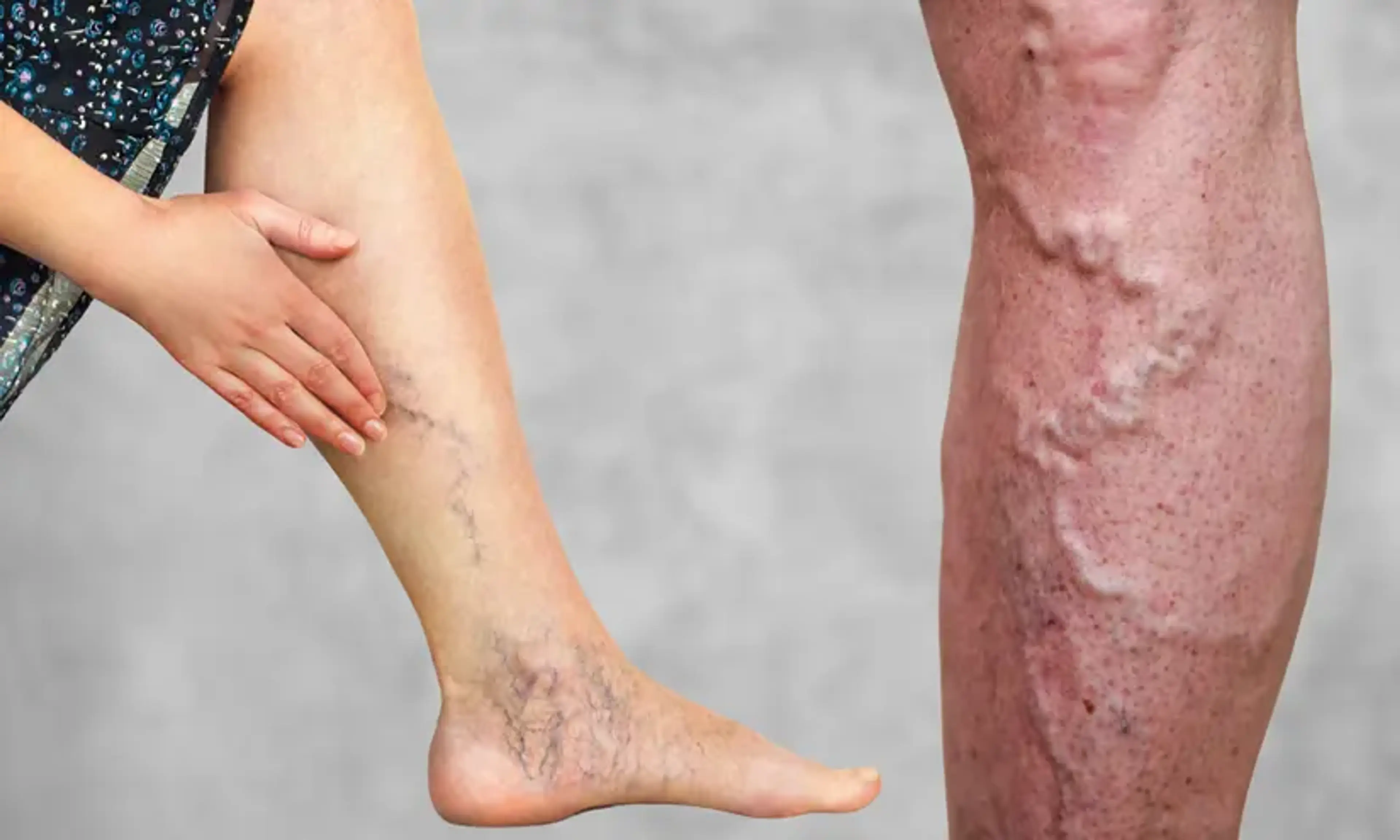
Varicose veins are twisted, enlarged veins that often appear on the legs and feet, causing both cosmetic concerns and physical discomfort. While some individuals experience mild symptoms, untreated varicose veins can worsen over time, leading to pain, swelling, and serious complications such as chronic venous insufficiency (CVI). The condition occurs when the valves inside veins become weak or damaged, causing blood to pool and veins to bulge.
Although varicose veins may initially be painless, they can lead to further issues such as skin changes, ulcers, and leg swelling. Individuals at higher risk include those with a family history of venous disease, people who sit or stand for extended periods, and pregnant individuals.
While conservative treatments like compression stockings and lifestyle changes can help in the early stages, more advanced cases may require surgical intervention. This article, along with a helpful quiz, will help you assess if surgical treatment is the right option for you.
Many individuals overlook varicose veins, thinking they are just a cosmetic issue. However, as symptoms progress, these veins can cause significant discomfort and may even lead to further complications. If you experience symptoms such as aching, burning, cramping, or itching near varicose veins, these could be signs of chronic venous insufficiency (CVI), which affects blood flow in the legs.
Other symptoms to be aware of include:
Swelling in the legs after prolonged standing
Skin discoloration, such as brown or reddish patches
The appearance of open sores near the ankles
These symptoms are not just visual issues—they indicate that the veins are no longer functioning properly. If you experience persistent discomfort, non-invasive treatments may provide temporary relief, but surgery could be necessary if the condition worsens or interferes with daily life.
Recognizing when it’s time to take action is crucial. Delaying treatment could lead to more severe complications, which is why this quiz is a great first step to help you determine if it’s time to consult a vein specialist.
Surgical varicose vein removal involves procedures to remove damaged veins from the legs when non-invasive options are ineffective. The most common surgical methods are vein stripping and ambulatory phlebectomy. These techniques target large, dysfunctional veins, restoring normal blood flow and reducing symptoms.
These surgical treatments are often recommended for patients with advanced symptoms or those who have recurrent varicose veins. While modern treatments like sclerotherapy and VenaSeal™ are effective for smaller veins, surgery remains a vital option for more severe cases.
At leading centers like Charm Vascular Clinic, a variety of surgical techniques are tailored to each patient’s specific needs and vein condition.
Each technique is selected based on the size, location, and severity of the varicose veins, and a duplex ultrasound is essential for accurate diagnosis before treatment.
If you're wondering whether surgery is right for you, take this short quiz to assess your symptoms and potential risk level.
Do your legs ache, throb, or feel heavy after standing or sitting?
Have you noticed bulging, twisted veins on your legs?
Do your symptoms interfere with daily activities or sleep?
Have you tried compression stockings or other treatments with little relief?
Do you experience leg swelling, skin discoloration, or ulcers?
Have your varicose veins worsened over time?
Is there a family history of vein problems?
Surgical varicose vein removal offers long-term relief and improvement in both symptoms and appearance. Here's what patients often experience:
Though recovery time is typically longer than with non-surgical options, such as laser or adhesive treatments, the results are often more dramatic and lasting.
As with any surgical procedure, there are potential risks. However, complications are rare, especially when performed by skilled specialists. Common risks include:
Choosing an experienced clinic, such as Charm Vascular Clinic, can minimize risks and ensure optimal outcomes.
However, for larger or deeper veins, surgical methods may be necessary to achieve lasting results.
While many people choose non-invasive treatments, surgical varicose vein removal remains a crucial option for individuals with more severe cases. It’s important to seek a professional evaluation from a vein specialist to determine the best treatment for your condition. With proper diagnosis, surgery can offer lasting relief, improve your quality of life, and restore the appearance of your legs.