Home / Articles
Lifestyle Changes That Can Improve Varicose Veins Naturally
Home / Articles
Lifestyle Changes That Can Improve Varicose Veins Naturally
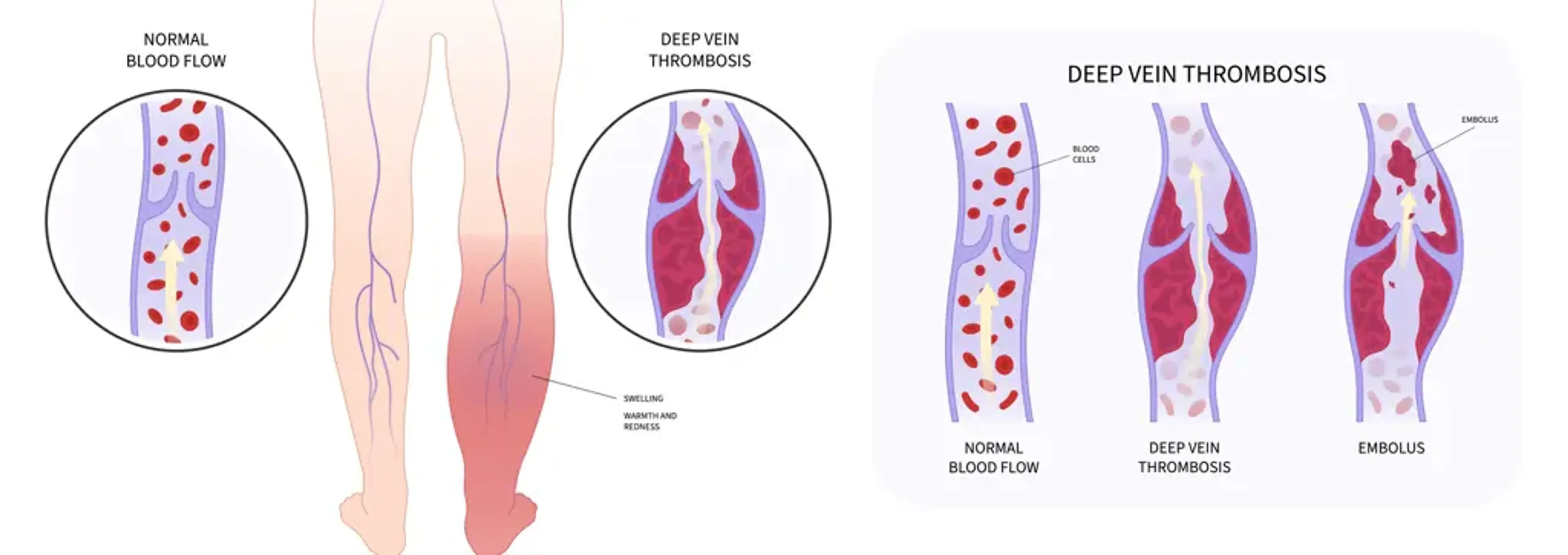
Varicose veins occur when veins, typically in the legs, become enlarged and twisted. The condition arises due to weakened or damaged valves within the veins, which allow blood to flow backward and pool in the veins. This causes the veins to stretch and bulge.
Physical activity plays a crucial role in preventing and managing varicose veins. Regular exercise, like walking or cycling, improves circulation and strengthens leg muscles, helping blood flow more efficiently and reducing the pressure on veins.
Simple leg exercises such as calf raises, leg lifts, and ankle rotations can help maintain healthy veins. These exercises target the muscles surrounding the veins, providing better support and improving blood circulation.
Incorporating more movement into your day, such as walking or taking the stairs, can reduce the risk of varicose veins. Consistent activity encourages better blood flow, preventing blood from pooling in the legs.
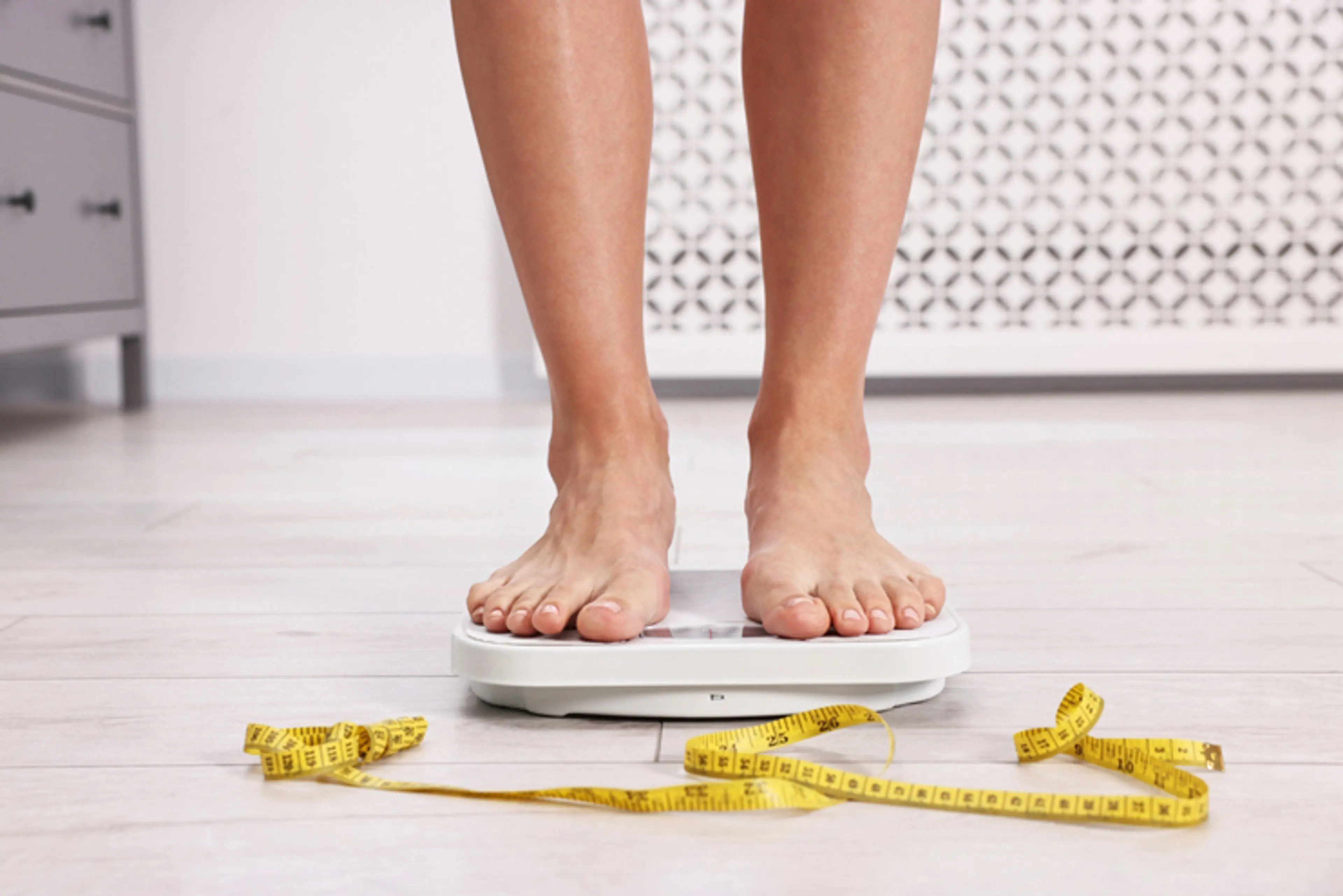
Carrying excess weight increases pressure on the veins, particularly in the legs, which can lead to varicose veins. The added strain on the veins makes it harder for blood to circulate, contributing to vein enlargement and discomfort.
Elevating the legs above the heart level encourages blood to flow back toward the upper body, reducing the pooling of blood in the lower extremities. This can relieve discomfort and swelling associated with varicose veins.
Elevating the legs can be done by lying down and propping your legs up on pillows or using a specialized leg rest. Aim to elevate your legs for 15-30 minutes several times a day, particularly after prolonged sitting or standing.
Compression stockings are specially designed garments that apply gentle pressure to the legs, improving blood flow and reducing swelling. By helping veins to return blood toward the heart, they prevent the worsening of varicose veins and relieve symptoms such as aching and heaviness in the legs.
Compression stockings are beneficial for those with varicose veins, as they help reduce discomfort and prevent further vein enlargement. They are available in various pressure levels, ranging from mild to strong, depending on the severity of the condition. Regular use can enhance circulation and provide support during daily activities.
A balanced diet plays a key role in maintaining healthy veins. Anti-inflammatory foods such as leafy greens, berries, and fish rich in omega-3 fatty acids help reduce inflammation in the body, which can be beneficial for vein health. These foods also improve circulation, helping to prevent the progression of varicose veins.
Certain vitamins and minerals are essential for maintaining healthy veins. Vitamin C, for instance, strengthens blood vessel walls and improves circulation, while vitamin E acts as an antioxidant, protecting veins from damage. Zinc and flavonoids are also vital for promoting vein elasticity and reducing swelling. Incorporating these nutrients into your diet can support long-term vein health.
Drinking enough water is crucial for maintaining healthy blood flow and reducing the risk of vein problems. Proper hydration helps thin the blood, making it easier for it to circulate through the veins. Dehydration can lead to thicker blood, which increases the pressure on veins and can exacerbate varicose veins.
While water needs vary depending on individual factors, a general guideline is to aim for 8 glasses (about 2 liters) of water per day. If you are physically active or in a hot climate, you may need to drink more to stay hydrated. Avoid excessive consumption of caffeinated beverages or alcohol, as they can contribute to dehydration.
Prolonged sitting or standing can impede blood circulation, leading to poor venous return and increasing the risk of varicose veins. When you remain in one position for too long, blood can pool in the lower legs, putting pressure on the veins and contributing to vein damage over time.
To counteract the effects of prolonged inactivity, it’s essential to take regular breaks. If you sit for long periods, stand up, stretch, or walk around every 30 minutes. If you stand for extended hours, try shifting your weight between legs and perform small movements like calf raises or ankle rotations to encourage blood flow.
Herbal remedies have been used for centuries to support vein health, with some herbs demonstrating promising benefits for varicose veins. Horse chestnut extract is one of the most studied herbs for improving circulation and reducing swelling. It contains a compound called aescin, which strengthens the walls of veins and improves blood flow, helping to relieve discomfort and swelling associated with varicose veins.
If you're considering supplements, it's important to follow the recommended dosages and consult a healthcare provider to ensure they’re safe for your specific health needs.
Chronic stress can have a significant negative effect on your vascular health. When stressed, your body produces hormones like cortisol that can constrict blood vessels, impairing circulation and increasing the risk of blood pooling in the veins. Over time, this can exacerbate varicose veins and lead to further complications such as leg cramps, swelling, and discomfort.
Wearing tight clothing or footwear that restricts blood flow can aggravate existing varicose veins or increase the likelihood of developing them. For example, tight jeans or leggings can compress the veins in the legs, making it harder for blood to flow upward toward the heart. Similarly, shoes with high heels or poor arch support can place undue pressure on your legs and exacerbate vein problems.
Regular leg massages can do wonders for improving circulation and easing the symptoms of varicose veins. A gentle massage promotes the movement of blood and lymph fluid, reducing swelling and improving blood flow. Massaging the legs helps to break up the tension in the muscles and soft tissues, providing relief from discomfort and heaviness in the legs.
For a simple leg massage at home, begin by sitting in a comfortable position and using your hands to gently knead the calves and thighs. Use long, smooth strokes, always moving upward toward the heart. Applying a light lotion or essential oils can make the process more enjoyable and effective. If you're looking for a deeper massage, consider using a foam roller or a handheld massager to target specific areas of tension in the legs.
Getting enough restful sleep is crucial for overall health, including the health of your veins. When you sleep, your body has the opportunity to repair itself and recover from daily stressors. Lack of sleep can increase inflammation in the body and reduce the body’s ability to manage blood flow effectively. This can lead to increased pressure on veins, potentially exacerbating the symptoms of varicose veins.
The way you sleep also plays a role in vein health. Lying on your back with your legs elevated slightly (using pillows under your legs) can help promote better circulation while you rest. This position helps reduce pressure in your lower legs and encourages blood to flow more easily back toward your heart. If you tend to sleep on your side, try placing a pillow between your knees to keep your legs aligned and minimize pressure on your veins. The key is to avoid sleeping in positions that might compress or restrict blood flow in your legs.
The effectiveness of lifestyle changes for managing varicose veins depends on consistency and long-term commitment. Keeping track of your progress can help you stay motivated and notice improvements over time. A simple journal can help you monitor daily habits such as exercise, diet, leg elevation, and hydration. Documenting how your legs feel—whether you're experiencing less swelling or discomfort—can serve as a reminder of the benefits of your efforts.
Adopting healthy habits to improve varicose veins requires patience. Whether it’s daily exercise, maintaining a balanced diet, or wearing compression stockings, it’s important to stick with these habits consistently. Over time, the benefits will accumulate, and you’ll likely see noticeable improvements in the appearance and symptoms of your varicose veins. It’s also helpful to have a support system, such as a friend or family member, who can encourage and remind you to keep up with your routine.
If your symptoms worsen or don’t improve despite making lifestyle changes, it may be time to consult with a healthcare professional to explore other treatment options.
Our clinic takes a comprehensive approach to vein health, starting with a detailed consultation to understand your individual condition. We combine lifestyle recommendations with the latest treatments and technologies to offer effective, long-lasting results. With over 30,000 patients treated, Charm Vascular Clinic is a leader in minimally invasive vascular care in the Seoul-Gyeonggi area. Our team of highly skilled professionals is dedicated to ensuring that you receive the best possible care in a comfortable and welcoming environment.