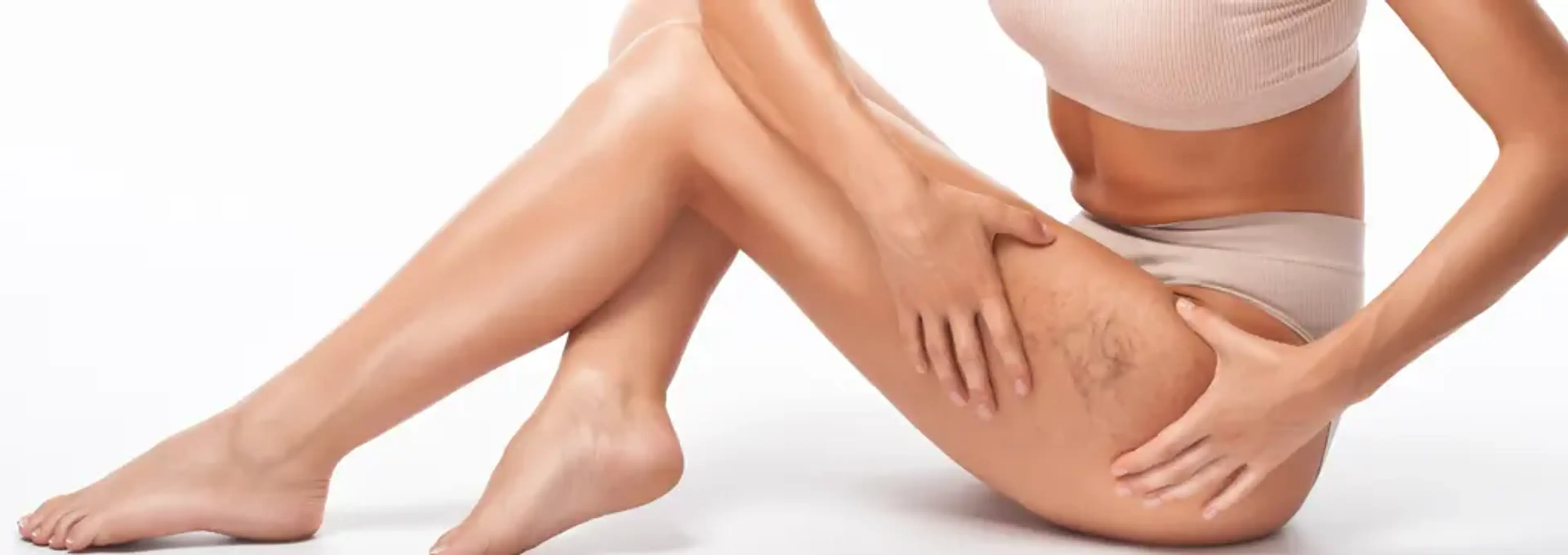
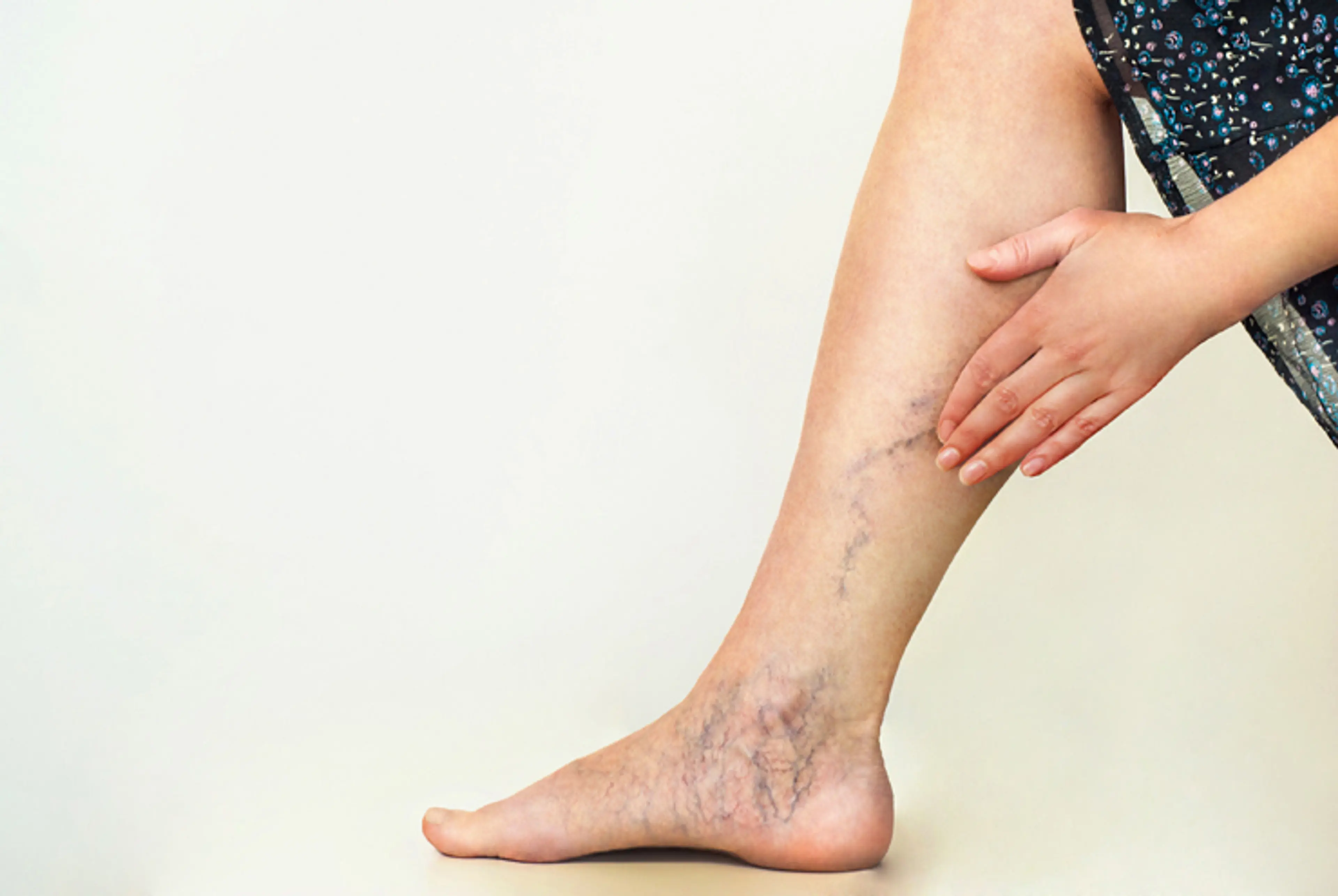
What Are Varicose Veins?
what-are-varicose-veinsVaricose veins are swollen, twisted veins that appear near the surface of the skin, often in the legs. These veins become enlarged due to poor circulation and weakened vein walls, making it difficult for blood to flow properly. Normally, veins have one-way valves that prevent blood from flowing backward, but in individuals with varicose veins, these valves fail. This causes blood to pool in the veins, resulting in their characteristic bulging appearance.
While varicose veins are typically a cosmetic concern, they can also lead to more serious symptoms. Common signs include a heavy or aching sensation in the legs, visible veins that are dark purple or blue, swelling in the lower legs, and even ulcers or skin changes in severe cases. For some individuals, varicose veins can cause discomfort and pain that significantly affect daily life.
These veins are quite common, particularly in individuals over the age of 50, but can also develop during pregnancy or due to prolonged periods of standing or sitting. In fact, nearly 30% of adults worldwide are affected by
varicose veins to some extent. The condition is more prevalent in women, with hormonal changes being a contributing factor.
Traditional Treatments for Varicose Veins
traditional-treatments-for-varicose-veinsFor many individuals with varicose veins, the condition can be managed through a variety of treatments designed to alleviate symptoms, prevent worsening of the veins, and improve circulation.
Compression Therapy is often the first line of treatment for varicose veins. Compression stockings work by gently squeezing the veins in the legs, helping to improve blood flow and reduce swelling. These stockings come in different strengths, and patients are advised to wear them throughout the day, particularly while standing or walking.
Sclerotherapy is another common treatment, involving the injection of a solution into the affected veins that causes them to collapse and eventually fade. This non-surgical procedure is typically used for smaller varicose veins or spider veins.
For larger veins, more advanced techniques such as Endovenous Laser Ablation (EVLA) are often recommended. EVLA uses laser energy to close off the problematic vein, rerouting blood flow to healthier veins. Radiofrequency Ablation (RFA) works similarly to EVLA but uses radiofrequency energy. These minimally invasive methods are highly effective and require only local anesthesia.
For patients with more severe varicose veins, VenaSeal™ is a revolutionary treatment that uses medical adhesive to seal the vein shut. This is a non-surgical, FDA-approved procedure that offers a quick recovery time and minimal discomfort.
At
Charm Vascular Clinic, we offer these
advanced treatments, providing customized care tailored to each patient’s unique needs. Led by Dr. Insoo Park, our team specializes in minimally invasive vascular treatments, achieving outstanding outcomes for over 30,000 patients. Whether through laser therapies or VenaSeal™, we are committed to helping our patients find the most effective solution for their condition.
What is Massage Therapy?
what-is-massage-therapyMassage therapy has been used for centuries to promote relaxation, relieve muscle tension, and improve circulation. Various forms of massage can be beneficial, including Swedish massage, deep tissue massage, and manual lymphatic drainage (MLD). Each of these techniques targets different aspects of the body’s muscular and circulatory systems, and many people turn to them as an alternative or complementary treatment for various health conditions.
The principle behind massage therapy for varicose veins lies in its ability to improve blood flow. By manipulating the soft tissues in the legs, massage therapy is believed to help stimulate circulation, reduce swelling, and alleviate the discomfort caused by venous insufficiency. Lymphatic drainage, in particular, is often used to help reduce fluid retention and improve overall venous return.
While massage therapy can be relaxing and soothing, it is important to understand that its effects on varicose veins are largely temporary. Unlike medical treatments that address the underlying causes of varicose veins, massage therapy typically provides symptomatic relief and cannot treat the condition at its core. However, many people find it to be a helpful part of a broader strategy for managing their vein health.
How Does Massage Therapy Work for Varicose Veins?
how-does-massage-therapy-work-for-varicose-veinsMassage therapy works by promoting better blood circulation and reducing fluid retention in the legs. When veins become enlarged and blood flow is compromised, the pressure on the veins increases, leading to discomfort, swelling, and the classic symptoms of varicose veins. Massage helps address this by encouraging the movement of blood back toward the heart, thus reducing the pressure in the veins.
Improved Circulation:
improved-circulation:Massage techniques such as deep tissue massage and Swedish massage can encourage blood flow to the legs. By applying targeted pressure, the therapist can help move stagnant blood and improve venous return, especially in areas where the veins have become enlarged and swollen. This can provide relief from the sensation of heaviness or tiredness in the legs.
Reduced Swelling:
reduced-swelling:Swelling in the legs often accompanies varicose veins, especially if there is fluid buildup due to poor circulation. Manual lymphatic drainage (MLD) is a specific type of massage that aims to assist the lymphatic system in draining excess fluid from the tissues. By gently massaging specific areas of the body, MLD may help reduce swelling in the legs and ankles, thus alleviating some of the discomfort associated with varicose veins.
Relieving Pain and Discomfort:
relieving-pain-and-discomfort:While massage therapy cannot treat the root cause of varicose veins, it can offer short-term relief from the pain and discomfort they cause. By reducing muscle tightness and improving circulation, massage therapy can ease the aching or burning sensations often reported by patients with varicose veins. Additionally, massage can have a calming effect on the body, helping to reduce stress and enhance overall well-being.
However, it’s important to remember that massage therapy should be used as part of a comprehensive treatment plan and not as a stand-alone solution. While it may provide temporary relief, it does not address the underlying vein problem. For lasting results, medical treatments such as those offered at Charm Vascular Clinic are necessary.
Scientific Evidence: Does Massage Help or Hype?
scientific-evidence:-does-massage-help-or-hypeWhile massage therapy is often praised for its ability to alleviate symptoms associated with varicose veins, the scientific evidence supporting its effectiveness is still limited. A few studies have investigated the role of massage in improving circulation and reducing symptoms like swelling and pain, but there is a lack of large-scale, randomized clinical trials that specifically address the long-term benefits of massage for varicose veins.
One study published in the Journal of Vascular Surgery suggested that massage therapy could have a short-term positive effect on circulation and swelling in patients with varicose veins. However, the research also emphasized that the results were not long-lasting and that massage could not replace more proven medical treatments such as sclerotherapy or laser ablation. Similarly, another study found that while massage therapy improved comfort and leg fatigue in patients with varicose veins, it did not reduce the underlying vein pathology.
Overall, massage therapy may provide temporary relief from the symptoms of varicose veins, particularly in terms of reducing swelling and alleviating pain. However, it is not a cure for the condition and should be considered a complementary treatment rather than a primary option. As with any alternative therapy, it's important for patients to manage expectations and understand that massage is best used in conjunction with medical treatments provided by healthcare professionals.
Benefits of Massage Therapy for Varicose Veins
benefits-of-massage-therapy-for-varicose-veinsDespite the lack of definitive scientific proof, many individuals with varicose veins report experiencing significant relief from massage therapy. Below are some of the potential benefits:
Improved Circulation:
improved-circulation:By manually stimulating the soft tissues, massage can help enhance blood flow in the legs, which is crucial for people with varicose veins. When blood pools in the veins, it leads to swelling and discomfort. Massage can help move blood back toward the heart, alleviating some of this pressure. For those who experience tired or heavy legs, massage may promote a feeling of lightness and relief.
Reduced Swelling:
reduced-swelling:Swelling in the legs is a common symptom of varicose veins, caused by fluid retention due to poor circulation. Techniques such as manual lymphatic drainage (MLD) are designed to gently move excess fluid out of the legs, helping to reduce swelling and puffiness. MLD is particularly beneficial for patients with more advanced venous insufficiency, as it supports the lymphatic system and encourages the removal of fluid buildup.
Pain and Discomfort Relief:
pain-and-discomfort-relief:Varicose veins can cause aching, burning, or throbbing pain in the legs. Massage therapy can relieve some of this discomfort by relaxing tight muscles and promoting a sense of relaxation. While it may not address the root cause of varicose veins, massage can provide short-term pain relief, making it easier for patients to go about their day-to-day activities.
Psychological Benefits:
psychological-benefits:Massage therapy has been shown to have mental health benefits as well. For those who feel self-conscious about the appearance of their varicose veins, massage therapy can improve body image and boost overall mood. The calming nature of massage can also reduce stress and anxiety, which is important for individuals coping with chronic conditions.
While the relief offered by massage is typically temporary, it can still significantly enhance quality of life, particularly when combined with other treatments aimed at addressing the underlying vascular issues.
Risks and Considerations: Is Massage Safe for Varicose Veins?
risks-and-considerations:-is-massage-safe-for-varicose-veinsWhile massage therapy is generally considered safe for most individuals, there are certain risks and considerations, especially for those with more severe varicose veins. It’s important for patients to take the following factors into account:
Bruising or Further Damage:
bruising-or-further-damage:In cases where varicose veins are particularly large or swollen, aggressive massage techniques may cause bruising or exacerbate the condition. Applying excessive pressure on the veins could potentially lead to further vein damage, which is why it’s important to choose a skilled, trained therapist who is familiar with the anatomy of varicose veins.
Blood Clots:
blood-clots:For individuals with a history of deep vein thrombosis (DVT) or those at risk for blood clots, massage should be approached with caution. If there is a chance that a clot could be present in the veins, massaging the affected area could potentially dislodge the clot, leading to serious complications. Patients should always consult with their healthcare provider before undergoing massage therapy if they have any concerns about blood clots.
Appropriateness for Severe Cases:
appropriateness-for-severe-cases:Massage may not be appropriate for individuals with severe varicose veins, particularly those who experience significant pain, skin ulcers, or signs of venous stasis. In these cases, more advanced medical treatments such as laser ablation or sclerotherapy are often required to manage the condition effectively. Massage therapy should be seen as a complementary option for mild to moderate cases, rather than a solution for advanced venous insufficiency.
Consulting a Healthcare Provider:
consulting-a-healthcare-provider:As with any therapy, it is vital that patients with varicose veins speak with their healthcare provider before incorporating massage into their treatment plan. A vascular specialist, like Dr. Insoo Park at Charm Vascular Clinic, can offer guidance on the best treatments based on the severity of the condition and the patient’s individual health needs. In some cases, massage can be a helpful adjunct, but in other cases, it may not be appropriate or effective.
Other Alternative Treatments for Varicose Veins
other-alternative-treatments-for-varicose-veinsMassage therapy is just one of many alternative treatments that people with varicose veins may explore. However, it is essential to understand that while these therapies can help alleviate symptoms, they do not address the underlying vein issues. Here are a few other alternative options:
Herbal Remedies:
herbal-remedies:Some individuals with varicose veins turn to herbal supplements such as horse chestnut extract, gotu kola, or grape seed extract, all of which are believed to improve circulation and reduce inflammation. While some small studies have suggested potential benefits, the evidence is not conclusive. Always consult with a healthcare provider before starting any new supplement, as they may interact with other medications.
Dietary Changes:
dietary-changes:Maintaining a healthy diet can play a role in managing varicose veins. Diets rich in antioxidants, fiber, and anti-inflammatory foods may help reduce inflammation and improve circulation. Additionally, maintaining a healthy weight can relieve pressure on the veins, which is particularly important for preventing further vein damage.
Acupuncture:
acupuncture:Some people with varicose veins turn to acupuncture to alleviate pain and promote circulation. Though more research is needed, acupuncture has been used traditionally to improve the flow of energy (or qi) throughout the body and may help with the symptoms of varicose veins by reducing inflammation and improving blood flow.
Compression Therapy:
compression-therapy:Aside from massage, compression stockings remain one of the most effective non-invasive treatments for varicose veins. These stockings gently compress the legs, helping to improve blood flow and reduce swelling. They are often recommended by doctors as part of a comprehensive treatment plan.
While alternative therapies can offer relief, they should be viewed as complementary to more conventional medical treatments like those available at Charm Vascular Clinic, which specializes in advanced, minimally invasive vein procedures such as Endovenous Laser Ablation (EVLA) and VenaSeal™. Combining professional treatments with lifestyle changes and complementary therapies can offer patients the best chance at managing their varicose veins effectively.
How Charm Vascular Clinic Can Help
how-charm-vascular-clinic-can-helpAt
Charm Vascular Clinic, we offer advanced, minimally invasive treatments for varicose veins, led by our expert,
Dr. Insoo Park. Our clinic specializes in procedures such as
Endovenous Laser Ablation (EVLA) and
VenaSeal™, which provide long-lasting results with minimal discomfort and quick recovery. These treatments target the underlying causes of varicose veins, offering lasting relief from symptoms such as pain, swelling, and visible veins.
Massage therapy, while helpful for temporary relief, should be viewed as a complementary treatment. For those seeking comprehensive solutions to varicose veins, Charm Vascular Clinic’s expert team ensures a tailored treatment plan for each patient, addressing their unique needs for optimal results.
Can Massage Therapy Be Combined with Professional Treatments?
can-massage-therapy-be-combined-with-professional-treatmentsMassage therapy can be a helpful adjunct to professional varicose vein treatments, but it is not a substitute for medical care. For example, after undergoing sclerotherapy or EVLA, patients may find massage beneficial for reducing swelling and improving circulation during recovery. However, massage should be done gently and with caution to avoid exacerbating vein damage.
Always consult with your vascular specialist to ensure that massage therapy complements your treatment plan. Combining professional treatments with massage and lifestyle changes can offer the best results for managing varicose veins and improving circulation.
Patient Testimonials: Real-Life Experiences with Massage for Varicose Veins
patient-testimonials:-real-life-experiences-with-massage-for-varicose-veinsMany patients at
Charm Vascular Clinic report experiencing significant relief from varicose vein symptoms after medical treatments like
VenaSeal™ or
sclerotherapy, with some incorporating massage therapy as part of their recovery plan. For example, one patient shared that regular massage therapy helped reduce swelling and provided comfort during their recovery from EVLA.
While massage therapy doesn’t cure varicose veins, many find it enhances their comfort and quality of life, especially when combined with professional treatments. These experiences highlight the importance of a multi-faceted approach to vein care.
FAQs: Common Questions About Massage Therapy for Varicose Veins
faqs:-common-questions-about-massage-therapy-for-varicose-veinsIs massage therapy effective for treating varicose veins?
is-massage-therapy-effective-for-treating-varicose-veinsMassage can temporarily alleviate symptoms like swelling and pain, but it doesn’t treat the underlying cause of varicose veins.
Can massage prevent varicose veins from getting worse?
can-massage-prevent-varicose-veins-from-getting-worseMassage may help reduce discomfort, but it won’t stop varicose veins from progressing. Professional treatments are necessary to address the root cause.
How often should I get a massage for varicose veins?
how-often-should-i-get-a-massage-for-varicose-veinsIt varies by individual. Some people benefit from regular sessions, while others may only need occasional relief. Always consult a healthcare provider for recommendations.
Can massage be done at home or should it be done by a professional?
can-massage-be-done-at-home-or-should-it-be-done-by-a-professionalWhile some simple techniques can be done at home, it’s best to consult a professional, especially for techniques like manual lymphatic drainage (MLD).
Conclusion
conclusionIn conclusion, while massage therapy can provide temporary relief from varicose vein symptoms, it is not a cure. It can help reduce swelling, alleviate pain, and improve circulation, but professional treatments are essential for long-term management. At Charm Vascular Clinic, we offer advanced medical treatments tailored to your needs, combining the latest technology with personalized care.
Massage therapy can be a valuable complement to more effective treatments like EVLA or VenaSeal™, but it should not replace them. For the best outcomes, we recommend discussing your options with a qualified vascular specialist to create a comprehensive plan for managing your varicose veins.