Home / Articles
Skin Darkening & Varicose Veins: What’s Happening to Your Legs?
Home / Articles
Skin Darkening & Varicose Veins: What’s Happening to Your Legs?
Varicose veins are swollen, twisted veins that most commonly appear on the legs. These veins are a result of weakened or damaged valves inside the veins, which cause blood to flow backward and pool, leading to the characteristic bulging appearance. Typically, varicose veins are a cosmetic concern, but they can also be associated with discomfort and more serious health issues.
Several factors contribute to the development of varicose veins. Genetics plays a significant role, as some people inherit weaker vein walls or valves. Lifestyle factors like prolonged standing or sitting, obesity, and aging can also put additional pressure on the veins, increasing the likelihood of vein damage. Pregnancy, hormonal changes, and a sedentary lifestyle are other common risk factors that contribute to varicose veins.
Varicose veins affect both men and women, though they are more prevalent in women due to hormonal influences. As people age, their veins lose elasticity, and vein walls become thinner, making it easier for varicose veins to develop.
In healthy veins, blood flows in one direction toward the heart due to the action of tiny valves. When these valves weaken or become damaged, blood can flow backward, creating a build-up in the veins. This increased pressure causes the veins to enlarge and twist, resulting in the visible varicose veins. Over time, this poor blood circulation can lead to discomfort, swelling, fatigue, and even skin changes.
Skin darkening, medically known as hyperpigmentation, occurs when certain areas of the skin become darker than the surrounding areas. This condition happens when there is an excess production of melanin, the pigment responsible for skin color. While hyperpigmentation is commonly associated with sun exposure or certain medications, it can also result from inflammation or injury to the skin.
Varicose veins can contribute to skin darkening through a process called "venous stasis dermatitis." When blood pools in the veins due to poor circulation, it can cause the red blood cells to leak into the surrounding tissues. This leakage introduces iron, which can stain the skin and lead to dark patches. The pooling of blood can also lead to inflammation in the skin, further contributing to the discoloration.
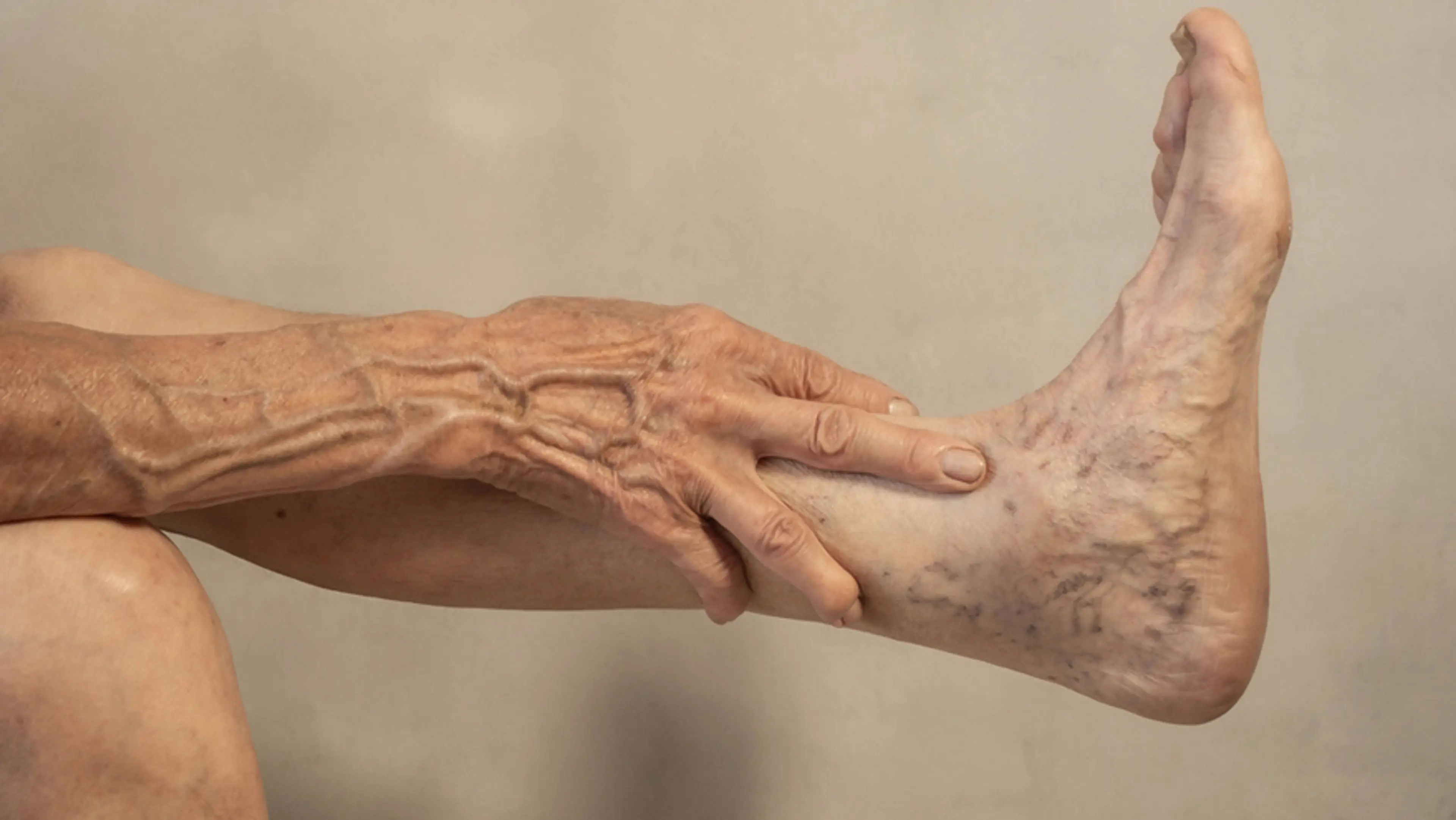
The skin around the varicose veins may start to appear brown or dark purple. This discoloration typically occurs around the lower legs, ankles, and feet, where gravity causes blood to pool most easily. In addition to dark patches, the skin can become dry, flaky, and sometimes even thicker in texture. These changes are often the result of chronic venous insufficiency (CVI), a condition that arises when the veins in the legs cannot efficiently return blood to the heart.
Venous stasis dermatitis typically occurs after years of living with varicose veins, especially when the veins are untreated or poorly managed. It is a sign that the veins have been unable to effectively return blood to the heart for a prolonged period, causing lasting damage to the skin in the affected area.
Chronic venous insufficiency (CVI) is another important condition that connects varicose veins and skin changes. CVI occurs when the veins in the legs are unable to pump blood back up to the heart due to weakened or damaged valves. This leads to blood pooling in the lower legs and ankles, which causes a range of symptoms, including swelling, pain, and skin changes.
As CVI progresses, the skin begins to show signs of discoloration due to the pressure and blood accumulation. Initially, the skin may become reddish, then gradually darken into brownish or purplish hues, especially in areas where varicose veins are most prominent. In severe cases, CVI can cause ulcerations or open wounds that are difficult to heal.
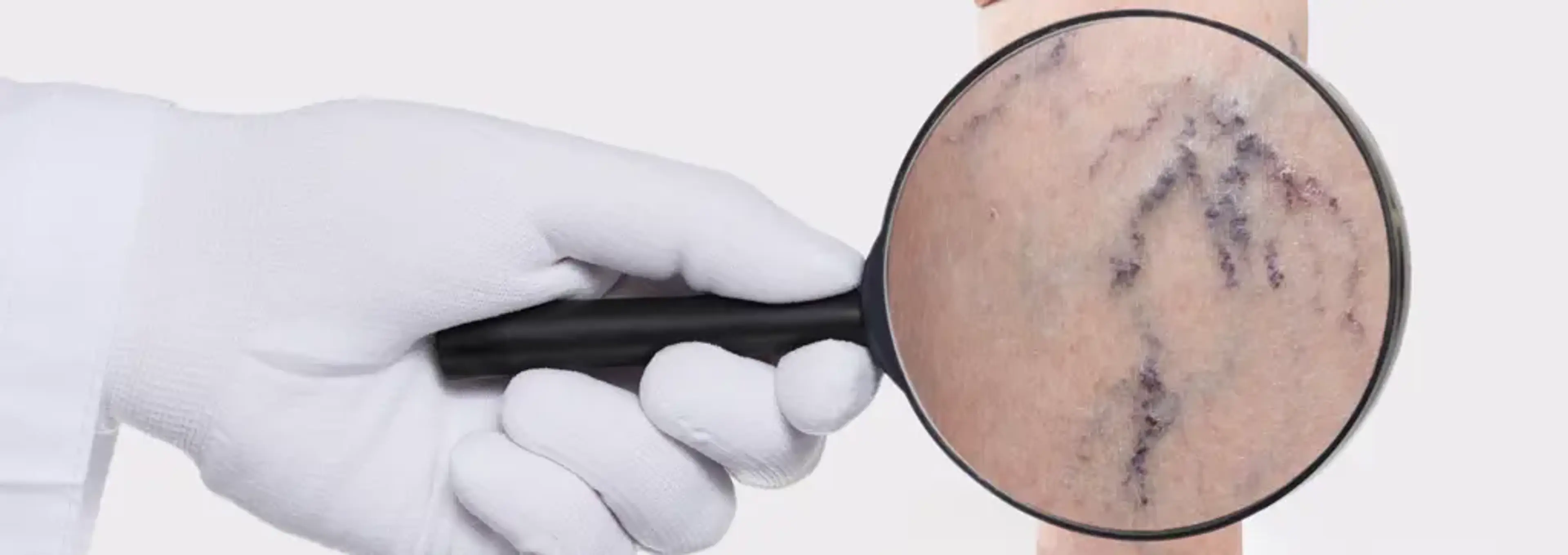
When varicose veins lead to skin discoloration, the dark patches usually appear on the lower legs, ankles, and feet. The color of the skin can range from brown to dark purple, often appearing around the affected veins. These dark patches can be irregularly shaped, with some areas appearing as small dots, while others form larger, more prominent patches.
The skin in these areas may also feel tight, dry, or leathery. It may become thicker over time, especially if the condition worsens. In some cases, the skin may develop sores or ulcers, which can be painful and difficult to treat without medical intervention.
In addition to skin darkening, varicose veins often cause a range of other symptoms, including:
If you notice any of these symptoms, it’s important to seek medical advice. Early diagnosis and treatment of varicose veins and associated skin darkening can prevent further complications and improve your overall leg health.
Diagnosing varicose veins and the associated skin changes typically begins with a physical exam. Your doctor will examine your legs, noting the appearance of the veins and any signs of swelling or discoloration. If necessary, an ultrasound may be conducted to check blood flow in the veins and assess the severity of venous insufficiency. Ultrasound imaging helps doctors see if the veins are functioning properly or if there is any backward blood flow, which could indicate varicose veins or chronic venous insufficiency.
Early diagnosis is crucial for preventing further complications, such as venous ulcers, skin thickening, or more extensive discoloration. Treating varicose veins at an early stage can prevent these issues from worsening and improve your overall quality of life. If you're noticing changes in your skin color or experiencing leg pain or heaviness, it’s important to seek medical advice early.
There are several effective treatments for varicose veins that can help alleviate both the veins' appearance and associated skin discoloration. Some of the most popular minimally invasive treatments include:
In addition to treating the varicose veins, managing skin darkening involves addressing the root cause of the discoloration. Your doctor may recommend:
Post-treatment care is important to ensure a smooth recovery. After minimally invasive procedures like EVLA or RFA, most patients experience mild bruising or swelling around the treatment area. These side effects typically subside within a few days. You may be asked to wear compression stockings for a few weeks to reduce swelling and improve healing.
Most patients can return to normal activities within a few days after treatment. However, it’s advisable to avoid heavy physical exertion for a short period. The treated veins will gradually fade away over the following weeks to months, and any associated skin darkening should begin to improve.
To prevent the recurrence of varicose veins and associated skin darkening, it’s essential to maintain healthy circulation. Regular exercise, weight management, and elevating the legs can help. Continuing to wear compression stockings and following any additional advice from your doctor will also help maintain long-term results.
Maintaining healthy skin is key for people with varicose veins. Moisturizing regularly and protecting the skin from excessive dryness can prevent further irritation. Using gentle skincare products that soothe the skin can also help reduce the risk of further discoloration.
Proper hydration is essential for maintaining good blood flow and overall vascular health. A healthy diet rich in antioxidants, vitamins, and minerals can promote healthy skin and circulation. Foods high in vitamin C, vitamin E, and omega-3 fatty acids are particularly beneficial.
While skin discoloration from varicose veins can be persistent, it often improves with proper treatment. Minimally invasive procedures to treat varicose veins, combined with skin care, can significantly reduce discoloration.
The best treatment depends on the severity of your varicose veins and skin discoloration. Minimally invasive options like EVLA, RFA, and VenaSeal™ are effective for treating both varicose veins and associated skin darkening.
Skin darkening typically improves gradually after treatment. It can take a few months for the full effects to be visible, depending on the extent of the discoloration.
Charm Vascular Clinic offers a full range of services from diagnosis to post-treatment care. The clinic’s advanced technology ensures effective treatments for varicose veins and their associated symptoms.
The clinic’s approach is personalized, with treatment plans designed to suit the needs and concerns of each patient. Charm Vascular Clinic provides ongoing support to ensure the best possible outcomes for varicose vein treatment and skin care.
Varicose veins and their associated skin conditions are common worldwide, affecting millions of people across different countries. As awareness grows about the effectiveness of minimally invasive treatments like Endovenous Laser Ablation (EVLA) and VenaSeal™, these procedures have gained popularity. In countries such as the U.S., the UK, and South Korea, people are increasingly seeking non-surgical solutions for varicose veins, which allow for quicker recovery and fewer risks compared to traditional surgery.
Additionally, with the global rise in the demand for aesthetic and health-related treatments, the popularity of non-invasive vein therapies has surged. Patients now have more options for treating both varicose veins and the skin discoloration they cause, without the need for lengthy recovery periods.
Charm Vascular Clinic, located in Seoul, South Korea, has earned an international reputation for its expertise in treating varicose veins. The clinic’s advanced, minimally invasive treatments have attracted patients from around the world. With Dr. Insoo Park leading the team, Charm Vascular Clinic offers cutting-edge solutions like VenaSeal™ and EVLA, which are widely regarded as some of the best treatments available for both varicose veins and the associated skin discoloration.
Varicose veins and the skin discoloration they cause can significantly affect your quality of life, but the good news is that treatment is available. Understanding the link between varicose veins and skin changes is key to addressing the problem early. With the right care, many of the symptoms, including skin darkening, can be effectively managed.